


-
414 Block B, ZT Times Plaza, Wuhan, Hubei, China

Blog
Ce vor clienții B2B de la motocicletele electronice performante
A lot of brands still sell e-motociclete de performanță like they’re pitching to weekend riders. Big motor. Big speed. Big range claim. Nice poster stuff. But B2B clients usually don’t buy that way. They buy with an ops brain, not a hype brain.
That’s the real point behind “What B2B Clients Want in Performance E-Motorcycles.” When a fleet buyer says “performance,” they usually mean something very different. They mean stable output, less downtime, easy battery paperwork, quicker service, and a bike that still works after month three when riders stop being gentle. Urban M’s own article says it pretty bluntly: buyers don’t want adrenaline first. They want predictability. (ezbke.com)
Performance E-Motorcycles for B2B Buyers
In B2B, e-motociclete de performanță are not judged by one sexy spec. A serious buyer wants to know if the unit keeps moving in real fleet use: real rider weight, real route pressure, real weather, real abuse. Urban M frames this as repeatable output, predictable range, thermal control, paperwork, and serviceability. That’s a much more honest way to talk about an motocicletă electrică for wholesale, OEM, or fleet procurement. (ezbke.com)
McKinsey backs the same idea from the market side. In electric two-wheelers, buyers often care more about ease of use, convenience, and price than excitement. It also notes that success in this market depends on building the right ecosystem around the vehicle, not just the vehicle itself. So yes, power matters. But uptime matters more. (mckinsey.com)
Real-World Range in Electric Motorcycle Fleets
This is where many sales decks get weak. A buyer hears “100 km range” and instantly asks, “at what speed, with what payload, on what roads, in what temperature?” Urban M’s article says good B2B teams turn a marketing number into an operating band. That means they test range under load, across route types, and over time before they scale. That’s not picky. That’s just normal procurement. (ezbke.com)
This also fits Urban M’s product logic. The Motocicletă electrică category positions the line as industrial-grade, with OEM/ODM support, waterproof frames, UL-certified batteries, and range claims up to 200 km for some setups. On product level, the S5 highlights long range and low maintenance, while the X1 keeps the pitch more grounded with a compact body, removable battery, and a practical urban range band. That kind of spread is useful, because not every fleet runs the same route density or rider profile. (ezbke.com)
Battery Compliance and Traceability
A “good battery” is not enough in B2B. Buyers want a battery story they can audit. Urban M’s original article calls out chemistry clarity, BMS protection, labeling, pack build, and batch traceability as real deal-makers. That makes sense. A battery issue is never just a battery issue. It turns into a shipping issue, warehouse issue, insurance issue, and after-sales issue real fast. (ezbke.com)
This is one place where Urban M can talk with more authority, not less. Your Motocicletă electrică category already mentions UL-certified batteries, and several product pages lean into removable packs, swappable systems, or long-life battery cycles. That’s the kind of detail B2B clients actually save into their sourcing sheet. IATA also makes it clear that battery shipping has strict handling, marking, labeling, and documentation requirements. So battery compliance is not boring admin work. It is part of the product. (ezbke.com)
Serviceability and After-Sales Support
A fleet buyer won’t always say this on the first call, but they are thinking it: How fast can we fix this thing when it fails? Urban M’s article goes right at that pain point. Buyers want modular assemblies, realistic spare lead times, fast triage, and less proprietary lock-in. In plain English, they want less wrench time and less vehicle sitting dead in a corner. (ezbke.com)
This is where product messaging can do real work. The S5 talks about low maintenance, tubeless tires, and no special charging infrastructure. The X1 adds removable battery design, EEC compliance, and a usable load capacity for business use. The S4 pushes swappable battery convenience for daily deliveries and commutes. Put together, that starts to sound less like a catalog and more like an ops solution. And honestly, thats what most buyers are looking for. (ezbke.com)
Costul total al proprietății pentru cumpărătorii de flote
Here’s the ugly truth: many B2B deals are won or lost in a spreadsheet nobody posts on LinkedIn. Urban M says procurement teams don’t buy a unit. They buy a forecast. They look at downtime risk, consumables, repair labor, warranty exposure, and battery replacement planning. A cheaper bike that fails more often can become the expensive one later. Fleet people know this game very well. (ezbke.com)
The broader market data points the same way. McKinsey says electric two-wheelers have reached TCO parity in many regions and may become cheaper than ICE in more places as the market matures. The IEA goes even further in its two- and three-wheeler analysis, showing that in major high-volume markets, electric two-wheelers can already deliver stronger ownership economics over several years. So when a buyer asks for low downtime, swappable batteries, or fast spare parts, they are not changing the subject. They are talking about margin protection. (mckinsey.com)
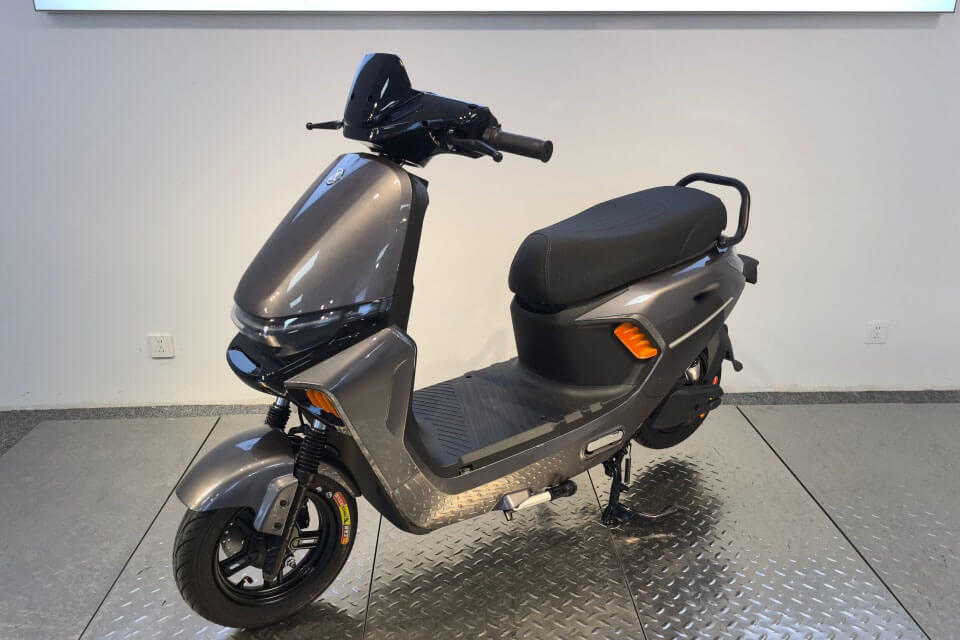
Electric Motorcycle OEM/ODM for Different B2B Scenarios
One thing I like in the Urban M setup is that it doesn’t force every buyer into one mold. That’s smart. Fleet demand is messy. One dealer wants commuter SKUs. Another wants a delivery workhorse. Another wants a street-legal model that can be rebranded fast. OEM/ODM supply only works when the platform can match the route and the use case. (ezbke.com)
Electric Motorcycle OEM/ODM for City Delivery Fleets
The S3 is pitched for city delivery fleets and rental services. The S4 goes even closer to fleet logic with Bosch motor reliability, swappable battery support, rain-city safety, and daily delivery positioning. That makes them easier to place in last-mile, food delivery, courier, and local rental scenes. Not every buyer wants a flagship bike. Many just want fewer headaches per shift. (ezbke.com)
Street Legal Electric Motorcycle for Urban Commute
The S5 is a clean fit for commuter-heavy dealers and mixed urban fleets because the message is simple: street legal, long-range, easy charging, fewer warranty claims, easier rebranding. The X1 works better when the buyer needs compact size, compliance, removable battery access, and practical urban turnover. These are not fantasy use cases. These are everyday channel asks. (ezbke.com)
Electric Motorcycle for Heavy Riders and Rough Roads
The S6 gives Urban M a stronger answer for heavier riders, adaptable dealer programs, and rougher city roads, with a Bosch motor, portable lithium battery, and tubeless tires. The S5D, despite the all-terrain label, also shows value for mixed-route urban use, especially where hill climbing and compact movement matter. That matters because B2B buyers often source by route condition, not by product romance. (ezbke.com)
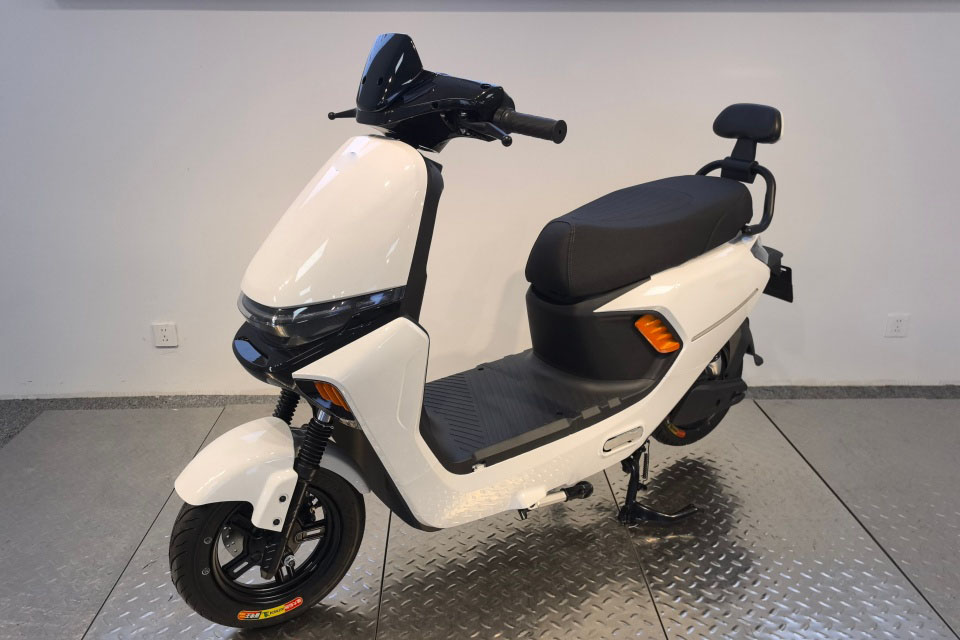
B2B Buyer Checklist for Performance E-Motorcycles
| B2B argument | What the buyer really means | What Urban M can publish or prove | Sursa |
|---|---|---|---|
| Performance e-motorcycles need real fleet output | Peak power is nice, but repeatable output under load is what gets approved | Real-world range band, rider load assumptions, slope ability, thermal stability, pilot test logic | Urban M article + McKinsey |
| Real-world range matters more than brochure range | Buyers want route-fit, not a lab number | Range by speed, payload, weather, and route type across S4, S5, X1, S6 | Urban M article + product pages |
| Battery compliance closes deals | Buyers need safe, traceable, insurable battery systems | UL-related messaging, BMS details, traceability docs, shipping paperwork support | Urban M category + IATA |
| Low maintenance means low downtime | Fast repair and spare access protect revenue | Removable battery, tubeless tires, modular parts, realistic spare support | Urban M article + S5 + X1 + S4 |
| TCO beats cheap unit price | Finance teams care about lifetime margin, not just landing cost | Warranty logic, service intervals, battery life, route-fit model recommendations | Urban M article + IEA + McKinsey |
| OEM/ODM fit wins more fleet deals | Different routes need different SKUs | Delivery, commuter, street legal, heavy-rider, and mixed-route options under one supplier | Urban M category + S3/S4/S5/S6/X1 |
Source note: the table above is compiled from Urban M’s “What B2B Clients Want in Performance E-Motorcycles,” Urban M’s Electric Motorcycle category and product pages, plus supporting points from McKinsey, IEA, and IATA. (ezbke.com)
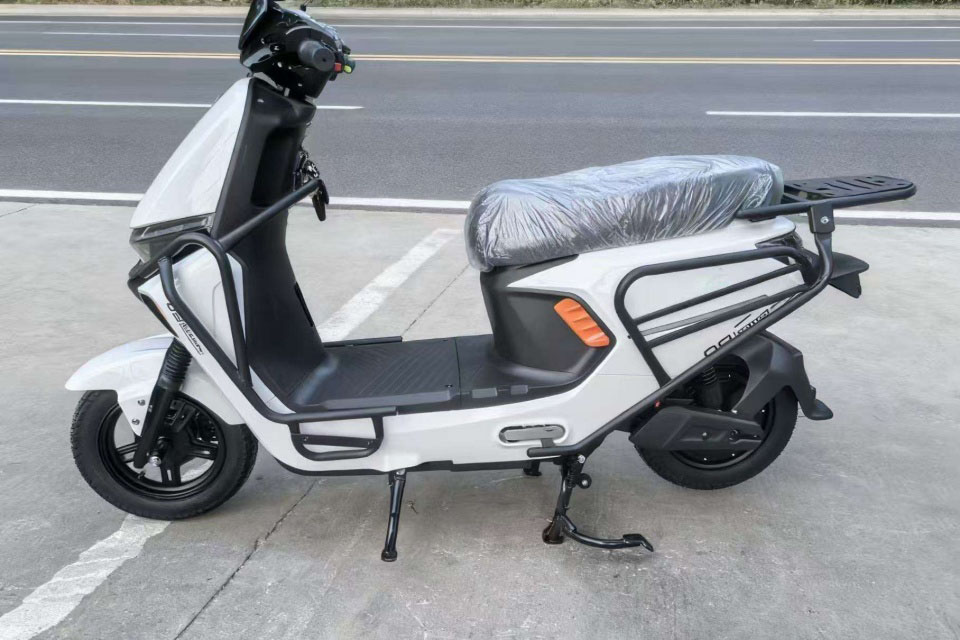
Concluzie
So, what do B2B clients want in e-motociclete de performanță? Not drama. Not just speed. Not a loud spec sheet.
They want an motocicletă electrică supplier that understands fleet uptime, compliance, service pressure, and route fit. That is where Urban M has a real commercial angle. It isn’t only selling units. It can position itself as an OEM/ODM partner for brands, wholesalers, and bulk buyers who need the right bike for the right job, with less bullshit in the middle. And in this market, that kind of clarity sells. (ezbke.com)