


-
414 Blocco B, ZT Times Plaza, Wuhan, Hubei, Cina

Blog
How B2B Clients Manage Peak Demand In Summer
Summer peak demand looks simple from far away. Orders go up. Teams get busy. Everyone rushes.
But real B2B buyers don’t manage summer that way.
They don’t just throw more stock into the warehouse and hope it works. They forecast earlier, split customers by demand pattern, keep response time tight, and build supply plans that can bend a little when the market moves. That is true in many sectors, and it fits the scooter di condivisione business pretty well too. In city rental, campus mobility, resort transport, and dealer wholesale, summer demand can spike fast and go messy even faster.
For brands, wholesalers, and fleet operators buying from a factory, this matters a lot. If your supplier can’t handle volume swings, compliance requests, uptime pressure, or branding changes, the whole program gets jammed. That’s why buyers now look beyond a cheap unit price. They care about demand forecasting, inventory management, proactive communication, tempo di attività della flotta, e OEM/ODM execution. That is where a factory-side partner like Urban M starts to make more sense. Your site already leans into that logic: scooter di condivisione range, bulk OEM customization, city compliance kits, and hardware built to cut downtime.
Key Arguments and Source Support
| Argomento | Cosa significa in parole povere | Fonte |
|---|---|---|
| Forecast smarter, not harder | Good buyers don’t guess summer demand from one old sales sheet. They use past sales, buyer behavior, market signals, and customer plans. | Adobe, BCG |
| Inventory management is about better stock mix, not more stock | More stock can still be the wrong stock. Smart teams protect core SKUs, spare parts, and fast-turn models first. | Adobe, Maersk |
| Proactive communication matters more in summer | Summer reply speed gets worse, so suppliers need to contact buyers earlier and set delivery expectations sooner. | Demand Gen Report, Adobe |
| Customer segmentation beats one-size-fits-all | Big fleet buyers, distributors, and project buyers don’t peak at the same time. | Adobe, McKinsey |
| Omnichannel and self-service support are now basic | Buyers want website, remote contact, and direct sales support all working together. | McKinsey, Forrester |
| Fleet uptime is the real KPI in sharing scooter programs | In high-usage fleets, low-maintenance tires, weather resistance, battery options, and IoT features matter more than hype. | Urban M product pages |
Note sulla fonte: Adobe highlights smarter forecasting, agile inventory management, customer segmentation, and proactive outreach for B2B peak season readiness. Demand Gen Report says summer is the hardest season to reach B2B buyers, with a 3.0% out-of-office rate and 4.1% during the week of July 4. BCG says companies may miss 5% to 10% net revenue uplift when they underuse sales data and analytics. McKinsey says B2B buyers want a balanced mix of in-person, remote, and self-serve interactions, and use an average of ten touchpoints. Forrester says 86% of B2B purchases stall and 81% of buyers feel unhappy with the provider they chose.
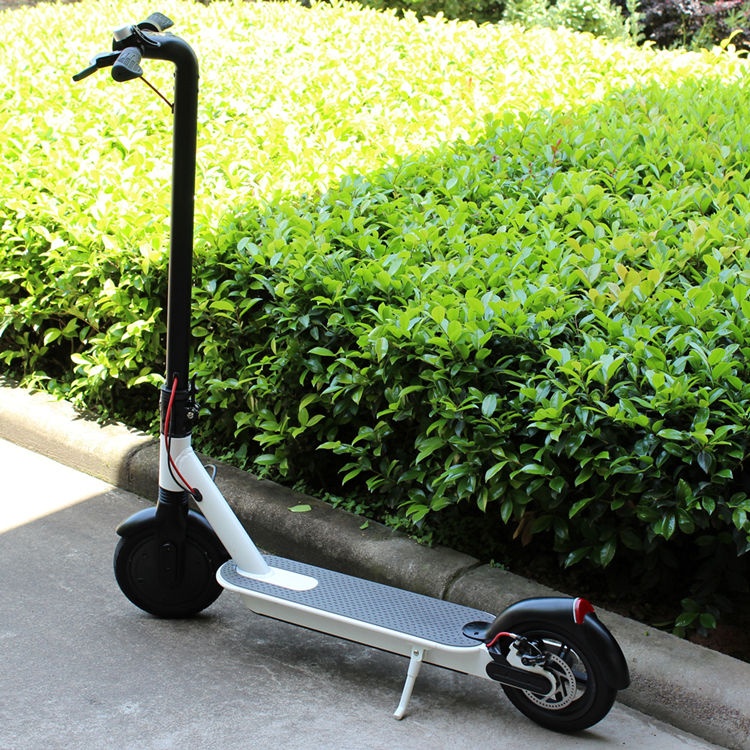
Demand Forecasting for Peak Demand in Summer
The first move is not buying more units. The first move is getting the signal right.
Adobe says B2B firms should look at past sales, customer behavior, market trends, and even client promo calendars before peak season hits. BCG pushes the same idea from the sales side: teams that use stronger analytics across the deal cycle grow faster because they stop reacting late and start planning early. In simple words, data helps you stop chasing fires all day.
In the scooter di condivisione market, this shows up in very practical ways.
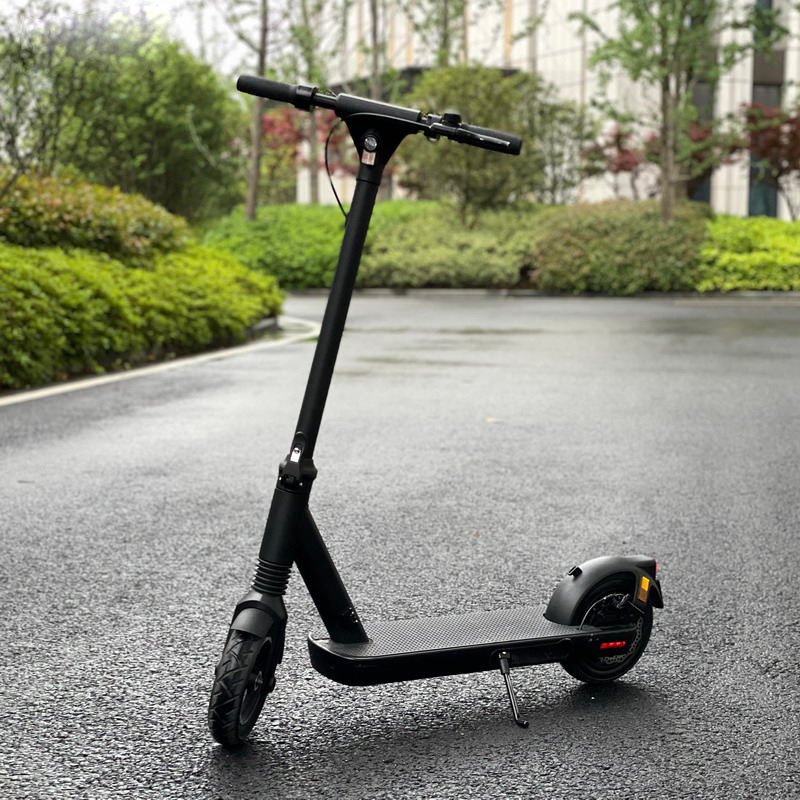
Sharing Scooter demand forecasting
A city rental operator may need more units before the tourist rush. A campus project may peak right before a new term starts. A distributor may place a bulk order because local weather turns good earlier than expected. These are all “summer orders,” but they are not the same order. If you bucket them together, your forecast gets sloppy real quick.
That’s why a supplier should read demand by account type, not just by month. This is where Urban M has a nice angle. The site positions its scooter di condivisione range around commercial batteries, GPS/Bluetooth lock, branding, payment terminals, and city compliance kits, which lines up with what bulk and fleet buyers actually ask during peak prep.
Inventory Management and Fleet Uptime
The second big point is simple: peak season kills weak operations.
Maersk makes a strong case here. The problem is not just understock. Overstock can hurt too. What companies need is an adaptive system with real-time visibility, so they can adjust when demand moves. Adobe says the same from another angle: protect the right SKUs, plan safety stock, and review lead times instead of stuffing the warehouse with random volume.
Foldable electric scooter and fleet-ready spec
For scooter buyers, the real question is not “Can this model run?” The real question is, “Can this model survive peak season ops without becoming a headache?”
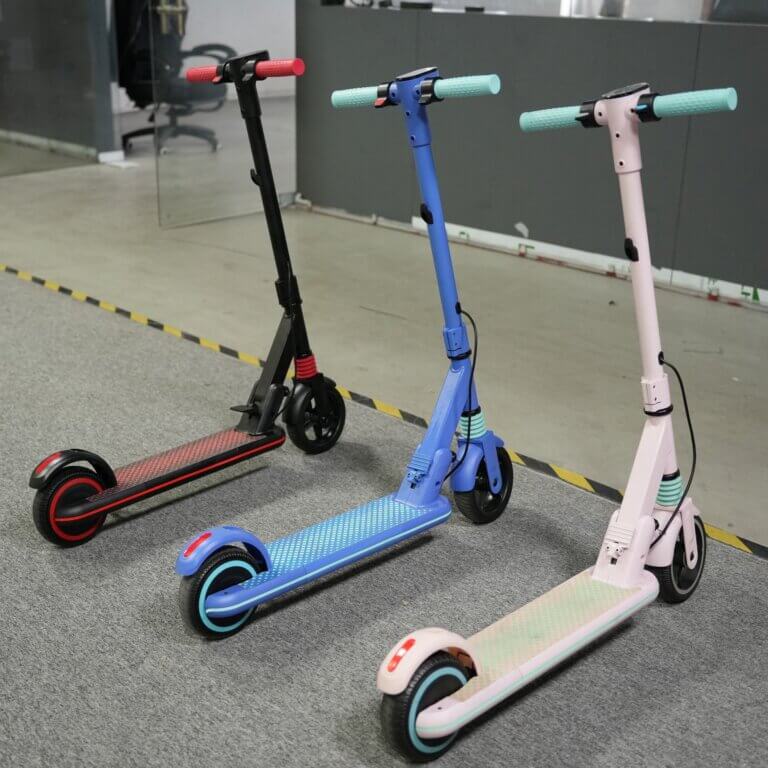
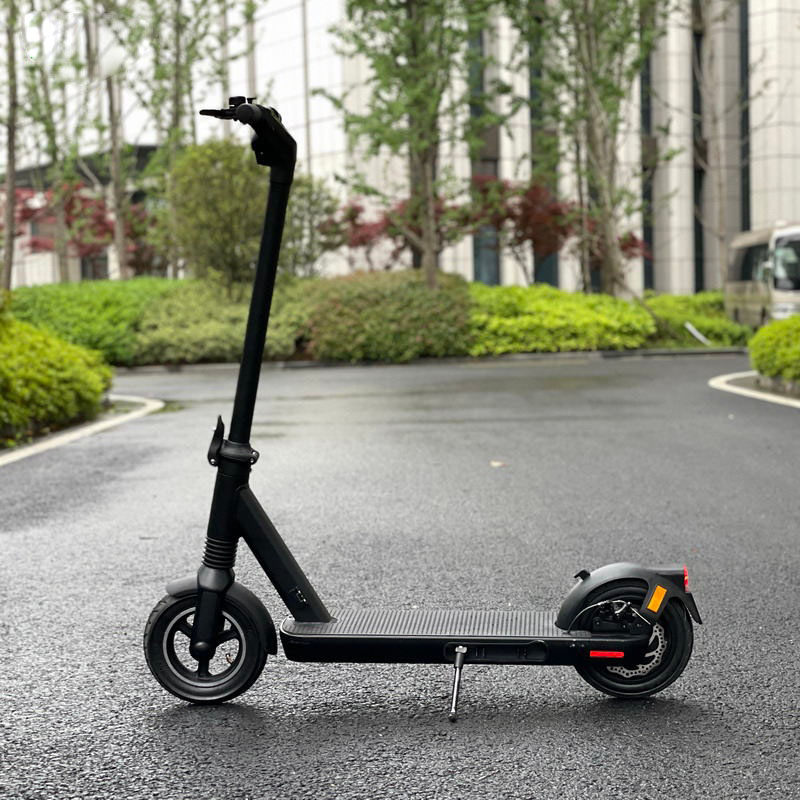
That’s why the spec sheet matters. The FS Pro is built around airless tires, dual battery options, 4G fleet connectivity, and compliance-ready certifications. That directly speaks to common pain points like puncture downtime, rebalancing inefficiency, and city deployment friction. The S1 adds IP67 protection, a 50 km range, and non-inflatable tires for heavy daily use. The Super S brings a Samsung battery, fast charging, IPX7 protection for key systems, and a sharing-fleet positioning. None of this is fluff. This is uptime logic. Fleet guys know it.
Proactive Communication in Summer
Summer is not only a supply problem. It’s a communication problem too.
Demand Gen Report says summer is the hardest time to reach B2B prospects. Out-of-office replies stay above average at 3.0%, and the week of July 4 jumps to 4.1%. So if your team waits too long to confirm specs, artwork, compliance requests, or dispatch windows, you lose tempo. Then the project slips. Then everyone starts sending “just checking in” emails. Not good.
Proactive communication for OEM/ODM and bulk wholesale
This is where factory-side speed helps.
For OEM/ODM buyers, summer prep usually includes logo approval, app or QR integration, local compliance details, battery choices, spare parts planning, and shipment timing. If a supplier moves early, the buyer feels safe. If the supplier goes quiet, trust drops fast. Adobe explicitly recommends proactive outreach and customer collaboration before and during peak periods. That advice fits this category 100%.
Urban M already speaks this language on-site through bulk OEM customization, white-label readiness, and compliance-focused positioning. That gives the article a clean commercial link without sounding like a hard sell.
Customer Segmentation and Omnichannel B2B Buying
Not every buyer wants the same sales motion. Some want a direct rep. Some want quick remote support. Some want to check specs online first and only talk when the project gets serious.
McKinsey says B2B buyers now split pretty evenly across in-person, remote, and digital self-service. They also use an average of ten interaction channels. Forrester adds another warning: B2B buying is still long and messy, with 86% of purchases stalling and 81% of buyers unhappy with the provider they chose. So, yeah, one-size-fits-all sales is kinda dead.
What this means for electric scooter manufacturer sales
A distributor buying a scooter elettrico pieghevole for commuting retail may care about speed to quote, carton details, and repeat order flow. A shared mobility operator may care more about IoT, compliance kits, anti-flat tires, and battery serviceability. A project buyer sourcing for hotels or scenic areas may focus on branding and low-maintenance hardware. Same sector, different buying motion.
So the better play is account segmentation plus channel mix. Let the website handle spec discovery. Let remote sales handle fast qualification. Let key accounts get deeper support. That model feels more human, and it closes cleaner too.
Why This Matters for Sharing Scooter OEM/ODM Buyers
Qual è il risultato?
How B2B clients manage peak demand in summer comes down to six things: better forecasting, better stock mix, earlier communication, account segmentation, omnichannel support, and hardware that reduces field friction.
That’s also why the Urban M positioning works. The brand is not selling only a scooter. It is selling a more stable supply story for peak season: scooter di condivisione systems, foldable electric scooter options, batch wholesale, OEM/ODM support, and fleet-ready models like FS Pro, S1, and Super S. For buyers trying to survive summer spikes without chaos, thats the part that matters most.