


-
414 Block B, ZT Times Plaza, Wuhan, Hubei, China

Blog
How Scooter Regulations Differ Between the US and EU
Why electric scooter regulations matter for wholesale buyers
The first thing to understand is pretty simple, but the market still gets it wrong all the time: the US and the EU/Europe don’t regulate scooters in the same way. Not even close. In the US, most of the real action sits at the state and local level. Europe looks cleaner from the outside, but it’s not one tidy rulebook either. There are European technical standards for the product side, then each country can still do its own thing on road use, access, speed, helmets, insurance, that whole mess. So the difference isn’t just legal language. It’s commercial friction. A scooter that works well in one market can be a total mismatch in another.
Urban M electric kick scooter lineup for OEM and wholesale
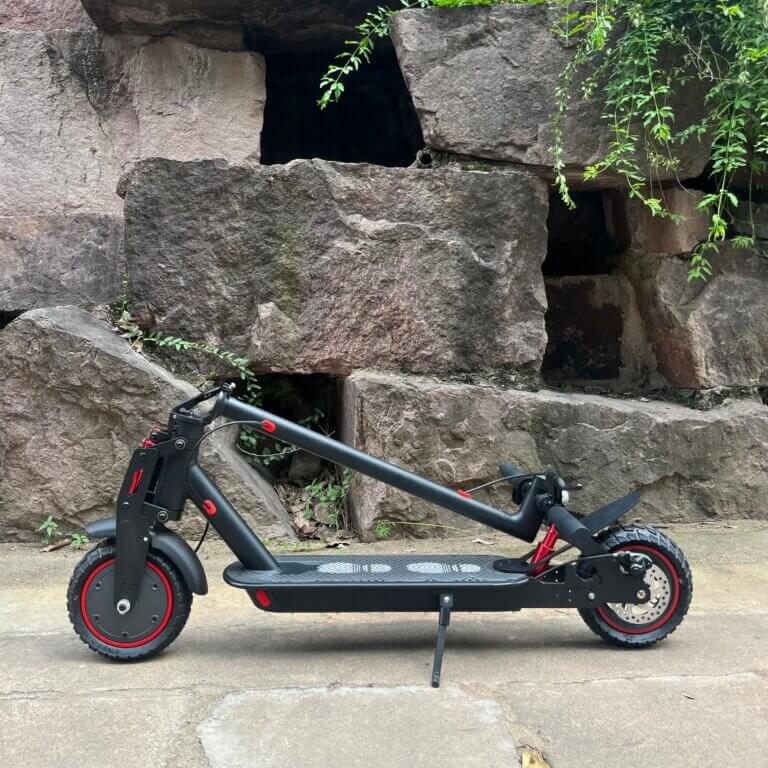
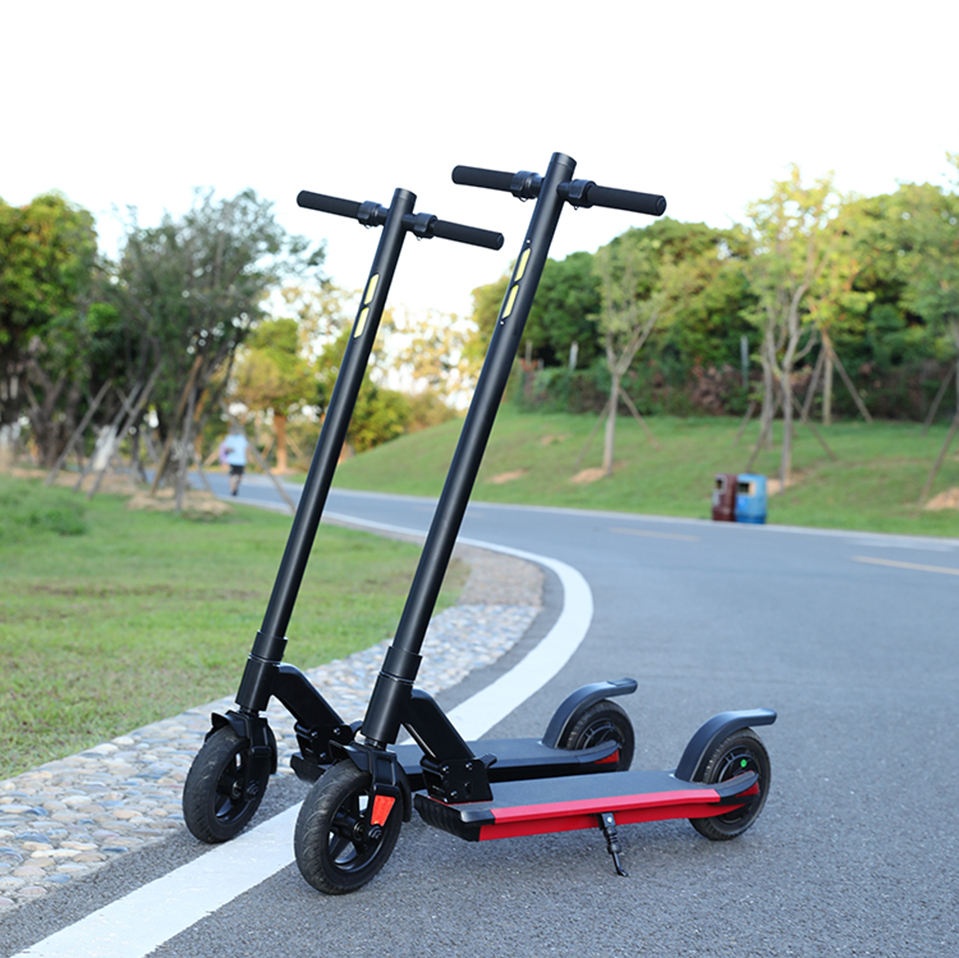
Urban M sits in a useful spot for this discussion because its electric kick scooter line is clearly built for wholesale, OEM/ODM, and private-label buyers. The site highlights IP54-rated durability, UL-certified batteries, custom branding, worldwide shipping, and factory-scale production, which is exactly the kind of supply-side setup buyers look for when they need market-ready models, not just a sample that looks nice in a photo.
Electric scooter regulations in the US
Here’s the ugly truth: the US market gives you room, but it also gives you chaos. There’s no single national street rulebook for electric scooters, which sounds flexible—nice, right?—until a distributor realizes the product brief that worked in one state starts throwing red flags somewhere else. That happens more than people admit. NCSL says at least 28 states and Washington, D.C. have enacted e-scooter laws, and those laws reach into speed caps, minimum age, roadway use, and rider restrictions. So no, one clean spec sheet won’t magically cover the whole country.
State-by-state electric scooter rules and channel risk
The numbers make that pretty obvious. 15 states set a minimum operator age. Some states sit around 15 mph, Illinois drops to 10 mph, and Oklahoma goes up to 25 mph. Then sidewalk rules get even uglier. Minnesota generally bans sidewalk riding except for property access, while 11 states hand that decision to local governments. That sounds minor on paper. It’s not. It affects dealer sell-through, local fleet conversations, and post-sale complaints when riders figure out too late that the road scene isn’t what they expected. Classic channel pain.
Electric scooter regulations in Europe
But Europe? Europe isn’t exactly clean either. Just cleaner in parts.
Micro-mobility for Europe says e-scooters in Europe are regulated under EN 17128, which covers technical requirements for the vehicle and key components. Good start. But that doesn’t mean the whole region runs on one universal street-use law—far from it. Member states still set their own national frameworks, so you get a more structured product-side baseline while road-use rules still split country by country. That split matters. A lot.
EN 17128 and national e-scooter laws in Europe
Still, there is a pattern. Europe tends to cluster around a more controlled public-road setup. The EU Urban Mobility Observatory notes that Germany allows public-road use when scooters meet hardware rules and stay at 20 km/h max. Italy allows 25 km/h where bikes are allowed and 6 km/h in pedestrian areas. Belgium also uses 25 km/h, and Spain requires insurance in the national framework described there. ERSO adds that across 22 reported European countries, age restrictions apply in 14 countries, and all of them use a max speed of 20 or 25 km/h. So while Europe isn’t one-size-fits-all, it does feel less all-over-the-place than the US.
US vs EU scooter regulations: key differences
I frankly believe this is where buyers should stop reading glossy brochures and start asking harder questions.
Because the gap isn’t abstract.
What the US and EU scooter regulation gap means for buyers
The table below combines the main arguments from NCSL, the EU Urban Mobility Observatory, ERSO, and Micro-mobility for Europe.
| Issue | United States | Europe | Why it matters for buyers | Source |
|---|---|---|---|---|
| Regulatory structure | State and local traffic rules dominate | EU-level technical standard, national road rules still vary | One sales deck won’t fit every market | NCSL / MMfE |
| Speed limits | Common operator cap around 15 mph in many states, but wide spread | Most countries cluster at 20 or 25 km/h | Firmware limits and mode settings matter a lot | NCSL / ERSO / EU UMO |
| Minimum age | 15 states set a minimum age | 14 of 22 countries set a minimum age, usually 10–16 | Channel policy and rider profile change by market | NCSL / ERSO |
| Helmet rules | Mostly selective, often for younger riders | 7 countries require helmets in some form; Denmark, Finland, Greece, Spain require them for all riders | Safety messaging and accessories bundle can’t be generic | NCSL / ERSO |
| Insurance | Not a default national rule for all markets | Mandatory liability insurance in countries such as Czech Republic, Denmark, France, Germany | Rental and B2B rollout needs more paperwork and local support | ERSO / EU UMO |
| Sidewalk and lane use | Often handled by state plus city rules | Stronger push toward cycle paths and away from pavements | Tire, braking, lighting, and stability become more important | NCSL / ERSO |
Speed limits for electric scooters
Let’s talk speed, because that’s where a lot of procurement decks start sounding brave and end up sounding expensive. A scooter with a higher top-end spec may look sexy in a sample review, sure, but once you move into public-road markets, speed can flip from selling point to liability anchor almost overnight—especially when local distributors, city partners, or fleet operators start talking about lane access, rider safety, and software limiting. Then everybody gets quiet.
ERSO notes that pedestrians feel safest when e-scooters ride around 15 km/h, and European research pushes scooters away from pavements and toward cycle paths. That helps explain why Europe often centers around 20–25 km/h public-road use. In the US, state law leaves more room for variation, so brands often need a sharper SKU split between commuter models and high-performance models.
It works. Usually.
Helmet, age, and insurance rules
From my experience, this is the stuff buyers think is “secondary” right up until the channel partner asks for a cleaner rider profile, fewer support headaches, and better risk framing for local retail or fleet rollout. Then suddenly age gates, helmet requirements, and insurance aren’t boring anymore—they’re front-line sales issues. Europe tends to write those things into the rule frame more often. The US? More scattered. More patchwork. More “depends.”
That changes everything around positioning. A commuter story for adult riders in one market may need a very different tone in another, especially when insurance obligations or helmet mandates start shaping the customer journey. Same scooter family, totally different retail script.
Sidewalk, bike lane, and road use
Yet this part is bigger than enforcement.
It’s product DNA.
If scooters are being pushed into bike lanes, mixed urban corridors, or denser commuter traffic, the brief changes fast: braking feel, beam pattern, tire contact patch, deck stability, suspension tuning, visibility package, all of it starts mattering more than brochure speed. ERSO also notes that the most severe outcomes often involve heavier motor vehicles, and head injuries are common. So better hardware isn’t just a premium feature anymore. It’s part of getting the spec accepted in the first place.
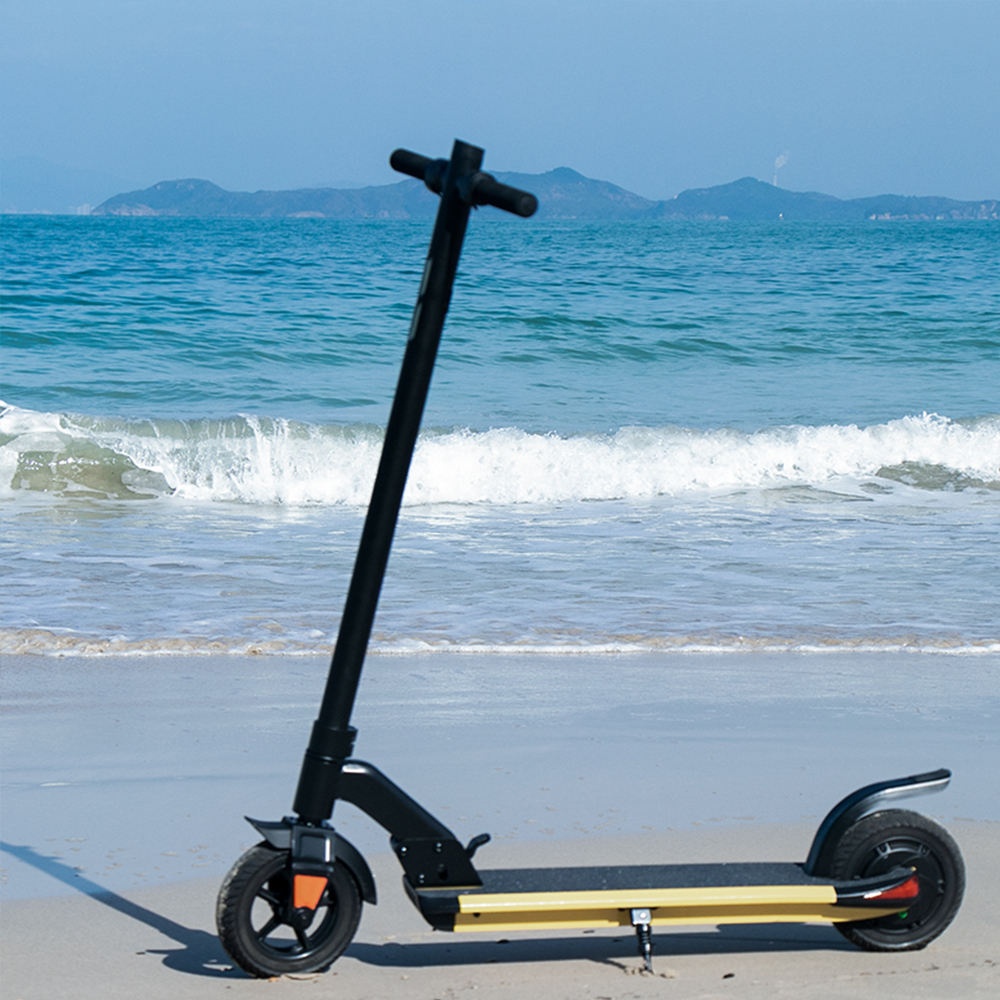
Electric kick scooter product planning for OEM and wholesale buyers
Now we’re in the real world—the bit where regulation stops being theory and starts messing with your assortment plan.
Commuter electric scooter models for urban retail and campus use
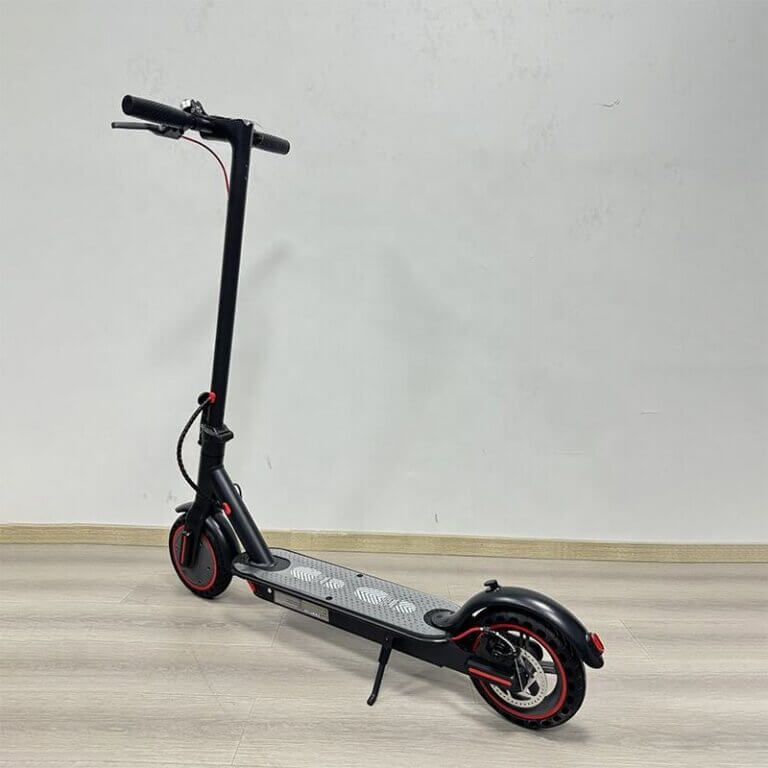
Urban M’s catalog already shows a smart spread. The M365 is framed as a lighter commuter option with a full lighting kit that meets urban safety laws, fast charging, and multiple battery choices. The H1 leans into daily commuting with a durable aluminum frame, quiet brushless motor, solid tires, and low downtime. For buyers targeting city retail, campus use, or short-range commuting, that kind of setup makes more sense than chasing pure speed.
Honestly, that’s the kind of segmentation more factories should be doing. Not every market wants a hot-rod deck. Sometimes the buyer just wants a clean commuter unit with fewer service tickets, less rider drama, and better urban fit. That’s not flashy. But it sells.
Heavy-duty electric scooter options for fleet and bulk orders
For heavier riders, rental operators, and tougher use cases, the catalog moves into another lane. The GS1/GS1-Pro is pitched for heavy adults, rental startups, and retailers. The H0/H0 Pro is aimed at customization partners and bulk buyers in urban markets. That is the right kind of segmentation because payload, durability, and service rate are often bigger pain points than headline speed. Buyers don’t want dead stock, weak frames, or too many warranty tickets.
And that’s the bit outsiders miss. In this category, a blown-through returns ratio or a sloppy after-sales loop can hurt way more than a spec sheet ever helps. Dealers remember squeaks, cracked stems, poor pack consistency, controller weirdness—real ops stuff. Not just max speed.
High-performance electric scooters for special-use channels
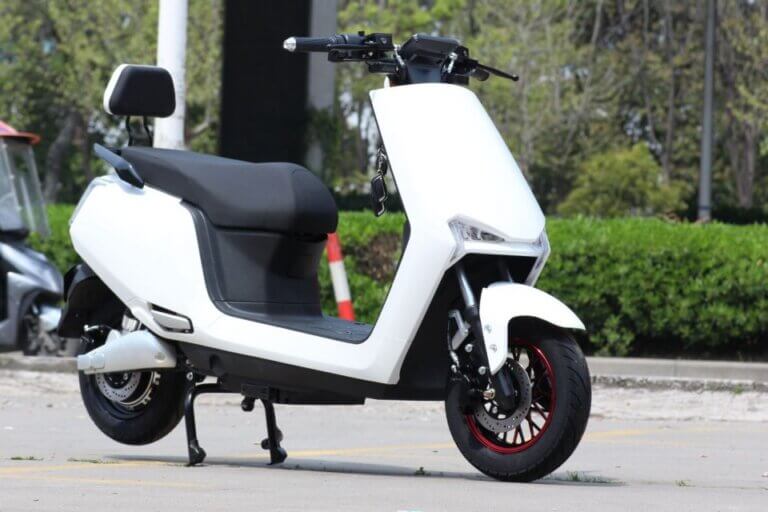
Then there is the performance bucket. Urbanm G1 is positioned for eco commuters, last-mile delivery fleets, and rental services. The 4000W Dual Motor Electric Kick Scooter with 100km Range pushes much further with dual motors, hydraulic disc brakes, swappable battery options, and motorcycle-class suspension. That kind of model can be very attractive for private land, controlled environments, or export channels with room for stronger specs. But for public-road city programs, buyers need to be careful. Fast does not always mean easier to sell.
Sometimes it’s the opposite.
Electric scooter model selection by buyer scene
The table below shows how that product logic lines up with real market scenes.
| Buyer scene | What usually matters | Better-fit model direction | Why |
|---|---|---|---|
| Urban commuting programs | lighting, low downtime, easy daily use | M365 / H1 | built around commuter use, fast charging, solid everyday setup |
| Heavy adult retail or fleet | payload, frame strength, fewer service claims | GS1/GS1-Pro / H0/H0 Pro | pitched for heavy adults, rental startups, customization, bulk buyers |
| Last-mile delivery and rental | stronger frame, fleet use, all-day practicality | Urbanm G1 | positioned for delivery fleets and rental services |
| High-performance private-land or special export channels | range, braking, suspension, stronger ride feel | 4000W Dual Motor model | dual-motor, long-range, hydraulic braking, swappable battery |
| Folding urban retail | portability, storage, apartment life | X3 | fold-and-go design, dual braking, wide tires, custom branding options |
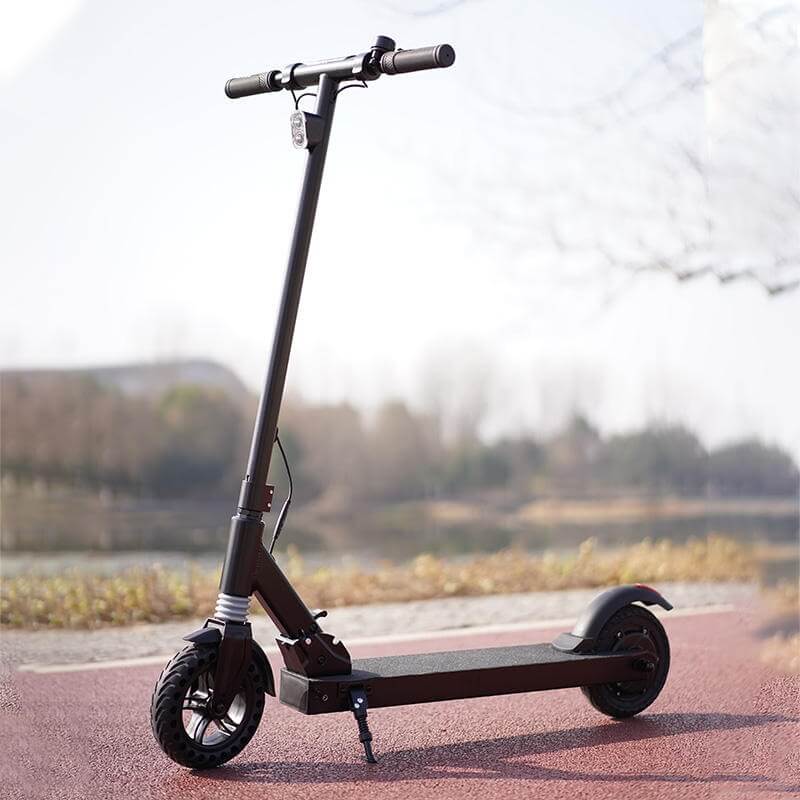
Electric scooter regulations and market strategy
So here’s what I think, straight.
The biggest difference between the US and Europe is not only law. It is product strategy. The US gives you more room, but also more fragmentation. Europe gives you more structure, but still plenty of national variation. The smart move is not to hunt for one “universal” scooter. That usually ends bad. The smart move is to build a clean product matrix: commuter, heavy-duty, fleet, and high-performance. Then map each one to the right channel and rule set.
Electric scooter market entry strategy for different regions
Because once you get into real buyer conversations—distributors, fleet guys, private-label teams, even the cautious procurement people—you hear the same thing in different words: don’t send me a spec grenade I can’t place. Send me something I can actually move.
That is why a factory-first brand like Urban M can make sense for wholesale buyers. The catalog already covers commuter SKUs, heavier-duty options, and faster units, while the company also presents OEM/ODM capability and production scale. In this business, the winning spec is not the loudest one. It is the one that clears the market, fits the rider, and keeps returns low. Thats what buyers actually remember.