


-
414 Block B, ZT Times Plaza, Wuhan, Hubei, Kina

Blogg
B2B Guide: Supplying Hardware For Sharing Fleets
Most fleet buyers don’t really ask, “Which scooter looks nice?” They ask a harder question. Will this hardware stay on the street, pass local rules, and keep ops simple? That’s the real deal in shared mobility. A fleet unit that sits in the warehouse is dead stock. A fleet unit that stays rentable is what moves the business. Recent shared micromobility data also shows the market is still growing, with 157 million trips in the U.S. and Canada in 2023, so buyers are still looking for durable, repeatable fleet hardware, not just cheap units with flashy specs.
For that reason, the article cluster around “B2B Guide: Supplying Hardware For Sharing Fleets” points to one simple truth: B2B suppliers are not just selling scooters. They are selling uptime, compliance, serviceability, and rollout speed. That is where a manufacturer like Urban M can speak the buyer’s language better, because your site already positions the business around Delning av skoter, OEM/ODM, wholesale supply, export support, and customization for commercial buyers.
Delning av skoter
Urban M's Delning av skoter category already says what many fleet buyers want to hear: sharing-spec e-scooters, commercial batteries, GPS/Bluetooth lock, OEM customization, payment terminal options, and city compliance kits. That framing matters because public fleets and private fleets both care about the same ops KPIs: downtime, rebalancing efficiency, battery handling, theft control, and bid readiness. In plain English, buyers don’t want a toy. They want a deployable asset.
Below is a practical source table you can use inside the article or as a support block.
| No. | Särskild punkt | Varför det är viktigt för vagnparksköpare | Källa |
|---|---|---|---|
| 1 | Swappable batteries matter more than headline speed | Battery swap keeps units available and cuts street retrieval pressure | Joyride hardware checklist; FS Pro |
| 2 | Airless or non-inflatable tires reduce service tickets | Fewer flats means less downtime and less field labor | FS Pro; Super S; S1 |
| 3 | GPS, 4G, Bluetooth lock, and backend fit are now baseline | Fleet ops need tracking, anti-theft, ride data, and remote diagnostics | Urban M Sharing Scooter; FS Pro; Joyride launch guidance |
| 4 | Compliance-ready hardware helps win city and enterprise deals | Permits, RFPs, and property managers all check safety and rule fit | Joyride fleet rules; FS Pro certifications; GBFS/MDS |
| 5 | Spare parts and after-sales support decide long-term value | A cheap unit with weak support becomes an ops headache very fast | Joyride supply chain article |
| 6 | B2B supply works best when hardware matches the use case | Hotel, campus, residential, and office fleets don’t need the same setup | Joyride B2B fleet model course |
Källan anteckningar:
- Joyride says battery system is one of the five essential considerations for shared vehicles, and Urban M’s FS Pro highlights swappable batteries for fleet use.
- Urban M’s FS Pro, Super S, and S1 all push airless or non-inflatable tire logic because puncture reduction directly helps uptime.
- Joyride’s launch guidance stresses integrated IoT and backend fit, while Urban M’s Sharing Scooter and FS Pro pages point to GPS/Bluetooth lock and 4G connectivity.
- Joyride says permits shape hardware, software, and insurance choices. GBFS and MDS also help operators fit city and tender workflows.
- Joyride warns that off-the-shelf buying without supplier relationship can leave fleets unsupported later.
- Joyride’s B2B course maps clear use cases across hotels, campuses, residential properties, offices, and new urban developments.
Bästa hopfällbara elektriska skoter för pendlingscykel grossist
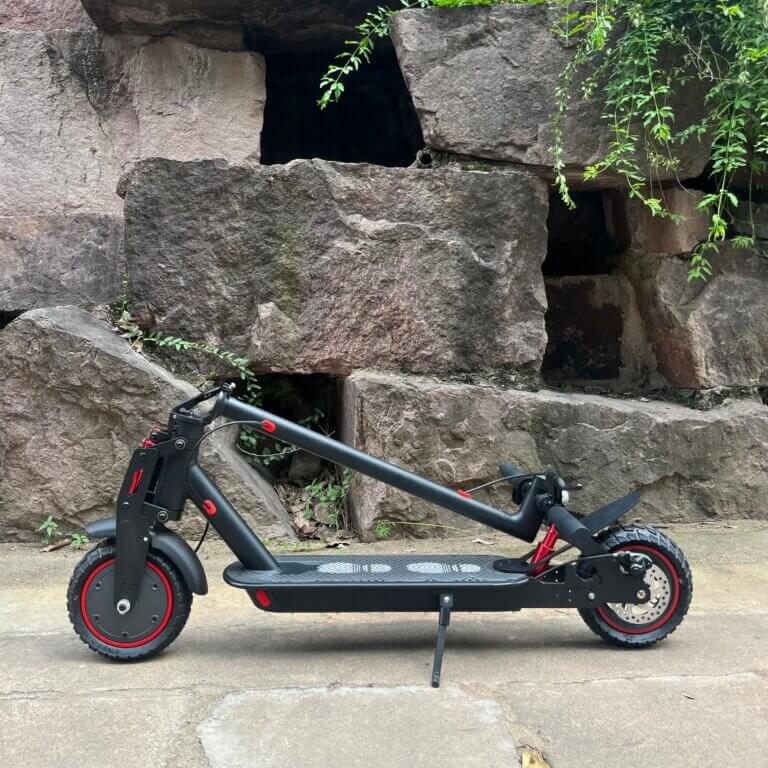
Den Super S fits one very common fleet brief: uthyrning i städer, mobilitet på campus och logistik för sista sträckan. That is not random wording. Those are real deployment scenes where buyers care about compact storage, fast turnaround, and abuse resistance. Its page highlights an aircraft-grade aluminum frame, invisible wires, waterproof motor parts, solid tires, and a battery setup meant to reduce downtime in sharing fleets. That tells a buyer this unit was built for daily churn, not just weekend riding.
From a B2B angle, this kind of product works when the customer says, “I need one SKU that can cover campus, short-hop commuting, and rental duty.” That’s a classic procurement ask. One platform, less SKU mess, easier parts planning. It ain’t fancy talk, but ops people love that.
FS Pro mobilitet elektrisk motor scooter för vuxna leverantör
Den FS Pro reads even closer to what fleet managers want on the street: airless tires, swappable batteries, 4G connectivity, white-label readiness, and certifications for multiple markets. That mix solves a few ugly problems at once. First, fewer punctures means fewer rescue calls. Second, swappable packs help utilization. Third, 4G and GPS data help with rebalancing, theft prevention, and maintenance scheduling. Fourth, white-label support helps operators and property clients put their own brand on the service.
That’s why the hardware argument should never stop at motor power. Fleet buyers care more about ops stack fit than raw speed. If the scooter plugs into a branded app flow, a geofence rule set, and a maintenance dashboard, the unit becomes easier to roll out across city projects, hotel programs, or private sites.
S1 hopfällbar elektrisk scooter för vuxna 300 lbs fabrik
Den S1 covers another strong part of the fleet story: reliable everyday hardware for sharing fleets or bulk orders. Its product page leans on aircraft-grade aluminum, IP67-rated controller and battery, non-inflatable tires, and EABS plus drum brakes. In fleet language, that means weather tolerance, fewer flats, safer stopping, and less workshop drag.
It also matters that the S1 is pitched as Byggd för kundanpassning och partihandel. That phrase is useful because B2B buyers often want more than a stock unit. They want QR plate placement, app branding, speed-profile tuning, local lighting fit, and sometimes payment terminal prep. Urban M can lean into that, because OEM/ODM is already part of the site positioning.
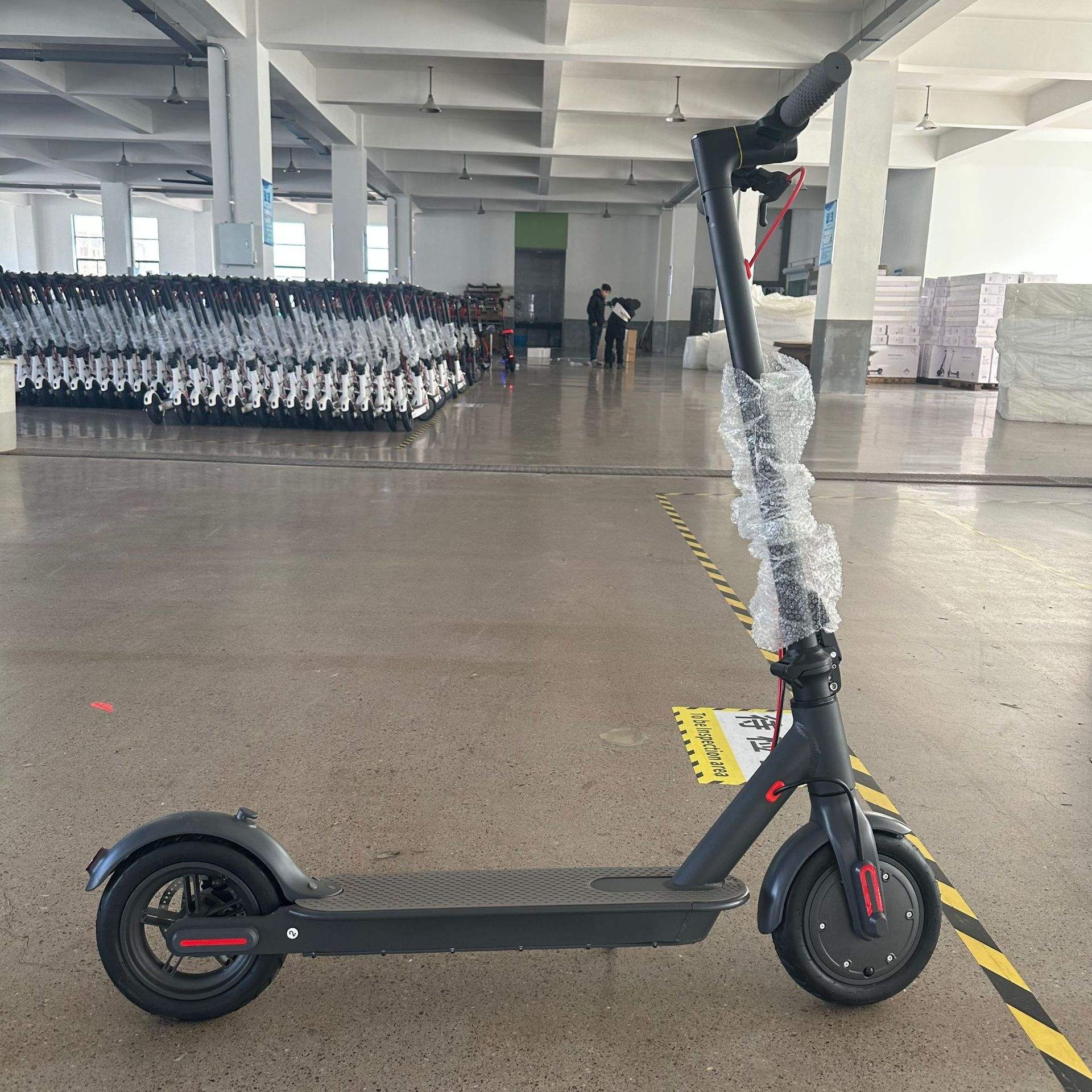
Shared mobility vehicles: Your hardware checklist for 2023
One of the clearest related articles says shared fleet hardware should be judged by battery system, rider experience, support and spare parts, upgrades and integrations, and vehicle life cycle. That framework is still solid because it mirrors how serious buyers screen products. They are not buying one vehicle. They are buying a maintenance burden, a support chain, and a rider experience at the same time.
So the first big argument is this: battery strategy is a business argument, not just a product feature. If the battery is easy to manage, easy to swap, and stable across fleet models, ops gets smoother. If not, the fleet bleeds time in charging, retrieval, and bench work. That’s why Urban M’s standardized battery and motor interface language is useful. It speaks to modular deployment across commuting, scenic sharing, and campus rental scenes.
The second argument is just as important: support and spare parts beat low upfront price. Joyride warns that buying off the shelf without a real supplier relationship can leave fleets unsupported later. In this business, that hurts fast. A missing controller, bad battery batch, or delayed replacement part can freeze a launch. So a manufacturer with OEM depth, export experience, and stable production rhythm looks more credible than a seller that only pushes quotes.
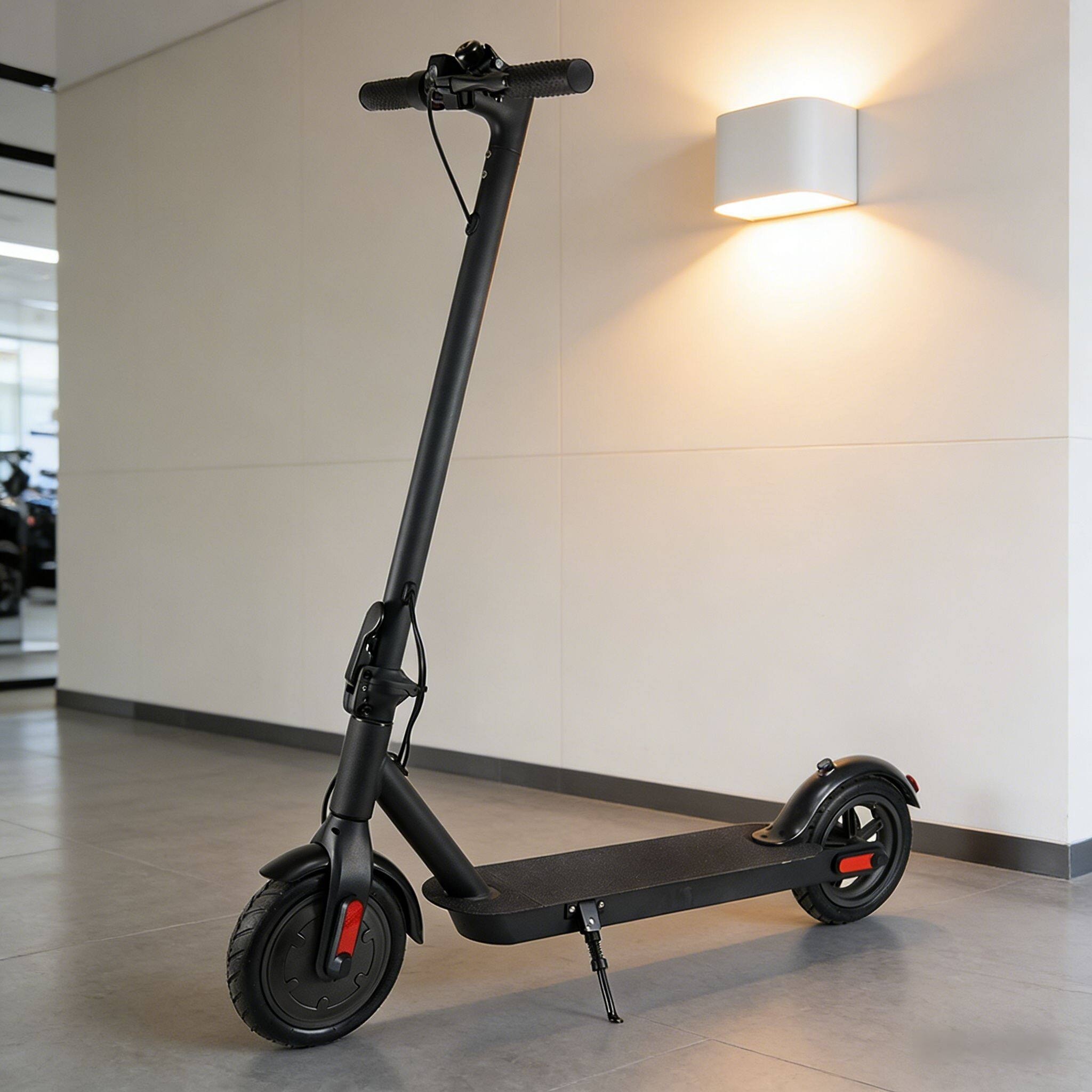
Top 5 rules for running a profitable micromobility fleet
Another related article makes a blunt point: permits influence the hardware, software, and insurance you choose. That matters a lot for B2B supply. A fleet unit is not “ready” because it ships. It is ready when it fits the policy, fits the use case, and fits the management stack. That is why compliance kits, speed presets, safe lighting, certifications, and telematics integration should be sold together, not as afterthoughts.
Det är också här som GBFS och MDS become commercial tools, not just data talk. GBFS helps shared mobility options become easier to discover and use, and it can help operators appear in trip planners and tenders. MDS gives cities and providers a reusable way to share data and validate policy digitally across markets. So yes, a scooter frame matters. But standards-readiness can help the buyer win bigger deals. That’s the kind of detail buyers remember in procurement calls.
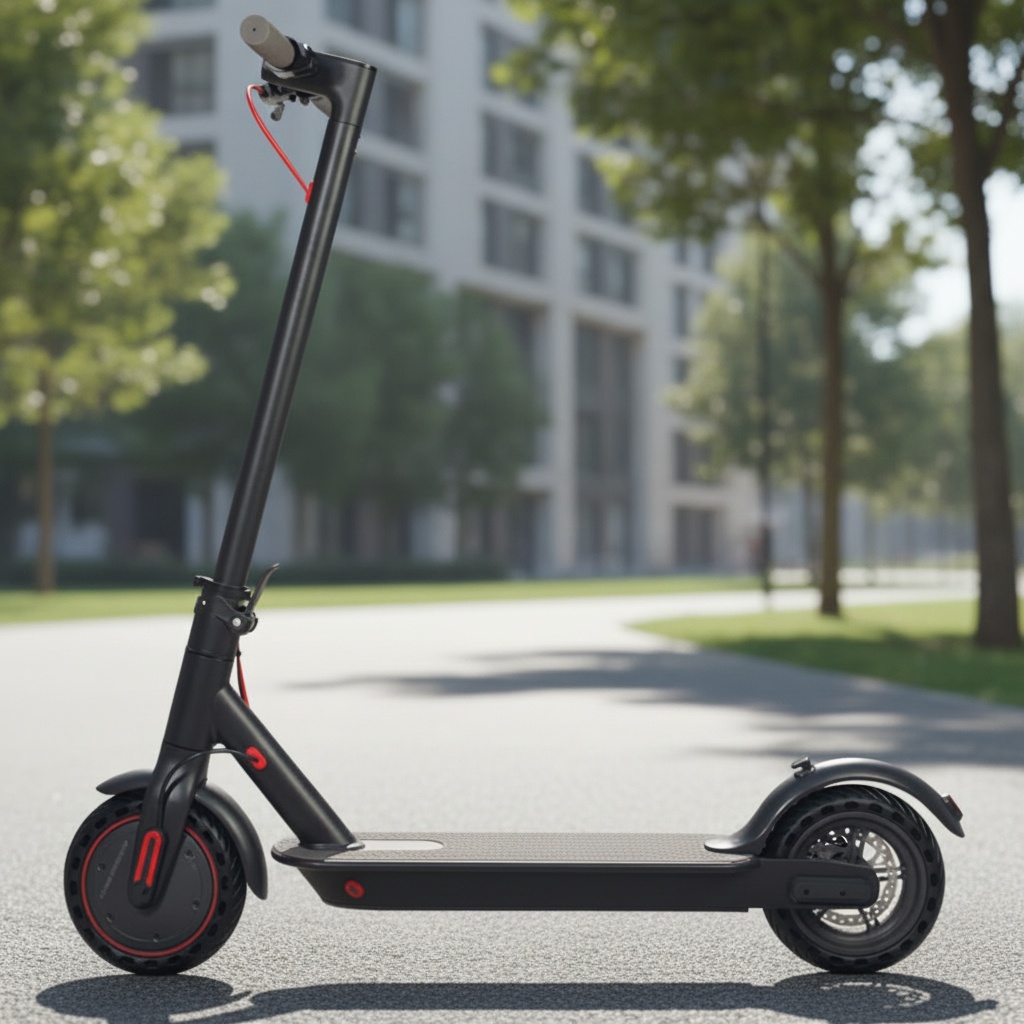
B2B Micromobility Models: Partner with Hotels, Offices and Residential Properties
The B2B case is not abstract. It already maps to clear property and institutional scenes: Hotels and Resorts, Residential Properties, Office Buildings, Corporate campuses, and New urban developments. Each one wants a slightly different fleet shape. Hotels want a premium amenity. Residential sites want less parking pressure and better resident movement. Office buildings want short-hop commuting and local errand runs. That means suppliers should stop pushing one generic sales pitch. Better to talk in scenes, not slogans.
Och det är här Urban M can plant its flag in a sharper way. Your site already covers the right commercial language: 15Y tillverkare av elektriska skotrar Anläggning, wholesale supply, durable e-scooters, OEM/ODM, sharing scooter systems, export support, and customization for bulk buyers. So the stronger argument is not “we sell scooters.” It is this: we help operators, wholesalers, and property partners launch fleet-ready hardware that is easier to brand, easier to maintain, and easier to scale. That message is cleaner. It also sounds more like the market.
In short, the related articles all point the same way. Supplying hardware for sharing fleets is really about supplying a working system. Battery logic, tire choice, waterproofing, telematics, certifications, spare parts, and scene-fit all matter. If a supplier can bundle those points into one calm, credible B2B offer, buyers listen. And if that supplier can do it with OEM/ODM flexibility and a real delande scooter lineup, the pitch gets a lot stronger. That’s where Urban M has a pretty good lane to run in.