


-
414 Блок B, ZT Times Plaza, Ухань, Хубэй, Китай

Блог
Sharing Scooters vs Renting: Which Model Is Better?
If you run micromobility (or you’re trying to), you’ve probably argued about this in a meeting: should we go all-in on sharing, или should we push long-term renting (subscription / corporate lease / “personal-but-not-owned”)?
Here’s the honest answer: neither model is “better” in every city. Ваш ops reality decides it—parking rules, uptime targets, theft rate, and how often riders actually come back.
Below is a practical, operator-style breakdown, using public research + the sharing-grade stack on EZBKE (Урбан М) as the hardware reference.
Sharing scooters vs renting scooters
Sharing = short trips, many riders, dockless/docked fleets, pay-per-ride or passes.
Renting = one rider keeps one unit for weeks/months (consumer subscription, corporate fleet, campus staff program). Less random abuse, more predictable usage.
The tricky part: people mix these words. Some “rentals” are actually sharing (tourist hourly rental). Some “subscriptions” are just discounted sharing. So you need to define your model by who controls the scooter day-to-day.
Argument summary table
| Keyword argument | What it really means in the street | When sharing wins | When renting wins | Доказательства / источник |
|---|---|---|---|---|
| Modal shift | If rides replace walking/biking, your “green story” gets weak | When you pull riders from cars + help first/last mile | When you reduce car ownership for daily commuters | EU Urban Mobility Observatory (UCL Bristol trial) shows big variation by what modes get replaced (urban-mobility-observatory.transport.ec.europa.eu) |
| Lifespan | Short scooter life can erase benefits | When you deploy sharing-grade hardware + keep ops km low | When one rider treats it like “their” vehicle | Brussels LCA shows shared e-scooters can look worse than displaced modes if lifespan is short (mdpi.com); FIA notes shared lifespans can be short (months) (fiaregion1.com) |
| Operations distance | Rebalancing/collection creates hidden emissions and cost pressure | When you run tight zones + smart rebalancing | When you avoid daily pickup cycles | EU UCL scenarios show ops distance and lifespan can flip results (urban-mobility-observatory.transport.ec.europa.eu) |
| Parking & compliance | “Sidewalk chaos” kills permits | When you can geofence + manage parking fast | When scooters stay with a renter (less curb clutter) | NACTO guidelines emphasize parking management + geofencing expectations (nacto.org) |
| Uptime / MTTR | Dead scooters burn reviews and revenue | When you use swappable batteries + rugged parts | When renters charge at home and report issues early | Wired notes maintenance/redistribution drives impacts; swappable batteries + longer-life designs help (wired.com); EZBKE ops language (MTTR/OTA) (ezbke.com) |
| Fleet control | Data + locks = the whole business | When IoT, GPS, locks, and alerts are solid | When you can simplify app + reduce enforcement | EZBKE SaaS stack calls out telematics, geofence, OTA, GBFS (ezbke.com) |
| Hardware spec | “Consumer scooter” dies fast in sharing | When you buy фурнитура общего назначения (IP, locks, cycle-life) | When you can prioritize comfort + portability | EZBKE Sharing Scooter category: IP65, commercial batteries (1500+ cycles), GPS/Bluetooth lock, OEM options (ezbke.com) |
Sharing scooter fleet operations
Sharing looks simple on a pitch deck. In real life, it’s an ops machine:
- Rebalancing: scooters pile up where people end trips, not where demand starts.
- Parking management: curb clutter triggers complaints and fines.
- Shrink: theft, parts stripping, “lost” units.
- Downtime: a dead unit earns nothing, but still costs you labor.
Cities increasingly expect operators to manage parking proactively and use tools like geofencing and user communication at trip end. NACTO’s regulation guidance literally spells out parking plans, geofencing, and response processes as baseline expectations. (nacto.org)
So if you choose sharing, don’t just buy scooters. Build the полный стек: hardware + IoT + ops SOPs + compliance playbook.
Long-term scooter rental and subscription
Renting (real renting) turns chaos into routine.
Picture a corporate park: same commuters, same gates, same peak hours. A long-term rental program works because:
- Riders feel ownership, even if they don’t legally own it.
- You cut random curb abuse (less “yeet it on the sidewalk” energy).
- Maintenance becomes scheduled, not panic-driven.
This model also fits campuses, resorts, waterfront towns, и delivery teams where one person uses one unit daily. You trade viral growth for predictable retention. And yeah, it’s kinda boring—which is good for operations.
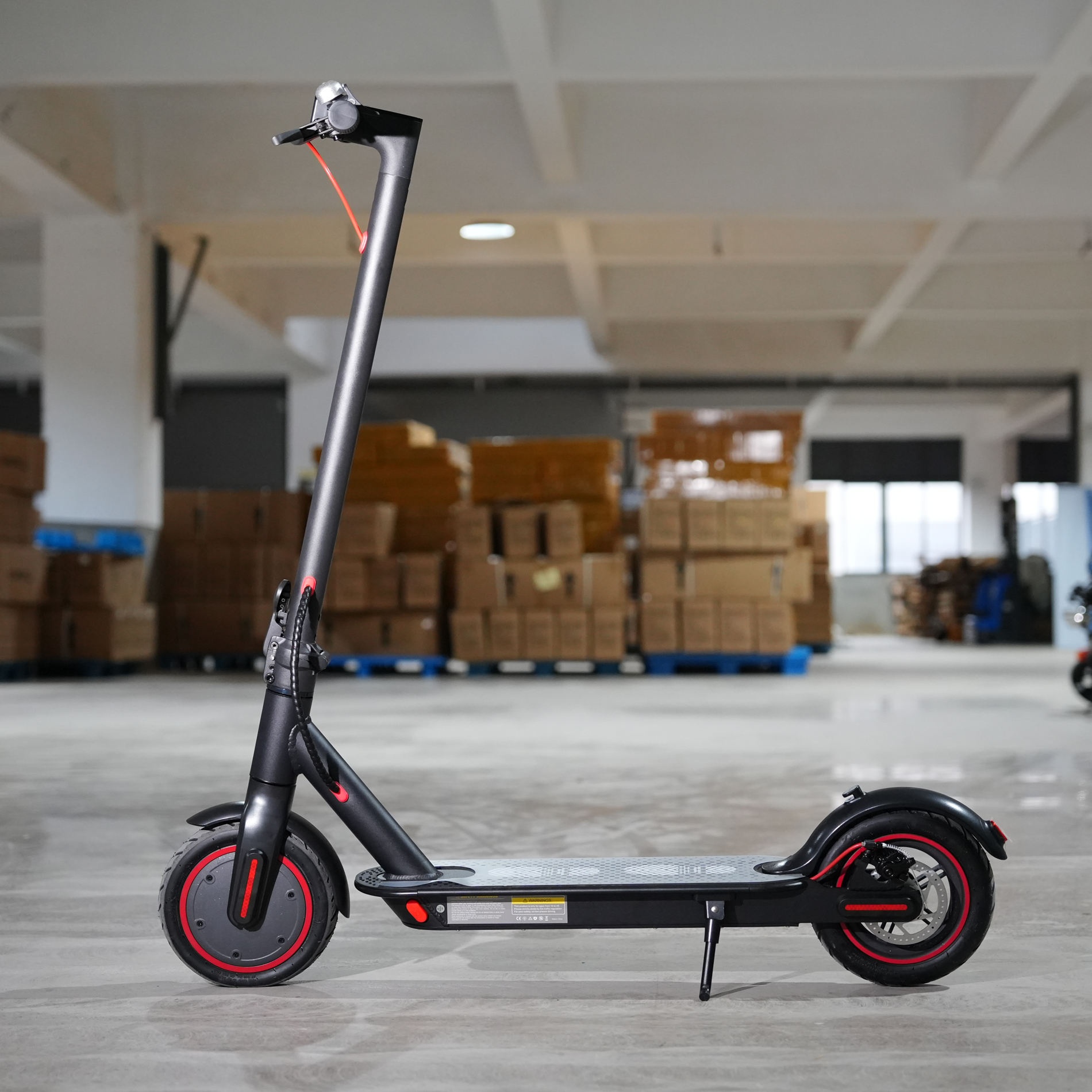
Total cost of ownership and unit economics
I won’t throw cost math at you (because every city’s numbers are different). But here’s the operator truth:
- Sharing lives and dies on utilization + uptime.
- Renting lives and dies on retention + service simplicity.
In sharing, your biggest pain is often MTTR (mean time to repair) and время пребывания (how long a unit sits idle). EZBKE’s fleet ops notes call these out directly, alongside OTA updates and lock-to zones. (ezbke.com)
If your team can’t keep MTTR low, sharing turns into a warehouse full of “almost working” scooters. Not fun, man.
Battery swapping and charging operations
Swappable batteries are not just a feature. They’re an ops strategy.
Why? Because moving batteries is easier than moving whole scooters. Wired’s reporting highlights how manufacturing + maintenance + redistribution can dominate the footprint, and how operators push toward swappable packs and longer-life designs to improve sustainability and logistics. (wired.com)
EZBKE bakes this into the fleet story: FS Pro focuses on airless tires + swappable batteries to reduce downtime, and the SaaS article frames battery swap windows as a standard SOP. (ezbke.com)
Durability, lifecycle, and sustainability
This is where “sharing vs renting” gets spicy.
- The EU Urban Mobility Observatory summary of the UCL Bristol study shows shared e-scooters может reduce GHG, but results swing hard based on scooter lifespan and how many operational kilometers you drive for each scooter kilometer. (urban-mobility-observatory.transport.ec.europa.eu)
- A Brussels life-cycle study (MDPI Sustainability) found the shared dockless standing e-scooter system had higher GWP per passenger-km than the displaced transport in their “current system,” largely due to short lifespan. (mdpi.com)
- FIA Region I also flags lifespan as a key variable and reports shared scooters can have shorter lifetimes than privately owned units. (fiaregion1.com)
So what’s the takeaway?
If you run sharing, you must buy sharing-grade hardware and run tight ops. If you run renting, you can often get longer life because one rider treats the unit better (not always, but often).
SaaS-платформа для совместного управления парком скутеров
Hardware alone won’t save you. You need software that speaks operator language.
EZBKE’s stack calls out:
- IoT + GPS telematics for locks, battery %, geofence, and recovery (ezbke.com)
- White-label app & OEM/ODM: your logo, pricing rules, promos, KYC, CRM hooks; backend handles GBFS feeds, coupons, support, device alerts; OTA firmware on the same telematics pipe (ezbke.com)
That’s the “boring” stuff that keeps permits alive. Also, Urban M styling matters more than people admit—clean visuals and consistent fleet look can lift trust, especially in tourist zones. (ezbke.com)
OEM/ODM electric scooter manufacturer
Your buyers (operators, distributors, procurement teams) care about boring proof: QC, consistency, compliance docs.
EZBKE positions itself as a 15Y электрический скутер производитель завод with ISO 9001 quality monitoring and OEM/ODM customization. (ezbke.com)
They also list the broader catalog mix—electric bike, electric kick scooter, electric motorcycle, foldable scooter, sharing scooter—built for wholesale/OEM flows. (ezbke.com)
That matters if you’re pitching city RFPs, because you’ll get asked for VIN lists, certifications, battery shipping docs, and consistency across batches.
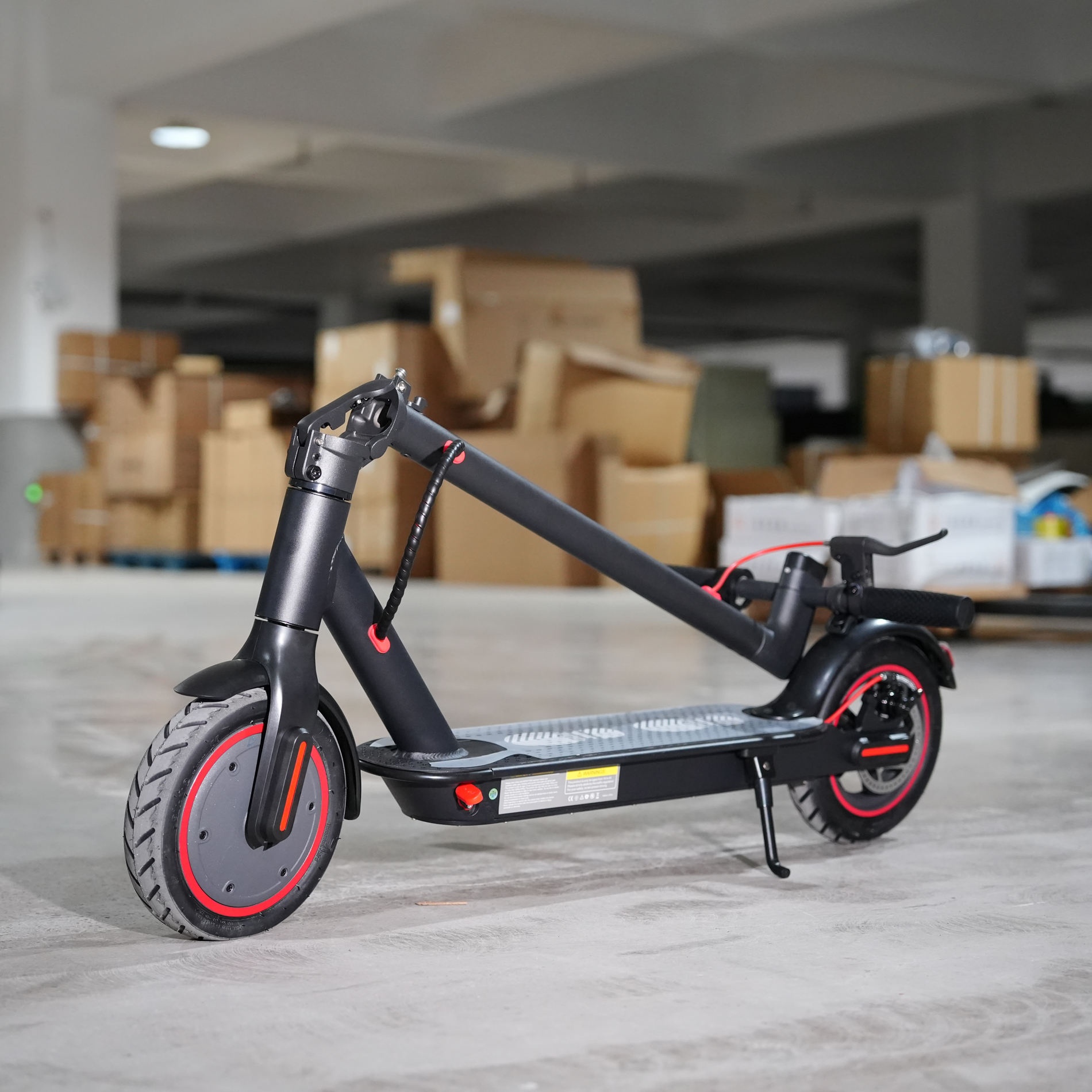
Совместное использование скутера
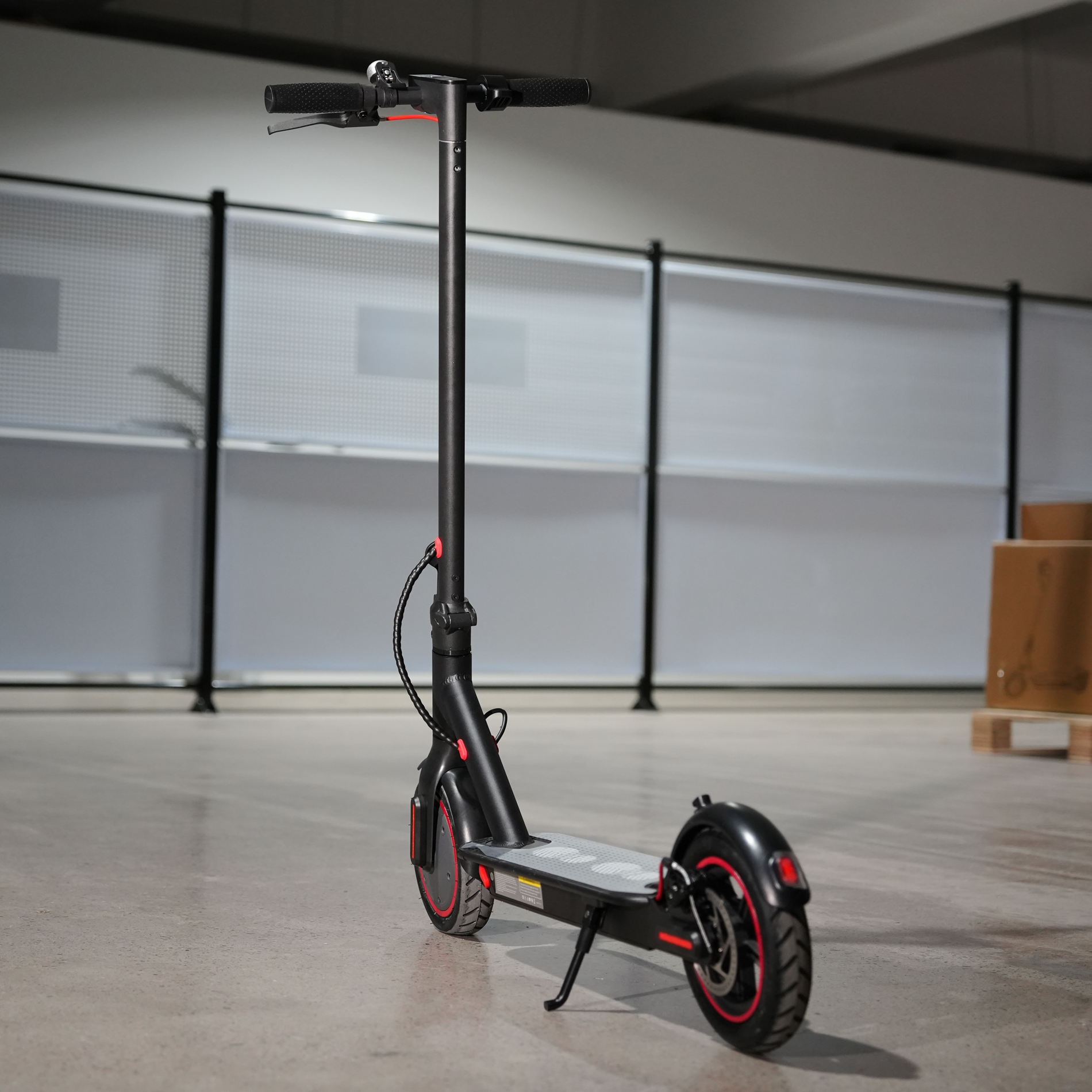
EZBKE’s Sharing Scooter category spells out the spec logic pretty clearly: IP65-rated, коммерческие батареи (1500+ циклов), Блокировка GPS/Bluetooth, plus bulk OEM customization like branding, payment terminals, and city compliance kits. (ezbke.com)
Now, here’s how I’d map the three relevant SKUs to real deployment setups.
Лучший складной электрический скутер для поездок на велосипеде оптовик
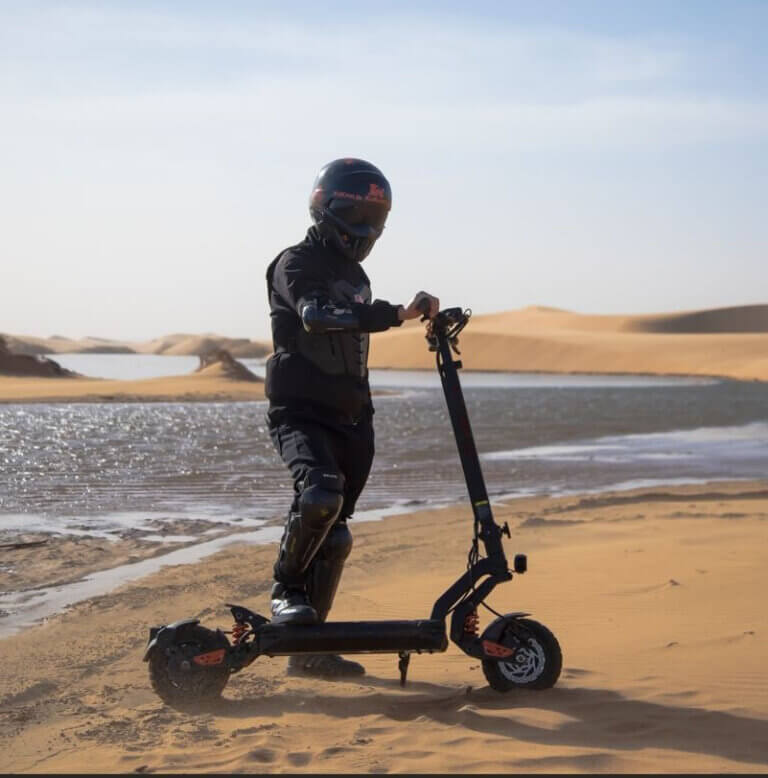
Супер S fits city rentals, campus mobility, and last-mile logistics, and it’s built around all-weather + fleet handling: IPX7-rated components, solid tires, drum brakes + EABS, and sharing fleet positioning. (ezbke.com)
If you run dense CBD zones with tight parking bays, the foldable/compact angle helps, and ops staff can reposition units easier.
FS Pro мобильность электрический мотор скутер для взрослых поставщик
FS Pro leans into fleet pain points: безвоздушные шины, swappable batteries, 4G-связь, “regulation-ready” configuration, and white-label readiness. (ezbke.com)
If your city has curb-jump abuse and wet roads, that rugged spec is the right vibe. Less flats, less field drama, more units actually earning.
S1 складной электрический скутер для взрослых 300 фунтов завод
S1 is your “inclusive fleet” option: higher load, IP67-rated controller/battery, non-inflatable tires, and a spec that aims at heavy-use sharing or bulk orders. (ezbke.com)
This one works well in resorts/campuses where you want fewer “sorry you can’t ride” moments. Accessibility = better conversion, simple.
Финальный дубль
If you want a clean rule:
- Choose sharing when you can enforce zones, manage parking, run battery swaps, and keep downtime low with a real stack (IoT + SaaS + SOPs).
- Choose renting when your riders repeat daily and you want stable usage with less street chaos.
Either way, don’t buy “consumer scooters” and hope for the best. Use sharing-grade specs (IP rating, commercial cycle life, locks, telematics), then pick a SKU mix that matches your city rules and rider profile. EZBKE’s Sharing Scooter lineup (Urban M) is already organized around that logic. (ezbke.com)