


-
414 Block B, ZT Times Plaza, Wuhan, Hubei, China

Blog
Pros and Cons of Rear-Hub vs Mid-Drive Motors
Ask ten buyers which motor is “better,” and you’ll get ten fast answers, most of them based on spec-sheet theater, dealer talk, or one test ride that happened on a flat road in nice weather. That’s usually how it goes. Not great.
Because the real question isn’t which system wins. It’s which one fits the job, the rider, and the sales channel without turning into an after-sales headache three months later. I frankly believe that’s where a lot of people get it wrong. They compare motors in a vacuum. Bikes don’t live in a vacuum.
For EZBKE, this isn’t some abstract debate. The Urban M electric bike category already shows the split pretty clearly: folding commuters, daily-use city bikes, longer-range options, and cargo-ready units built for wholesale, OEM, and ODM programs. So motor choice isn’t just a riding detail. It shapes sell-through, service load, and buyer confidence too.
Rear-Hub vs Mid-Drive Motors: What’s the Real Difference?
A mid-drive motor sits around the bottom bracket, right where the crank area lives, and pushes power through the drivetrain, which means it can work with the bike’s gears when the road gets steep, messy, or loaded. A rear-hub motor does something more direct. It drives the back wheel itself.
Simple difference. Big consequences.
That layout changes how the bike climbs, how it feels under you, how the weight sits, and how much wrench time a dealer or fleet operator may end up burning later. From my experience, people notice that last part a bit late.
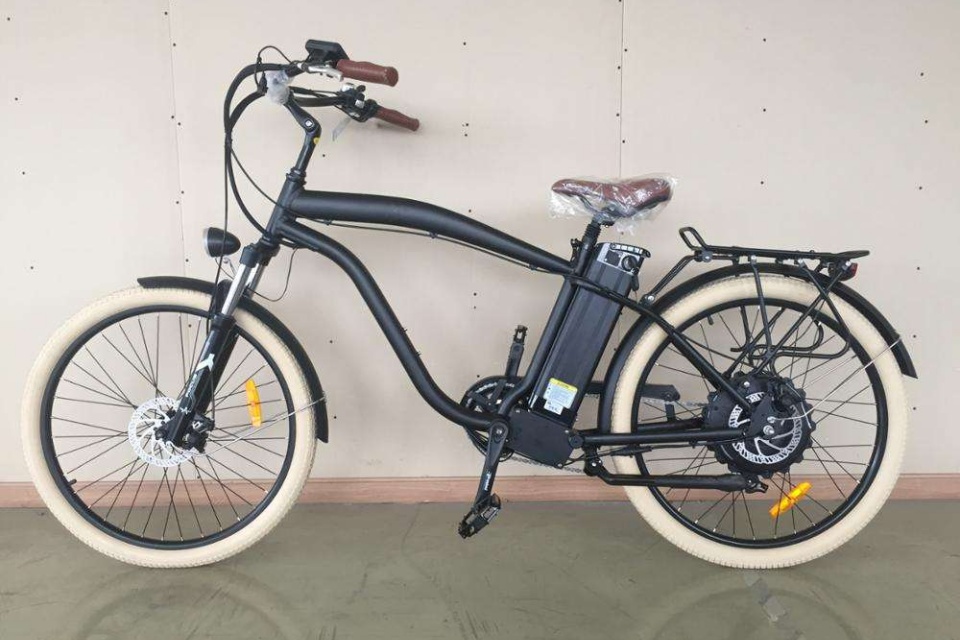
Rear-Hub Motor Pros and Cons
Why rear-hub motors make sense for city commuting
Here’s the thing. Rear-hub systems keep showing up in city bikes because they make sense for normal people doing normal rides. Flat roads. Stoplights. Apartment storage. Coffee runs. Office commutes. Last-mile stuff that doesn’t need a drama queen of a drivetrain.
They’re usually easier to position in the market too. Quieter. More budget-friendly. Less intimidating for first-time e-bike buyers. That matters more than many brands admit, because not every customer wants to hear a TED Talk about torque curves and shifting cadence. Sometimes they just want the bike to go when they press the pedal. Fair enough.
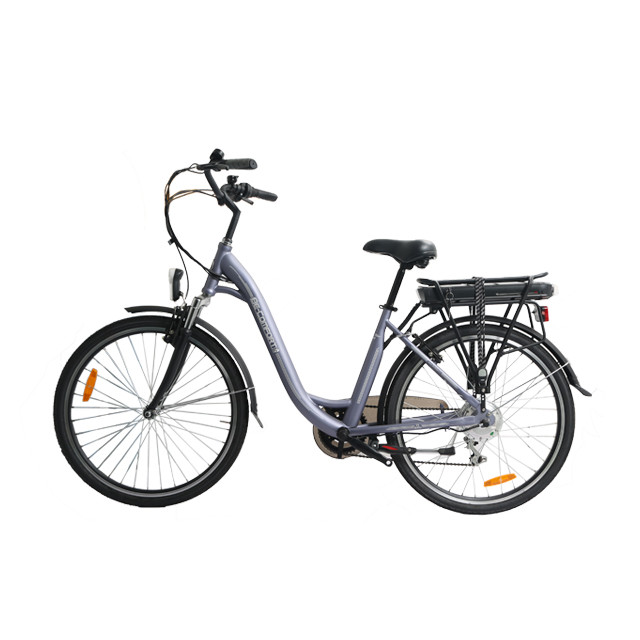
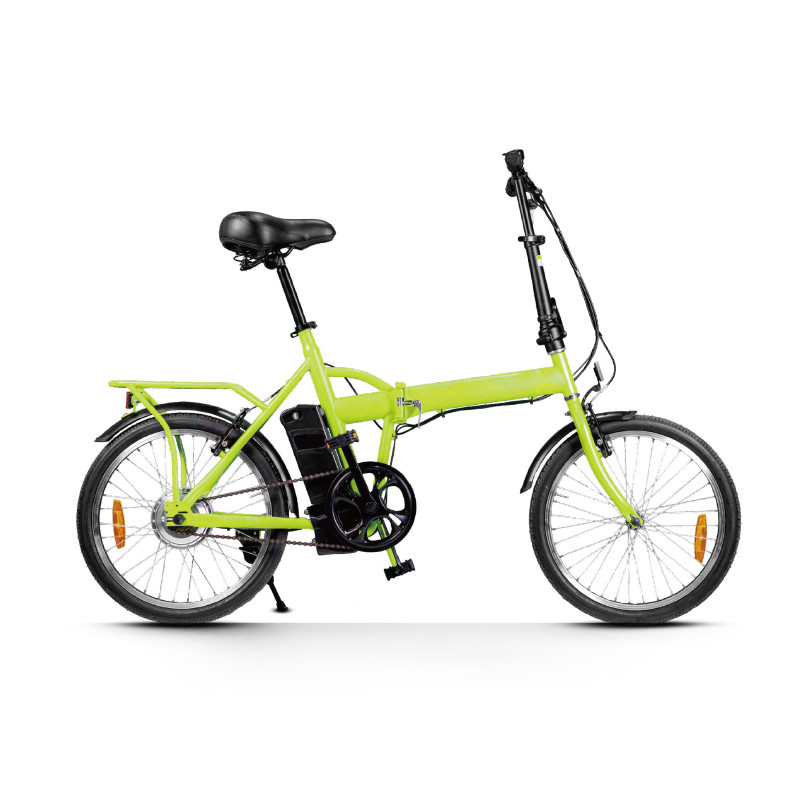
You can see that logic inside EZBKE’s commuter lineup. The B01 uses a 250W motor, up to 70 km range, a removable battery, and a low-maintenance setup that fits everyday urban riding pretty well. The C06 follows the same street-smart formula with a 36V/250W brushless hub motor, Shimano 6-speed gearing, and up to 70 km range for commuting and delivery work. Then there’s the M04, which leans into foldable urban use without overcomplicating the pitch. Different frames, same basic logic.
And that logic sells.
Especially in city channels, where simpler spec packages often move faster than “premium” bikes stuffed with features the average rider may never use.
Where rear-hub motors start to struggle
But—yeah—there’s a catch.
Rear-hub motors are fine until the route stops being easy. Once you throw in steep climbs, repeated starts under load, full grocery bags, or delivery cargo that’s heavier than it should be, the weak side starts showing. Bosch says hub systems don’t work with the bike’s gears in the same way, which hurts efficiency on hills and can even raise heat issues on steep grades. Polygon makes a similar point from a rider angle: rear-hub bikes can feel back-heavy, especially when racks, boxes, or panniers enter the picture. Not ideal.
The ugly truth? A bike can feel “fast enough” on the shop floor and still feel a bit cooked on a real incline with weight on it. Happens all the time.
There’s also the service side. Bosch points out that wheel removal is generally easier on a mid-drive bike because the motor isn’t sitting in the wheel itself. That matters when a fleet bike gets a flat on a busy week, or when a shop tech needs to move fast. Rear-hub bikes are simple, yes—but wheel-side service can get fiddly. Annoying, really. Not fatal. Just annoying.
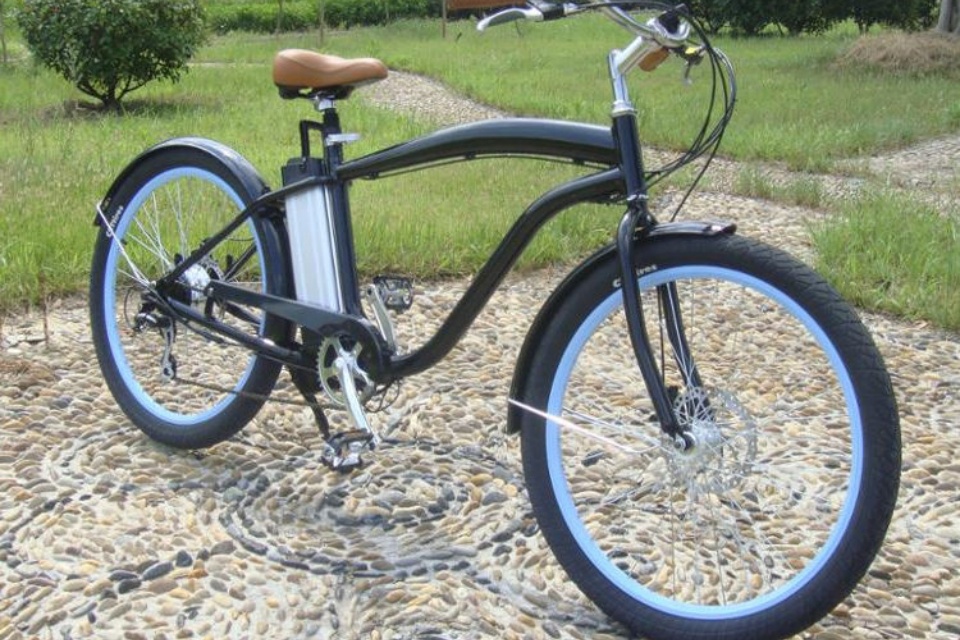
Mid-Drive Motor Pros and Cons
Why mid-drive motors feel better on hills, cargo, and longer rides
A good mid-drive setup just feels different. Not always louder on paper. Not always flashier. Just… more sorted.
Because the motor sits low and central, the bike usually feels more balanced, especially once speed picks up or the route turns uneven. Bosch highlights that central weight position and ties it to better stability and longer-range efficiency. Bicycling says mid-drives climb steep hills better because they can use the bike’s gears at low speed. Gazelle says much the same thing in simpler language: the ride feels smoother, more centered, and more natural.
That “natural” part sounds fluffy until you ride one.
Then you get it.
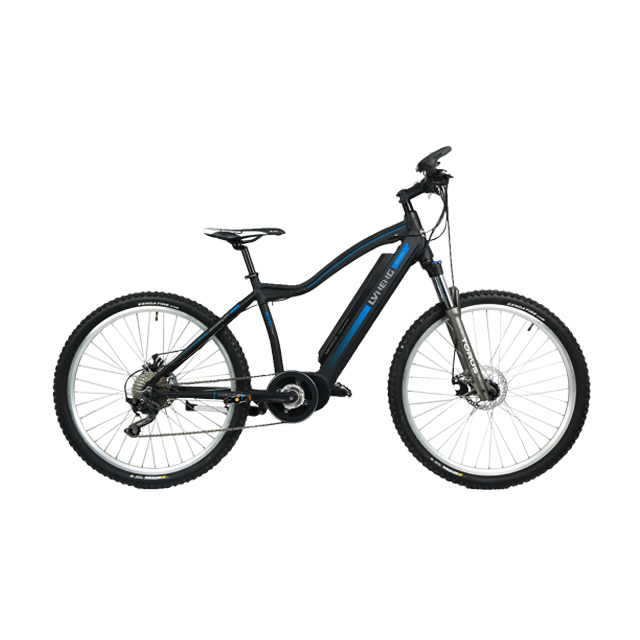
This is exactly where EZBKE’s mid-drive products start making real commercial sense. The LN26M01 uses an 8FUN mid motor, Shimano 7-speed gearing, disc brakes, 70 km range, and a 120 kg load capacity—good fit for urban transport, daily business use, or fleet work that actually needs climbing torque, not just brochure torque. The 350W Electric Cargo Bike goes even more practical with a Bafang mid-drive setup and dual-battery options for longer pedal-assist range. That’s proper last-mile territory. Real utility. Less gimmick.
And for cargo or repeat-use routes, gradeability matters. A lot.
Where mid-drive systems ask for more from the buyer
Now the downside. Because there is one.
Mid-drive bikes usually cost more, and they put motor power through the chain and gears. So while the ride can feel better, the drivetrain takes more load. That means chain wear, cassette wear, and shift quality matter more than they do on a rear-hub system. Gazelle directly notes that hub motors put less stress on the gears, and Bicycling explains why mid-drive systems often rely on better shift management and gear sensing. In plain English: performance goes up, but so does the need for a cleaner setup and smarter maintenance.
It’s not a flaw, exactly. More like a trade-off.
A real one.
Rear-Hub vs Mid-Drive Motors Comparison Table
| Decision point | Rear-hub motor | Mid-drive motor | Best fit | Sources |
|---|---|---|---|---|
| Hill climbing | Weaker on steep grades because it does not leverage bike gearing well | Stronger on climbs because it works with the drivetrain | Hilly cities, loaded riding | S1, S2, S3, S4 |
| Ride balance | More rear-weighted, especially with racks or cargo | More centered and natural feeling | Premium commuters, daily riders | S1, S2, S4 |
| Efficiency and range | Fine for flatter routes | Usually more efficient on long rides and hills | Long-range commuting | S1, S2, S3 |
| Drivetrain wear | Less stress on gears and chain | More drivetrain load | Low-service commuter fleets | S2, S3 |
| Flat tire / wheel service | Wheel work can be more involved | Easier wheel removal | Dealers, fleet maintenance | S1 |
| Entry price | Usually easier to position for budget buyers | Usually higher-spec and higher-price | Entry-level city e-bikes | S2, S4 |
| Quiet urban riding | Strong fit | Good, but often chosen for performance first | Flat-city commuting | S4, S5 |
| Cargo and delivery | Okay for lighter jobs | Better for heavy loads and repeated climbs | Last-mile, logistics, family cargo | S2, S3, S7 |
Source notes
- S1 Bosch: mid-drive gives central balance, better hill efficiency, longer range, and easier wheel removal for flats.
- S2 Gazelle: mid-drive feels more balanced and efficient; hub-drive is usually cheaper, often includes throttle, and puts less stress on gears.
- S3 Bicycling: mid-drives climb steep hills more efficiently because they use the geared drivetrain.
- S4 Polygon: rear-hub motors are affordable, low maintenance, and quiet, but less efficient on hills and more rear-weighted.
- S5 EZBKE commuter examples: B01, C06, F20, M04, and LN26M03 show the urban, folding, and commuter side of the lineup.
- S6 Urban M / EZBKE category: the range covers folding, commuter, cargo, and wholesale OEM/ODM use cases.
- S7 EZBKE mid-drive examples: LN26M01 with 8FUN mid motor, and 350W cargo bike with Bafang mid-drive and dual-battery cargo positioning.
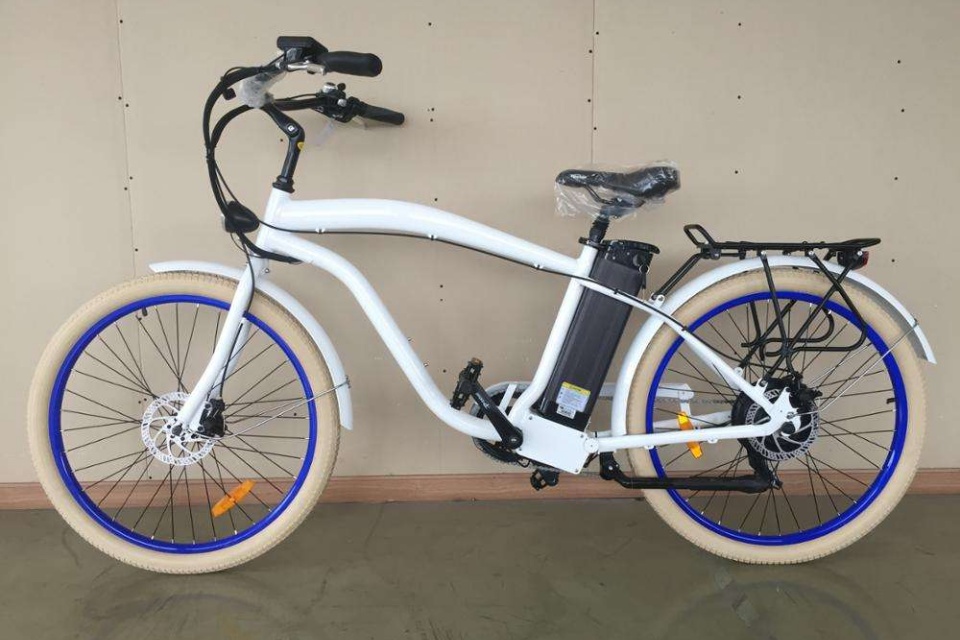
Rear-Hub vs Mid-Drive Motors for Real Electric Bike Use Cases
Urban commuter electric bike
Picture the buyer. He lives in a city apartment, rides on mostly flat roads, wants something easy to park, easy to explain, and easy to resell later if needed. That buyer usually doesn’t need a mid-drive system, no matter how sexy the sales pitch sounds.
For that kind of use, rear-hub often wins on practicality alone. It keeps the build clean. It keeps the messaging clean too. Models like B01, C06, LN26M03, and F20 speak to that commuter logic really well: moderate speed, sensible range, folding convenience in some cases, and less friction for first-time riders. In channel terms, that can mean easier onboarding, fewer objections, and faster movement through dealer inventory.
Nothing fancy. Just smart.
Electric cargo bike and delivery fleet
Yet once the bike becomes a workhorse, the conversation changes fast.
Cargo, delivery, and fleet use are harder on everything—motors, wheels, brakes, riders, even customer expectations. That’s where a mid-drive starts earning its keep. Not because it sounds premium, but because it handles load transfer, hill starts, and sustained pulling force better in the real world. EZBKE’s LN26M01 and 350W cargo bike sit right in that zone. Bosch, Gazelle, and Bicycling all back the same core idea: if the route is steep or the payload is real, mid-drive has a strong edge.
And for B2B buyers, that edge can mean less downtime. Fewer complaints. Better fleet confidence.
Which, honestly, is the stuff that counts.
Folding electric bike for wholesale buyers
Folding bikes are a different beast. Storage matters. Portability matters. Simplicity matters. Buyers in this segment usually care more about compact packaging and easy city use than they do about max hill-crushing torque. So rear-hub setups often fit better here.
That’s why F20 and M04 feel commercially sharp for urban retail, rental channels, and practical wholesale programs. Inside the Urban M line, that kind of compact, no-nonsense build has a very clear place. It’s not trying to be everything. Good. Bikes that try to do everything usually end up doing a lot of things only halfway decent.
Which Electric Bike Motor Should You Choose?
So, which one should you choose?
Here’s my blunt take. If your buyer wants a city commuter, a folding e-bike, a quieter everyday ride, or a more budget-friendly package that’s easier to push in volume, a rear-hub motor is often the safer call. If your buyer is dealing with hills, cargo, repeated delivery work, or just wants that more planted, bike-like ride feel, a mid-drive motor makes more sense.
That’s the split.
Not “good vs bad.” Not “old tech vs new tech.” Just fit.
For EZBKE, that means portfolio matching matters more than motor mythology. Urban commuter and folding products can stay rear-hub and stay commercially lean. Cargo, fleet, and premium-feel models can lean mid-drive and justify the added complexity with real-world performance. For OEM/ODM buyers, that choice affects more than ride feel—it touches service loop, spec positioning, dealer confidence, and long-term channel health.
And yeah, that part gets overlooked way too often.