


-
414 Block B, ZT Times Plaza, Wuhan, Hubei, Chiny

Blog
How EU Emissions Policy Is Driving E-Bike Sales
You can feel it before you even open the policy PDFs. Walk around enough European cities, talk to a few dealers, sit in on a fleet call, and the pattern starts showing itself: e-bikes aren’t moving only because riders suddenly got romantic about pedals. They’re moving because regulation, city planning, and buying behavior are finally pointing in the same direction. That doesn’t happen often. When it does, the market usually reacts fast.
And honestly, that’s the part a lot of people miss.
It’s easy to say e-bike growth is about sustainability. Nice word. Broad word. But the real story is messier than that. A procurement manager doesn’t wake up thinking about “saving the planet” in abstract terms. They’re thinking about LEZ access, parking headaches, delivery uptime, rider comfort, service intervals, battery range anxiety, and whether the SKU will still make sense when the next municipal tender lands. That’s where EU emissions policy starts to matter. Not in slogans. In the grind.
European Declaration on Cycling and e-bike demand
But here’s where the tone changed at the policy level. The European Declaration on Cycling didn’t treat cycling like a weekend hobby or some wellness side project. It pushed cycling into the middle of climate policy, transport planning, public health, industrial strategy—the whole stack. And for this discussion, the line that matters is simple: e-bikes help with longer distances, help SMEs, help older riders, and help people who need more accessible mobility. That’s a very different framing. It means rowery elektryczne are being treated like useful transport hardware, not just a lifestyle toy.
I frankly believe that one shift in language matters more than people think. Once lawmakers and city planners stop seeing the category as niche, the whole downstream pipeline changes—budget logic, infrastructure priorities, subsidy design, leasing, public procurement, even dealer confidence. The wording doesn’t look sexy. Still, it moves product.
More cycling infrastructure, safe parking, and e-bike charging
Here’s the ugly truth: policy doesn’t sell bikes by itself. Streets do. Storage does. Charging does. If the ride feels unsafe, if parking sucks, if theft risk is high, if there’s nowhere to top up an e-bike, the conversion funnel leaks everywhere.
That’s why this part matters.
The declaration backs safer cycling infrastructure, connected urban networks, secure parking, and support for e-bike charging. It also notes that member states can use reduced VAT rates for bike and e-bike supply, rental, and repair to make access easier. That’s not fluffy language. That’s market plumbing. And when the plumbing improves, sell-through usually improves too—slowly at first, then all at once.
From my experience, buyers don’t just buy a frame and motor. They buy a use case. If the city quietly de-risks that use case with lanes, parking, charging, and better policy cover, demand gets less fragile. Less speculative. More real.
Electric bike subsidies in France and Spain
Now let’s get practical, because this is where the market stops talking and starts ordering.
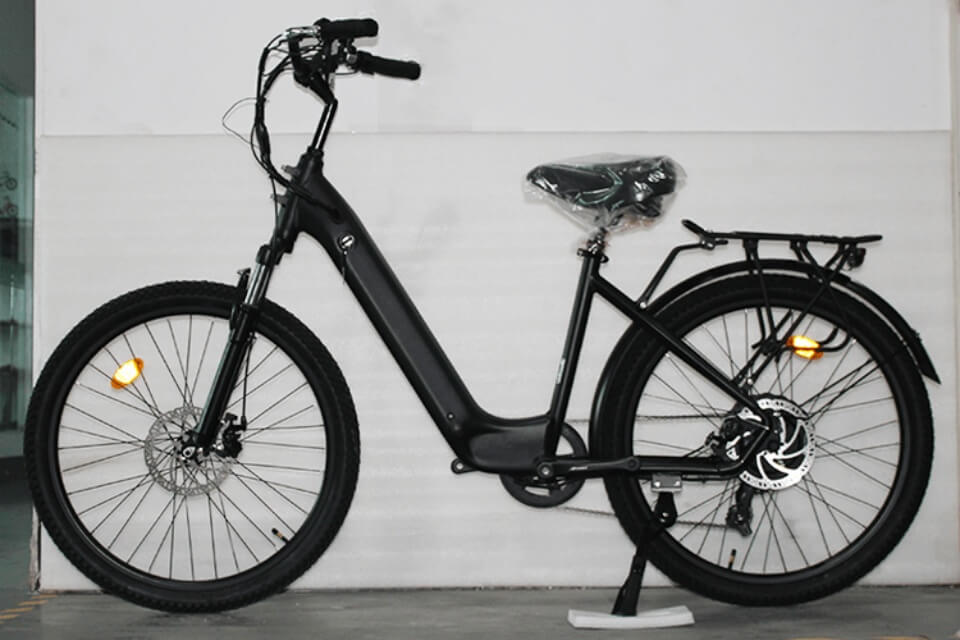
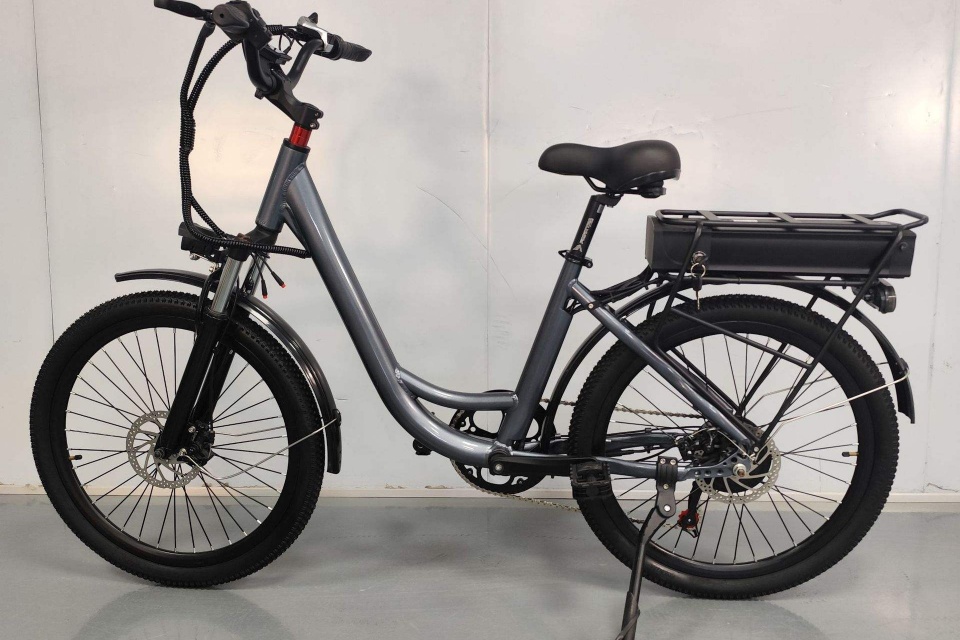
France expanded its car-to-e-bike exchange support so that some people in low-emission urban zones could get support by trading in a car for an e-bike. Spain also rolled out public funding tied to urban bicycle mobility, with support aimed at daily city use and shared systems. That’s direct demand stimulation, plain and simple. It reduces one of the biggest friction points in the category—the upfront spend—and it does it in a way that aligns with city transport goals.
Yet the more interesting thing isn’t just the subsidy itself. It’s where the money is trying to send the category.
France connects the support to low-emission zones and car replacement. Spain connects it to everyday city transport and shared mobility. That’s not random. It tells you where the category is being normalized: commuting, utility riding, urban errands, fleet usage, and light logistics. Not just leisure. Not just hobby traffic. Real daily churn. The kind of usage that creates repeat orders, dealer stickiness, parts demand, and aftersales revenue. That’s the channel math people should pay attention to.
Company bike leasing, ETS2, and urban mobility
However, retail subsidy is only one lever. The smarter lever—the one that can turn into a durable volume engine—is leasing.
Across the EU, e-bike uptake has been supported by better infrastructure, environmental policy, and the sharing economy. Fiscal tools have also helped in some markets. And that makes perfect sense. Leasing smooths the buying decision. It turns a lumpy consumer purchase into a structured mobility package. For employers, that matters. For distributors, even more.
This is where the category gets sticky.
A one-off buyer can disappear. A leasing channel, a company mobility scheme, or a fleet account has legs. It brings service needs, accessory demand, replacement cycles, and sometimes whole batches under one PO. People in the trade know this already. That’s why B2B e-bike conversations now sound less like bike-shop chatter and more like mobility ops: TCO assumptions, fleet uptime, rider onboarding, turnaround time, charger management, spare-parts planning. Different game. Sorry—different business. Better said.
At the same time, the EU is tightening pressure on road transport emissions. You don’t need to overcomplicate it. When conventional road transport faces more climate pressure and cities keep chasing cleaner air targets, lighter electric mobility gets more breathing room. More relevance. More internal justification inside companies that were already on the fence.
The numbers behind the argument
| Policy signal | Concrete evidence | Why it matters for e-bike sales | Źródło |
|---|---|---|---|
| EU cycling policy | E-bikes are recognized as useful for longer trips, SMEs, older riders, and people with reduced mobility | Expands the buyer base beyond hobby riders | Komisja Europejska |
| Infrastructure support | EU commits to safer cycling networks, parking, and e-bike charging | Better streets usually means better usage, then better reorder rates | Komisja Europejska |
| Affordability tools | Reduced VAT options, bike rental, repair support, and subsidy schemes | Lowers the entry barrier for users and fleets | European Commission / Urban Mobility Observatory |
| National subsidy programs | France offers car-swap support for e-bikes; Spain funds e-bike purchases and bike-sharing | Demand gets pulled forward, specially in urban mobility | EU Urban Mobility Observatory |
| Leasing and fleet policy | Germany and Belgium show leasing can lift cycling uptake and e-bike sales | Helps dealers, employers, and fleet operators build repeatable programs | Cycling Industries Europe |
| Real-world emissions impact | German study found e-bike ownership shifts trips away from cars and public transport, with annual CO2 savings per person | Proves the category solves a real policy problem, not just a marketing one | Transportation Research study |
The table above reflects the policy logic behind the market: support cycling, make e-bikes easier to use, lower access barriers, and demand follows.
Electric cargo bike, folding commuter e-bike, and OEM/ODM sourcing
Now, this is where the commercial read gets sharper. Because policy pressure alone doesn’t close deals. Product fit does.
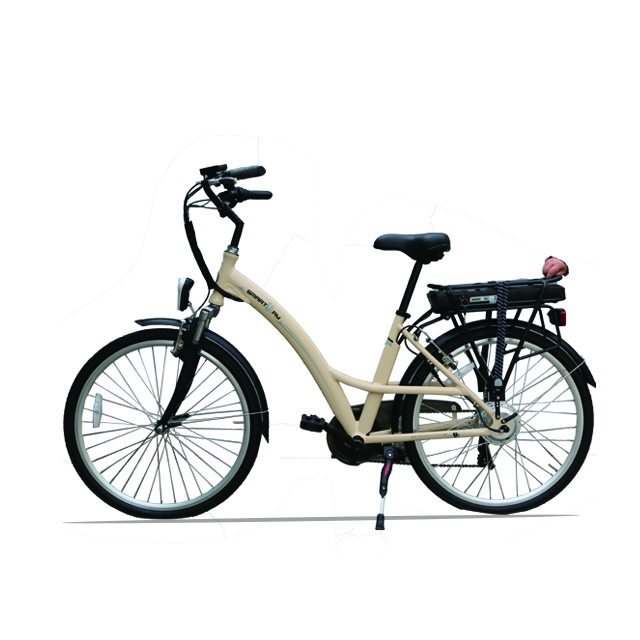
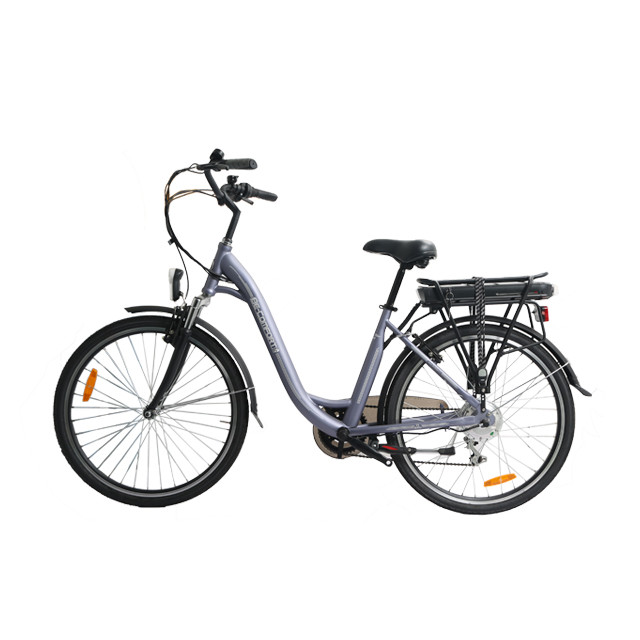
On the Urban M side, the Rower elektryczny category already leans into OEM electric bicycle solutions, custom builds, volume production, IoT diagnostics, cold-weather battery options, and wholesale supply. That matters because the EU market isn’t asking for one universal model. It’s fragmenting by scenario—commuter, cargo, folding, utility, fleet, dealer program, branded ODM line, you name it. So when a supplier shows range depth instead of one hero SKU, buyers usually take that more serious. Rower elektryczny
Dla last-mile delivery and utility work, the alignment is pretty obvious. The site’s Elektryczny rower cargo o mocy 350 W z podwójnym akumulatorem i wytrzymałym bagażnikiem is framed for logistics, delivery, and urban transport, with front and rear racks and longer riding range. The 3-kołowy rower elektryczny 750 W z dużym przednim bagażnikiem pushes into urban delivery and family transport with a more stable three-wheel setup and a big front box. In cities where access rules are getting tighter and last-mile windows matter more, cargo e-bikes stop being “interesting.” They start becoming workflow equipment.
And then there’s the commuter slice, which is still huge.
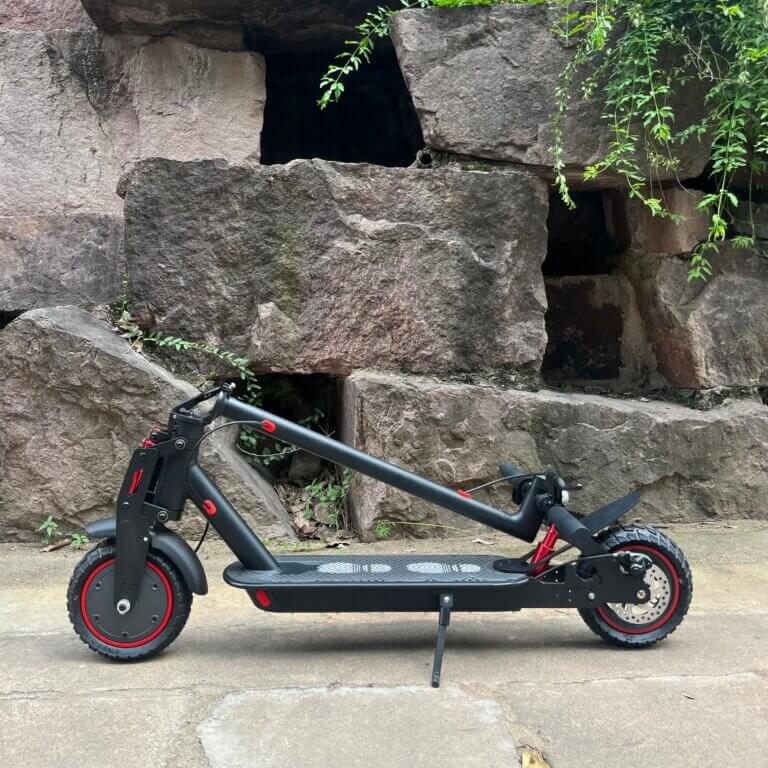
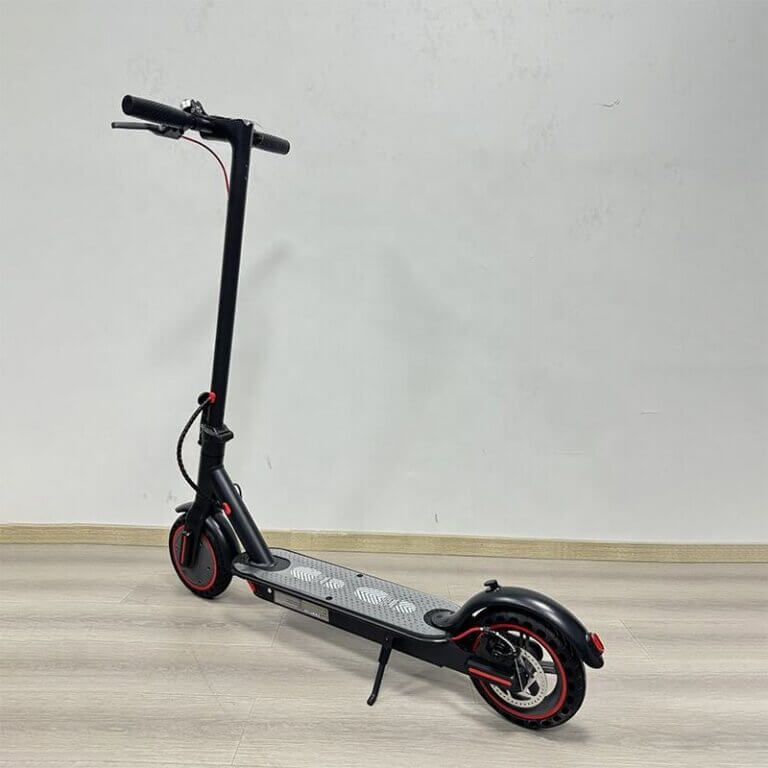
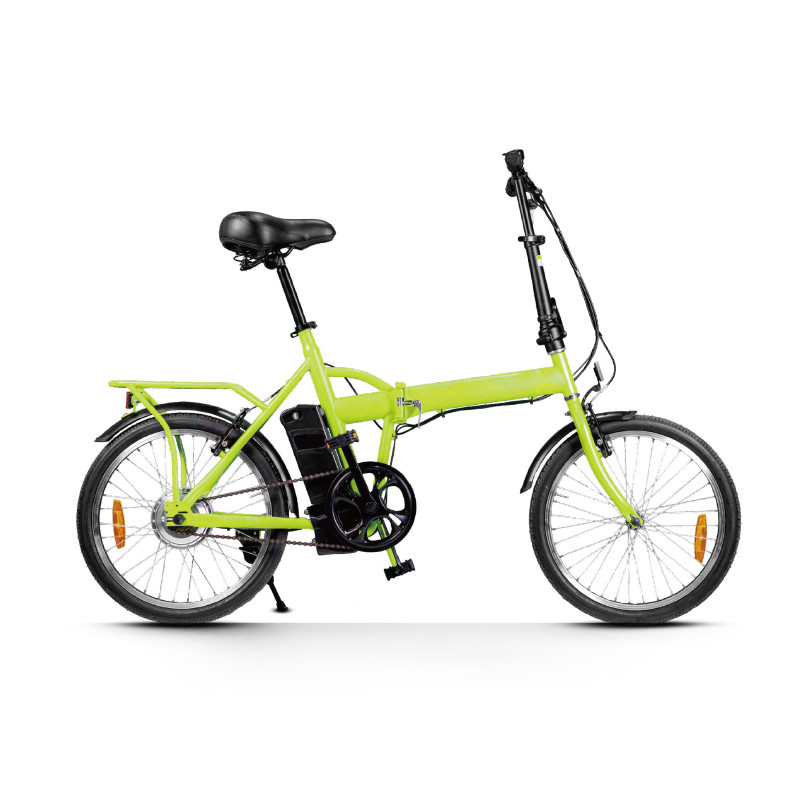
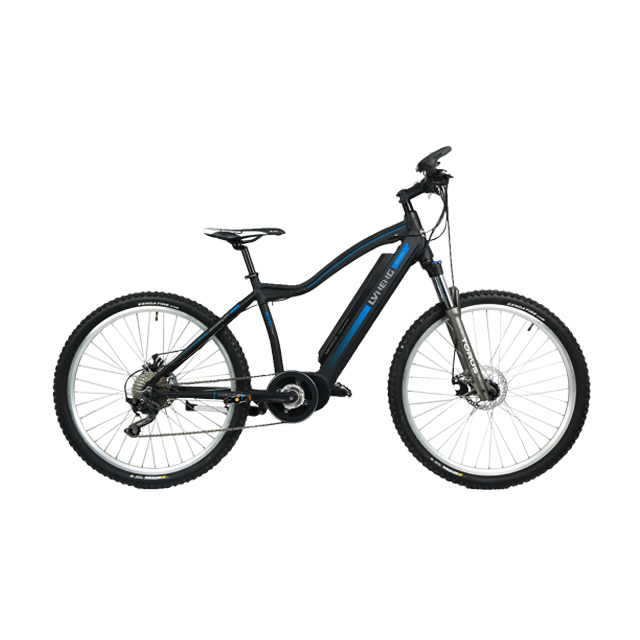
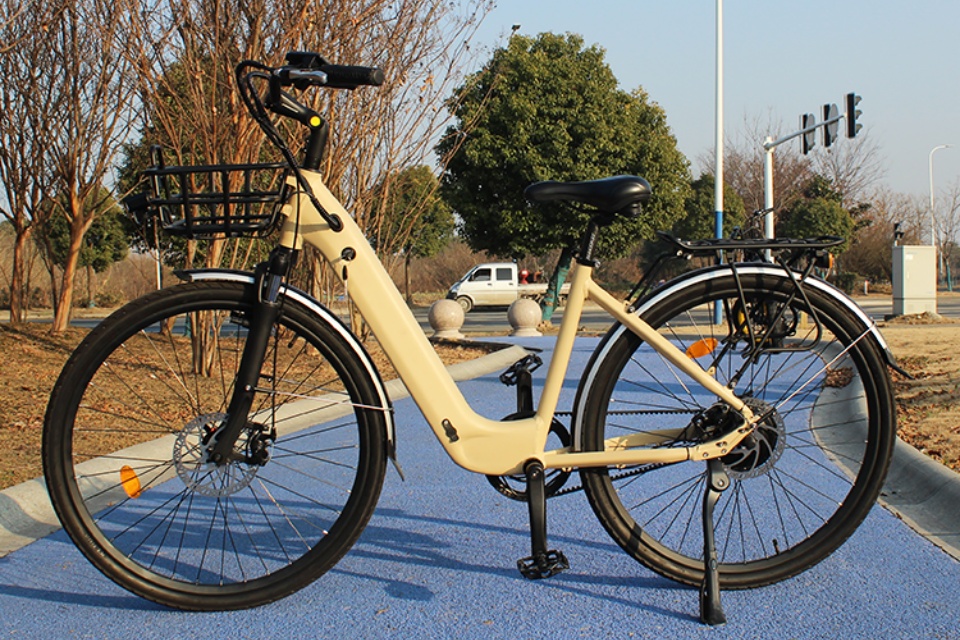
The Mały składany elektryczny rower miejski F20 hurtownia fits mixed-mode commuting and tighter storage conditions, which frankly is a real issue in dense urban markets. The Producent szybkich rowerów elektrycznych z napędem średnim C02 30 mph looks more like a channel-ready option for wholesalers and custom orders that want stronger urban spec positioning. The B01 - najlżejszy dostawca hiper-elektrycznych rowerów długodystansowych leans into long-distance practicality and everyday riding. Put those together and you get a lineup that can speak to different buyer pain points without forcing awkward spec creep into one frame platform. That’s smart. Messy markets need flexible product architecture. One bike won’t do the job. It just won’t.
Why this matters for buyers, distributors, and fleet operators
But let’s be real for a second. Too many suppliers still pitch e-bikes like buyers only care about top speed and a clean render. That’s old thinking. In Europe, especially now, the stronger sales story is operational: fit for LEZ-adjacent use, battery reliability, serviceability, pack-out efficiency, dealer margin room, OEM/ODM flexibility, and whether the bike actually suits the rider scenario it’s being sold into.
That’s where buyers get burned, by the way. Wrong fit. Wrong segmentation. Nice spec sheet, weak channel logic.
Urban M naturally sits in a better position here because the lineup already speaks to bulk orders, private-label or custom projects, and scenario-based sourcing. Commuter bikes for daily city use. Cargo platforms for urban logistics and family hauling. Foldable formats for compact transport and storage. That’s a better read on where demand is going. Not flashy—just useful.
Conclusion: EU emissions policy is creating real e-bike demand
So yes, EU emissions policy is pushing e-bike sales. I don’t think that’s really debatable anymore. What’s debatable is who’s actually prepared to capture that demand well.
Because the growth isn’t coming from one magic rule. It’s coming from a pile of forces hitting the market at once—climate targets, cycling networks, parking, charging access, subsidy programs, bike sharing, company leasing, and tougher pressure on high-emission transport. Add the evidence that e-bike ownership can shift trips away from cars, and the case gets much stronger than a feel-good green narrative. It becomes a mobility business story.
And that’s the real point.
If your electric bike lineup is built for actual urban jobs—commuting, cargo, fleet use, daily transport—you’re not chasing a trend. You’re aligning with where the market is already heading. Usually slower than hype says. Usually faster than late movers expect.