


-
414 Blok B, ZT Times Plaza, Wuhan, Hubei, China

Blog
Reddit Complaints About Shared Scooters
Search “Reddit Complaints About Shared Scooters” for five minutes and you start seeing the same street scene play out again and again: a scooter dumped half across the sidewalk, somebody in the comments saying “these things are a plague,” another person defending micromobility like it’s some holy mission, and a local operator staying weirdly quiet while the curbside turns into a mess. That’s the pattern. Over and over.
And I frankly think that tells you something important.
People usually don’t hate scooters in the abstract. They hate the street clutter, the sloppy parking, the sketchy rider behavior, and the feeling that nobody is really managing the fleet once the units are out in the wild. That’s why the issue keeps escaping Reddit and showing up in 311 logs, city council debates, policy papers, and hard data from Rosslyn, Washington DC, Auckland, Austin, and Europe. It’s not just online drama. It’s ops debt—curbside ops, fleet ops, compliance ops—all piling up in public view. Ugly combo.
Reddit Complaints About Shared Scooters
Shared scooter parking complaints
A rider leaves one unit sideways across a narrow pavement. That’s it. One bad park job, one dumb photo, one angry post—and suddenly the whole fleet looks like a nuisance brand instead of a mobility service. People remember what blocks them. They don’t remember the clean deployments.
Here’s the ugly truth: the parking complaint isn’t just “people being dramatic online.” A Rosslyn study found that 16% of observed shared e-scooters were parked improperly, and 6% blocked the pedestrian right-of-way. Austin told a similar story from another angle. Researchers looked at 4,191 311 reports and found repeated complaints tied to sidewalk obstruction and public-space intrusion. So when Reddit users say, “These scooters are everywhere,” they’re reacting to a real curb-management problem—even if the visual clutter sometimes makes the problem feel even bigger than it is. That happens. A lot.
But what makes this worse is perception spillover. A handful of badly parked units can torch the optics for hundreds of correctly parked ones, because the street doesn’t grade on a curve. It only shows people what’s in front of them. If that snapshot looks chaotic, the brand equity gets chewed up fast. No mercy.
Shared scooter safety concerns
But parking is only one side of the mess.
The safety complaints hit harder because they feel personal. Somebody almost gets clipped in a pedestrian zone. A rider cuts through a crossing too hot. A unit shows up where foot traffic is already dense and messy and the whole thing starts to feel like the operator dumped rolling metal into an already overloaded right-of-way and hoped for the best. That’s not a good look.
The EU’s road-safety report lays it out pretty clearly: common shared e-scooter injuries include head injuries, fractures, and face or neck trauma, and many crashes happen because of simple falls rather than cinematic high-speed impacts. Still, the worst outcomes often involve heavier vehicles, which is exactly why city officials get nervous once usage scales. From my experience, procurement teams and local partners may geek out over motor spec, battery config, or deck geometry on the first call—but when regulators start asking questions, the conversation shifts fast to braking, lighting, durability, rider conduct, and whether the operator can actually keep the thing under control in mixed traffic.
That’s the street-level reality. Not pretty.
Shared scooter sustainability debate
Yet the green narrative? That one gets fuzzy real quick.
Some buyers still treat “shared scooter” as shorthand for clean urban mobility, full stop. Others think that pitch is mostly marketing lacquer. I’m somewhere in the middle. A scooter can absolutely help with last-mile connectivity, short-hop commuting, and modal shift, but only if the deployment isn’t burning through rebalance miles, battery swaps, and short service life like crazy. Once the back-end gets sloppy, the sustainability story starts wobbling.
The Rosslyn data is useful here because it cuts through the feel-good fluff. Shared e-scooter trips there often replaced Uber, Lyft, or taxi trips, which sounds promising, but they also replaced a big chunk of walking trips. In Bristol, an EU Urban Mobility Observatory summary said 37% of reviewed trips would have been walked, while 19% would have been made by car. So yeah—there can be emissions upside, sure. But it isn’t automatic. If your fleet is cannibalizing walk trips while chewing through service van mileage on rebalance and maintenance loops, the “green” label starts looking shaky. Pretty shaky, actually.
And buyers know that now. The market got less naive.
Shared scooter complaints data and source summary
| Klacht trefwoord | What people mean in plain English | Hard evidence | What it means for operators and suppliers |
|---|---|---|---|
| shared scooter parking complaints | Scooters get dumped where people walk, park, or enter buildings | Rosslyn found 16% improper parking and 6% blocking pedestrian right-of-way. Reddit threads show complaints about blocked sidewalks, driveways, and storage exits. | Parking control is not a side issue. It is core ops. |
| shared scooter public space complaints | Cities feel private operators are using public space like a free warehouse | Austin researchers reviewed 4,191 311 reports and highlighted sidewalk and public-space intrusions as top violations. | If the fleet has no clear parking discipline, the brand gets dragged. |
| shared scooter safety concerns | Riders mix badly with walkers and cars | EU road-safety findings point to head injuries, fractures, many fall-related crashes, and severe outcomes when heavier vehicles are involved. | Safety spec, braking, lighting, tires, and rider rules all matter. |
| shared scooter clutter perception | Even a small amount of bad parking makes the whole system look messy | In DC and Auckland, baseline noncompliance sat around 15%–19%, while blocked access was about 5%–6%. Public respondents still tended to overestimate how often bad parking happened. | Visual order matters almost as much as actual compliance. |
| shared scooter regulation risk | Online complaints can turn into city bans | Prague approved a ban on shared e-scooter rentals from januari 2026 after complaints about sidewalk chaos, pedestrian-zone riding, and blocked spaces. | Weak ops today can become lost market access tomorrow. |
| shared scooter parking solutions | Users want rules that are obvious, not vague app warnings | DC’s lock-to rule cut blocked-access parking from 5.9% to 2.4% and noncompliant parking from 19% to 13%. Chicago saw 97.3% parking compliance and a 78% drop in complaints after physical locks. | Hardware plus visible parking infrastructure beats soft reminders. |
Foldable Electric Scooter and Sharing Scooter: What buyers should learn
Now let’s stop pretending this is only a content topic. It’s not. It’s a buyer problem.
If you sell into urban commuting, tourist mobility, campus rental, delivery, or shared mobility programs, those Reddit complaints don’t stay on Reddit. They roll downhill into fleet uptime, rebalance drag, service-ticket volume, curbside compliance exposure, dealer margin, and after-sales headaches. That’s where the pain sits. Not in the brochure. In the field.
A lot of buyers still open with the usual stuff—motor wattage, battery range, speed band, charge window. Fine. Standard sourcing talk. But underneath that, the real question is usually something more blunt: Will this scooter create less trouble once it’s actually deployed? Because if the answer is no, the rest of the spec sheet is basically wallpaper.
Foldable Electric Scooter for urban commuting
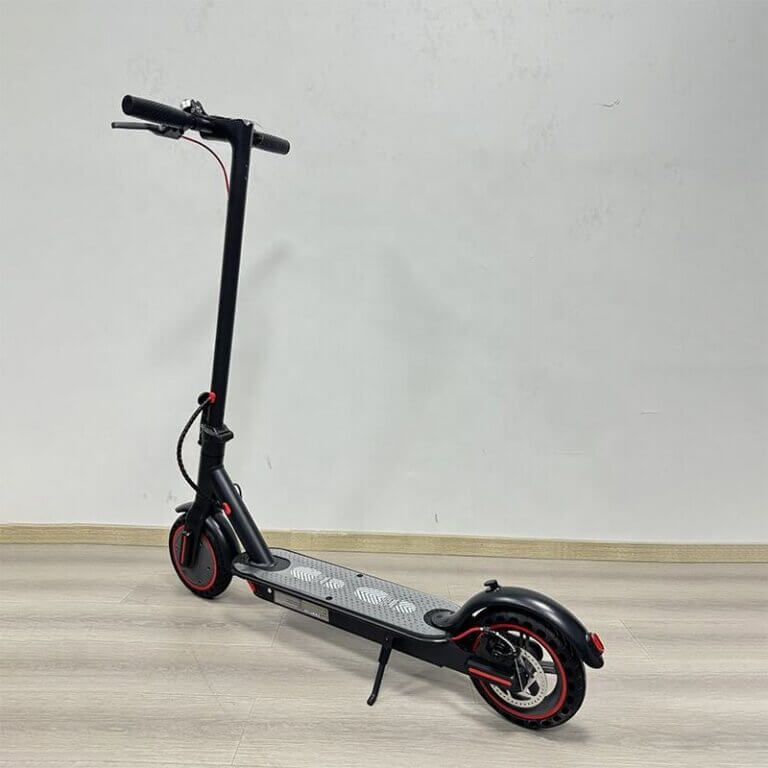
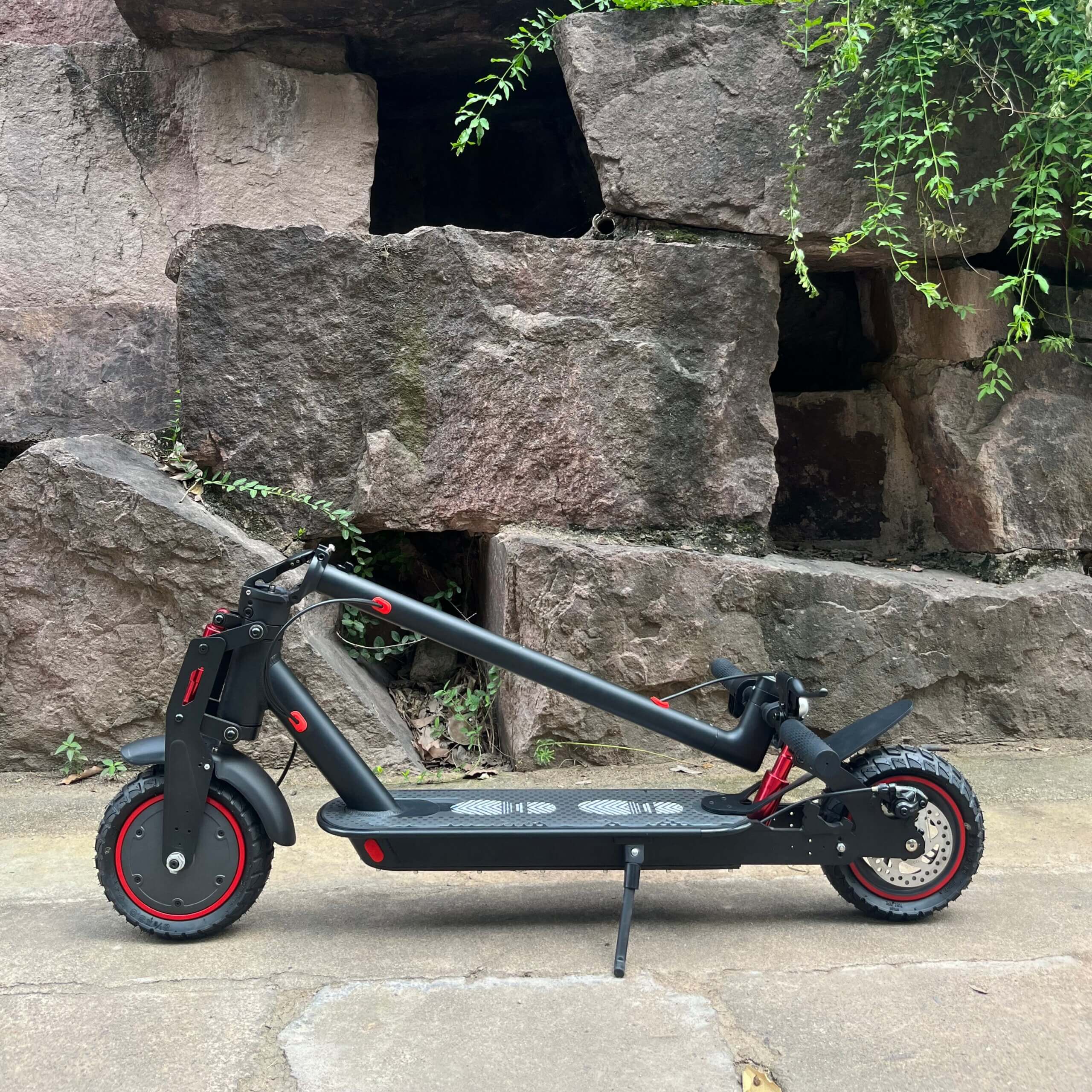
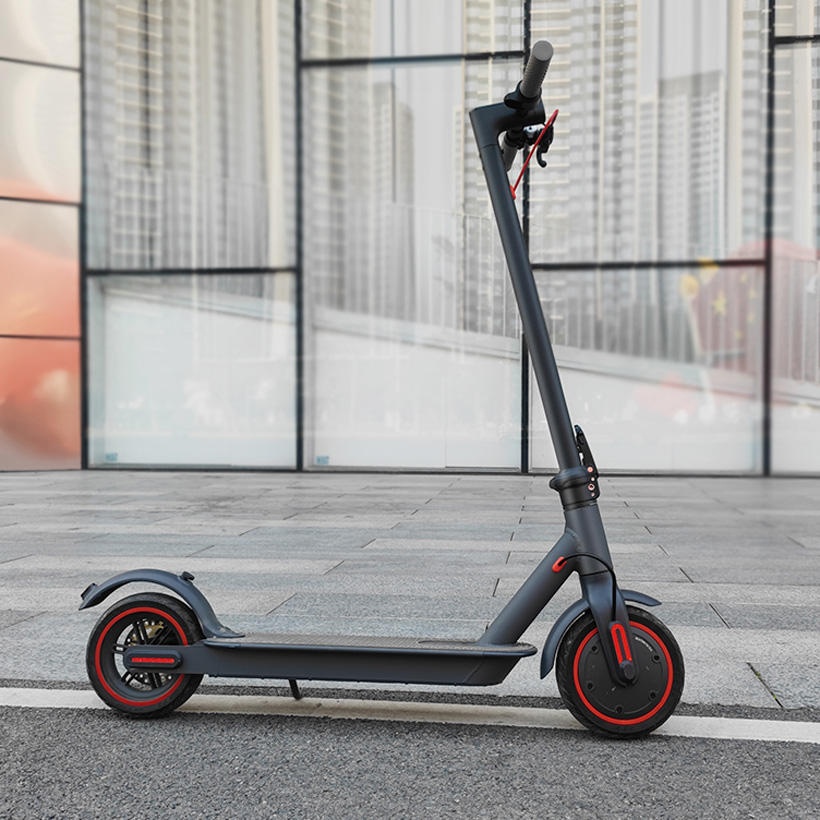
This is why the Opvouwbare elektrische scooter category matters. Not because “foldable” sounds futuristic. Because in real operations, compact storage, easier handling, and cleaner deployment matter more than a lot of shiny marketing copy. On the Urban M product category page, the foldable line is framed around urban fleets and shared mobility, met UL2272 certification, aircraft-grade hinges rated for 20k+ cycles, IP54 waterdichtheid, and OEM customization for branding, batteries, and logistics integration. That’s not just product dressing. That’s lifecycle thinking. If the hinge goes sloppy, if the waterproofing fails, if the frame gets loose under hard-use duty cycles, then the whole program starts leaking time and money through the back door—warranty loops, repair backlog, dead-on-arrival units, all of it.
De K1 elektrische motor opvouwbare scooter volwassen fabrikant page leans into the commuter side with 250W of 350W motoropties, 25 km/h or 30 km/h top speed depending on market, 35-40 km bereik, 3-4 uur charging, and a foldable aluminum frame. On paper, sure, that sounds clean and simple. In market terms, though, it’s a pretty usable spec band for short-hop commuting, rental pilots, apartment-friendly storage, and OEM projects that don’t need an overbuilt unit just to look impressive in a catalog. It works. Usually.
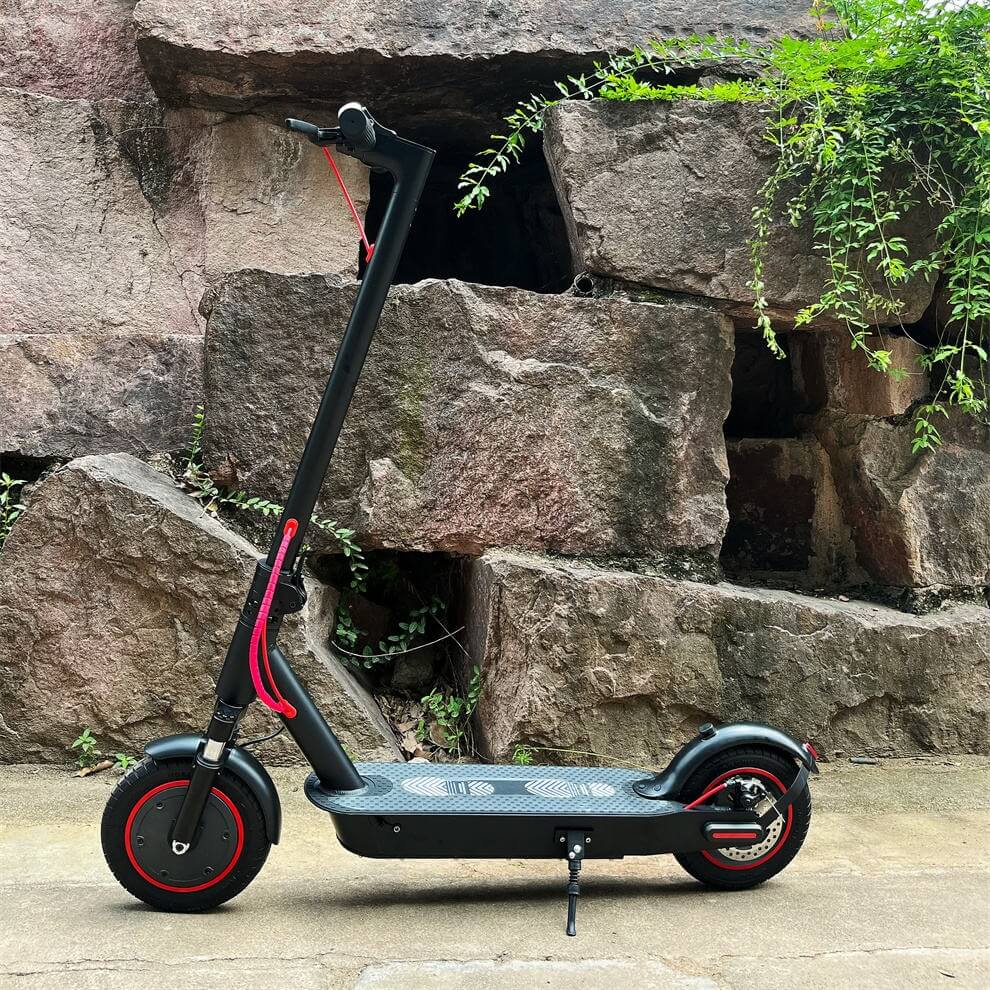
Dan is de K2 opvouwbare volwassen elektrische fiets scooter fabrikant page shifts the tone. More fleet-minded. More scalable. It shows a 450W motor, 25 km, 35 km of 50 km bereikopties, 18 kg net weight, and bulk loading details that matter once you’re talking shipment planning instead of one-off retail pieces. That flexibility matters because distributors and project buyers are usually juggling different deployment scenes at once—campus circulation, commuter routes, scenic-area rental, light last-mile movement—and they don’t want the hardware mix to become a maintenance zoo. Nobody does.
OEM/ODM shared scooter for campus rental and tourist mobility
But the bigger signal on Urban M isn’t just one product page or one set of numbers. It’s the manufacturing posture behind it. Urban M says it handles OEM/ODM, supports scooter delen en opvouwbare elektrische scooter programs, works with 50+ commercial customers, and brings 15 jaar of industry experience, a 35-day agile delivery cycle, and annual output above 35,000 units. For B2B buyers, that reads less like fluffy marketing and more like a basic supplier filter: can they scale, can they keep QC tight, can they hit batch consistency, can they adapt the platform for local compliance and fleet abuse without the project turning into a firefight three months later? That’s the real screening logic. Always has been.
And here’s something outsiders miss: shared mobility buyers don’t only need a scooter that rides well. They need one that survives rebalance churn, battery-cycle fatigue, curbside knocks, rider abuse, weather exposure, and service-bay reality without becoming a black hole for parts and labor. That’s where a lot of projects quietly fail—too much glamour up front, not enough deployment sense in the chassis, electronics, or support model.
Urban Mobility and Urban M: the real business takeaway
However, the main lesson here is dead simple. Cities aren’t rejecting mobility. They’re rejecting unmanaged mobility.
Once the curbside starts looking messy, once pedestrians feel like they’re losing space, once the operator can’t keep parking discipline under control, the political mood changes fast. Sometimes really fast. Prague is a clean example of that. Complaints stacked up. Sidewalk chaos became a public issue. Then the ban came. End of story.
So the smartest response to “Reddit Complaints About Shared Scooters” isn’t arguing with people online or pretending the complaints are overblown. Waste of time. The better move is fixing the failure points underneath them: parking compliance, rider guidance, visible fleet governance, tougher hardware, cleaner rebalance logic, and saner deployment planning. That’s the stuff that changes sentiment—not a prettier slogan.
And that’s exactly where Stedelijk M can fit in without forcing the pitch. Not with empty hype. With a sharper message: fleet uptime, compliance-ready design, OEM/ODM flexibility, batch stability, and less after-sales mess. Serious buyers understand that language because they live with the consequences when those pieces go wrong. Every day.