


-
414 Blocco B, ZT Times Plaza, Wuhan, Hubei, Cina

Blog
Pieghevoli per affitti nel campus e programmi di condivisione
Tabella argomentativa: affitti nel campus e programmi di condivisione (rivendicazioni + cosa fare + fonti)
| Argomento (parola chiave) | Cosa risolve (difficoltà dell'operatore) | Cosa costruire / applicare | Fonte |
|---|---|---|---|
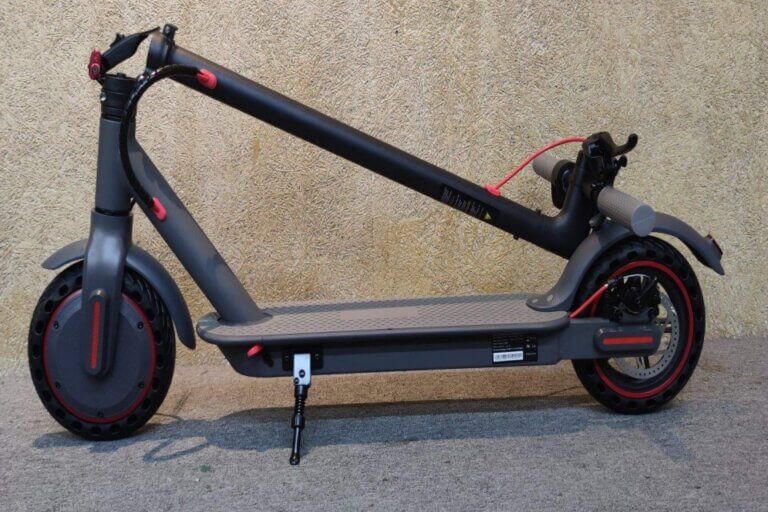
| Piegatura rapida (flotta pieghevole) | L'attrito tra conservazione e trasporto ne impedisce l'adozione | “Piegatura in ”un secondo", trasporto con una sola mano, tolleranza ridotta delle cerniere | |
| Rispetto delle norme di parcheggio (regole di parcheggio) | Reclami relativi al disordine sui marciapiedi + opposizione dell'amministrazione | Suggerimenti in-app + segnaletica + zone di parcheggio designate | |
| Geofence (zone a traffico limitato / zone vietate alla circolazione) | Rischio nelle aree ad alto traffico pedonale | Imposta i confini della geofence per le aree a velocità ridotta/vietate | |
| Divieti di ricarica in ambienti chiusi (sicurezza delle batterie) | Preoccupazioni per gli incendi nei dormitori → divieti o problemi di pubbliche relazioni | Passaggio a protocolli controllati di ricarica all'aperto + stoccaggio | |
| Ribilanciamento della flotta (operazioni di ribilanciamento) | I veicoli si accumulano dove non vorresti che fossero | Raccolta notturna + ricarica + percorsi strategici di riequilibrio | |
| Sblocco tramite codice QR (accesso senza attrito) | Onboarding lungo = gli studenti abbandonano | Sblocco app + scansione QR + flusso semplice per i passeggeri | |
| Attracco + manutenzione + assistenza (sistema completo) | Il campus vuole “un unico fornitore responsabile” | Offrire punti di attracco/parcheggio + manuale di manutenzione | |
| Hardware di livello aziendale (UL2272, IP54) | Garanzia trascinamento + tempi di inattività | UL2272, IP54, test sul ciclo di vita delle cerniere, kit di ricambi per flotte |

Pieghevoli per affitti nel campus e programmi di condivisione: perché è importante la “piegatura rapida”
In un campus, gli studenti non si spostano come i pendolari. Saltellano: dormitorio → lezione → laboratorio → palestra → caffè → biblioteca. Un'unità pieghevole si adatta a quel ritmo “stop-start” perché puoi trasportarlo nelle aree consentite e mettilo al sicuro in fretta—nessun problema con porte, scale o magazzini angusti. L'articolo di TechCrunch sull'implementazione nei campus mostra che i campus acquistano un sistema (flotta + gestione + assistenza), non solo un gadget.
Ed ecco la noiosa verità che gli operatori adorano: meno attrito = più corse. Non è magia, è solo comportamento.
EZBKE punta molto sull'idea di “piegarsi rapidamente, rimanere saldo”: sensazione di piegatura in un secondo, design incentrato su cerniere/chiusure e messa a punto OEM (texture del ponte, altezza dell'attacco manubrio, curva del controller, illuminazione) per adattarsi alle regole del campus e alle abitudini dei rider.
Politica sulla micromobilità nel campus: parcheggi, zone vietate alle biciclette e divieto di ricarica all'interno degli edifici
Gli amministratori dei campus di solito si occupano di tre cose:
Rispetto delle norme di parcheggio
Uno studio condotto su un campione di motociclisti ha rilevato solo 9% ha dichiarato di aver mai parcheggiato in modo scorretto, ma una buona parte ha affermato di non esserne sicura e spesso i motociclisti non conoscono bene le regole locali. Lo stesso articolo indica alcune soluzioni pratiche come promemoria in-app, infrastrutture, segnaletica e multe.
Zone vietate alla circolazione e limiti di velocità
Un rapporto incentrato sul campus descrive zone designate come vietate alla circolazione e persino i limiti di velocità sui marciapiedi/percorsi condivisi. È proprio per questo che esiste il geofencing.
Divieti di ricarica in ambienti chiusi
Lo stesso rapporto afferma inoltre che È vietato ricaricare all'interno degli edifici del campus. per motivi di sicurezza, e i campus cercano ricarica sicura all'aperto opzioni. Se il tuo programma ignora questo, verrà bloccato rapidamente.
Quindi sì... le specifiche del tuo prodotto sono anche le specifiche della tua politica.
Operazioni della flotta: ricarica, raccolta e ribilanciamento (il nucleo poco attraente)
I programmi di condivisione vincono o perdono in base alle operazioni. Punto.
Una guida universitaria alla micromobilità descrive il ciclo operativo in un linguaggio semplice: gli appaltatori gestiscono addebito, riscossione, manutenzione, e gli utenti sbloccano tramite Scansione codice QR; l'operatore utilizza GPS e il sistema è in grado di integrare ricevute e flussi di pagamento.
Questo è importante perché i campus hanno picchi prevedibili:
- fretta mattutina per andare a lezione
- picco del pranzo
- corse notturne al dormitorio
Se non si effettua un ribilanciamento, la flotta “sembra grande” sulla carta, ma nella realtà sembra vuota. È allora che iniziano le e-mail di protesta.
Software di gestione della flotta: Rider App, Dashboard, geofence
Le flotte dei campus hanno bisogno di una sala di controllo.
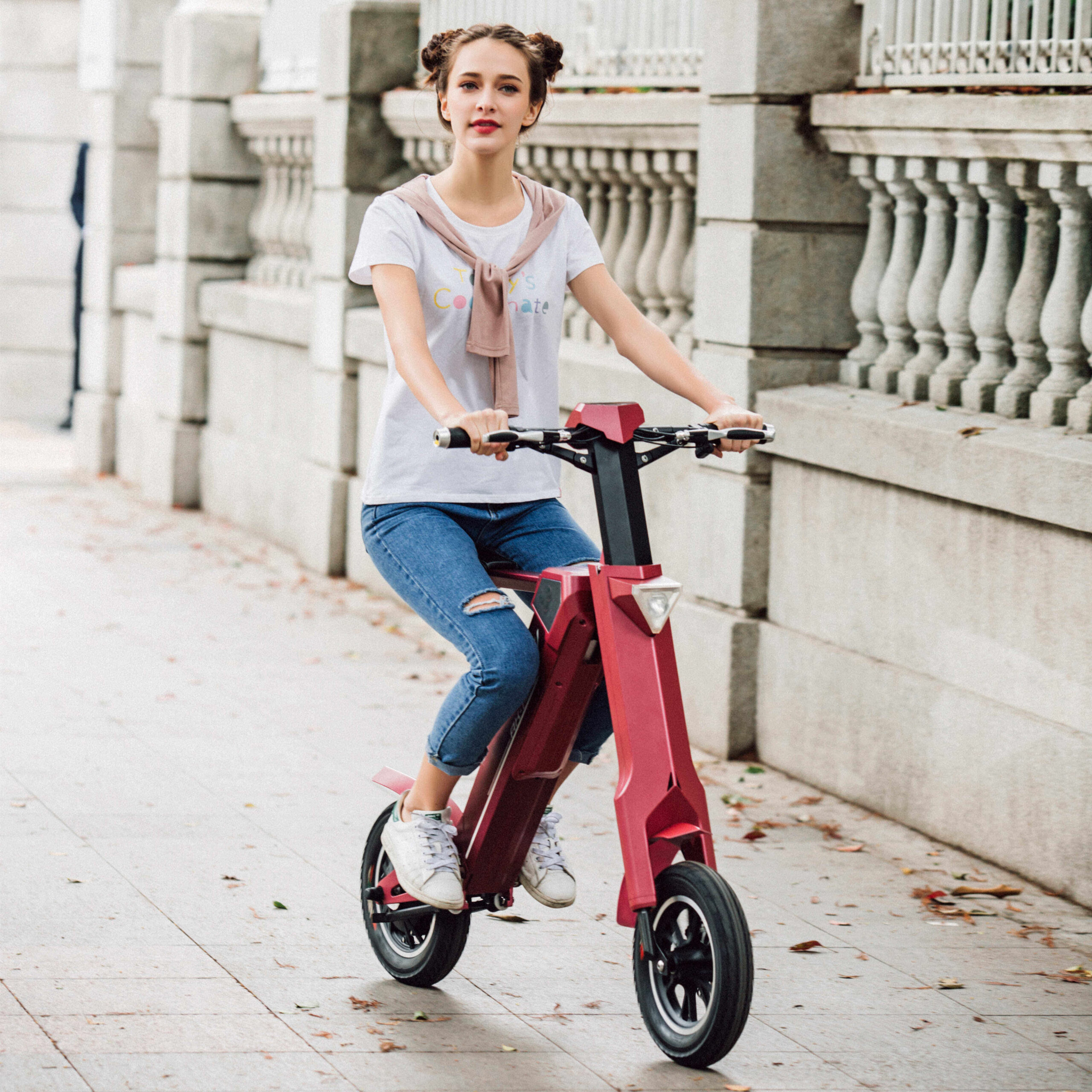
Un articolo sulla mobilità nel campus lo spiega chiaramente: si gestiscono due elementi fondamentali:App Rider + Pannello di controllo. Il cruscotto mostra veicoli/batterie/docks in tempo reale e imposta confini geofence per le regole di parcheggio, le zone a traffico limitato e le aree vietate. L'app per i conducenti consente agli studenti di localizzare i veicoli e scansionare codici QR cavalcare.
I contenuti condivisi dal campus dell'EZBKE sottolineano anche il “pensiero sistemico” (hardware + software + regole), inclusi GPS/IoT e requisiti operativi come la gestione dei parcheggi e il controllo della flotta.
Se stai promuovendo un campus, non limitarti a dire “abbiamo un'app”. Di':
- controllo delle politiche di geofence
- programmazione della manutenzione
- monitoraggio dello stato di salute della batteria
- flusso di lavoro degli incidenti (ticket di assistenza che non vanno persi)
Questo è il linguaggio che gli amministratori capiscono.
Lista di controllo dell'hardware degli scooter elettrici pieghevoli per le flotte a noleggio nei campus universitari
È qui che entra in gioco EZBKE. Scooter elettrico pieghevole La categoria si allinea bene con le esigenze del programma del campus:
Certificato UL2272 + IP54 (resistenza della flotta)
EZBKE posiziona i suoi prodotti pieghevoli come Certificato UL2272 con IP54 impermeabilità e “cerniere di qualità aeronautica” classificate per un numero elevato di cicli: esattamente il tipo di caratteristiche richieste dai team di approvvigionamento.
Meccanismo di chiusura in un secondo (ripetibile, non fragile)
EZBKE descrive un meccanismo di chiusura basato su una struttura a scatto, perni di cerniera e controllo della tolleranza, oltre a controlli di qualità (IPQC/OQC) e documentazione (tracciabilità SKU/lotto). Non è una descrizione affascinante, ma è ciò che impedisce il collasso dei tempi di attività SLA.
Due orientamenti della piattaforma: posizione compatta vs posizione più stabile
Ecco una semplice “mappa di idoneità” che puoi utilizzare durante le chiamate di vendita:
| Piattaforma | Il miglior scenario universitario | Perché si adatta | Fonte |
|---|---|---|---|
| K1 (compatto e pieghevole) | Campus centrale densamente popolato, molte scale/porte | Chiusura istantanea + portabilità; messa a punto OEM per una sensazione ottimale | |
| K2 (maggiore comfort) | Campus più grandi, chilometraggio giornaliero più lungo | Più spazio per le opzioni relative a pneumatici/comfort; configurazioni con coppia più elevata |
K2 si posiziona anche con specifiche quali Motore da 48 V e 500 W, autonomia fino a 55 km, pneumatici da 10 pollici, doppia sospensione nel contenuto EZBKE (configurabile in OEM).
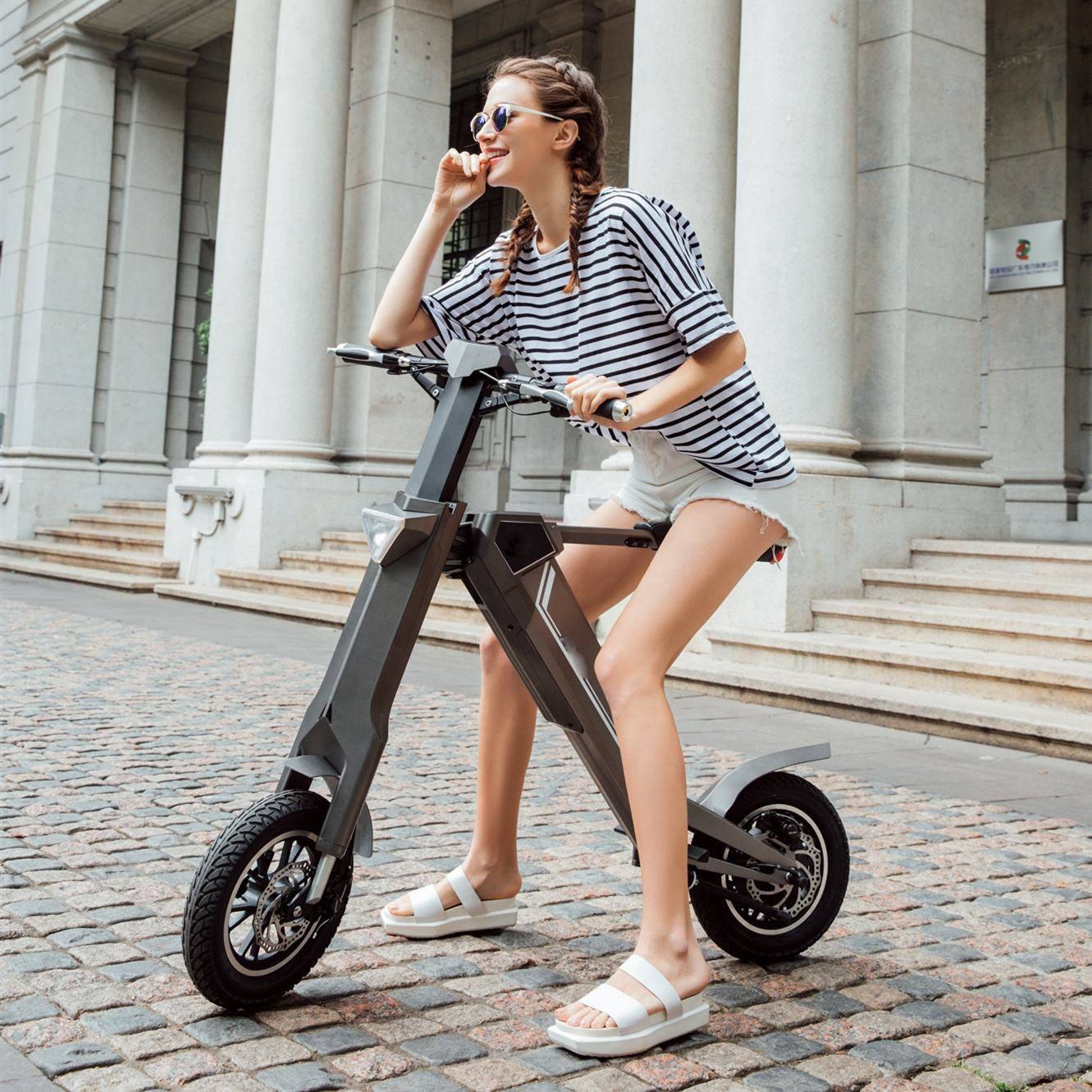
Dove si inserisce EZBKE: OEM/ODM per noleggi nei campus, programmi di condivisione e Urban M
Se il tuo acquirente è un operatore universitario, un appaltatore adiacente alla città o un distributore che sta costruendo una flotta privata, desidera tre promesse:
- È possibile scalare (produzione stabile + controlli di qualità + pratiche burocratiche)
- È possibile personalizzare (OEM/ODM senza caos)
- Sosterrai la realtà operativa (ricambi, manuali, risposta rapida)
Il posizionamento di EZBKE è in linea con questo: uno “stabilimento di produzione di scooter elettrici 15Y”, sistemi ISO, OEM/ODM su larga scala e un mix di prodotti che include Bicicletta elettrica, monopattino elettrico, motocicletta elettrica, scooter elettrico pieghevole, oltre a una mentalità orientata alla flotta, come i kit di ricambi e l'assistenza post-vendita.
E dal punto di vista del branding, puoi puntare su questo aspetto. Urbano M atmosfera: leggera, veloce, flessibile, senza esagerare. (Gli studenti riconoscono il marketing falso in 3 secondi, credetemi.)
Scene pratiche di implementazione (discussione reale)
- “8 minuti di distanza” dal dormitorio all'aula”: zone a traffico limitato vicino ai quadricicli; guida al parcheggio push nell'app; scegli K1- Portabilità in stile per percorsi con molte scale.
- Anello di collegamento di transito: concentrarsi sul riequilibrio + SOP per la gestione delle batterie; sviluppare tempestivamente la capacità di “raccolta + ricarica + reimpiego”.
- Biblioteca / distretti di laboratorio: regole di parcheggio rigide e aree “vietate alla circolazione”; utilizzare il controllo geofence e indicare chiaramente i parcheggi designati.
- Percorsi lunghi nel campus: scegli la sensazione di una piattaforma più stabile, come K2-configurazioni di tipo e pianificare il riequilibrio in base ai picchi delle lezioni.
In conclusione
I programmi di affitto e condivisione dei campus funzionano quando politica + software + operazioni + hardware Tutti in fila. I veicoli pieghevoli sono utili, ma solo se il sistema di piegatura rimane solido dopo migliaia di cicli, la flotta rimane conforme e il cruscotto offre agli amministratori un controllo reale.