


-
414 Block B, ZT Times Plaza, Wuhan, Hubei, Kína

Blog
Electric Motorcycle Speed, Power, and Regulation Guide
If you sell electric motorcycles, or source them for a fleet, you already know the usual problem. Too many pages talk like brochure copy. They push top speed, toss in a motor number, then say “street legal” and move on. That’s not enough. Buyers don’t buy a spec line. They buy route fit, uptime, paperwork, and something they can actually rebrand and move.
After reviewing related Electric Motorcycle Speed, Power, and Regulation articles together with EZBKE’s Elektromos motorkerékpár lineup, one point gets real clear: the smart way to sell these products is not “faster is better.” The better argument is this: speed, power, range, battery workflow, and compliance have to be read together. That’s where the deal gets serious. That’s also where Urban M fits naturally, not as a random badge, but as a cleaner OEM/ODM supply story for dealers, fleets, and distributors.
Electric Motorcycle Speed
Top speed still matters. Sure. But in real business use, speed only matters when it matches the route.
A 45 km/h model is usually enough for city delivery, campus patrol, rental onboarding, commuter resale, and dense urban streets where stop-and-go kills average speed anyway. A 75 km/h machine tells a different story. That one fits ring roads, bridge-heavy cities, heavier riders, and longer urban loops where the bike needs more breathing room. So, no, “fast” is not one-size-fits-all. Wrong speed positioning creates the wrong SKU mix, and that hurts sell-through.
Elektromos motorkerékpár modellek összehasonlító táblázat
| Modell | Motor | Maximális sebesség | Tartomány | A legmegfelelőbb B2B forgatókönyv | Forrás |
|---|---|---|---|---|---|
| S3 legjobb felnőtt elektromos robogó robogó moped gyors gyártó oem | 2000W Bosch | 45 km/h | 75-150 km | Városi futár, egyetemi campus, bérleti felvétel | (ezbke.com) |
| S4 legjobb felnőtt ingázó elektromos moped robogó nagykereskedő oem | 1,44 kW Bosch | 45 km/h | 75-150 km | Commute fleets, subscription use, light delivery | (ezbke.com) |
| S5 utcai legális elektromos motorkerékpár robogó felnőttek számára gyári | 3000W Bosch | 45 km/h | 120-150 km | Street-legal dealer channels, regulated fleet use | (ezbke.com) |
| S5D minden terepen elektromos motorkerékpár robogó gyártója | 3000W Bosch | 45 km/h | 120-150 km | Rough roads, resort fleets, peri-urban delivery | (ezbke.com) |
| S6 kínai elektromos motorkerékpár robogó nehéz felnőttek számára gyár | 4,0 kW Bosch | 75 km/h | 60-120 km | Heavy riders, bridge routes, faster corridors | (ezbke.com) |
| X1 moped elektromos robogó üléssel felnőttek számára gyári gyári oem | 2000W Bosch | 45 km/h | 75-90 km | Compact city fleets, paperwork-first markets | (ezbke.com) |
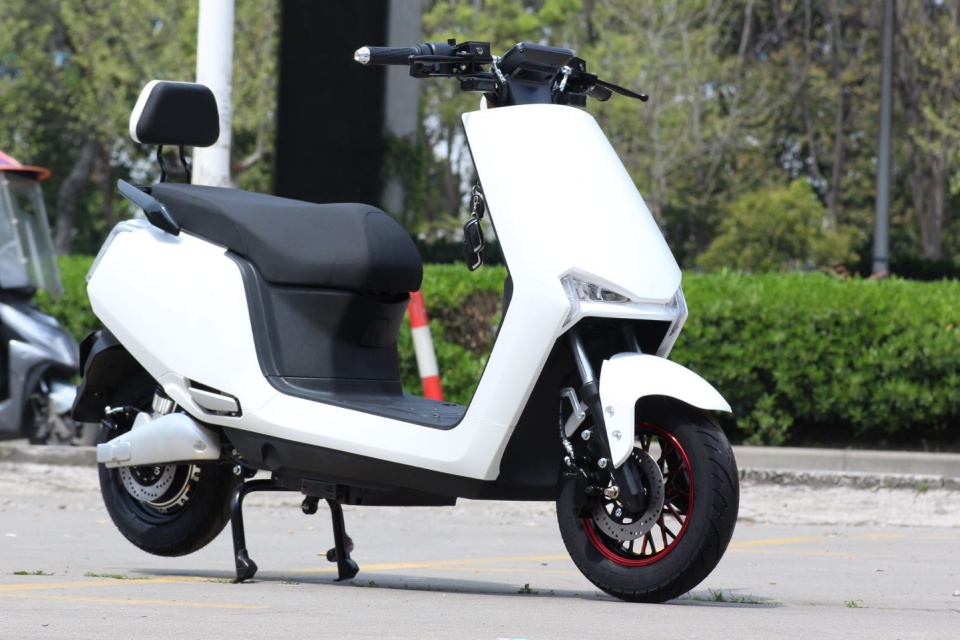
That table tells a better sales story than hype ever will. The S3 and X1 are compact city workers. The S4 is more of a daily commuter-plus-delivery platform. The S5 is easier to pitch where buyers ask for a clear street-legal narrative. The S5D makes more sense when the roads get messy. And the S6 is the “don’t under-spec this route” answer. Simple, but very usable.
Electric Motorcycle Power
Power looks easy on paper, but it’s where many buyers get tricked. A motor number by itself does not tell the whole story. What matters is how that power shows up in daily riding: launch feel, hill climb, payload handling, and whether the bike stays calm when the route gets ugly.
There is also a regulation angle here that many sellers skip. Official vehicle frameworks often classify electric two-wheelers using maximum continuous rated power, not just the flashy peak number used in marketing. ASEAN’s light EV guideline, which follows UNECE-style classification logic, sets L1e-style low-speed two-wheelers at up to 45 km/h and up to 4 kW continuous rated power. That means buyers should never mix up peak output, rated output, and market classification. It sounds nerdy. It matters a lot.
This is why the S6 kínai elektromos motorkerékpár robogó nehéz felnőttek számára gyár matters. Its 4.0 kW motor, 75 km/h top speed, and 15° hill-climb ability make it a better fit for heavier payloads, slopes, and bridge routes. On the other hand, the S4 legjobb felnőtt ingázó elektromos moped robogó nagykereskedő oem is more about balanced city duty, lower stress, and easy daily ops. Different jobs, different motor story. Buyers who only ask “How many watts?” are asking the wrong first question. They should ask, “How much hill, how much stop-go, how much rider weight, and what happens at shift change?” That’s the ops language.
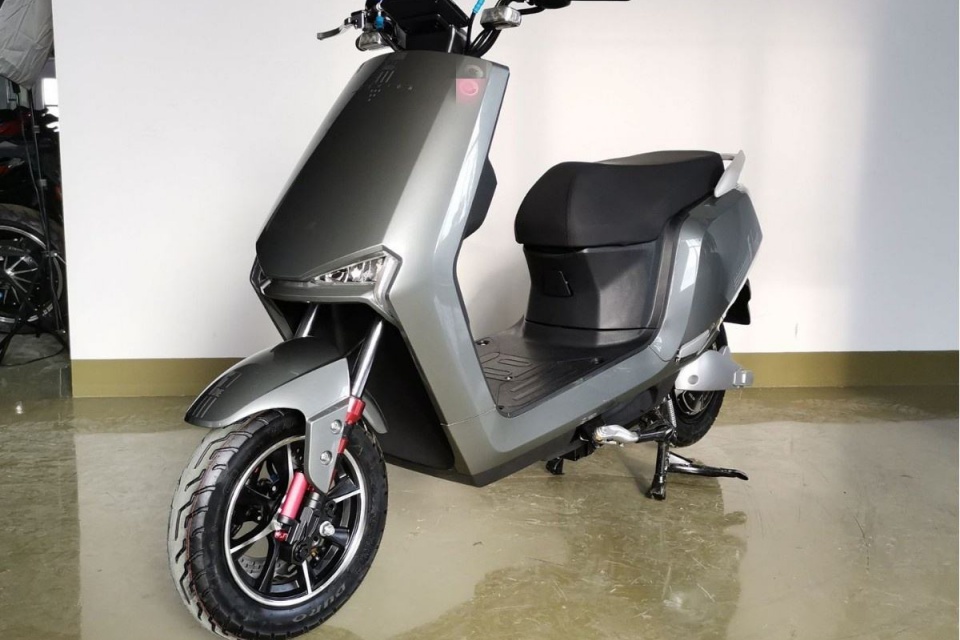
Utcai legális elektromos motorkerékpár
This is where many deals slow down. Not because the bike is bad. Because the doc pack is weak.
In the EU, powered two- and three-wheelers sit under Regulation (EU) No 168/2013, which covers L-category vehicles. ASEAN guidance mirrors the same basic classification logic for low-speed and motorcycle-style vehicles. So when a buyer says “street legal,” what they often really mean is: Can I register it in my market, and can you send the right paperwork fast?
That’s why EZBKE’s product positioning is actually pretty practical. The S3 and X1 both carry 168/2013 EGK, L1e-B approval cues on-page. The S5 utcai legális elektromos motorkerékpár robogó felnőttek számára gyári is explicitly framed as a street legal electric motorcycle scooter for adults. For dealer channels, that helps a lot, because it shifts the conversation from “trust me bro, it’s compliant” to “here is the homologation direction.” Big difference.
It also helps buyers separate e-motorcycles from e-bikes. In the U.S., NHTSA says a low-speed electric bicycle has to have fully operable pedals, a motor of less than 750 watts, and a top speed under 20 mph on motor power alone. That is not the same thing as a 2000W to 4000W electric motorcycle platform. Mixing those categories is how importers get into a paperwork mess real quick.
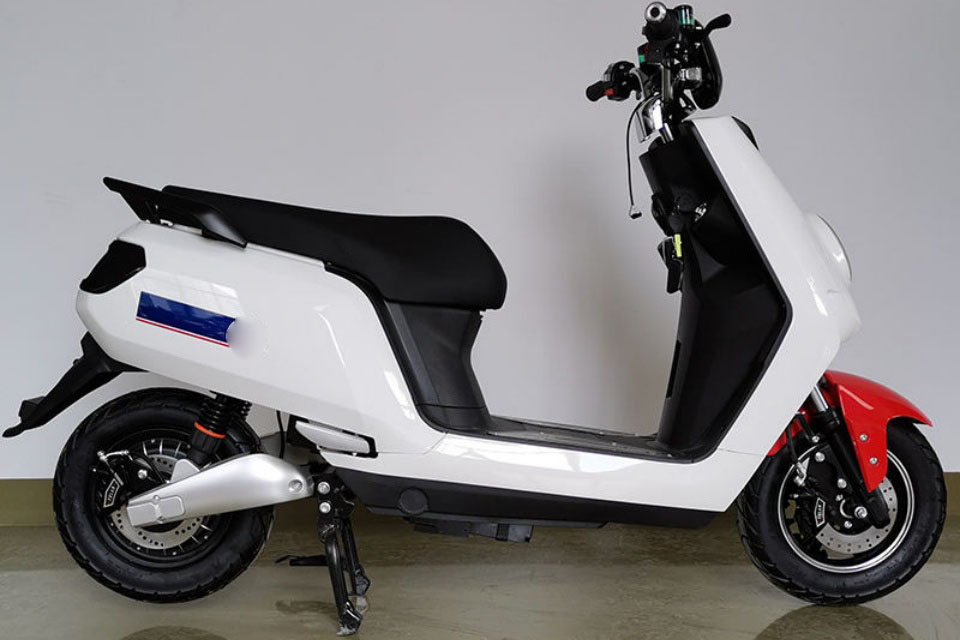
Elektromos motorkerékpár OEM/ODM
Now the commercial side.
EZBKE does not present itself as a one-model shop. The site positions the company around Elektromos kerékpár, elektromos roller, elektromos motorkerékpár, összecsukható elektromos roller és megosztott roller, a 15 years of industry experience, a 30 napos gyors gyártás-szállítás ciklus, annual capacity above 35,000 units, and support for EEC/EPA/WMI-certified solutions. That matters because bulk buyers don’t just want a bike. They want a supply chain that won’t turn into after-sales drama.
This is where Urban M works well as a business-facing mention. Urban M can be framed as a fleet-ready program: bikes, spare packs, service parts, branded panels, cleaner documentation flow, and a BOM that doesn’t go weird six months later. In industry slang, that means fewer downtime tickets, less spare-parts chaos, and a better chance of repeat POs. Not sexy. Very sellable.
S4 legjobb felnőtt ingázó elektromos moped robogó nagykereskedő oem
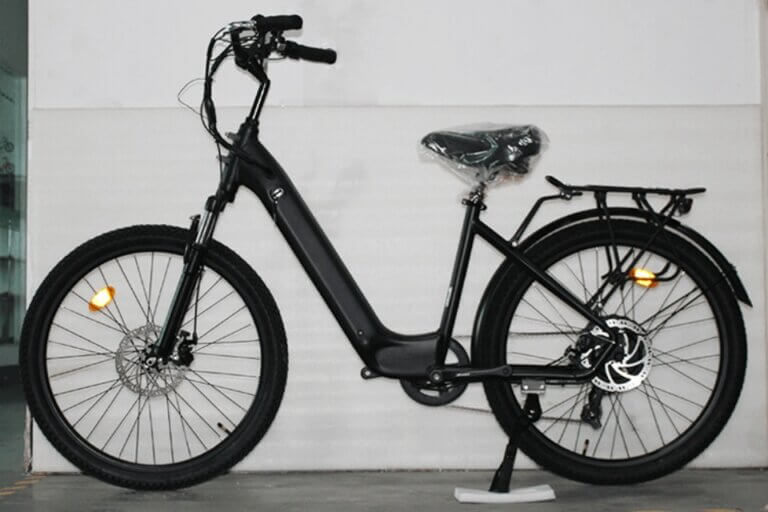
The S4 is easy to place in commuter fleets and light delivery scenes because it gives buyers the basics they always ask for: 45 km/h speed, 75–150 km range, portable battery logic, dual disc brakes, and swap-friendly workflow. That makes it a decent fit for dealers who need a daily-use model, not a showroom toy.
S5D minden terepen elektromos motorkerékpár robogó gyártója
A S5D minden terepen elektromos motorkerékpár robogó gyártója is useful when the sales pitch needs a mixed-surface story. Suburban edges, patched roads, resort routes, municipal tasks, rough delivery streets. That’s where “all terrain” stops sounding fluffy and starts meaning fewer complaints about vibration, punctures, and weak road tolerance. Kinda boring, yes. Also very close to what fleet buyers care about.
Kulcsérv és forrás táblázat
| Fő érv | Miért fontos | Forrás |
|---|---|---|
| Start with route fit, not top speed | Buyers purchase for commute pattern, delivery rhythm, and rider profile | EZBKE product/category materials |
| Range must be explained with real conditions | Heavy riders, hills, weather, and stop-go riding change the story fast | EZBKE product/category materials |
| Power should be read with hill climb and payload, not watts alone | Real performance is torque feel, slope handling, and stability under load | EZBKE product/category materials |
| “Street legal” means paperwork, category, and registration path | Importers care about homologation and compliance docs early in the deal | EZBKE product/category materials |
| OEM/ODM value is not only branding | Spare parts, battery workflow, inspection support, and doc flow drive repeat orders | EZBKE product/category materials |
Final Take
So here’s the real argument.
A good Electric Motorcycle Speed, Power, and Regulation Guide should not read like a spec dump. It should show buyers how to choose the right platform for the right road, the right market, and the right compliance path. Speed matters. Power matters. But battery workflow, street-legal positioning, and OEM/ODM execution matter just as much, maybe more.
For EZBKE, that’s the angle worth owning. The lineup already covers compact city use, commuter fleets, street-legal retail channels, rough-road duty, and heavier urban routes. And with Urban M placed as the practical business layer behind those products, the message gets stronger: not just “here’s a bike,” but “here’s a wholesale program that is easier to sell, easier to document, and easier to keep running.” That’s what serious buyers actually wants.