


-
414 Block B, ZT Times Plaza, Wuhan, Hubei, Chine

Blog
Vélo pliable pour location sur campus et programmes de partage
Tableau argumentaire : locations sur le campus et programmes de partage (revendications + mesures à prendre + sources)
| Argument (mot-clé) | Ce qu'il corrige (douleur de l'opérateur) | Que construire / mettre en œuvre | Source |
|---|---|---|---|
| Pliage rapide (flotte pliable) | Le stockage + le transport sont des freins à l'adoption | “Pliage ” en une seconde », transport à une main, tolérance de charnière serrée | |
| Respect des règles de stationnement (règles de stationnement) | Plaintes concernant l'encombrement des trottoirs + opposition de l'administration | Incitations dans l'application + signalisation + zones de stationnement désignées | |
| Géorepérage (zones à vitesse réduite / zones interdites aux véhicules) | Risque dans les zones à forte fréquentation | Définissez les limites géographiques pour les zones à vitesse réduite / interdites d'accès. | |
| Interdiction de recharger à l'intérieur (sécurité de la batterie) | Inquiétudes liées aux incendies dans les dortoirs → interdictions ou problèmes de relations publiques | Passage à des protocoles contrôlés de recharge et de stockage en extérieur | |
| Rééquilibrage de la flotte (opérations de rééquilibrage) | Les véhicules s'accumulent là où vous ne voulez pas qu'ils soient. | Collecte nocturne + recharge + itinéraires stratégiques de rééquilibrage | |
| Déverrouillage par code QR (accès sans friction) | Longue période d'intégration = les étudiants abandonnent | Déverrouillage de l'application + scan QR + flux simple pour les passagers | |
| Amarrage + maintenance + assistance (système complet) | Le campus souhaite “ un seul fournisseur responsable ” | Proposer des points d'amarrage/stationnement + manuel d'entretien | |
| Matériel de qualité flotte (UL2272, IP54) | Garantie de remorquage + temps d'immobilisation | UL2272, IP54, test de durée de vie des charnières, kits de pièces détachées pour flottes |

Pliables pour les locations sur les campus et les programmes de partage : pourquoi le “ pliage rapide ” est important
Sur un campus, les étudiants ne se déplacent pas comme des navetteurs. Ils passent d'un endroit à l'autre : dortoir → cours → laboratoire → salle de sport → café → bibliothèque. Un vélo pliable s'adapte parfaitement à ce rythme “ stop-start ”, car vous pouvez le transporter dans les zones autorisées et cache-le vite—pas de problèmes aux portes, dans les escaliers ou dans les débarras exigus. L'article de TechCrunch sur le déploiement dans les campus montre que les campus achètent un système (flotte + gestion + assistance), pas seulement un gadget.
Et voici la vérité ennuyeuse que les exploitants adorent : moins de friction = plus de trajets. Ce n'est pas de la magie, juste du comportement.
EZBKE mise tout sur le concept “ pliage rapide, maintien solide ” : pliage en une seconde, conception axée sur les charnières/loquets et réglage OEM (texture du plateau, hauteur de la potence, courbure du contrôleur, éclairage) pour vous permettre de vous adapter aux règles du campus et aux habitudes des riders.
Politique de micromobilité sur le campus : stationnement, zones interdites aux véhicules et interdiction de recharger les véhicules à l'intérieur
Les administrateurs de campus se soucient généralement de trois choses :
Respect des règles de stationnement
Une enquête menée auprès des cyclistes a révélé que seulement 9% ont déclaré avoir déjà mal garé leur véhicule, mais une grande partie d'entre eux ont déclaré ne pas être sûrs, et les conducteurs ne connaissent souvent pas vraiment les règles locales. Le même article propose des solutions pratiques telles que rappels dans l'application, infrastructure, signalisation et amendes.
Zones interdites aux véhicules et limitations de vitesse
Un rapport axé sur le campus décrit zones interdites aux véhicules et même les limitations de vitesse sur les trottoirs/voies partagées. C'est précisément pour cela que le géorepérage existe.
Interdiction de recharger à l'intérieur
Ce même rapport indique également que Il est interdit de recharger son téléphone à l'intérieur des bâtiments du campus. pour des raisons de sécurité, et les campus recherchent recharge extérieure sécurisée options. Si votre programme ignore cela, il sera rapidement bloqué.
Donc oui... les spécifications de votre produit correspondent également aux spécifications de votre politique.
Opérations de flotte : facturation, collecte et rééquilibrage (le cœur peu séduisant)
Les programmes de partage gagnent ou perdent en fonction des opérations. Point final.
Un guide universitaire sur la micromobilité décrit le cycle opérationnel en termes simples : les entrepreneurs gèrent facturation, recouvrement, maintenance, et les utilisateurs déverrouillent via Scan du code QR; l'opérateur utilise GPS et le système peut intégrer les reçus et les flux de paiement.
Cela est important car les campus connaissent des pics prévisibles :
- ruée matinale vers les cours
- pic de déjeuner
- sorties nocturnes au dortoir
Si vous ne rééquilibrez pas votre flotte, celle-ci “ semble importante ” sur le papier, mais semble vide dans la réalité. C'est alors que les e-mails de colère commencent à affluer.
Logiciel de gestion de flotte : application Rider, tableau de bord, géorepérage
Les flottes universitaires ont besoin d'une salle de contrôle.
Un article sur la mobilité sur les campus l'explique clairement : vous gérez deux éléments essentiels —Application Rider + Tableau de bord. Le tableau de bord affiche les véhicules/batteries/stations d'accueil en temps réel et définit limites de la géobarrière pour les règles de stationnement, les zones à vitesse réduite et les zones interdites. L'application pour conducteurs permet aux étudiants de localiser les véhicules et scanner les codes QR monter.
Le contenu partagé par EZBKE sur son propre campus met également l'accent sur la “ pensée systémique ” (matériel + logiciel + règles), y compris le GPS/IoT, et les exigences opérationnelles telles que la gestion du stationnement et le contrôle de la flotte.
Si vous présentez un campus, ne vous contentez pas de dire “ nous avons une application ”. Dites plutôt :
- Contrôle des politiques de géorepérage
- planification de la maintenance
- suivi de l'état de santé de la batterie
- workflow des incidents (tickets d'assistance qui ne se perdent pas)
C'est le langage que les administrateurs comprennent.
Liste de contrôle du matériel des trottinettes électriques pliables pour les flottes de location sur les campus
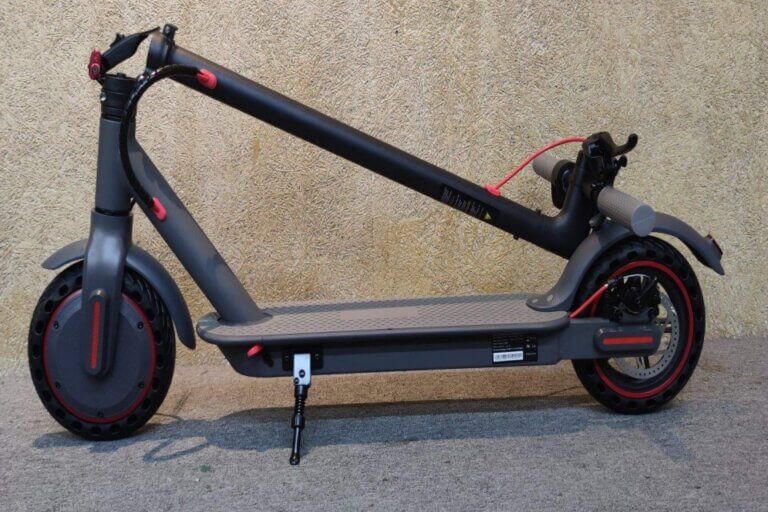
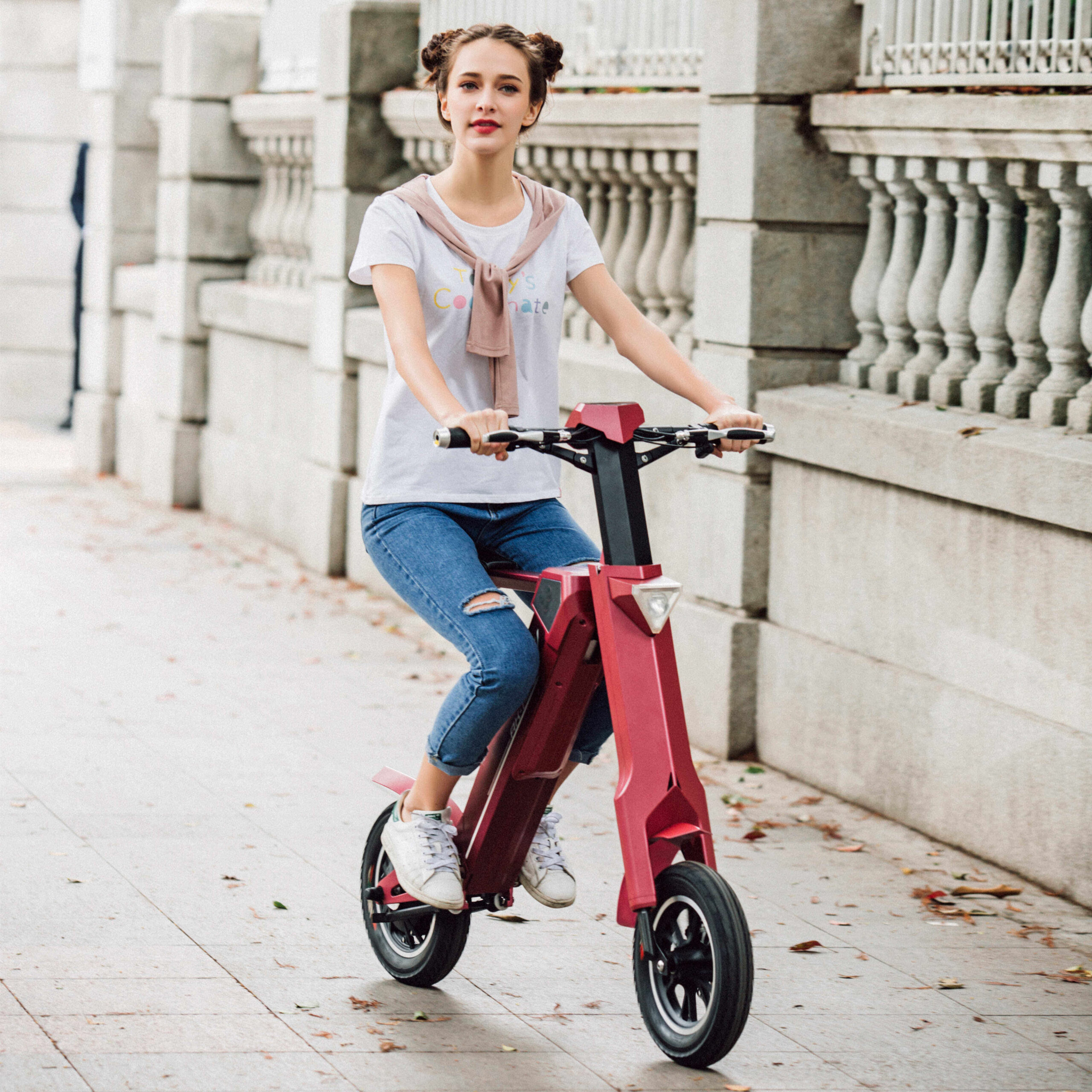
C'est là qu'intervient EZBKE. Scooter électrique pliable La catégorie correspond bien aux besoins du programme universitaire :
Certifié UL2272 + IP54 (durabilité de la flotte)
EZBKE positionne ses produits pliables comme Certifié UL2272 avec IP54 étanchéité et “ charnières de qualité aéronautique ” conçues pour un nombre élevé de cycles — exactement le genre d'arguments que les équipes d'approvisionnement recherchent.
Mécanisme de pliage en une seconde (répétable, solide)
EZBKE décrit un mécanisme de pliage basé sur une structure à loquet, des axes de charnière et un contrôle de tolérance, ainsi que des portes de contrôle qualité (IPQC/OQC) et une discipline en matière de documentation (suivi des SKU/lots). Ce n'est pas très sexy, mais c'est ce qui empêche le temps de disponibilité du SLA de s'effondrer.
Deux orientations de plate-forme : compacte ou plus stable
Voici une “ carte d'adéquation ” simple que vous pouvez utiliser lors de vos appels commerciaux :
| Plateforme | Meilleur scénario sur le campus | Pourquoi cela convient-il ? | Source |
|---|---|---|---|
| K1 (compact et pliable) | Campus dense, nombreux escaliers/portes | Verrouillage instantané + portabilité ; réglage OEM pour une meilleure sensation | |
| K2 (plus grand confort) | Campus plus grands, kilométrage quotidien plus élevé | Plus d'espace pour les options de pneus/confort ; configurations à couple plus élevé |
K2 se positionne également avec des spécifications telles que Moteur 48 V 500 W, autonomie jusqu'à 55 km, pneus 10 pouces, double suspension dans le contenu EZBKE (configurable dans OEM).
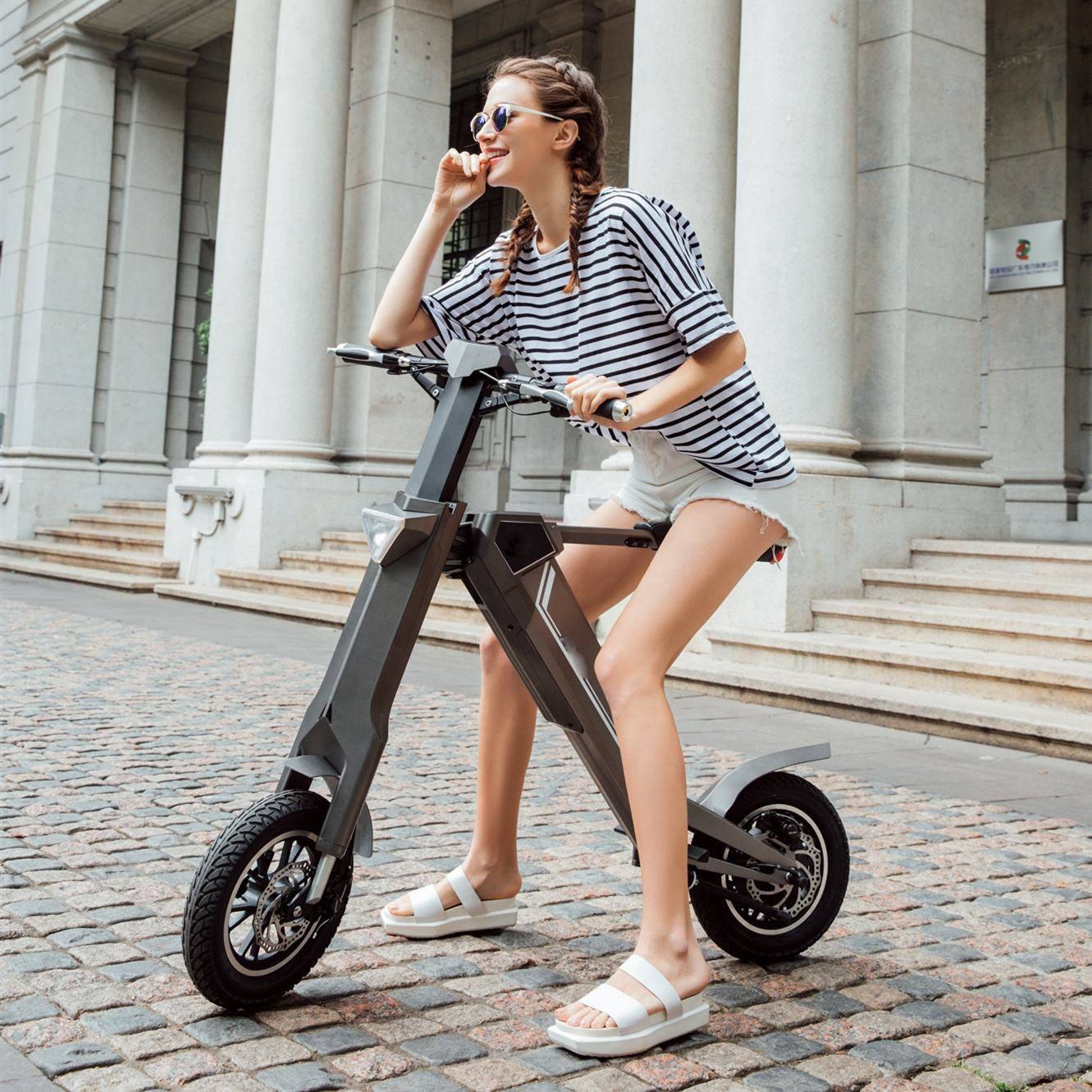
Où EZBKE trouve sa place : OEM/ODM pour les locations sur les campus, les programmes de partage et Urban M
Si votre acheteur est un exploitant de campus, un entrepreneur adjacent à une ville ou un distributeur qui construit une flotte privée, il attend trois promesses :
- Vous pouvez mettre à l'échelle (production stable + contrôles qualité + formalités administratives)
- Vous pouvez personnaliser (OEM/ODM sans chaos)
- Vous soutiendrez la réalité opérationnelle (pièces de rechange, manuels, réponse rapide)
Le positionnement d'EZBKE correspond à cela : une “ usine de fabrication de scooters électriques 15Y ”, des systèmes ISO, des services OEM/ODM à grande échelle et une gamme de produits qui comprend Vélo électrique, trottinette électrique, moto électrique, trottinette électrique pliable, ainsi que la gestion de flotte, comme les kits de pièces détachées et le service après-vente.
Et en termes d'image de marque, vous pouvez vous appuyer là-dessus. Urbain M ambiance — légère, rapide, flexible — sans exagération. (Les étudiants repèrent les faux arguments marketing en 3 secondes, croyez-moi.)
Scènes pratiques de déploiement (discussion franche)
- “ 8 minutes d'écart ” entre le dortoir et la salle de classe”: zones à vitesse réduite près des quadricycles ; intégrer des conseils de stationnement dans l'application ; choisir K1Portabilité de type pour les itinéraires comportant de nombreux escaliers.
- Boucle de connexion de transit: se concentrer sur le rééquilibrage + les procédures opérationnelles standard relatives à la manipulation des batteries ; développer rapidement les compétences en matière de “ collecte + recharge + redéploiement ”.
- Bibliothèque / laboratoires: règles de stationnement strictes et zones “ interdites aux véhicules ” ; utilisation de la géolocalisation et stationnement clairement délimité.
- Itinéraires longs sur le campus: choisissez la sensation de plateforme plus stable, comme K2-type configurations, et planifier le rééquilibrage autour des pics de cours.
En bref
Les programmes de location et de partage sur les campus fonctionnent lorsque politique + logiciel + opérations + matériel Tout le monde en ligne. Les véhicules pliables sont utiles, mais seulement si le système de pliage reste solide après des milliers de cycles, si la flotte reste conforme et si le tableau de bord offre un contrôle réel aux administrateurs.