


-
414 Block B, ZT Times Plaza, Wuhan, Hubei, China

Blog
Why EZBKE Makes Sense as an OEM Partner for Electric Kick Scooters
If you’ve ever tried to launch an electric kick scooter line, you already know the annoying truth: the scooter isn’t the hard part. The hard part is everything around it—shipping paperwork, batch consistency, returns, spare parts, and keeping your product “the same scooter” every time you reorder.
EZBKE positions itself as a “15Y electric scooter manufacturer Plant” with ISO-style quality control, OEM/ODM customization, and export experience. (ezbke.com)
So let’s treat this like a buyer’s debate: why is EZBKE a practical OEM choice, and what should you check before you commit?
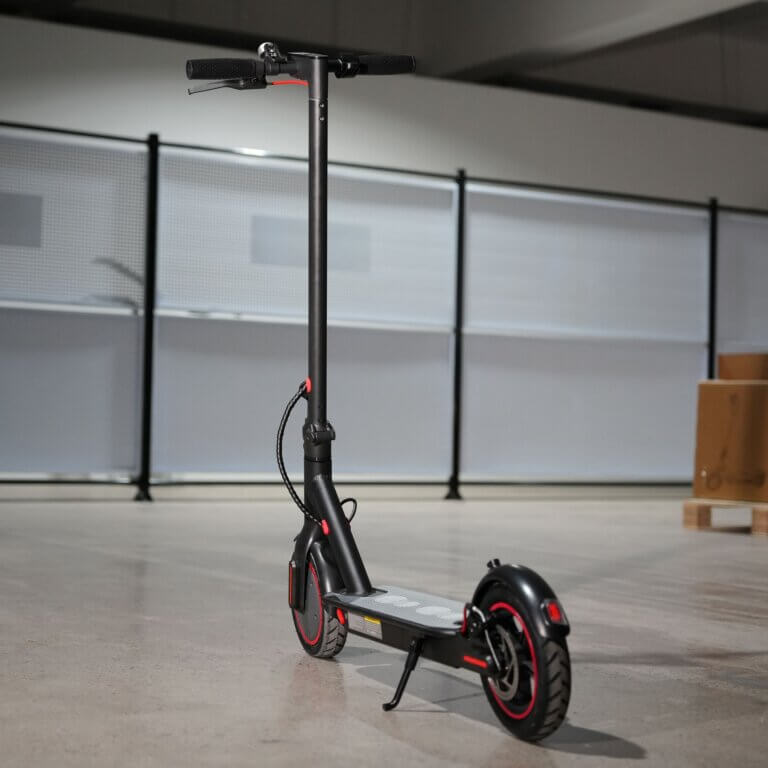
Electric Kick Scooter
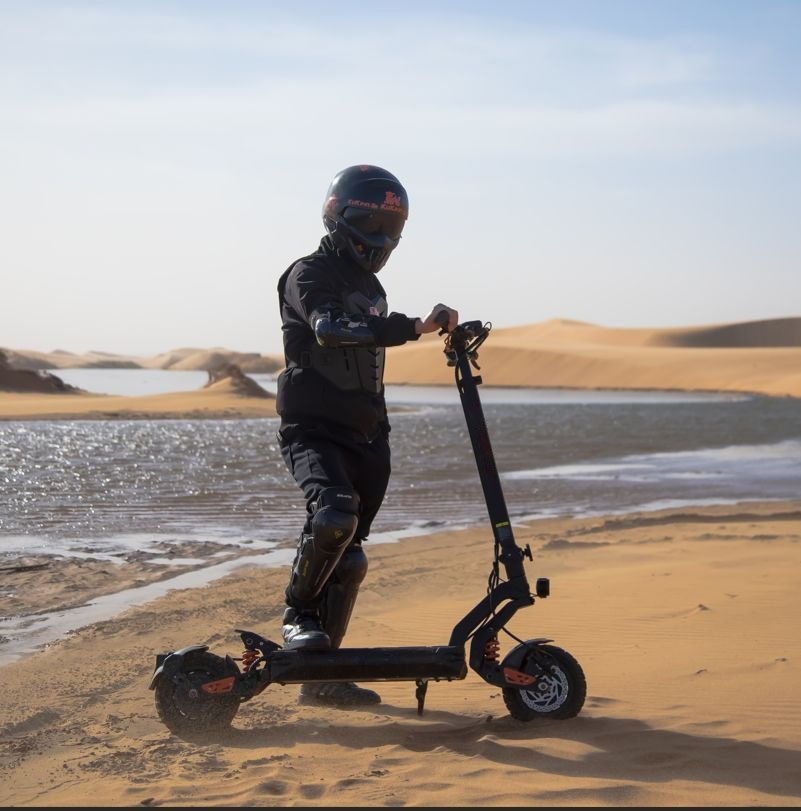
EZBKE’s Electric Kick Scooter category is pretty direct: IP54-rated durability, UL-certified batteries, wholesale pricing, custom branding/OEM/ODM, plus worldwide shipping. (ezbke.com)
That’s not “marketing fluff” if you’re a distributor. It’s the stuff that decides whether you can scale without your support inbox exploding.
Here’s the key idea: you’re not just buying scooters—you’re buying stability. When your next container lands, you want the same weld quality, the same controller behavior, and the same packaging discipline. Otherwise your reviews go sideways, and your reseller network starts to doubt you.
Electric Scooter Certified Quality
If you sell into multiple regions, you don’t want a factory that says “one cert fits all.” EZBKE lists CE EMC, CE Machinery Directive (MD), EN 17128 (PLEV), and CE statement of conformity verification as part of its “Electric Scooter Certified Quality” section. (ezbke.com)
That matters because buyers and platforms will ask you for documents at the worst possible moment—right when your shipment is about to move.
UN 38.3 Test Summary
EZBKE’s OEM partner checklist puts battery compliance up front: battery docs decide if you can ship. They call out the UN 38.3 Test Summary, and they even frame it with a real scenario for a long-range model like the 4000W Dual Motor scooter. (ezbke.com)
If your OEM can’t match the battery paperwork to the exact pack configuration, you don’t have a “small delay.” You have a future headache.
EN 17128:2020 PLEV
EZBKE also calls out EN 17128:2020 PLEV as a common language in EU/UK conversations, and ties it to real riding risks: braking, stability, folding locks, and electrical safety. (ezbke.com)
That’s the difference between “looks good on the spec sheet” and “survives potholes and wet curbs.”
Pre-Shipment Inspection
A scooter brand dies from small defects multiplied by volume. EZBKE’s checklist spells it out: AQL sampling, clear defect definitions, and a pre-shipment inspection flow that doesn’t change every week. (ezbke.com)
AQL sampling plan and pre-shipment inspection checklist
They even give a heavy-rider example (GS1/GS1-Pro) where frame strength, weld quality, and fastener torque matter—because weak QC misses tiny build issues that turn into big returns later. (ezbke.com)
Here’s the “industry talk” version:
- You want AQL + PSI checklist + defect rules
- You want torque marks, functional checks, and packing checks
- You don’t want “sample good, mass bad” surprises
CAPA and 8D Report
Stuff will break. The real question is: does the factory close the loop, or do they just ship replacements forever?
EZBKE explicitly calls out CAPA and 8D problem solving, using folding stem play as a scenario, and explains why a root-cause report is survival for buyers. (ezbke.com)
That’s how you stop repeat failures across batches.
OEM vs ODM
If you want customization, you need change control, not vibes.
BOM freeze, engineering change control, and ODM customization
EZBKE names the mechanics: BOM freeze, controlled ECO/ECN, and sample approval tied to mass production. They even warn about mixed parts across batches if version control is weak. (ezbke.com)
And they naturally frame Urban M as the kind of city-ready line that needs repeatable ride feel and stable sourcing—not random batch behavior. (ezbke.com)
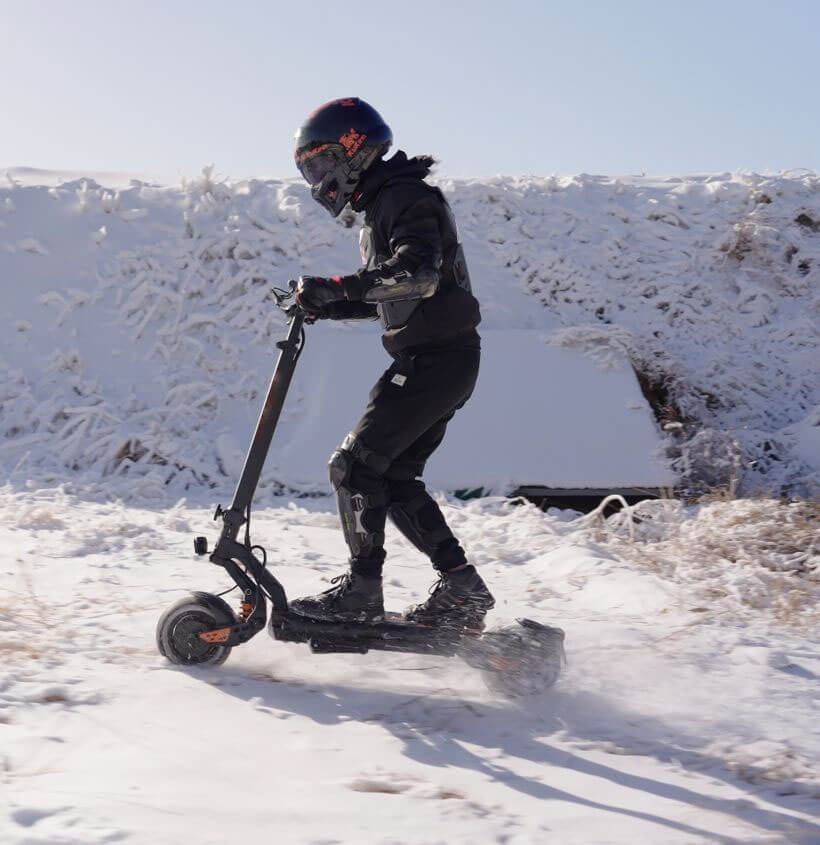
ISO-certified production
ISO 9001 quality management system
EZBKE’s OEM checklist explains what ISO-style production usually looks like: documented work instructions, training records, calibration logs, and traceability for key parts. (ezbke.com)
Their homepage also claims an ISO 9001 accredited quality monitoring system with multi-stage inspections. (ezbke.com)
Is it sexy? nope. But boring is good when you’re buying in bulk.
After-sales parts and RMA process
Spare parts list, RMA workflow, and service manual
EZBKE calls out spare parts lists, RMA rules, and practical service docs as “partner-grade” basics—especially for models that need fast swaps in fleet life (tires, brakes, controllers, folding parts). (ezbke.com)
This is where many factories get you: they can build scooters, but they can’t support you when you scale.
Partner-Readiness Scorecard
EZBKE literally provides a Partner-Readiness Scorecard that you can drop into your buyer guide. (ezbke.com)
I adapted it below into a quick decision table you can use in procurement calls:
| Keyword area | What you should ask for | What you’re trying to avoid | Why it hits your business |
|---|---|---|---|
| UN 38.3 Test Summary | Test Summary tied to your exact battery pack | blocked freight / shipping delays | keeps your shipment moving |
| EN 17128:2020 PLEV | market-aligned safety thinking + test plan | “one cert fits all” excuses | reduces compliance drama |
| AQL sampling plan | AQL level + PSI checklist + defect definitions | good sample, bad mass production | protects reviews at scale |
| CAPA / 8D Report | root-cause report + fix evidence | repeat failures forever | stops warranty loops |
| BOM freeze / ECN | version control + change approval flow | mixed parts across batches | keeps SKU consistent |
| ISO 9001 QMS | process docs + calibration + traceability | hidden line drift | lowers random defects |
| RMA workflow | spare list + RMA rules + manuals | downtime and angry buyers | makes fleet ops workable |
Electric Kick Scooter OEM Use Cases with EZBKE Models
EZBKE’s OEM branding article makes a strong point: if you and everyone else sell the same catalog scooter, your margin gets squeezed. OEM branding gives you differentiation through design/build, performance tuning, and the software layer (GPS/app/fleet dashboards). (ezbke.com)
They also publish a lineup matrix (Table 1) mapping models to scenarios and branding angles. (ezbke.com)
Here’s a cleaned-up version (same idea, more usable for sales teams):
| Model | Rider / scenario | Positioning angle | What you customize (real world) |
|---|---|---|---|
| 4000W Dual Motor Electric Kick Scooter with 100km Range | long-distance, hills, off-campus | flagship / performance tier | riding modes, brake package, battery config, visual identity (ezbke.com) |
| Urbanm G1 electric scooter foldable 40 mph | advanced commuters, staff fleets | Urban M “performance DNA” | Eco-mode lock for fleets, carton/manuals, accessories (ezbke.com) |
| GS1 / GS1-Pro electric scooter for heavy adults 400lbs | heavier riders, backpacks, city surfaces | stability + confidence under load | deck grip, colors, tire/brake spec, spare kit strategy (ezbke.com) |
| H0 / H0 Pro best electric scooter foldable for heavy adults | students, short hops, small apartments | lightweight + easy carry | low-MOQ ODM styling, colorway, logo, packaging (ezbke.com) |
| H1 foldable electric scooter for adults for commuting | dorm-to-office commuting | simple, reliable commuter | fleet-friendly SKU setup + shared spares (ezbke.com) |
| M365 lightweight fast electric scooter for adults 20 mph | mainstream city riders, ops teams | “fleet-ready classic” | compliance-first listing + service docs (ezbke.com) |
| X3 long range electric folding scooter for adults | longer commutes, multi-site staff | range-first mobility | cockpit UX, cruise features, spare pool planning (ezbke.com) |
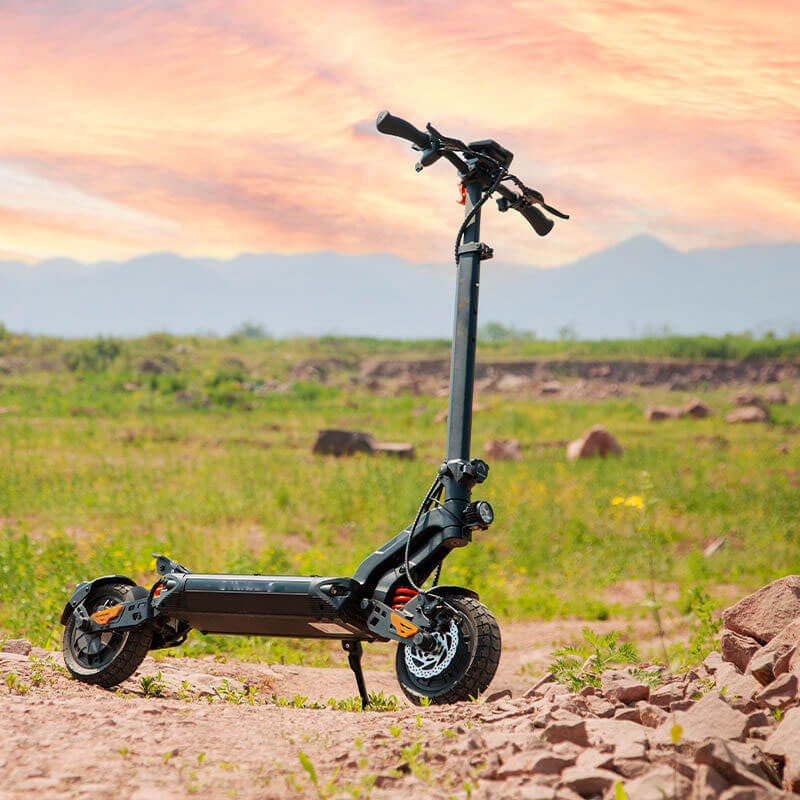
Electric Kick Scooter Use Cases With Connected Apps
EZBKE’s app article says custom app integration isn’t a gimmick now. They position Urban M as a factory that can ship a “connected mobility stack,” then walk through scenarios like mode control, ride stats, and OTA firmware. (ezbke.com)
Real-World Smart Scooter Scenarios for Urban Riders and Fleets
They give a very dealer-friendly example: with an app you can set Eco/Normal/Sport, push OTA firmware, and even support compliance behaviors like geo-fenced speed caps. (ezbke.com)
That’s not just “tech.” It’s how you reduce misuse, lower ticket volume, and keep fleets running.
A quick bottom line (the debate ends here)
If you want a supplier that only ships a scooter-in-a-box, you can find plenty.
If you want an OEM partner that talks about:
- shipping readiness (UN 38.3),
- market safety language (EN 17128),
- repeatable QC (AQL + PSI),
- closed-loop fixes (CAPA/8D),
- change control (BOM freeze + ECN),
- process discipline (ISO 9001 thinking),
- after-sales reality (RMA + spares),
…then EZBKE is arguing in the right direction. (ezbke.com)
And honestly, that’s what makes an OEM relationship feel “safe.” Not perfect English, not fancy slides—just fewer surprises, and a lineup you can scale under your own brand (and yes, Urban M fits naturally when you want a performance tier).
Sources