


-
414 Block B, ZT Times Plaza, Wuhan, Hubei, China

Blog
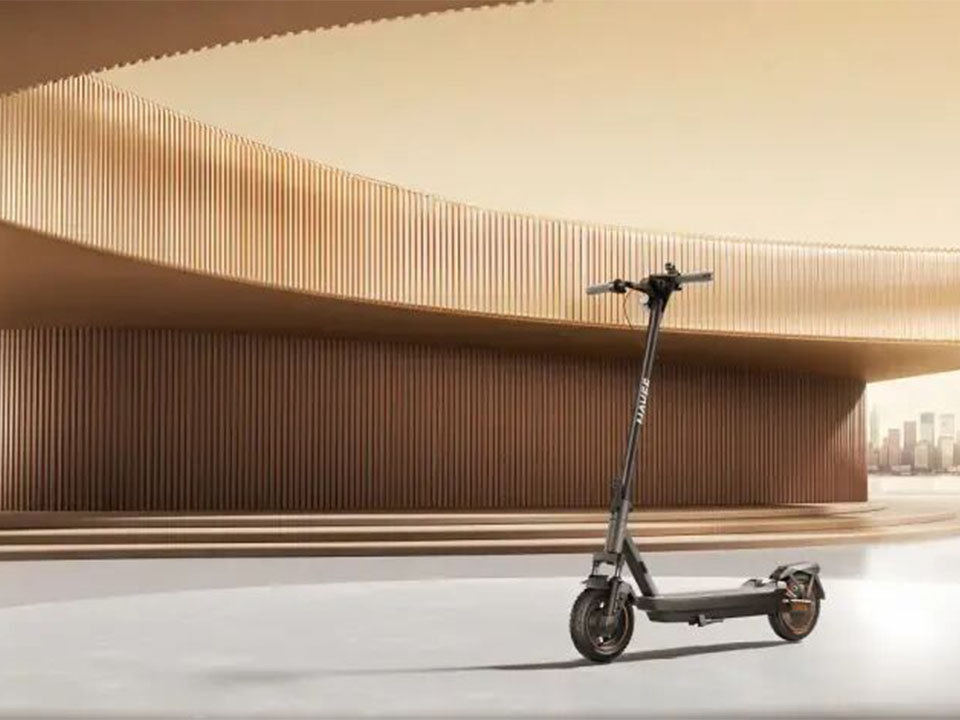
Why Ezbke Is the Smart OEM Choice for Kick Scooters
And the good ones don’t talk like marketers; they talk like people who’ve been sued, audited, rejected at customs, and forced to rebuild a BOM at 2 a.m. because a battery batch went sideways—so now they write everything down, measure everything twice, and let buyers inspect without theatrics.
If you’re sourcing a kick scooter OEM manufacturer in 2026, you’re not buying “a scooter.” You’re buying a risk profile. You’re buying whether your brand survives its first winter, its first fleet vandalism season, its first retailer compliance questionnaire. You’re buying whether the factory will still answer when you ask for a serial-number list and cell-lot traceability.
So, why Ezbke?
Because their public positioning is unusually procurement-shaped.
The tell: they publish claims that invite verification
Three numbers. One permission.
On Ezbke’s company profile, they don’t just say “fast” and “big.” They publish a 30-day production-to-shipment cycle and 35,000+ units annual capacity, and they even point to scaling to 100K units/year with robotic lines and “98% precision.” That’s either confidence… or a trap you can pin into a contract. Either way, it’s usable.
Then the line most weak suppliers dodge: they say they accept customer-specified third-party factory inspection (SGS/BV, etc.). That’s not fluff. That’s leverage—because inspection access is where “OEM” becomes real or collapses into excuses.
Want my blunt take? If a factory won’t allow inspections you control, you’re not selecting an OEM partner. You’re buying a lottery ticket.
Product reality: specs written for B2B pain, not hobby vibes
Bad scooters fail in boring ways. Hinges loosen. Brakes fade. Packs sag. Chargers cook. And your after-sales team becomes your largest department.
Ezbke’s category pages signal they’re selling into that reality: they call out IP54 durability and UL-certified batteries for their electric kick scooter line, plus wholesale pricing and OEM/ODM branding support. That’s a compliance-first vocabulary, not a consumer brochure.
Now look at one flagship SKU: the “4000W Dual Motor Electric Kick Scooter with 100km Range.” They state up to 75 km/h, max range 100 km, and give battery options: 52V 19.2Ah (80 km) or 52V 21Ah (100 km). They also specify 5–6h charge time, front and rear hydraulic disc brakes, and pack-level logistics like carton size 133×31×67 cm, NW 34 kg / GW 36 kg, and container loading guidance. That’s wholesale thinking.
And yes, there’s even an internal inconsistency on that same page—one line says “4000W peak,” while the parameter table says 1300W × 2 = 2600W. I like spotting that early, because it tells you exactly what to challenge during sampling: peak vs rated power definitions, controller current limits, thermal derating rules, and whether marketing is freelancing. This is how grown-up procurement works.
Two buyer types Ezbke seems designed for
1) Private label brands who want repeatable frames
Short sentence: Repeatability wins.
If your plan is private label kick scooters, you need stable platforms more than you need exotic innovation. That means tight BOM control, predictable suppliers for brakes/controllers/tires, and “no silent changes” written into your PO terms. Ezbke’s industrial electric kick scooter positioning—“proven industrial frames,” wholesale pricing, OEM/ODM options—maps to that playbook.
If you want to see how broad their SKU universe is (and whether you can build a coherent lineup, not a random pile), start from the master catalog: OEM/ODM mobility products catalog
2) Fleet and shared-mobility operators who hate downtime
Fleet buyers don’t care about your brand story. They care about service minutes.
Ezbke’s sharing scooter category pitch is blunt: IP65-rated, commercial batteries (1500+ cycles), GPS/Bluetooth lock, customization options like payment terminals and “city compliance kits,” and a downtime target—cut downtime to <5%. Even if you treat those as marketing claims, the fact they’re willing to state them publicly suggests they’re targeting serious RFP-style buyers, not one-off resellers.
Here’s the obvious internal link when you’re thinking fleet: sharing scooter OEM systems for city fleets
The foldable segment: where cheap factories get you hurt
Foldables are where “looks fine in photos” turns into returns.
One bolt spec wrong. One hinge tolerance sloppy. One vibration test skipped. Then your scooter develops play in the stem, and your reviews become a public trial.
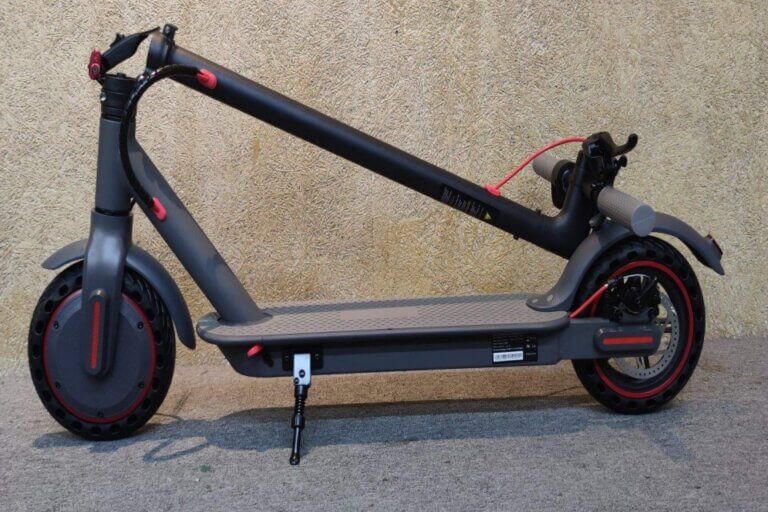
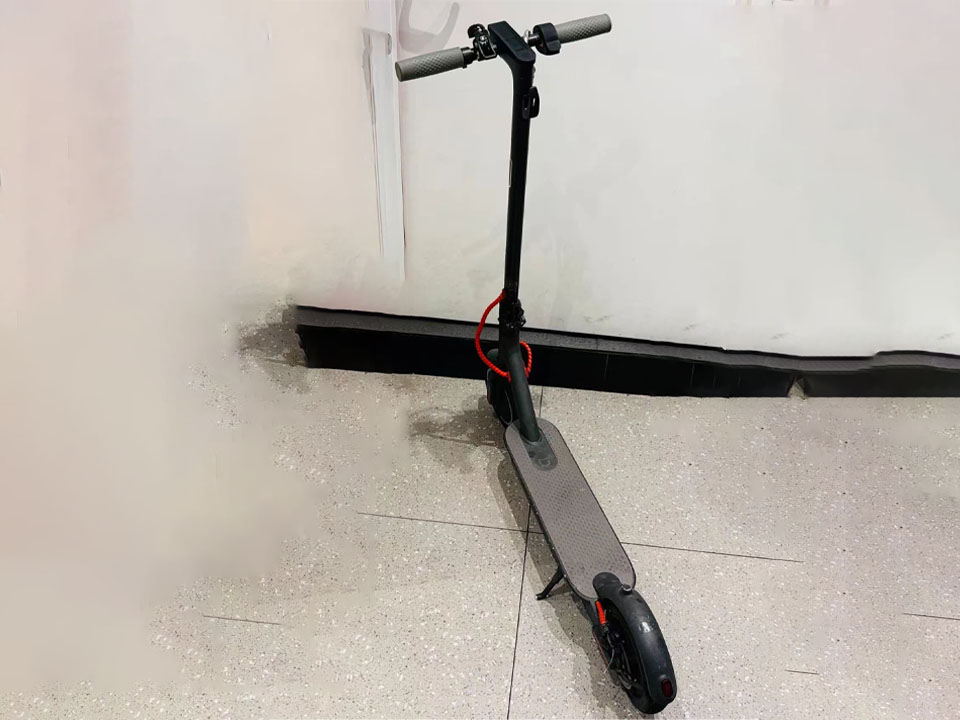
Ezbke’s foldable category copy calls out UL2272-certified, aircraft-grade hinges (20k+ cycles), and IP54 waterproofing, plus bulk OEM customization and logistics integration. Those are the right claims. Still: demand the test method. “20k cycles” means nothing unless you know load, angle, torque, and pass/fail criteria.
If foldables are your money line: industrial foldable electric scooters OEM range
What I’d verify before I call anyone “the smart OEM choice”
I’m going to be annoyingly specific, because vague due diligence is how brands die.
- Certification scope “UL-certified batteries” is a claim; you need the lab name, certificate number, and exact model mapping to your final configuration. Ezbke positions UL at category level—good start, not the finish.
- Peak vs rated power definitions The 4000W page includes both “4000W” positioning and a 2600W computed motor power line. Ask for rated power, peak power, controller current limits, thermal cutback behavior, and test conditions.
- Battery pack spec discipline They list 52V 19.2Ah and 52V 21Ah options. Good. Now require: cell brand options, BMS protection thresholds (OVP/UVP/OCP/OTP), charger voltage/current, and pack serial traceability.
- Inspection + golden sample + no-change rule Ezbke says they accept customer-specified third-party inspection. Great—write it into the contract, attach the golden sample, and penalize component substitutions without written approval.
If you want their own positioning and factory story in one place: Ezbke / Wuhan Jiebu Electronics company background & manufacturing claims
Procurement comparison table you can paste into your sourcing doc
| Decision point | What Ezbke publicly claims | What I would require in the PO/contract | Why it matters |
|---|---|---|---|
| Factory throughput | 30-day production-to-shipment; 35,000+ units/year; scaling language | Dated production plan + penalties; agreed inspection gates (pre-production, mid, pre-ship) | Lead-time lies kill launches |
| Auditability | Accepts customer-specified third-party inspection (SGS/BV etc.) | Right-to-audit clause + surprise spot checks; CAPA timelines | You can’t QC from emails |
| Scooter durability baseline | IP54 durability; UL-certified batteries (category claim) | Exact certificate mapping to your SKU; vibration + ingress test reports | Compliance questions don’t accept vibes |
| Fleet hardware | IP65; 1500+ cycles; GPS/Bluetooth lock; downtime <5% | Lock MTBF expectations; spare parts SLA; battery swap SOP | Fleets live or die on uptime |
| Performance SKU spec clarity | 75 km/h; 100 km; 52V packs; hydraulic brakes; packing/loading data | Peak vs rated definitions; controller limits; brake component datasheet | Performance units attract the worst users |
FAQs
What is a kick scooter OEM manufacturer?
A kick scooter OEM manufacturer is a factory that builds scooters for other brands under private label terms, typically providing configurable hardware (motor, battery, brakes), production capacity, quality controls, and documentation that matches the buyer’s final SKU—not just a generic model with a logo sticker. In practice, “OEM” is real only when BOM control and inspections are contract-enforced.
What does “private label kick scooters” mean?
Private label kick scooters are scooters manufactured by a supplier but sold under your brand name, with your logos, packaging, documentation, and often spec options (battery size, motor configuration, firmware limits) chosen to fit your market positioning and compliance requirements. If you’re serious, you also lock a golden sample and forbid silent component substitutions.
How do I choose a kick scooter OEM manufacturer?
Choosing a kick scooter OEM manufacturer means selecting a supplier based on auditable production capability, cert/document readiness, repeatable QC, and after-sales support—then validating those claims through sampling, inspection gates, and a contract that controls the bill of materials and remedies for defects or late shipments. If inspections aren’t welcome, walk.
What should I ask Ezbke before placing a bulk order?
Before placing a bulk order, ask Ezbke for the exact SKU BOM, certification documents mapped to your final configuration, battery pack details (52V options, BMS specs), inspection acceptance terms, and a golden-sample process—then confirm production lead time and container loading assumptions with your own logistics plan. Use their high-power model spec sheet as your interrogation template.
Which Ezbke pages matter most for OEM buyers?
The most relevant Ezbke pages for OEM buyers are the kick scooter category page for baseline claims (IP rating, UL language), the specific model page for parameters and packing/logistics, the sharing scooter page for fleet-grade positioning, and the About page for capacity, lead time, and inspection policy. Those pages form the “public claims” you can convert into contractual obligations.
CTA
If you want the fastest path to “yes/no,” don’t start with price. Start with proof.
Pick your lane and build a spec pack:
- Industrial electric kick scooter OEM lineup
- 4000W dual motor scooter spec page for performance buyers
- Sharing scooter OEM systems for fleet bids
- Factory background, capacity, and inspection policy
Then send a tight RFQ with your target voltage (52V), IP rating (IP54 vs IP65), brake type (hydraulic disc), and your inspection plan. When you’re ready, go direct: Contact Ezbke for OEM/ODM pricing and MOQ