


-
414 Block B, ZT Times Plaza, Wuhan, Hubei, China

Blog
What Makes Ezbke Sharing Scooters Easy To Service?
Ezbke’s Sharing Scooter line is basically built around that idea. The answer isn’t one magic feature. It’s a stack: hardware, swappable energy, SaaS, and ops playbook tuned for Urban M–style city projects and B2B buyers.
Below is a more casual but data-backed walk-through of why Ezbke sharing scooters are easier to service than a lot of generic imports.
Low-Maintenance Sharing Scooter — what “easy to service” really means
The blog “Low-Maintenance Sharing Scooter” sets the tone very clear: less wrench time, more ride time.
From that piece and our product pages, “easy to service” means:
- Sharing-grade spec from day one
- IP65 sealing, protected wiring looms, commercial batteries with long cycle life.
- Built-in GPS / Bluetooth locks so you don’t bolt random third-party stuff on the stem later.
- Result: fewer surprise tickets and fewer “dead units” hiding on the map.
- Real low-maintenance bits
- Airless or puncture-resistant tires → no daily flat queue.
- Swappable packs → less charger chaos, fewer night truck hauls.
- OTA firmware + fault codes → techs diagnose from the desk, not the sidewalk.
- Ops language, not just marketing
The article even talks in ops jargon: MTTR, SKUs, SOPs, campus loops, industrial shuttles… That’s the same language fleet managers use on Monday morning, not just in pitch decks.
So “easy to service” here = predictable MTTR + calm workflows, not magic scooters that never break.
FS Pro mobility electric motor scooter for adults supplier
Inside that same article, FS Pro mobility electric motor scooter for adults supplier is the classic “workhorse vibe”: rugged frame, sharing-grade parts, airless tires, and swappable battery options.
Key service angles:
- Airless tires → fewer roadside rescues.
- Modular build → fast wheel / brake / stem swaps, techs hit SLA more often.
- Dual-battery options → longer live window between visits.
- VIN / CE / UN38.3 docs ready → less back-and-forth in city tenders and customs checks.
FS Pro is basically “designed for abuse, but nice to your workshop”.
Best foldable electric scooter for commute bike wholesaler
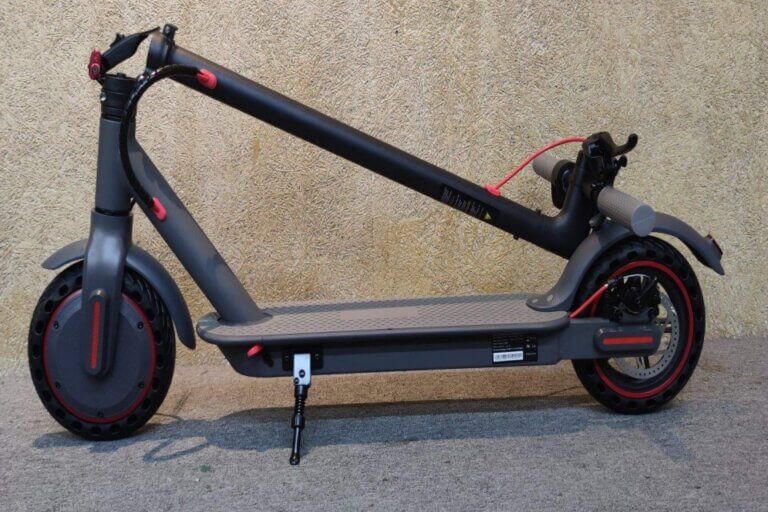
The Best foldable electric scooter for commute bike wholesaler (Super S) is used in your content as the compact, foldable option that still carries IoT and sharing-grade thinking.
Because it folds tight and behaves well in small spaces:
- Less stem damage from people forcing it into elevators.
- Cleaner parking → fewer city complaints to respond to.
- Tiny footprint in dorm lobbies, security offices, or staff garages.
All that reduces what your ops team calls “nuisance maintenance”.
S1 foldable electric scooter for adults 300 lbs factory
The S1 foldable electric scooter for adults 300 lbs factory shows another side of “service-friendly”: inclusive payload without drama.
- Higher weight rating, still foldable.
- Fewer frames bent by heavy riders or backpacks full of gear.
- Lower “wobble” complaints and returns from resorts / campuses / B2B sites.
When the chassis is spec’d right, your support inbox gets a lot quieter.
Swappable Battery Sharing Scooter Supplier — cutting dead-miles and MTTR
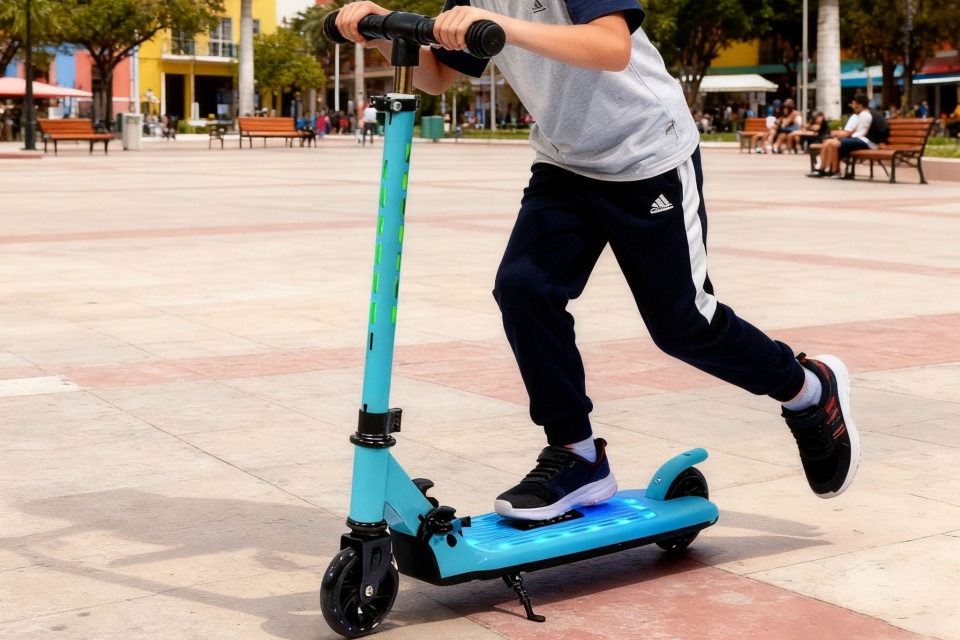
The article “Swappable Battery Sharing Scooter Supplier” spells out why battery architecture is a service topic, not just a range topic.
From that piece:
- Sharing Scooter category as home base
Frames and battery doors built for curbside swapping, with DFM/DFX and PDI checklists. Techs spend minutes, not afternoons on each unit. - Why swappable packs win in service
- Higher uptime: packs change in minutes at the curb.
- Lower dead-miles: fewer truck runs to depots.
- Predictable SLA: swap routes planned by demand heatmaps, not “who forgot to charge”.
- Cleaner safety story: standardized packs, labeled chargers, tidy logs for audits.
Ezbke’s blog catalog even has “Battery Swapping In Shared Scooters: New Tech Ahead”, which leans on the same message: swapping plus Urban M hardware keeps fleets online longer and keeps OEM/ODM projects scalable.
In short: swap-first design = easier service loops + calmer night crew.
Durable Sharing Scooter For B2B Sale — uptime as a design rule
The “Durable Sharing Scooter For B2B Sale” article starts with the painful part: early fleets died because scooters lasted weeks, sometimes days. Repairs ate the margin.
From there, “durable” is defined as:
- Long service life across seasons, not just one pilot.
- Low-cost maintenance via easy parts swap and modular layout.
- Strong welds, anti-theft fasteners, weather-proof battery housing.
For wholesalers and importers, that means:
- Better unit economics without crunching exact cost numbers.
- Less stock stuck in repair, more units actually earning.
- Fewer angry emails from B2B buyers when their rental program hits month three.
Tie that back to your factory positioning: 15+ years as an electric scooter manufacturer plant, ISO-style quality, and a full stack from Electric Bike to Sharing Scooter. That depth is part of why service stays manageable at volume.
Sharing Scooter Solution For Startups — hardware + IoT + ops = lower wrench time
The “Sharing Scooter Solution For Startups” post says it straight: a sharing business is hardware + IoT + ops, not “buy scooters, make app, hope”.
Why that matters for servicing:
- Hardware: shared-grade frames, swappable batteries, waterproof cabling, anti-tamper screws.
- IoT: GNSS / GPS, BLE, eSIM, remote lock/unlock, firmware OTA, geofence, lock-to parking.
- Ops: rebalancing, battery swap SOPs, SLAs, photo-based end-ride checks.
If any layer is weak, servicing explodes:
- No IoT → no fault codes, no remote lock, more truck rolls.
- Weak ops → batteries die in hot zones, MTTR jumps, riders churn.
So Ezbke isn’t just pushing metal; we’re selling a serviceable stack that Urban M-style operators can actually run.
SaaS Platform for Sharing Scooter Fleet Management — software that keeps techs sane
That stack continues in “SaaS Platform for Sharing Scooter Fleet Management”.
Key service-friendly parts:
- IoT & GPS telematics for Sharing Scooter
Locks/unlocks, streams battery %, pins location. You can geofence, chase lost units, and enforce parking without guessing. Terms like MTTR, OTA, dwell time, SKU mix, lock-to zones show up right in the copy. - Geofencing, remote lock, VIN & compliance
IP-rated components, VIN tags, CE / ROHS / UN38.3, IoT certifications—baked into the product guidance. Less time hunting documents when cities or insurers ask. - Swappable batteries, airless tires & MTTR
That same page calls out how airless tires and swappable packs keep FS Pro and friends earning instead of sitting in the warehouse. A bit of rough grammar right there: “it just works good in tough streets” — but ops people get the point. - Model–scenario mapping (Super S / FS Pro / S1)
Super S → multi-modal commuters;
FS Pro → high-use adult riders;
S1 → heavier / inclusive fleets.
Choosing the right scooter for the right scene is itself a service strategy; wrong fit = more damage tickets.
All of this is wrapped as OEM/ODM-friendly, so Urban M branding and analytics stay consistent across SKUs.
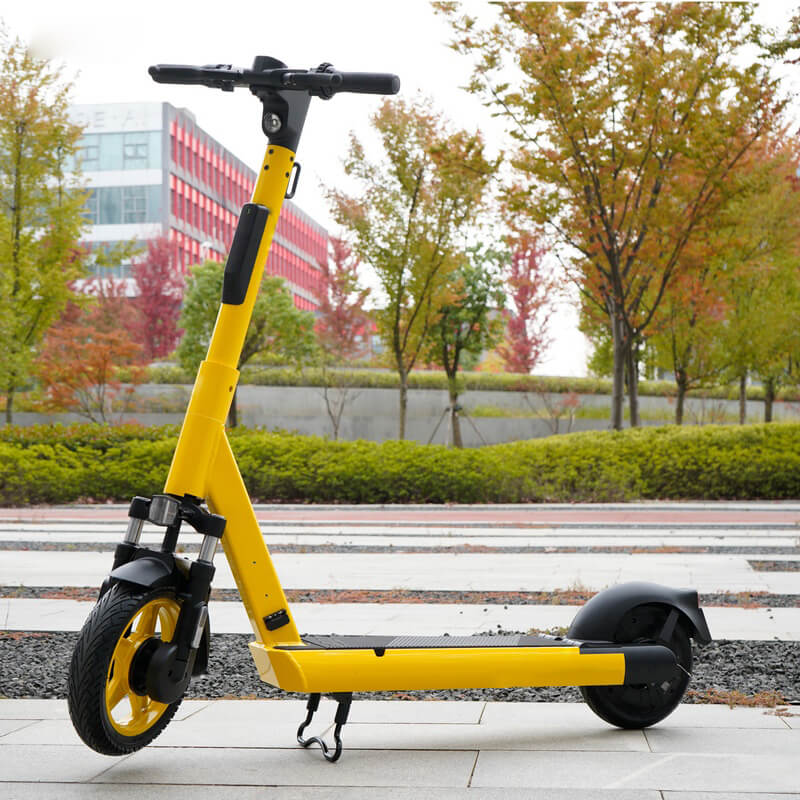
Sharing Scooters for Public Transit Connection & Supplier For Campus Sharing Scooter Project — real-world service scenes
Two more posts show how all this plays out outside the factory.
- “Sharing Scooters for Public Transit Connection”
Talks about first/last-mile gaps, record shared-mobility trips, and how e-scooters feed into stations, with geofence and safety policies layered on top. More trips per scooter means your service processes get tested daily, not just on launch week. - “Supplier For Campus Sharing Scooter Project”
Breaks down campus vendor criteria: hardware + software in one stack, swap plans, night rebalancing, incident SLAs, spare-parts pipeline, geo-rules, safety quiz, and inclusivity. All written as a checklist for admins.
Sharing Scooter — campus vendor selection criteria
In that campus article, the Sharing Scooter — campus vendor selection criteria section basically says: if it’s not written into the SOP, it won’t happen by week eight. So service-friendliness = clear playbook plus hardware that respects it.
Our Sharing Scooter lineup (Super S / FS Pro / S1) shows up again as the usual mix for dorm-to-lab, heavy riders, and staff runs—exactly the kind of Urban M campus bundle many buyers want.
Summary table: Why EZBKE Sharing Scooter lineup is easy to service
You asked for concrete arguments, table, and sources. Here’s a copy-paste-ready view:
| Argument | What it means on the street | Who mainly wins | Ezbke keyword / source |
|---|---|---|---|
| Low-Maintenance Sharing Scooter spec | IP65, commercial batteries, GPS/BLE locks → fewer surprise failures and audits that go smoother | Fleet ops, maintenance team | Low-Maintenance Sharing Scooter |
| Airless tires & modular build | No flat queues, quick wheel / brake swaps, smaller SKU list in the warehouse | Workshop, regional managers | FS Pro mobility electric motor scooter for adults supplier |
| Swappable batteries | Swap at curb, less depot hauling, predictable SLA instead of charger luck | Ops, dispatch, finance | Swappable Battery Sharing Scooter Supplier, Battery Swapping In Shared Scooters: New Tech Ahead |
| Fold + IoT combo | Super S folds fast, locks clean, behaves in tiny bays → fewer damaged stems and parking fines | City partners, riders | Best foldable electric scooter for commute bike wholesaler, SaaS model table |
| High-load chassis | S1 carries heavier riders without over-stressing frame → less wobble, fewer warranty fights | Equity zones, resorts, campuses | S1 foldable electric scooter for adults 300 lbs factory |
| IoT + SaaS for diagnostics | Fault codes, battery alerts, OTA, geofence: fix remote first, truck later | Ops, tech support | SaaS Platform for Sharing Scooter Fleet Management |
| Campus & transit playbooks | Clear SOPs, geo-rules, inclusion goals → predictable service patterns and stable MTTR | Campus admins, public agencies | Sharing Scooters for Public Transit Connection, Supplier For Campus Sharing Scooter Project |
| 15Y factory + OEM/ODM depth | Stable SKUs, docs, spares, ISO habits → easier long-term servicing and scaling | Wholesalers, Urban M-type operators | Site footers & product catalog (Sharing Scooter, Electric Kick Scooter, Foldable, etc.) |

Final take for wholesalers, operators, and Urban M-style projects
Put it simple:
- You’ve got a 15-year, ISO-certified plant that builds Electric Bike, Electric Kick Scooter, Electric Motorcycle, Foldable Electric Scooter, and Sharing Scooter for bulk buyers, OEM/ODM, and private label.
- The Sharing Scooter lineup (Super S / FS Pro / S1) is tuned for uptime, swap speed, and realistic abuse.
- The SaaS + IoT layer speaks ops language: MTTR, geofence, OTA, VIN, SLAs.
- Urban M styling keeps fleets looking clean while the tech side quietly keeps service pain under control.
So when someone asks “What makes Ezbke sharing scooters easy to service?”, the honest answer is:
They’re built like fleet tools, not toys — from frame welds to battery doors to the software that tells your team which scooter to touch next.
Not perfect grammar maybe, but it works. And more important: it works on the street.