


-
414 Block B, ZT Times Plaza, Wuhan, Hubei, China

Blog
What Makes a Scooter OEM Worth Partnering With?
You can find a lot of “how to choose an electric scooter OEM” articles online. They don’t all say it the same way, but the themes repeat. And honestly, those themes match what buyers ask for when they land on EZBKE: bulk orders, custom builds, OEM/ODM, and steady supply from a 15Y electric scooter manufacturer plant.
So let’s turn those themes into a practical checklist you can use. I’ll keep it real-world. I’ll also tie it to our Electric Kick Scooter line, because that’s where most “partner or pass” decisions get made fast.
(You can browse the full category here: Electric Kick Scooter.)
UN 38.3 Test Summary
If you remember one thing, remember this: battery compliance decides if you can ship. Not your logo. Not your brochure.
UN 38.3 documentation for lithium battery shipping
Serious OEMs don’t dodge this topic. They can provide the UN 38.3 test set and a Test Summary for the exact battery pack configuration you’re buying. If they can’t, you’re not “waiting on paperwork.” You’re waiting on trouble.
Real scenario:
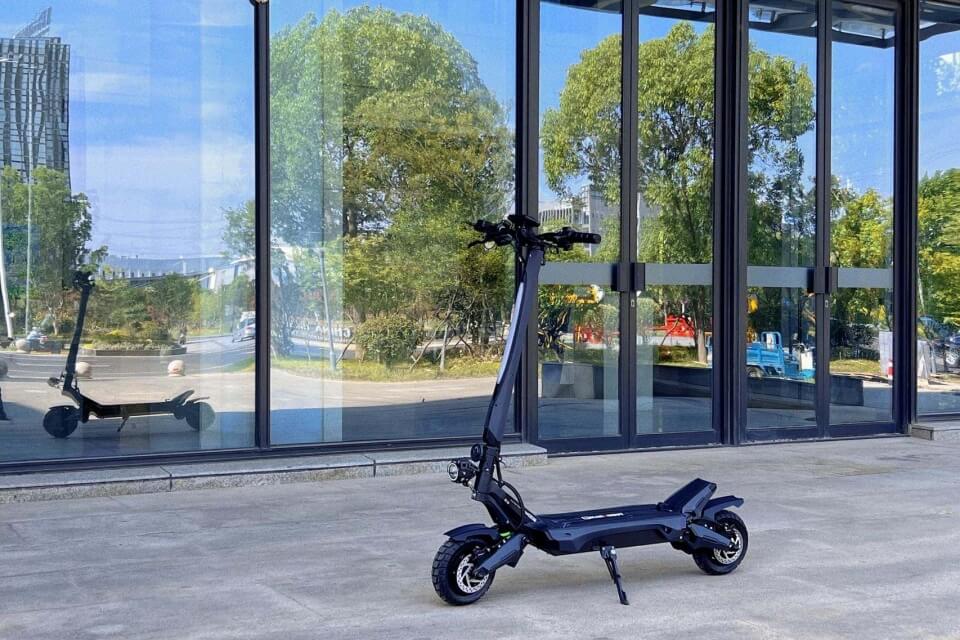
You’re importing a long-range model like the 4000W Dual Motor Electric Kick Scooter with 100km Range. The battery isn’t a side detail. It’s the whole risk profile.
What a good OEM does:
- Matches battery docs to the actual pack (cells, BMS, wiring, enclosure)
- Keeps traceability (batch/lot records) so you can track issues
- Talks shipping limits clearly (no vague “should be fine” talk)
Source you can cite (no links): IATA lithium battery transport rules; U.S. DOT/PHMSA guidance on Test Summary expectations.
EN 17128:2020 PLEV
Different markets want different proof. If your OEM acts like “one certificate fits all,” that’s a red flag.
EN 17128 PLEV standard for personal light electric vehicles
EN 17128 shows up a lot in EU/UK conversations around PLEV safety. It won’t replace every local rule, but it signals your OEM understands the safety language people use in Europe.
Real scenario:
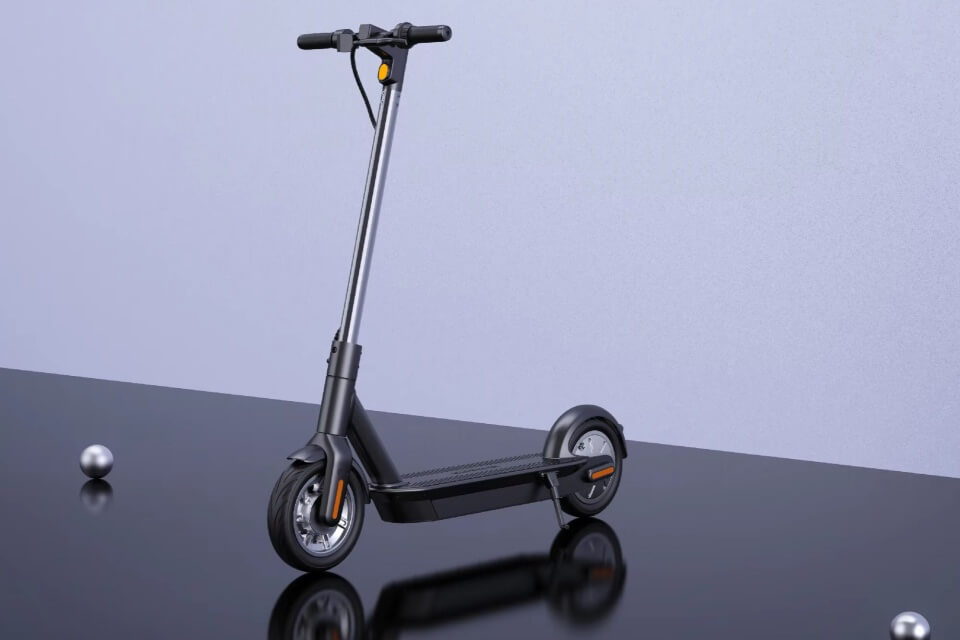
You sell a commuter model like the H1 foldable electric scooter for adults for commuting. Your customers ride near traffic, curbs, wet paint, and potholes. If the OEM can’t speak about braking, stability, folding locks, and electrical safety in a structured way, you’re guessing.
What a good OEM does:
- Builds test plans around how riders actually ride
- Documents folding mechanism durability (not just “works in factory”)
- Tracks field failures and improves the design over time
Source you can cite (no links): CEN EN 17128:2020; UK public safety research notes on PLEV battery/fire risks.
Pre-Shipment Inspection
A strong OEM doesn’t treat quality as a pep talk. They treat it like a system.
AQL sampling plan and pre-shipment inspection checklist
If you’re buying wholesale, you need predictable output. That usually means:
- AQL sampling
- clear defect definitions (critical/major/minor)
- pre-shipment inspection steps that don’t change every week
Real scenario:
You sell a high-demand “heavy adult” scooter like the GS1/GS1-Pro electric scooter for heavy adults 400lbs. Your buyers care about frame strength, weld quality, and fastener torque. A weak QC process will miss small build issues that become big returns later.
What a good OEM does:
- Uses torque specs and marks fasteners (so you can audit)
- Runs functional checks (brake cut-off, throttle response, lighting)
- Keeps consistent packing checks (damage in transit kills reviews)
Source you can cite (no links): third-party inspection industry checklists; common AQL inspection standards used in consumer goods.
CAPA and 8D Report
Problems happen. The question is how the OEM reacts when they happen.
Corrective and Preventive Action (CAPA) and 8D problem solving
Good OEMs don’t just ship replacements. They run a root-cause process and prove the fix sticks.
Real scenario:
A batch of foldables develops stem play after heavy use. If your OEM only says “we’ll tighten it,” you’re in a loop. If they give you an 8D report, you can see:
- why it happened
- what changed on the line
- how they prevented repeat issues
This is where buyers start saying, “OK, this factory is serious.” It’s not sexy. It’s survival.
Source you can cite (no links): ISO-style CAPA practices; common 8D methodology used in manufacturing quality systems.
OEM vs ODM
People love throwing “OEM/ODM” into a pitch deck. What matters is how the factory runs change.
BOM freeze, engineering change control, and ODM customization
If you want customization, you need a clean process:
- BOM freeze (the build list stops moving)
- controlled ECO/ECN changes (changes don’t sneak in)
- sample approval tied to mass production
Real scenario:
You start with an ODM base, then you want your own spec. Maybe you want a better commuter feel, or a stronger frame for heavier riders, like the H0/H0 Pro foldable electric scooter for heavy adults. If the OEM can’t manage version control, you’ll get mixed parts across batches. That’s real headache.
Where Urban M fits naturally:
If you’re building a city-ready product line like Urban M (for example, the Urbanm G1 electric scooter foldable 40 mph), you don’t just want speed. You want repeatable ride feel, stable folding, and dependable parts sourcing. That needs change control, not vibes.
Source you can cite (no links): standard OEM/ODM manufacturing workflows; engineering change control best practices.
ISO-certified production
ISO isn’t magic. But when an OEM runs ISO-style production, you usually see fewer surprises.
ISO 9001 quality management system
An ISO-certified plant tends to have:
- documented work instructions
- training records
- calibration logs for tools
- traceability for key parts
That’s boring stuff, yeah. But boring is good when you’re buying in bulk.
Real scenario:
You’re selling a lightweight, fast commuter like the M365 lightweight fast electric scooter for adults 20 mph. Small assembly drift can cause squeaks, rattles, or early wear. Process control helps stop that drift.
Source you can cite (no links): ISO 9001 quality system requirements.
After-sales parts and RMA process
If you’re a distributor, a fleet operator, or a reseller, your real cost isn’t the scooter. It’s the chaos when parts are missing.
Spare parts list, RMA workflow, and service manual
A partner-grade OEM supports:
- a spare parts list (with version matching)
- RMA rules (what qualifies, what doesn’t)
- service docs (simple, visual, practical)
Real scenario:
You run a sharing program or bulk resale and you stock a long-range model like the X3 long range electric folding scooter for adults. You need fast swaps: tires, brakes, controllers, folding parts. If your OEM can’t ship parts quickly and consistently, your downtime grows. And your customers get loud.
Source you can cite (no links): standard RMA practices in consumer electronics; fleet maintenance operating models.
Partner-Readiness Scorecard
Here’s a table you can drop into your own buyer guide. It keeps the conversation factual.
| Keyword area | What you should ask for | What you’re trying to avoid | Source you can cite (no links) |
|---|---|---|---|
| UN 38.3 Test Summary | Battery test summary tied to your exact pack | shipment delays, blocked freight | IATA lithium battery transport rules; PHMSA guidance |
| EN 17128:2020 PLEV | Market-aligned safety thinking and test plan | “one cert fits all” excuses | CEN EN 17128; UK PLEV safety research |
| AQL sampling plan | AQL level + PSI checklist + defect definitions | “sample good, mass bad” | AQL inspection standards; inspection industry practice |
| CAPA / 8D Report | Root-cause report + corrective action evidence | repeat defects, endless rework | ISO-style CAPA; 8D methodology |
| BOM freeze / ECN | Version control + change approval flow | mixed parts across batches | engineering change control practice |
| ISO 9001 QMS | Process documents + calibration + traceability | hidden line drift | ISO 9001 requirements |
| RMA workflow | Spare parts list + RMA rules + manuals | downtime, angry buyers | standard RMA operations |
Closing thought
A scooter OEM is worth partnering with when they do three things well:
- They keep you shippable (battery docs and market compliance).
- They keep you consistent (AQL, PSI, process control).
- They keep you scalable (change control, parts support, clear OEM/ODM workflow).
That’s it. Not flashy. Not complicated.