


-
414 Block B, ZT Times Plaza, Wuhan, Hubei, China

Blog
What Makes a Great OEM Electric Bicycle Partner?
Factories bluff. I’ve watched brands get seduced by a low quote, then bleed out slowly—late ETAs, silent component swaps, “equivalent” batteries, warranty chaos—because no one forced the OEM to prove control with documents and test logs instead of friendly emails. So here’s the question: are you buying bicycles, or are you buying a risk management system?
I’m going to be blunt. A great OEM e-bike manufacturer is not the one with the prettiest catalog. It’s the one that can survive hostile scrutiny: regulators, insurers, distributor chargebacks, and the one thing nobody plans for—battery incidents that turn into a brand-level crisis overnight.
What “great” really means in an OEM electric bicycle partner
Three words: proof, not promises. If your partner can’t show traceability, QC metrics, and disciplined change control, then you don’t have a partner—you have a shipment source, and shipment sources disappear the moment your first failure trend shows up.
1) Battery and electrical-system discipline
Most failures I’ve investigated start here: pack quality variance, BMS settings that don’t match the charger curve, wiring harness inconsistencies, or connectors that run warm until they don’t. The “great” factories don’t just say “safe battery.” They show pack spec sheets, supplier chain, incoming inspection, and end-of-line electrical test logs tied to serial numbers.
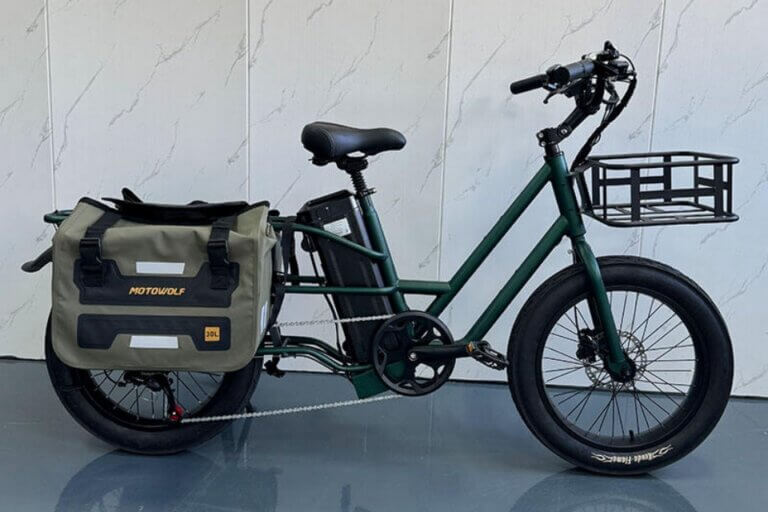
If you’re screening capability through real SKUs, force the conversation into specifics. A workload build like a 350W electric cargo bike with dual battery and heavy-duty rack changes the QC math: two packs, more connectors, more failure surfaces, more need for disciplined harness routing and test standards. A three-wheeler like the 750W 3-wheel electric cargo bike with large front box adds load and braking realities that expose weak component control fast.
2) Traceability that’s actually usable
Traceability is a verb. I don’t mean a sticker. I mean a chain you can follow in hours, not weeks: frame serial → battery pack serial → controller batch → charger batch → final test timestamp → operator station. When something breaks in the field, you either isolate it surgically or you pay for panic.
A strong e-bike OEM supplier can demonstrate this on demand, using your chosen sample serials pulled from their last shipment.
3) Change control: the “equivalent” trap
But “equivalent” is where brands die.
The cheap OEM play is predictable: quote aggressively, win the PO, then quietly substitute parts when procurement tightens—cells, controllers, brakes, tires, even fasteners. Great partners treat any substitution like an engineering event: documented request, approval, test impact, quarantining old stock, and clear serial-range segmentation.
If your OEM can’t talk about change control without getting defensive, that’s information. Bad information.
4) QC that’s measured, not narrated
I don’t care about their slogans. I care about numbers: incoming defect rate by category, rework percentage, end-of-line yield, top 10 defects, torque tool calibration cadence, and warranty return root-cause summaries. Great OEMs track these like their rent depends on it—because it does.
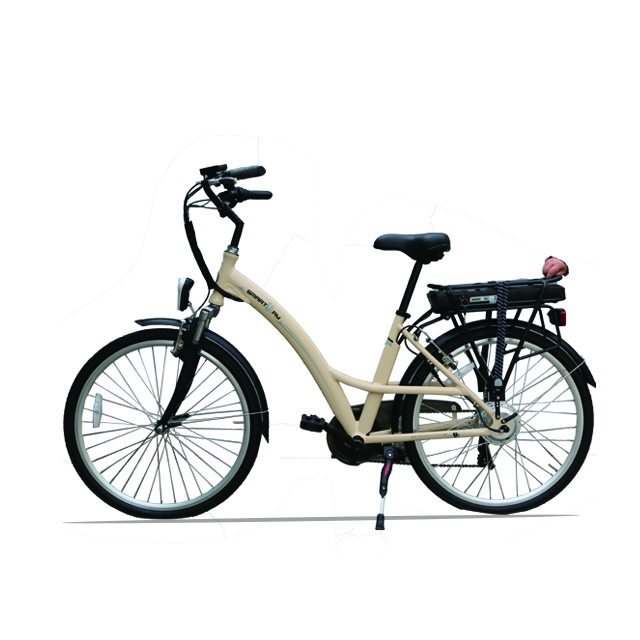
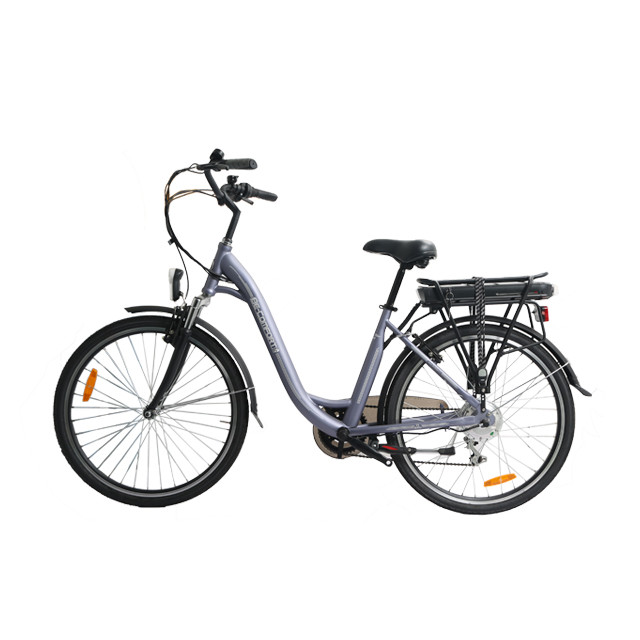
Want a simple pressure test? Pick a model from their lineup and ask for the QC artifacts tied to it. If you’re looking at commuter basics like Wholesale peak power 450W electric bike from China factory, request the electrical test thresholds and the pass/fail logging method. If they stall, that’s your answer.
5) Commercial honesty: MOQ, lead times, and who eats the mistakes
Here’s the hard truth. Your relationship will be defined by what happens when things go wrong: scratched frames, dead controllers, battery imbalances, shipping damage, missing cartons, firmware issues. Great partners pre-negotiate pain: spares strategy, RMA workflow, defect thresholds, and credit terms that don’t require begging.
If the contract is silent, you’ll pay twice: once in cash, once in reputation.
The insider questions I use to smoke-test “best OEM e-bike factory” claims
Ask these in writing. Always in writing.
- “Show your end-of-line test checklist and the data output for the last production run.”
- “Provide traceability mapping for battery pack serials to component batches.”
- “Explain your ECN/change control process and share two recent examples.”
- “List your top five warranty issues last quarter and root causes.”
- “What’s your packaging drop-test standard and carton failure rate trend?”
Then I do something buyers skip: I compare their answers to what they publicly claim. Start with their products catalog and cross-check their product categories—like electric bike category pages—to see if their capability story is coherent or just a collage.
And yes, scooters matter too. If a supplier sells high-power micromobility like the 4000W dual motor electric kick scooter with 100km range, it usually implies they’ve dealt with higher current, thermal realities, and stricter failure consequences—if their QC discipline matches the spec sheet. That’s not a guarantee. It’s a lead for better questions.
Practical scorecard
| Evaluation Area | Great OEM Electric Bicycle Partner Looks Like | Red Flags | What You Demand |
|---|---|---|---|
| Battery & system QC | Pack specs, incoming inspection, BMS/charger matching, logged EOL electrical tests | “Same as others,” no logs, vague suppliers | Test logs, pack spec, supplier mapping |
| Traceability | Serial-to-batch chain within 24 hours | Sticker-only SN, missing linkages | Serial sample pull + trace report |
| Change control | Written ECN workflow with approvals + retesting | Quiet substitutions, “equivalent parts” | ECN examples + quarantine rules |
| Manufacturing consistency | Yield, rework, defect Pareto charts | “We inspect everything” with no numbers | 90-day QC metrics snapshot |
| Warranty readiness | Spares plan + RMA workflow + response SLAs | “Distributor handles it” | Parts matrix + turnaround terms |
| Commercial transparency | Clear MOQ, lead time, and defect responsibility | Surprise fees, shifting terms | Written cost + responsibility schedule |
Internal linking that actually converts
When you reference capability, link to real products. When you reference breadth, link to the catalog. When you invite action, link to contact.
That’s why I’d naturally weave:
- OEM e-bike product catalog for capability review when discussing platform breadth
- Electric bike category for private label selection when explaining lineup filtering
- Contact the electric bike manufacturing partner for RFQs and audit requests Optional credibility context, if needed: About the OEM team and factory overview and blog resources for deeper process content
FAQs
How do I choose an OEM e-bike partner? A solid method to choose an OEM e-bike partner is to verify manufacturing control with documents—traceability, QC metrics, and change-control records—then validate those claims on one specific model by requesting end-of-line test logs and serial-linked component batch mapping. If they can’t produce proof fast, assume they can’t control outcomes.
What makes a good OEM e-bike supplier? A good OEM e-bike supplier is one that repeatedly builds to spec with measurable QC, maintains serial-level traceability across battery and electrical components, and enforces disciplined engineering change control so your private label doesn’t absorb hidden safety, warranty, or compliance risk. You’re buying predictability, not charisma.
What should I ask an OEM electric bicycle partner before placing a deposit? The smartest pre-deposit questions are requests for auditable artifacts: recent end-of-line electrical test logs, battery pack specifications, traceability samples for shipped serial numbers, and written ECN/change-control examples that prove the factory doesn’t substitute parts without documented approval. Deposits reward confidence; documents reward competence.
How do I evaluate “private label electric bike manufacturer” claims quickly? A fast evaluation is to pick one SKU from the supplier catalog, then demand the full QC and traceability packet for that SKU—BOM, incoming inspection plan, end-of-line test checklist, defect metrics, and serial-linked batch records—so you can judge operational control beyond marketing claims. If they dodge specifics, you’re done.
What are the biggest red flags with e-bike contract manufacturing? The biggest red flags are vague battery sourcing, missing end-of-line test data, no documented change control, inconsistent lead time explanations, and contracts that avoid warranty responsibility, because those signals usually correlate with quiet substitutions and field failures that surface after you’ve already scaled distribution. A cheap quote often means expensive uncertainty.
CTA
If you want an OEM e-bike manufacturer you can defend when things get messy, stop starting with price. Start with proof. Pick 2–3 candidates from the full products catalog or narrow by the electric bike category, then send a serious RFQ through the contact page for OEM electric bicycle partnering asking for traceability samples, QC metrics, and change-control examples tied to a specific model.