


-
414 Block B, ZT Times Plaza, Wuhan, Hubei, China

Blog
What Do Quora-Style Q&A Threads Say About Scooter Accidents
You see the same pattern again and again: people hop on an electric kick scooter thinking it’s “just a fun short ride,” then a tiny mistake turns into a real crash. Let’s map the most common claims (the stuff riders repeat in Q&A threads) to real injury research, then translate it into practical choices for riders and for wholesale/fleet buyers.
Related research and reports referenced
- CDC (Austin, 2018): interviews + medical record review of dockless e-scooter injury cases.
- JAMA Network Open (Trivedi et al., 2019): emergency department case series + rider observations.
- Systematic review (Bone & Joint Open, 2022): pooled findings across 34 studies (injury mechanisms, where crashes happen, etc.).
- Micromobility safety / design guidance (ITF-OECD, 2024): wheel size, stance, and stability factors.
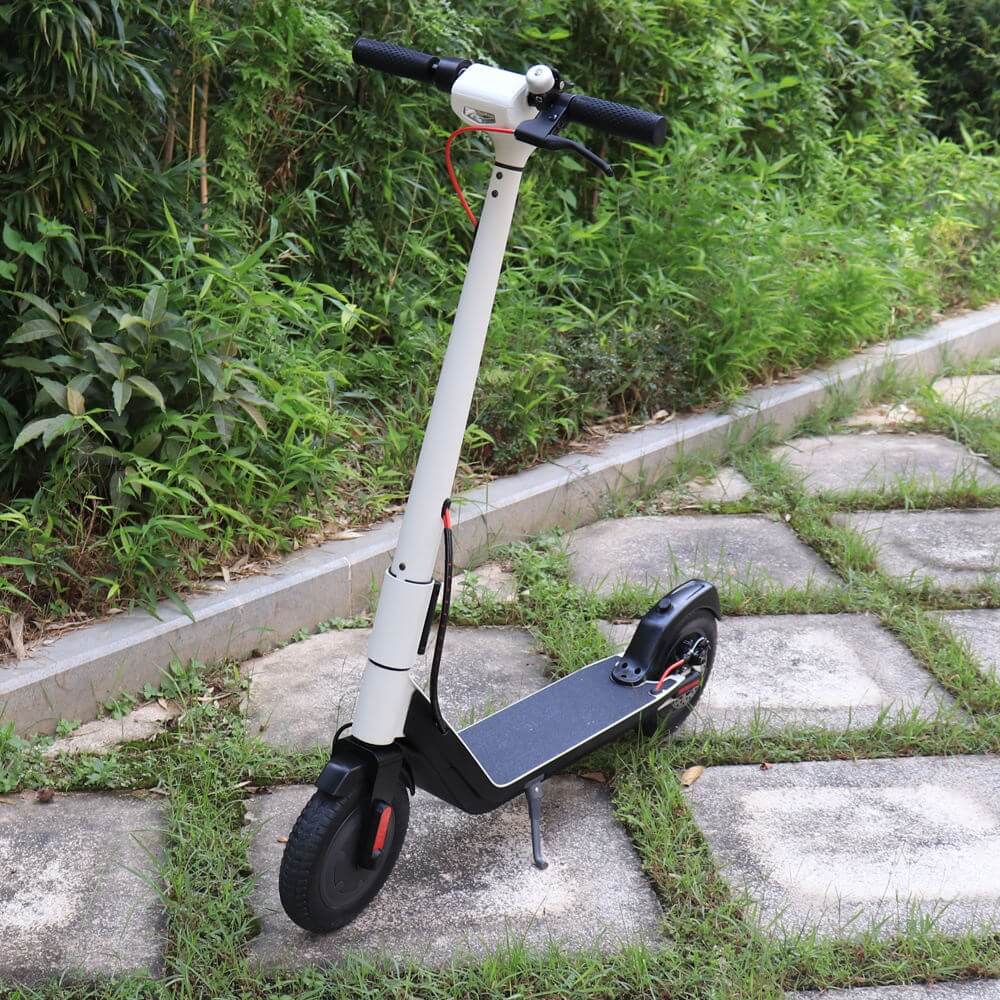
Electric scooter accident causes
Most “scooter accidents” aren’t dramatic car impacts. They’re simple falls—a wobble, a curb, a crack, a panic-brake—then you’re on the ground before your brain even finishes yelling “oh no.” In a 34-study systematic review, falls made up the biggest share of injuries, while vehicle collisions were a smaller slice.
The JAMA case series lines up with that: among injured riders, falls were the most common mechanism.
Single-rider falls
Small wheels + imperfect streets = trouble. Riders don’t need a “big hazard.” A shallow pothole or curb edge can do it.
Collisions with vehicles
Less frequent than falls in the injury mechanisms above, but usually more severe when they happen (because physics don’t care about your confidence).
Helmet use and head injury risk
Here’s the brutal combo: head injuries show up a lot, and helmet use stays low.
- JAMA reported head injuries as one of the most common injury categories, and helmet use among injured riders was low.
- The CDC’s Austin work also found extremely low helmet use among injured riders (their “less than one percent” quote is… yeah).
If you only do one thing as a rider: wear a helmet. If you’re a fleet buyer: bake helmet messaging + rider onboarding into your ops, or you’ll get incident emails all week long.
Road surface hazards and potholes
Riders in interviews often blame the road, and the data backs that up.
- CDC Austin: about half of injured people pointed to surface conditions (potholes, cracks) contributing to the crash.
- Simulation work highlighted how deeper potholes spike fall likelihood (and smaller wheels get punished sooner).
This is why “nice specs on paper” isn’t enough. The street is the real test bench.
Curb edges and sidewalk seams
You don’t need a crater. A curb cut taken at the wrong angle can kick the front wheel sideways fast.
Electric scooter braking system and tire choice
People talk about speed a lot. I’d argue braking + contact patch matter more in daily use.
- Dual braking (like disc + EABS / drum + EABS) helps you modulate stops instead of doing the classic panic-grab-and-slide.
- Pneumatic tires usually absorb street chatter better; solid tires cut flats but can feel harsher on rough pavement.
- Wheel size + stance stability show up in safety guidance (bigger wheels clear obstacles better; stance stability matters).
This is where product design meets real-world risk. Not theory—just fewer wipeouts.
Evidence-backed scooter accident arguments (with sources)
| Argument keyword | What riders keep saying in Q&A | What research found | Practical takeaway | Source |
|---|---|---|---|---|
| Electric scooter falls | “I just hit a crack/curb and ate it” | Falls are the dominant injury mechanism in multiple datasets/reviews | Train riders on curb angles + slow-speed balance drills | JAMA; Systematic review |
| Helmet use | “It was a quick ride, no helmet” | Helmet use reported as very low among injured riders; head injuries are common | Helmet policy + reminders for fleets; helmets for commuters | CDC; JAMA |
| Road surface hazards | “Potholes got me” | Surface defects frequently contribute; pothole depth can sharply increase fall probability | Bigger wheels + suspension help; push cities/venues to fix hot spots | CDC; Imperial analysis |
| Wheel size and stability | “Small wheels feel twitchy” | Safety guidance links wheel size/stance stability to obstacle handling and stability | Spec wheels/tires to match route quality, not marketing | ITF-OECD |
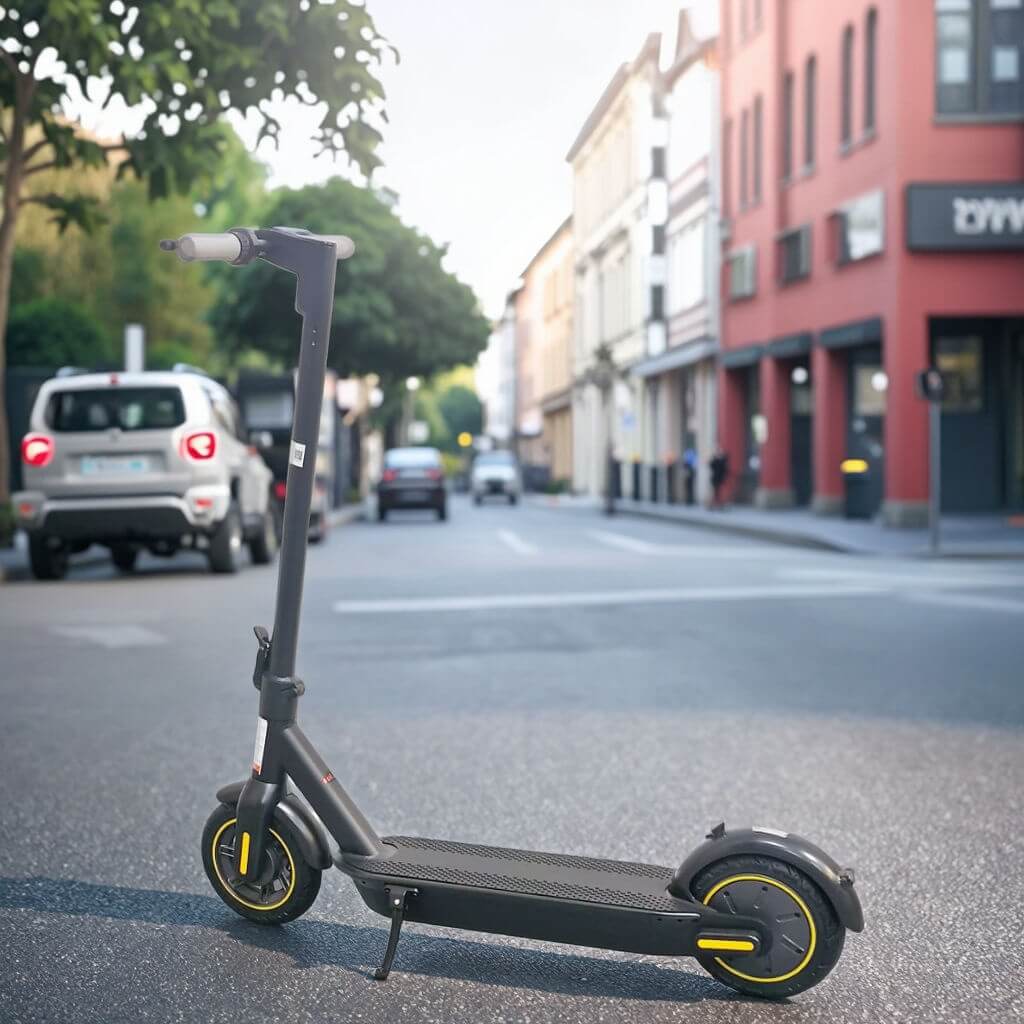
Electric Kick Scooter wholesale safety and OEM/ODM quality control
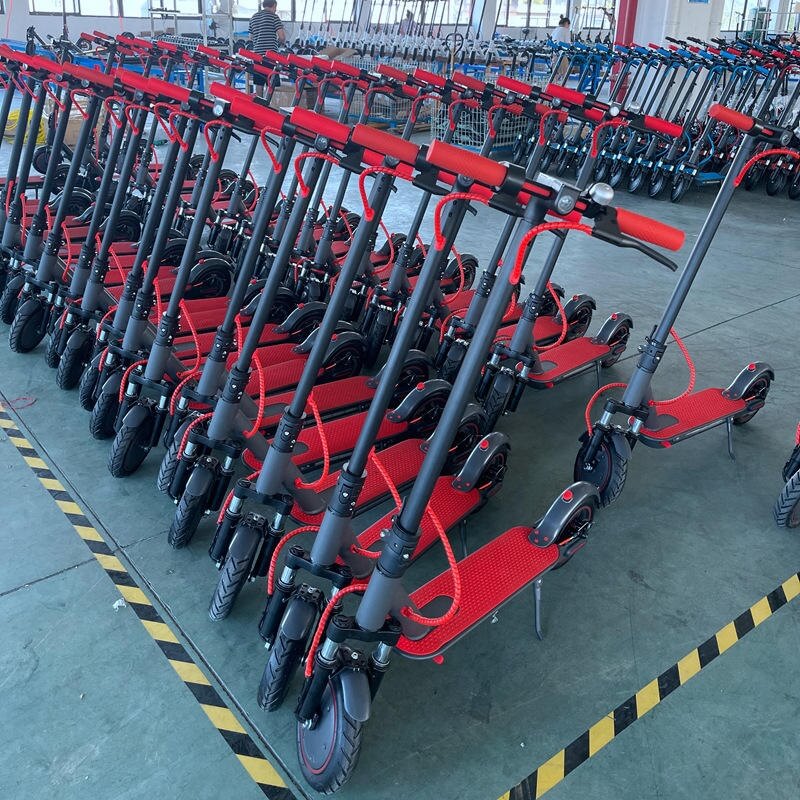
If you sell or operate scooters at scale, accidents aren’t only a “rider problem.” They’re a system problem: hardware + QC + onboarding + maintenance loop.
On EZBKE’s Electric Kick Scooter category page , they position around IP54-rated durability, UL-certified batteries, wholesale pricing, and OEM/ODM options—that’s the correct direction for B2B buyers because it signals you’re thinking about consistency and compliance, not just one-off units.
Also, when you run bulk orders, your pain usually looks like:
- DOA units (dead-on-arrival) and small assembly misses
- parts continuity (same controller tune, same brake feel, same tire spec)
- post-sale support: spares kits, swap parts, quick troubleshooting
It don’t sound sexy, but this is how you keep fleet uptime decent.
Electric kick scooter use cases (and where each model fits)
Below is a practical “match the scooter to the scenario” view using EZBKE/Urban M product specs (so you can talk to buyers without guessing).
| Model keyword | Best-fit scenario | Spec highlights that matter for safety/ops | Source |
|---|---|---|---|
| 4000W Dual Motor Electric Kick Scooter with 100km Range | Fleet / long-range, high-power routes (experienced riders only) | Dual hydraulic disc brakes; motorcycle-class suspension; max speed and long range demand stricter onboarding | |
| GS1 / GS1-Pro electric scooter for heavy adults 400lbs | Rental startups + urban riders needing stable “workhorse” units | Dual braking (rear drum + E-ABS); 10” tire setups; suspension; max load listed | |
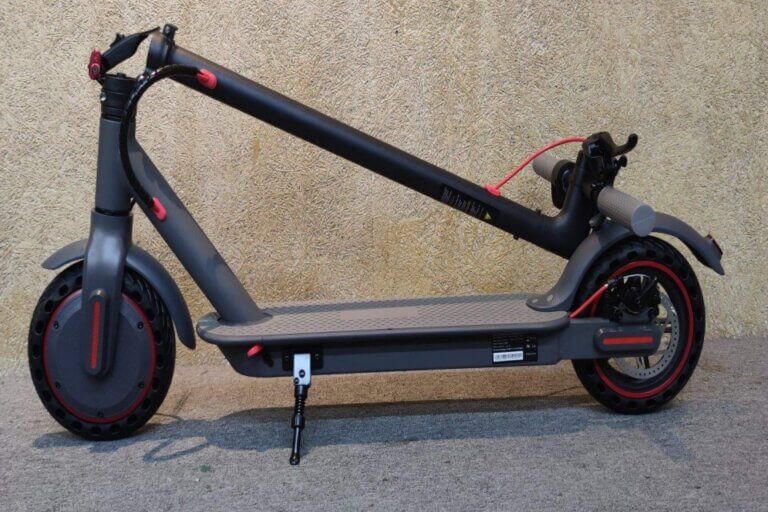
| Urbanm G1 electric scooter foldable 40 mph manufacturer | Commuters + last-mile delivery fleets | Disc brake; lighting; folding; max load listed; range per charge listed | |
| X3 long range electric folding scooter for adults wholesaler | Daily commuting + bulk procurement | EABS + disc; 10-inch air tires; hidden front suspension; foldable frame | |
| M365 lightweight fast electric scooter for adults 20 mph factory | Staff mobility + campus routes | Lighting kit; certified shipping notes; max load listed; multiple battery options | |
| H1 foldable electric scooter for adults for commuting factory | Short commute / indoor storage-heavy routes | Solid tires (low puncture headaches); light weight; quick charge window | |
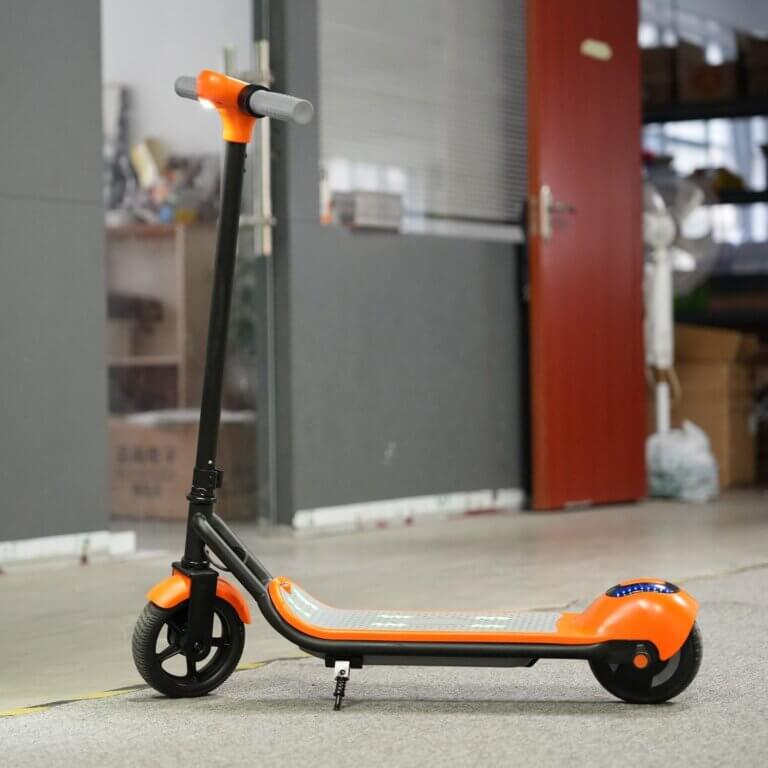
| H0 / H0 Pro best electric scooter foldable | Ultra-portable, short hop trips | Electronic + foot brake; very small tire size; short-range spec (so manage expectations) |
You can also thread Urban M into the pitch naturally: it’s easier to sell a line when buyers see you actually build for real streets, not only spec sheets. (And yes, Urban M shows up across the EZBKE kick scooter lineup.)
Electric scooter rider training checklist
If you want fewer crashes, don’t just say “ride safe.” Give people a simple routine:
- First 10 minutes = slow mode only. Practice gentle braking. No sudden lever yanks.
- Scan for surface defects early. Potholes, drain grates, curb lips—treat them like oil slicks.
- Lights on before sunset. Visibility buys you reaction time.
- Helmet every trip. Even the “quick one.”
For fleet buyers: turn this into a one-page SOP, add a QR training clip, and require sign-off. You’ll see fewer incident reports, period.
Bottom line
Quora-style Q&A stories often sound messy and personal (“I hit a crack,” “I didn’t wear a helmet,” “the curb came out of nowhere”). The research says those stories aren’t random—they’re the common failure modes: falls, surface hazards, and low helmet use.
If you’re sourcing for wholesale, OEM/ODM, or fleet deployment, you can’t control every rider. But you can control your spec choices (brakes/tires/suspension), your QC discipline, and your onboarding flow. That’s how you keep the business side clean, with less drama and fewer angry emails.