


-
414 Block B, ZT Times Plaza, Wuhan, Hubei, China

Blog
What B2B Clients Want in Performance E-Motorcycles
But let me start with the thing nobody wants to admit on a sales call: the minute you say “performance,” a serious buyer hears “higher warranty exposure,” “hot controllers,” “fried phase wires,” and a warehouse manager quietly Googling “battery incident protocol” while you’re still bragging about peak watts and 0–50 times.
I’ve seen fleets fall in love with a unit in week one, then spend week twelve playing whack-a-mole with chargers, connectors, throttle assemblies, and whatever mystery gremlin shows up when 30 riders treat your product like a rental they don’t own. That’s not “bad luck.” That’s the job.
So—what do B2B clients want?
Not the adrenaline. The predictability.
The “performance” story that gets you ghosted
Yet the industry keeps pitching numbers that don’t survive field use. Peak power. Top speed. “Pro” badges. A heroic range figure with zero context. And procurement teams? They nod politely, then put you in the “high-risk, high-maintenance” bucket and move on.
Because performance (in B2B speak) isn’t a marketing flex; it’s repeatable output after month three, with real rider weights, real duty cycles, real weather, and real abuse, plus the paperwork and parts pipeline to keep the fleet alive when the honeymoon phase is over.
Do you want the ugly truth? Most “performance” suppliers get punished by their best customers—fleets—because fleets create the harshest test environment, and harsh environments reveal sloppy build discipline faster than any showroom demo ever could.
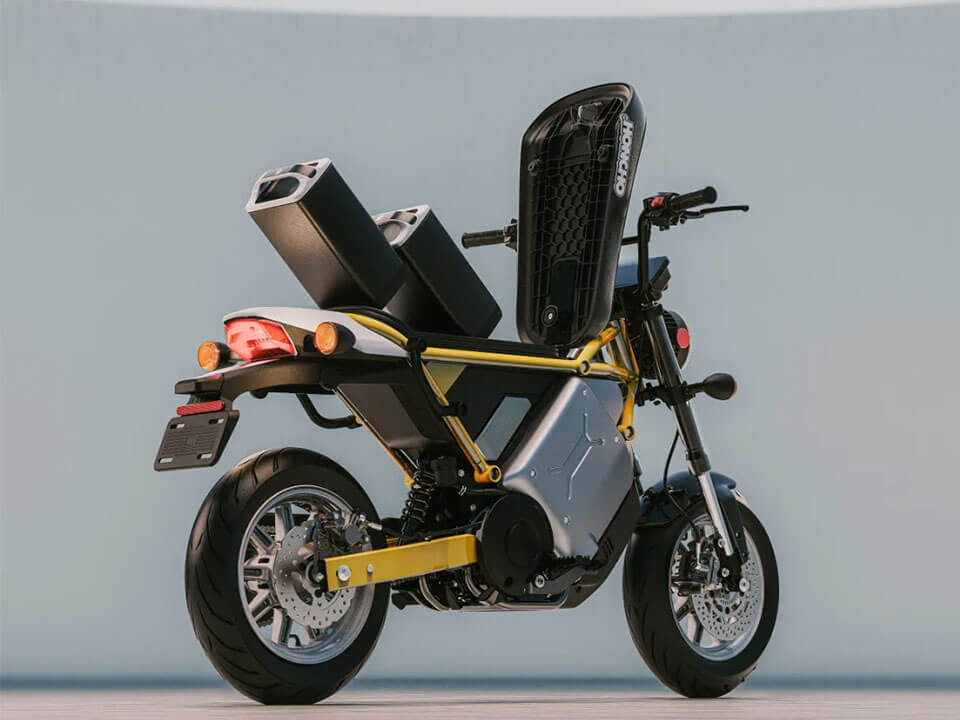
What B2B buyers actually ask (after the Zoom call ends)
However, it’s not always asked directly. They’ll say “performance,” then slide in the questions that matter—quietly, like they’re checking your pulse.
1) Range claims that don’t collapse in the first week
Range is a trap. It’s also the first thing that gets weaponized against you when the fleet manager realizes your “100 km” line was… optimistic (and yeah, I’m being nice).
Here’s how it plays out: someone forwards a product page—maybe that 4000W dual motor electric kick scooter with 100km range style headline—then operations asks the only question that matters: “100 km at what speed, with what rider weight, with what battery spec, and in what temperature?”
If you can’t answer that without scrambling, you’re already in trouble.
From my experience, buyers mentally haircut “marketing range” by 20% to 50% before the pilot even starts. Then they haircut again for winter, payload, route elevation, and battery fade. Fair? Maybe not. Predictable? Absolutely.
2) Battery compliance and traceability (the non-sexy deal-maker)
And this is where grown-up money gets spent—or withheld.
B2B teams don’t just want a “good battery.” They want an auditable battery story. Chemistry clarity (NMC vs LFP tradeoffs), pack build discipline, BMS protection logic, labeling, batch traceability, the whole adult checklist. If your answer is “Tier-1 cells” and a wink, you’re done. Insurance people hate winks.
I frankly believe this is the single biggest gap between brands that scale and brands that keep doing one-off orders: the scalable brands treat battery documentation like a product feature, not an afterthought.
3) Serviceability, aka “how fast can we stop the bleeding”
So let’s talk wrench time.
Performance units run hotter, get ridden harder, and rack up the weird failures faster—connectors loosening, displays dying, controllers throwing tantrums, brakes getting smoked. The buyer wants to know if your platform is built for fast triage or slow suffering.
What they ask (or think, while you talk):
- Can we swap key parts without special tools?
- Do we have modular assemblies, or is everything sealed and proprietary?
- What’s the spares lead time, realistically—not “best case,” real case?
This is why your site structure matters. If you bury the catalog, you look like you’re hiding something. Don’t. Send them straight to the EZBKE products catalog and let procurement people do what they love most: compare, shortlist, and argue internally.
4) TCO: the spreadsheet that decides your fate
TCO isn’t a “nice to have.” It’s the knife.
Procurement teams don’t buy your unit. They buy a forecast: cost per km, downtime risk, consumables burn rate, labor per repair event, and a battery replacement plan that doesn’t trigger surprise invoices in month eight.
And yeah—this part hurts—because a “cheap” unit that eats tires early, needs frequent brake work, or has slow spares is not cheap. It’s expensive, just later, and the buyer knows it.
A real B2B TCO model typically includes:
- Unit price + shipping + duties + setup labor (all-in landing cost)
- Energy use assumptions (Wh/km, not vibes)
- Consumables schedule (tires/brakes every X km)
- Maintenance labor per incident (and how often incidents happen)
- Warranty claim rate assumptions (plus who pays freight)
- Battery capacity fade planning (80% capacity is a common “decision point”)
If you don’t offer the inputs, finance will invent them. That’s not a compliment.
5) Platform fit: B2B buyers cross-shop like it’s their job (because it is)
But here’s a weird thing outsiders miss: lots of “performance e-motorcycle” conversations end up including cargo bikes, utility trikes, and shared deployment gear. Why? Because fleet operators don’t run a single vehicle type—they run routes.
So if you want to keep them on-site and in your ecosystem, give them the adjacent options:
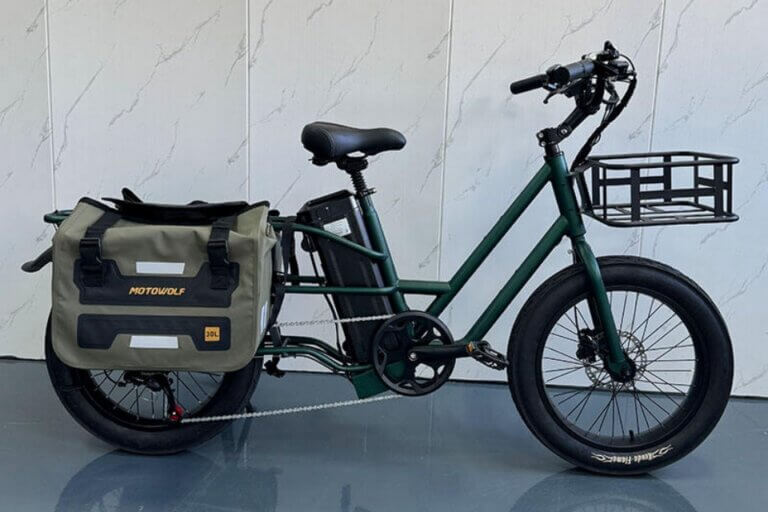
- Payload-heavy delivery routes? They’ll look at stuff like the 350W electric cargo bike with dual battery and heavy-duty rack even if they started with “motorcycles.”
- Stability-first, lower-training environments? That’s where the 750W 3-wheel electric cargo bike with large front box becomes part of the shortlist.
- And if the operating model smells like public/shared deployment, they’ll poke around sharing scooter category whether you mention it or not.
You can either guide that behavior—or pretend it isn’t happening. Your call.
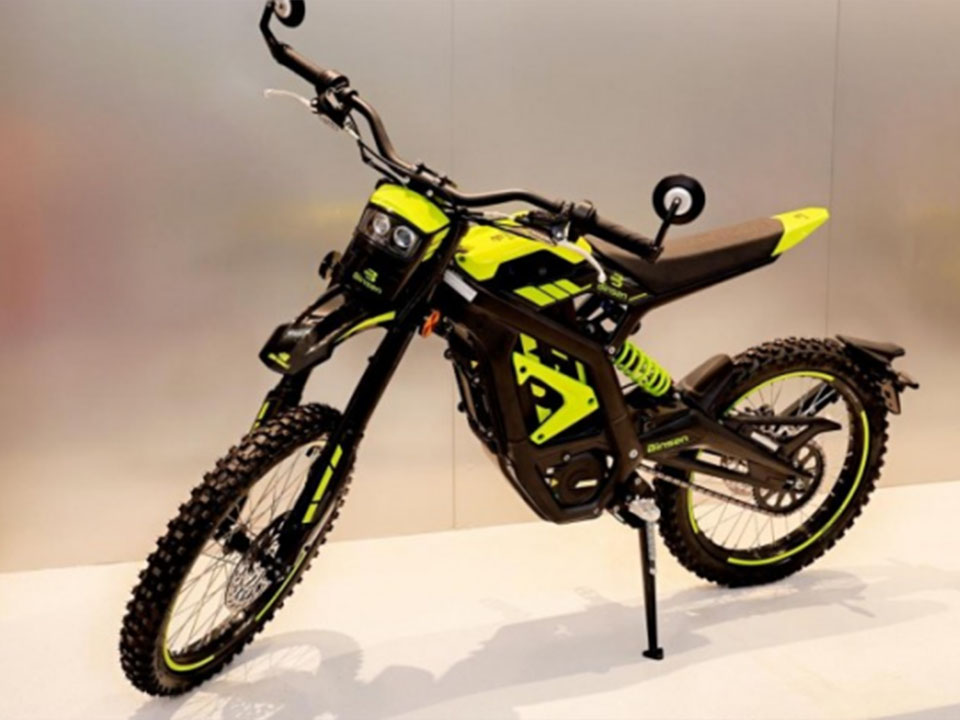
The buyer’s checklist, turned into a blunt comparison table
| What B2B clients say they want | What they mean | What you should publish/prove | What gets you rejected |
|---|---|---|---|
| “Performance” | Repeatable power under fleet abuse | Range band + duty-cycle assumptions + thermal protections | One peak-power number and vibes |
| “Reliable battery” | Safe, traceable, insurable | Chemistry, BMS protections, pack build, traceability | “Tier-1 cells” with zero evidence |
| “Low maintenance” | Low downtime, fast repair | Parts list, modular design, lead times | Proprietary scarcity + slow spares |
| “Good price” | Good cost per km | TCO model, consumables, warranty clarity | Only upfront price and silence |
| “Fast delivery” | Predictable schedules | Lead-time ranges + packaging/shipping plan | “Depends” and missed dates |
FAQs
What do B2B clients mean by “performance” in e-motorcycles?
Performance in B2B e-motorcycles is a procurement-grade requirement describing repeatable acceleration, sustained speed under load, predictable real-world range, and manageable thermal behavior, packaged with documentation and serviceability that reduce downtime, warranty risk, and liability across multi-unit deployments.
In plain terms, they want the unit to behave the same on day 120 as it did on day 1, and they want proof you’ve planned for failure modes (not excuses after the fact).
What documents do B2B buyers expect for batteries and shipping?
Battery and shipping documentation for B2B means a bundle of technical and compliance records that supports safe transport, warehousing, insurance review, and after-sales traceability, typically including battery specifications, safety features, labeling, and traceable production details aligned to the buyer’s market requirements.
If your “docs packet” takes three weeks and six follow-ups, procurement assumes you’re improvising—and improvising is how vendors get blacklisted.
How do B2B teams evaluate real-world range claims?
Real-world range evaluation in B2B is a method of converting a marketing number into an operating band by adjusting for speed, payload, route profile, temperature, and battery aging, then validating with a small pilot group before scaling fleet purchases.
Most teams apply an initial haircut, then tighten the model after early-field data, which is why your testing assumptions need to be explicit and honest (or your sales team will spend all year “explaining”).
What matters more: top speed or uptime?
Uptime matters more than top speed in B2B because uptime directly determines revenue continuity, support cost, staff productivity, and brand risk, while top speed is usually a marginal benefit that can increase consumables wear and incident exposure if mismanaged.
A buyer may still want speed, but only when it doesn’t raise warranty rates, training burden, or incident frequency (fleet managers hate surprises more than they hate slow vehicles).
What’s the fastest way to move a B2B buyer from browsing to inquiry?
The fastest way to move a B2B buyer to inquiry is to make comparison and qualification frictionless by showing category breadth, platform options, and a clear contact path, so procurement can shortlist internally without chasing PDFs or waiting for a sales rep.
Send them to the electric motorcycle category to shortlist, then to the full products catalog to compare, and keep the contact page visible for escalation.
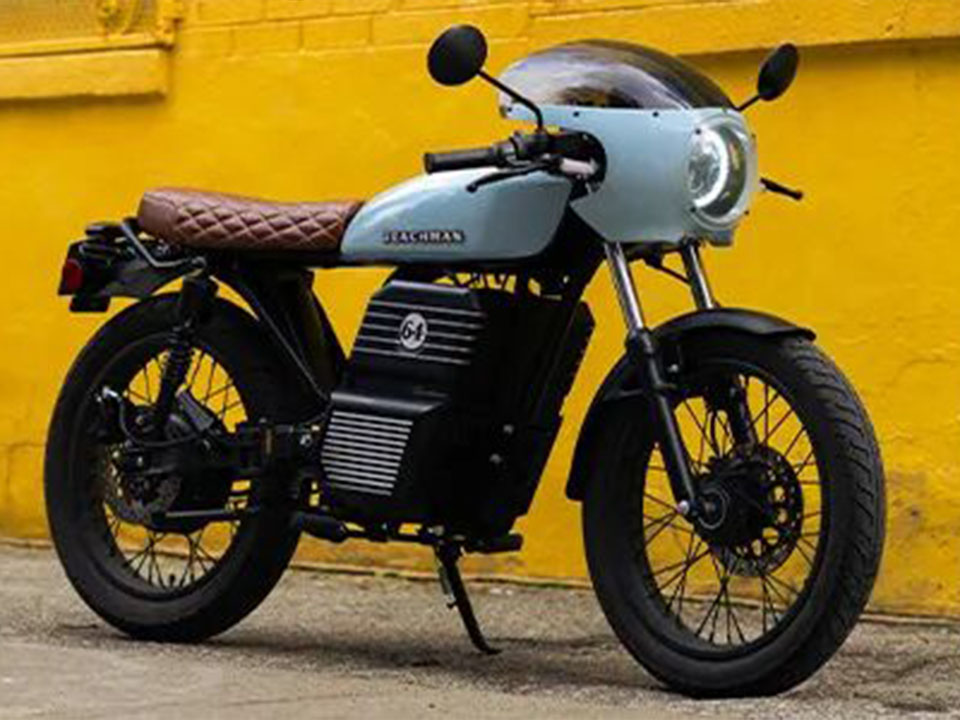
CTA
If you want B2B clients to buy “performance,” stop selling adrenaline and start selling operational certainty—range bands, battery paperwork, spares lead times, warranty workflow, the stuff that survives committee review. Push them into your electric motorcycle lineup, let them cross-shop in the master products catalog, and keep the path to a real conversation obvious via the B2B contact channel.