


-
414 Block B, ZT Times Plaza, Ухань, Хубей, Китай

Блог
Electric Bike Battery Life: How To Extend It For Retail Customers
A lot of people talk about час автономної роботи електровелосипеда like it’s some mystery hiding inside the cells. It’s not. In retail, most battery trouble starts on the sales floor, in the stock room, or during handover. A rep promises “up to” range like it’s fixed. A bike sits at full charge in a hot back room. A customer gets told to drain the pack to zero because of old battery myths. Then the service desk gets the blame. That cycle is way too common. Urban M’s own article makes this point pretty clear: battery loss is often an ops problem before it becomes a hardware problem. (ezbke.com)
After reviewing the original Urban M article and related guidance from Bosch, Trek, and Battery University, the pattern is pretty simple. Heat hurts. Full charge storage hurts. Repeated deep discharge hurts. Loose charging habits hurt. On the other hand, a boring, repeatable SOP usually works better than fancy promises. That’s not sexy, but it does help dealers cut warranty bleed, reduce RMAs, and protect sell-through. (ezbke.com)
Electric Bike Battery Life: Core Arguments and Source Map
| Argument title | What it means in retail reality | Чому це важливо | Source note |
|---|---|---|---|
| Electric bike range is not a guarantee | Staff should explain assist level, terrain, load, weather, and Wh, not just brochure range | Fewer post-sale complaints | 1, 5 |
| Daily charging should not always hit 100% | For many riders, 80%–90% on normal days is gentler on cells | Better cycle retention over time | 1, 4 |
| Long-term storage should stay around 30%–60% | Shelf stock and off-season bikes should not sit full for weeks | Lower calendar aging and fewer weak packs | 1, 2 |
| Heat is one of the fastest battery killers | Hot storerooms, sun exposure, and charging a hot pack add stress | Less avoidable capacity drop | 1, 3, 4 |
| Dual-battery and bigger Wh setups change the stress story | Matching bike duty cycle to battery size reduces pack strain per trip | Better fit for cargo and delivery use | 1, 7 |
| Retail battery care should be an SOP | Sales, storage, charger matching, and handover need one script | Cleaner service flow, less warranty mess | 1, 6 |
Source notes: 1 = Urban M, Electric Bike Battery Life: How To Extend It For Retail Customers; 2 = Bosch eBike storage guidance; 3 = Bosch heat and winter care guidance; 4 = Battery University on partial charge, depth of discharge, temperature, and high state of charge; 5 = Trek e-bike FAQ on range factors and watt-hours; 6 = Urban M homepage and electric bike category; 7 = Urban M product pages for cargo, commuter, and folding e-bikes. (ezbke.com)
What Reduces Electric Bike Battery Life Fastest
The short answer is this: heat, high-voltage dwell, deep discharge, and repeated current spikes. Urban M says it straight, and Bosch plus Battery University back the same direction. A pack that sits near 100% for long idle periods ages faster. A pack stored or parked in heat ages faster. A pack drained too low again and again won’t be happy either. So no, most teams don’t need a magic charger. They need cleaner habits. (ezbke.com)
This matters even more in wholesale and dealer channels because battery mistakes scale fast. One bad rider habit is annoying. One bad store habit across fifty units is a service backlog. That’s where the real pain sits: more returns, more battery complaints, more ugly email threads with channel partners. Battery care is not just chemistry. It’s retail ops, plain and simple. (ezbke.com)
How To Charge an E-Bike Battery Properly
Urban M’s checklist is refreshingly practical. Keep daily use around 20% to 90% SOC when you can. Save 100% charge for days that really need max range. Don’t plug in right after a hard ride. Let the pack cool down first. And use the matched charger, not some random replacement from a shelf. Bosch also warns against heat and recommends charging and storing at room temperature in winter conditions. Battery University adds the deeper reason: partial charge and partial discharge usually reduce stress on lithium cells. (ezbke.com)
This is where a lot of stores still gets it wrong. They train staff to sell max range, but not to explain daily charge habits. For a commuter or city rider, “charge to full every single night forever” is often lazy advice. Better advice is more honest: if tomorrow is a normal ride, don’t chase 100 just because you can. Keep the pack in a healthier window most days. (ezbke.com)
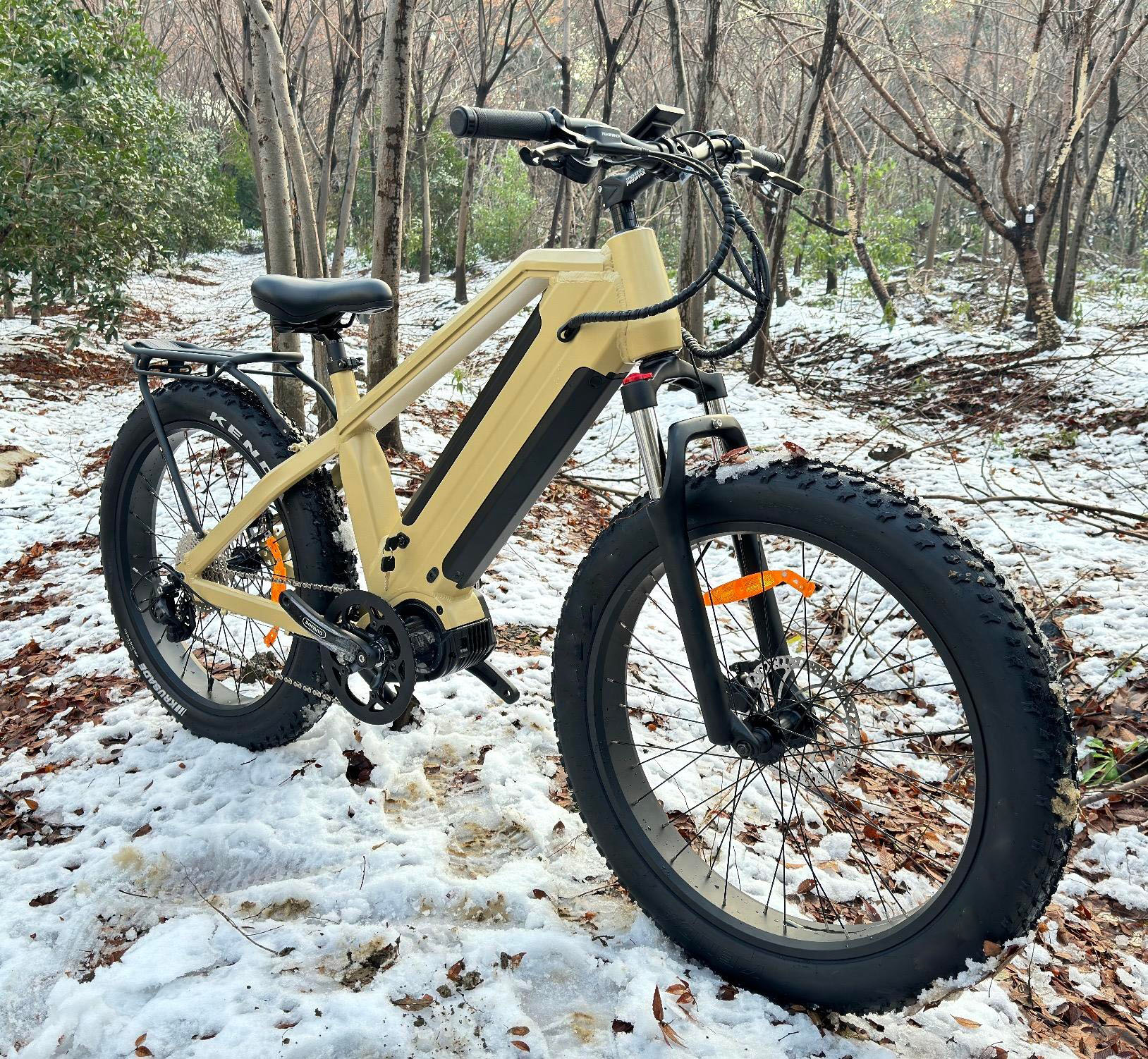
Electric Bike Battery Storage Best Practices
If a bike is not being used for a while, full charge storage is a bad move. Bosch recommends storing the battery at 30% to 60%, at room temperature, in a dry room. Urban M says basically the same thing for inventory: don’t leave shelf stock full for weeks. That one habit alone can save a lot of quiet battery damage that only shows up later as “range is not like before.” (help.bosch-ebike.com)
This point sounds small, but it’s huge for dealers, importers, and fleet buyers. Stock might sit through customs, warehousing, showroom display, or slow sell-through. If the packs sit full in a warm back room, the aging clock keeps ticking. The battery doesn’t care that the bike hasn’t been sold yet. It still gets old. (help.bosch-ebike.com)
Electric Bike Range vs Watt-Hours
One of the smartest points in the Urban M article is this: stop teaching only Ah, start teaching Wh. Trek says battery power is measured in watt-hours, and the bigger the Wh, the more energy you have. That matters because two batteries can show the same Ah but still carry very different total energy depending on voltage. If floor staff only repeat Ah numbers, customers gets the wrong picture fast. (ezbke.com)
And this is not just theory. Urban M literally calls out the gap between 36V × 10Ah = 360Wh і 48V × 13Ah = 624Wh. Same rider, same roads, very different energy story. In B2B terms, that changes duty cycle fit, expected range, and long-term strain per trip. Bigger usable energy can mean shallower discharge and less heat load when the bike is specced right. (ezbke.com)
Electric Bike Battery Life in Real Retail Scenarios
Електричний вантажний велосипед 350 Вт з подвійним акумулятором та надміцним багажником
This is the easy example. Urban M’s Електричний вантажний велосипед 350 Вт з подвійним акумулятором та надміцним багажником moves from 13Ah single battery to 26Ah dual battery, and the listed range scales from 50 km to 100 km by throttle і 80 km to 160 km by pedal assist. For delivery and logistics, that matters a lot. More usable energy means less pack strain per route, especially when the bike is carrying load, stopping often, and living a hard last-mile life. (ezbke.com)
B01 постачальник найлегших гіпер-електричних велосипедів на довгі дистанції
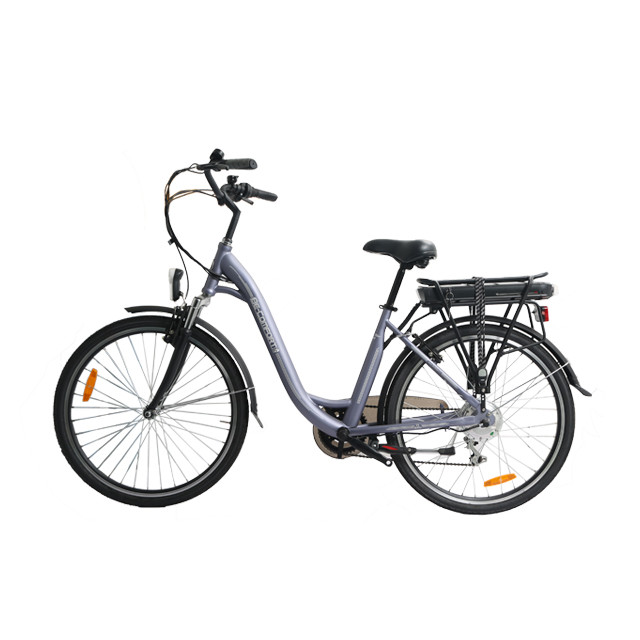
У "The B01 is a cleaner commuter story. It uses a removable Літієва батарея 36В 10Ач, a Двигун потужністю 250 Вт, and lists up to 70 км range. That kind of setup fits city riders who want steady daily use, easy apartment charging, and simple maintenance. For this segment, the battery life argument is not “go bigger no matter what.” It’s “match the bike to the route, and don’t abuse the pack with bad charging habits.” (ezbke.com)
M04 Найкращі електровелосипеди для дорослих біля мого заводу
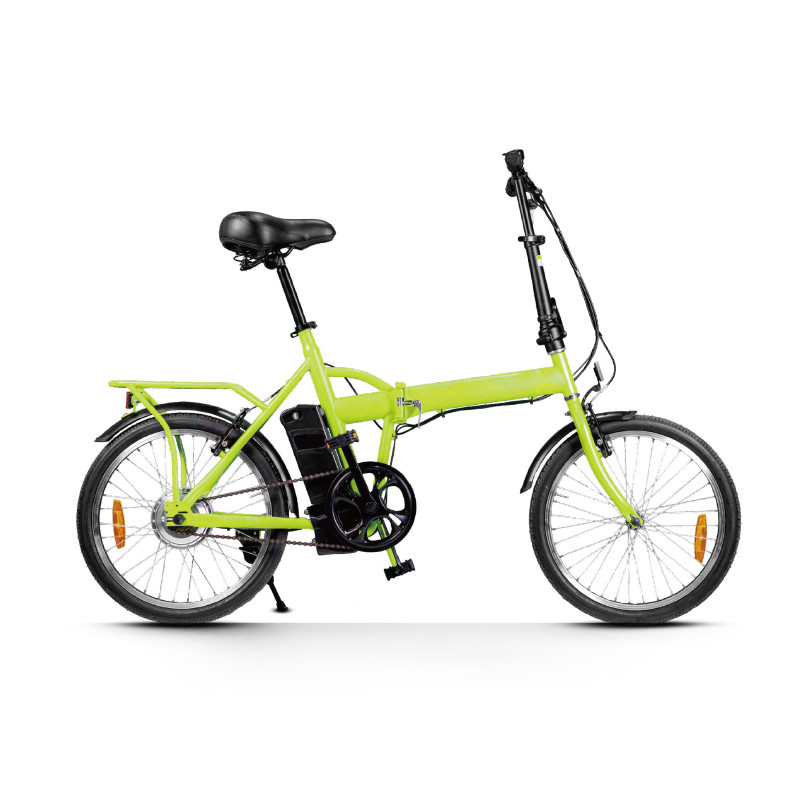
У "The M04 pushes the same logic into a foldable urban use case. Urban M lists a 36V 10Ah battery, up to 70 km range, disc brakes, and a folding 20-inch frame. That’s good for city dwellers, compact retail programs, and buyers who need space-saving models. In this case, the pain point is usually not raw distance. It’s convenience. So the right script is storage, regular charge discipline, and not letting a foldable unit sit dead in a corner for weeks. (ezbke.com)
C02 - виробник електричних велосипедів із середнім приводом, швидкістю 30 миль/год
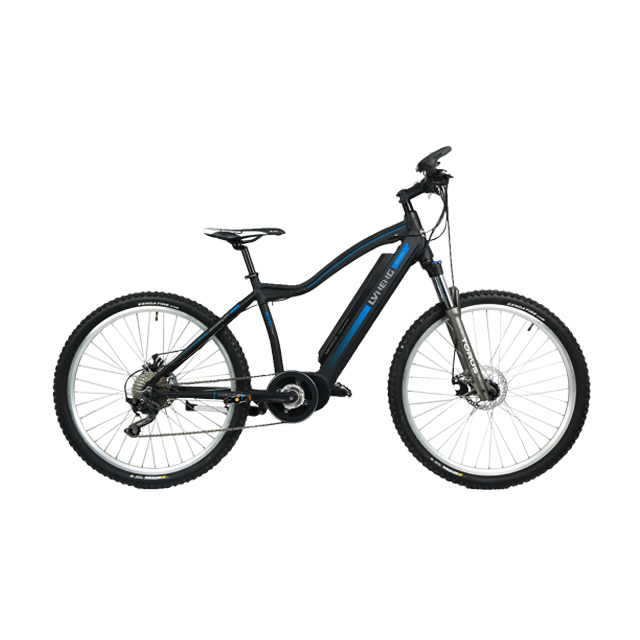
У "The C02 adds another retail angle: long-range city spec with bulk-friendly packaging. Urban M lists a 36V 10Ah battery, 70 км на одному заряді, 4–6 hour charging time, and container-ready packing for wholesale. For dealers, that means the battery story has to start before the bike even reaches the showroom. Warehouse temp, stock rotation, charger control, and handover script all matter. If not, the after-sales team ends up cleaning up a mess they didn’t create. (ezbke.com)
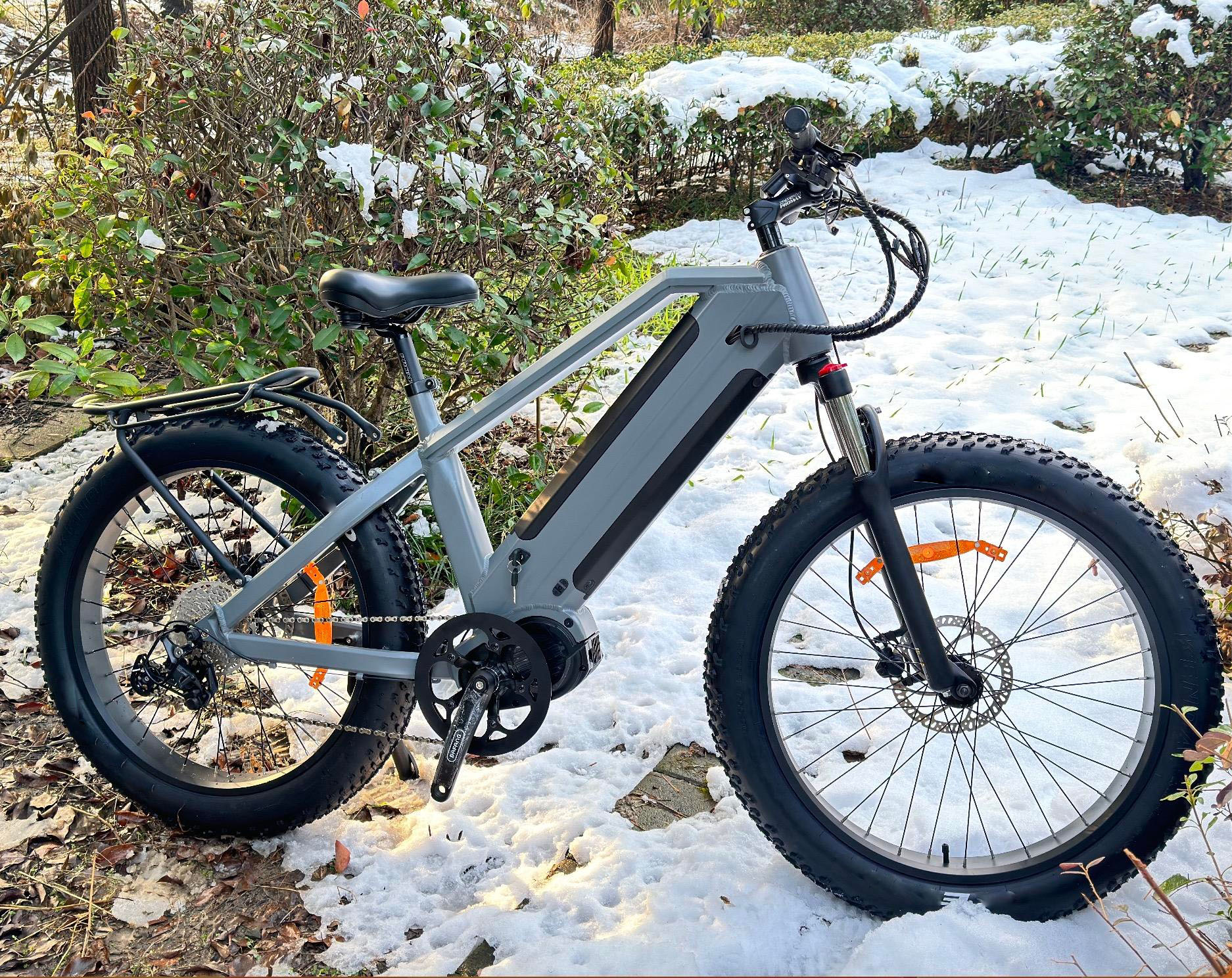
Electric Bike Battery Care Policy for Retail Customers
So here’s the bigger argument. Electric bike battery care for retail customers should be one policy, not random advice. Urban M already frames it that way. A usable policy includes SOC guidance, storage rules, charger matching, connector checks, and a simple rider handover. Bosch supports the storage and heat side. Battery University supports the partial-charge logic. Trek supports the range and Wh education piece. When these parts are joined together, the battery story becomes clearer and more credible. (ezbke.com)
That’s also where Urban M fits naturally for B2B buyers. The brand isn’t selling one narrow bike story. Its electric bike line обкладинки вантаж, commuter, складаний, and urban-use models, while the wider company pitch includes OEM/ODM, customization, sodium battery options for cold climates, IoT diagnostics, and large-scale production support. For wholesalers and distributors, that means you can build the right SKU mix for the route profile instead of forcing every rider into the same setup. And honestly, that’s how you protect margin without sounding like a brochure. (ezbke.com)