


-
414 Block B, ZT Times Plaza, Ухань, Хубей, Китай

Блог
Best Display Strategies for Foldables in Showrooms
My take is simple: the best display strategy for a foldable electric scooter showroom is not to park units in a row and hope specs do the job. That kind of setup looks tidy, sure, but it’s dead. A better retail bay tells a fast story in under a minute: fold it, lift it, store it, ride it, trust it. That’s the bit buyers remember. (ezbke.com)
Foldable Electric Scooter Showroom Display Starts With the Fold
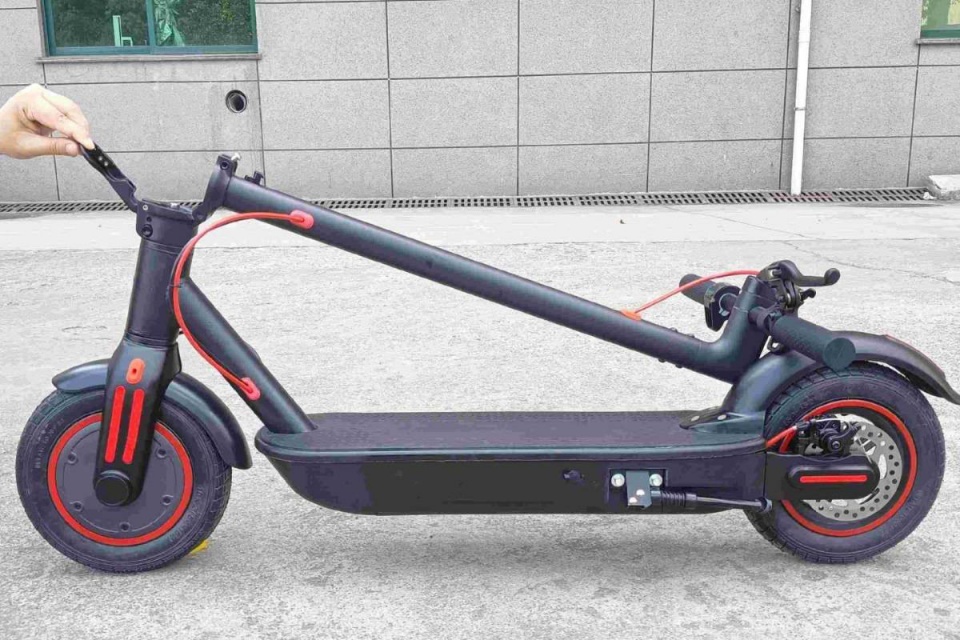
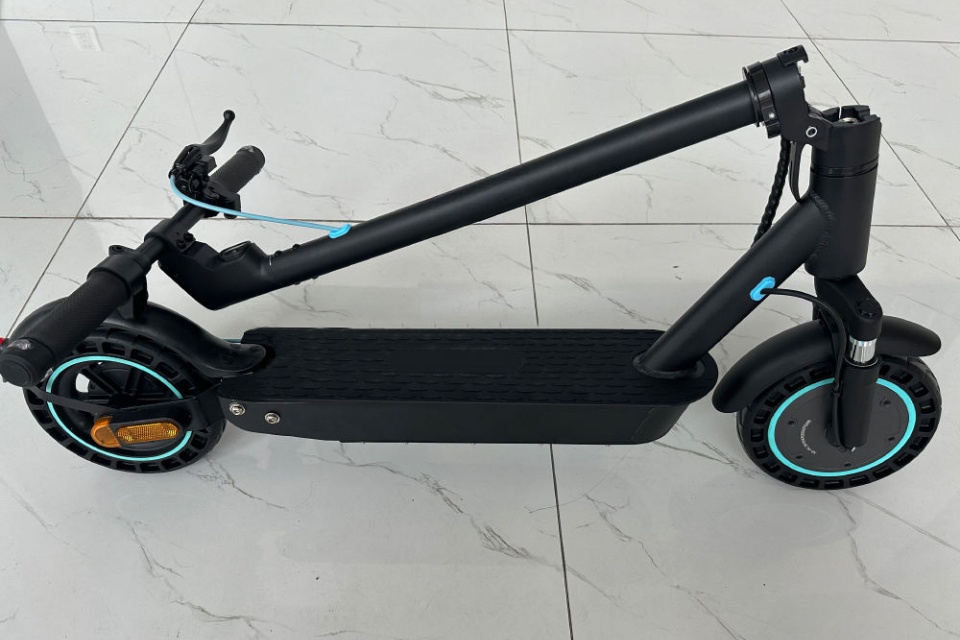
Most buyers don’t walk up and ask about controller tuning first. They reach for the hinge. They test the latch. They lift the frame. EZBKE’s own showroom article says buyers should be allowed to fold it, lock it, and pick it up, while the latch should sit in the visual “hot zone” with a simple cue like “Fold in 10 seconds.” That lines up with broader retail guidance too: in-store demos work best when the product is easy to test, easy to understand, and supported by clean signage and layout. (ezbke.com)
Механізм одноступеневого складання та додаткова запобіжна засувка
This is not a small feature. It is the feature. EZBKE’s own foldable scooter content makes that very clear: if the scooter needs too many awkward moves, users bounce. The K1 і K2 are already framed around quick folding, portability, and fleet logic, while the foldable category page leads with hinge durability and water protection instead of fluff. That’s smart, because in a showroom, the hinge feel often decide the whole conversation. A mushy latch kills trust fast. (ezbke.com)
Folded Parking and Ride-Ready Display
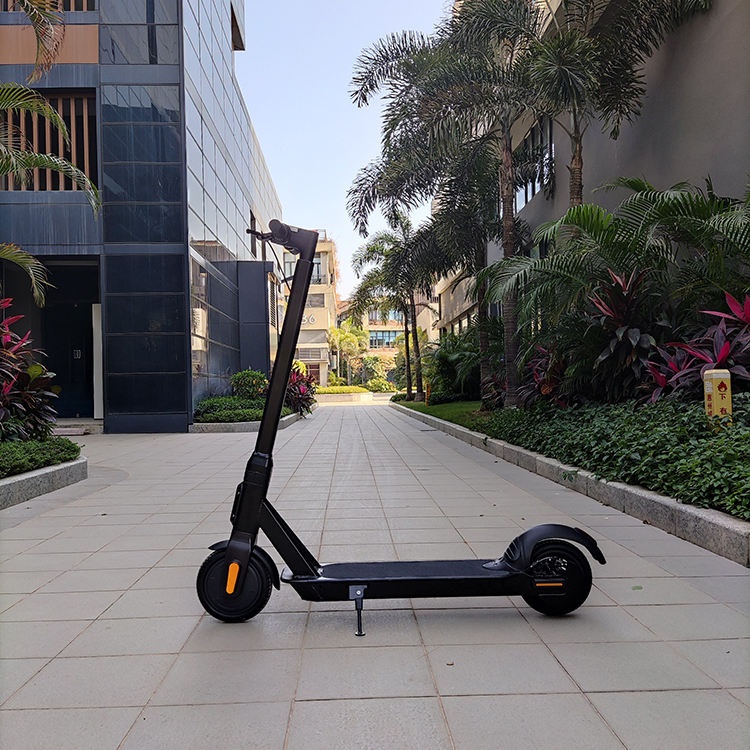
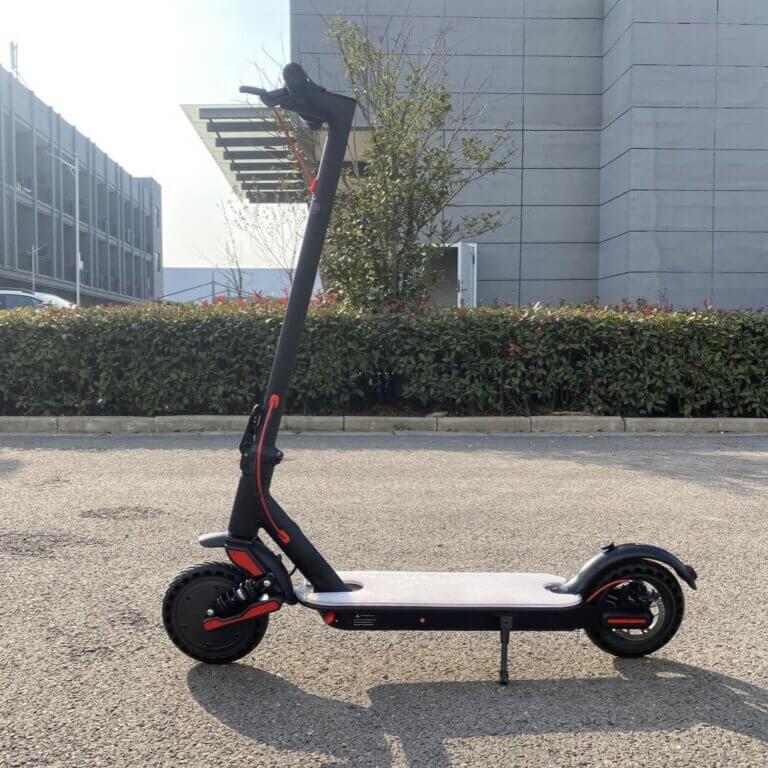
A foldable scooter shouldn’t be shown in only one position. That misses the point. A better display uses at least two states: folded parking і ride-ready. EZBKE’s own showroom piece suggests exactly this for the K2, with one hook for folded parking and another for ride-ready mode, so buyers can instantly picture campus use, tourism rental, or last-mile jobs. That same logic shows up in foldable device research too: across foldable categories, people need to see how the product changes form to understand why it matters. That research is about phones, not scooters, but the showroom lesson transfers very well. (ezbke.com)
Source-Backed Display Arguments for Foldable Electric Scooter Retail
| Назва аргументу | Why it matters in a showroom | How EZBKE / Urban M can use it | Джерело |
|---|---|---|---|
| Touch the fold first | Buyers judge portability and trust in seconds | Put the hinge and latch at eye level; let visitors fold, click, and lift | EZBKE showroom display article; Shopify demo guidance (ezbke.com) |
| Show folded parking and ride-ready states | Foldables sell on transformation, not just specs | Stage one folded unit and one ready-to-ride unit in the same bay | EZBKE showroom article; NNGroup foldable UX article (ezbke.com) |
| Use real-world scenarios, not a spec wall | Use cases make premium products easier to justify | Build mini stories for train + office, hotel + rental, campus + last mile | EZBKE K1 / K2 pages; Shopify retail experience guidance (ezbke.com) |
| Lead with safety and durability proof | Buyers worry about battery safety, hinge life, and weather | Show UL2272, IP54, hinge-cycle proof, and QC trail in the bay | EZBKE Складаний електричний самокат category; UL personal e-mobility page; EZBKE showroom article (ezbke.com) |
| Add OEM/ODM and service depth | Dealers and fleet buyers don’t buy product only; they buy fewer headaches | Show branding samples, accessory kits, packaging samples, and after-sales flow | EZBKE showroom article; EZBKE manufacturing article (ezbke.com) |
| Measure the bay like a sales tool | Good display work should move quotes, demos, and repeat orders | Track dwell time, demo rate, inquiry rate, and SKU interest by scene | NielsenIQ Smart Store (nielseniq.com) |
In-Store Demos and Real-World Scenarios Beat a Long Spec Sheet
Specs are useful. But specs alone don’t close floor traffic. Buyers need a scene they can step into. EZBKE’s own articles say retail content wins when it shows usage, not bragging. I agree. For Urban M, that means you don’t sell “a folding scooter.” You sell elevator-to-street commuting, under-desk storage, campus loopsі fast handoff for fleet ops. That’s where the commercial value sits. It cuts training friction, supports cleaner sell-through, and makes it easier for a dealer to defend shelf space. (ezbke.com)
Foldable Electric Scooter for Transit + Office
У "The K1 електродвигун складаний самокат для дорослих виробник page is built for this scene already. It gives you an aluminum alloy frame, 250 Вт або 350 Вт motor choices for regional fit, 35-40 км діапазону, 3–4 hour charging, 12.5-inch air tires, LED lighting, USB charging, and remote keyless ignition. In showroom terms, that means one easy pitch: fold it at the elevator, stash it near the desk, charge it during work, ride home after. It’s not fancy copy, but it works. (ezbke.com)
K2 Folding Adult Electric Bicycle Scooter for Fleet Buyers
У "The Виробник складного електричного велосамоката для дорослих K2 page reads more like a fleet SKU, and that’s good. It brings a 450W мотор, 25 / 35 / 50 км варіанти діапазону, 18° climbing angle, 18 кг net weight, and even container loading guidance. That helps you build a stronger bay for distributors, campus operators, hotel groups, and rental programs. In plain English: K2 is easier to sell when the bay says less downtime, cleaner cube use, clearer SKU logic. Buyers in this lane think in uptime, SOPs, RMA risk, and replenishment rhythm. Not just top speed. (ezbke.com)
There’s another easy win here: крос-мерчандайзинг. EZBKE’s showroom article suggests pairing the scooter with a helmet, lock, spare charger, QR fleet tag mockup, IoT bracket, and even packaging samples. That’s not random add-on stuff. That is margin stack, service story, and channel confidence in one shot. A retail buyer sees it and thinks, “okay, these guys understand actual ops.” (ezbke.com)
UL2272, IP54, and OEM/ODM Proof Make the Display Credible
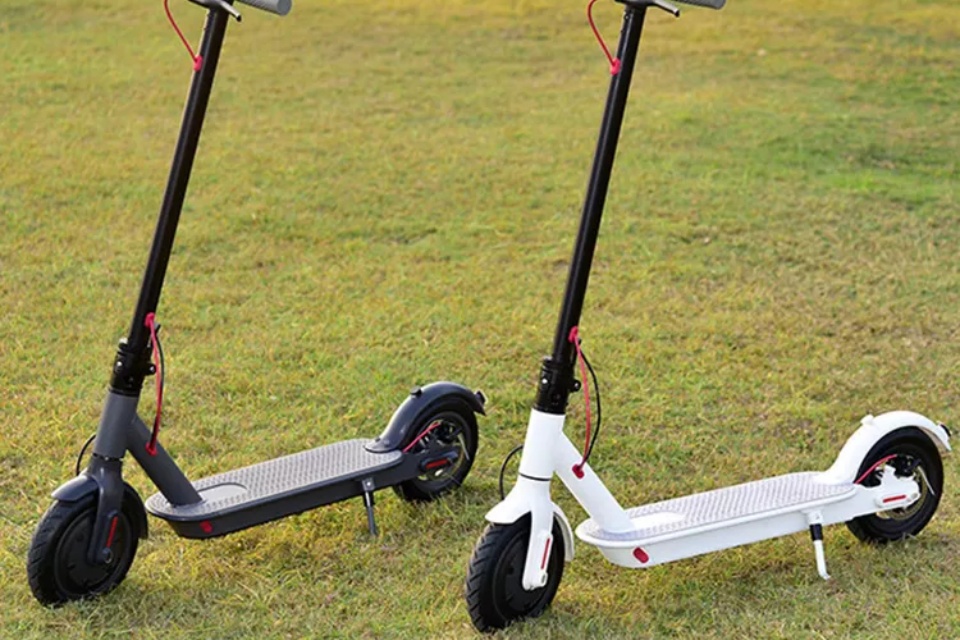
A nice-looking display gets attention. A credible one gets inquiries. EZBKE’s Складаний електричний самокат category page already gives you strong proof hooks: Сертифіковано UL2272, aircraft-grade hinges with 20k+ cycles, IP54і масові OEM-кастомізації across branding, batteries, and logistics integration. UL also states that UL 2272 applies to the electrical systems of personal e-mobility devices, including e-scooters. So when you place safety proof beside the product, you are not adding noise. You are removing doubt. (ezbke.com)
QC Trail, OEM/ODM Sample Wall, and Sharing Scooter Corner
This is where a lot of factories kinda miss the plot. They show the unit, but they don’t show the process. EZBKE’s own showroom display article is stronger than that. It recommends a QC trail board from incoming inspection to assembly to final testing, an OEM/ODM sample wall for logos, colors, and detail options, plus a sharing scooter corner with QR tag and fleet signage. For a brand story like Urban M, this lands well because the message becomes simple: not just “we make scooters,” but “we can support repeat wholesale orders without chaos.” That matters to importers, chains, and fleet teams way more than glossy words do. (ezbke.com)
Urban M Positioning for Foldable Electric Scooter Wholesale
The cleanest commercial angle for Urban M is urban-use clarity. Morning commute. Campus run. Hotel guest ride. Tourist rental. Last-mile handoff. That is a much sharper story than dumping every feature into one card. Your own pages already support that positioning through foldability, portability, regional motor choices, battery options, logistics integration, and OEM/ODM flexibility. So the display should feel the same way: practical, tight, and made for buyers who don’t want extra friction. A bit rough around the edges is fine. Confusing is not. (ezbke.com)
The last point is boring, but boring makes money: measure the bay. Watch which unit gets folded most, which card gets scanned, which use case gets the longest dwell time, and which SKU pulls serious quote requests. NielsenIQ’s store guidance is very clear that shelf and store success should be judged with sales and customer-experience metrics, not gut feel. So yes, the best display strategy is visual. But it’s also operational. That’s what keep repeat POs coming.