


-
414 Block B, ZT Times Plaza, Wuhan, Hubei, China

Blog
Top Questions B2B Buyers Ask Before Ordering e-Motorcycles
If you sell electric motorcycles B2B, you’ve seen this movie.
A buyer loves the photos. They like the specs. Then the email thread turns into 20 questions. Not because they’re picky. Because they’re trying to avoid three ugly problems:
- Compliance trouble
- Quality headaches
- Shipping delays
Here’s the point I’m making in this essay: The supplier that answers these questions clearly wins more orders, with fewer headaches later. That’s exactly why Urban M / EZBKE keeps building content around real buyer concerns, not fluffy hype.
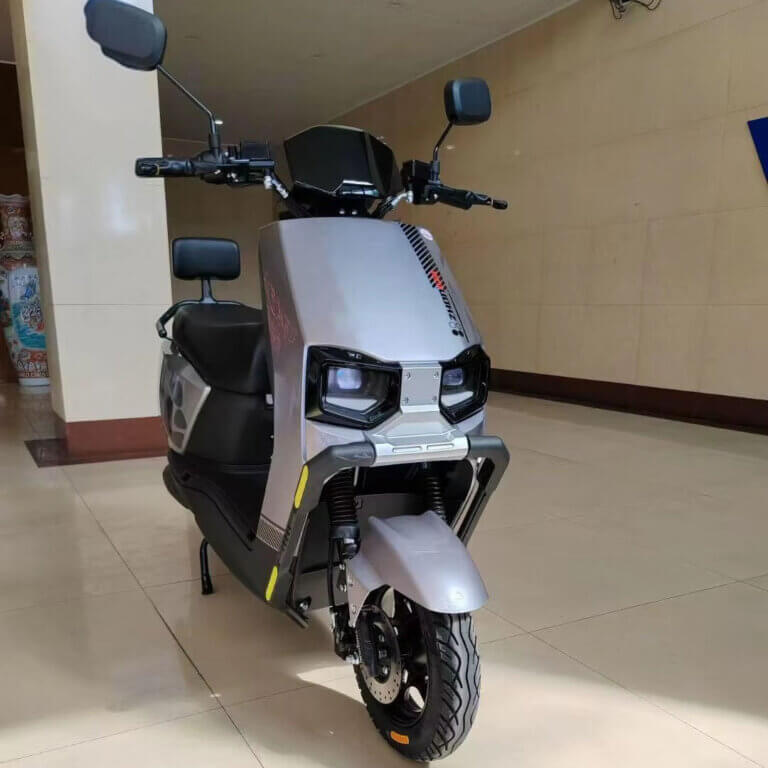
Below is the practical “question list” buyers ask before ordering e-motorcycles. I’ll keep it real. I’ll also tie it to EZBKE’s Electric Motorcycle lineup, plus common fleet scenes like delivery, campus patrol, and light logistics.
Electric motorcycle range and battery questions
Buyers almost always start here. Range drives route planning, staffing, and how many spare packs you need.
What “range” means in real routes
A buyer isn’t asking for a best-case lab number. They want to know:
- range with a heavier rider
- range with stop-and-go delivery
- range in hills or bridges
- what happens when weather gets rough
If you can’t explain the test conditions, your “range” number feels like marketing, not ops.
Removable battery workflow (swap vs charge)
Fleet buyers love removable packs because it reduces downtime. EZBKE positions multiple models around removable battery packs and practical charging windows, which fits how real depots run.
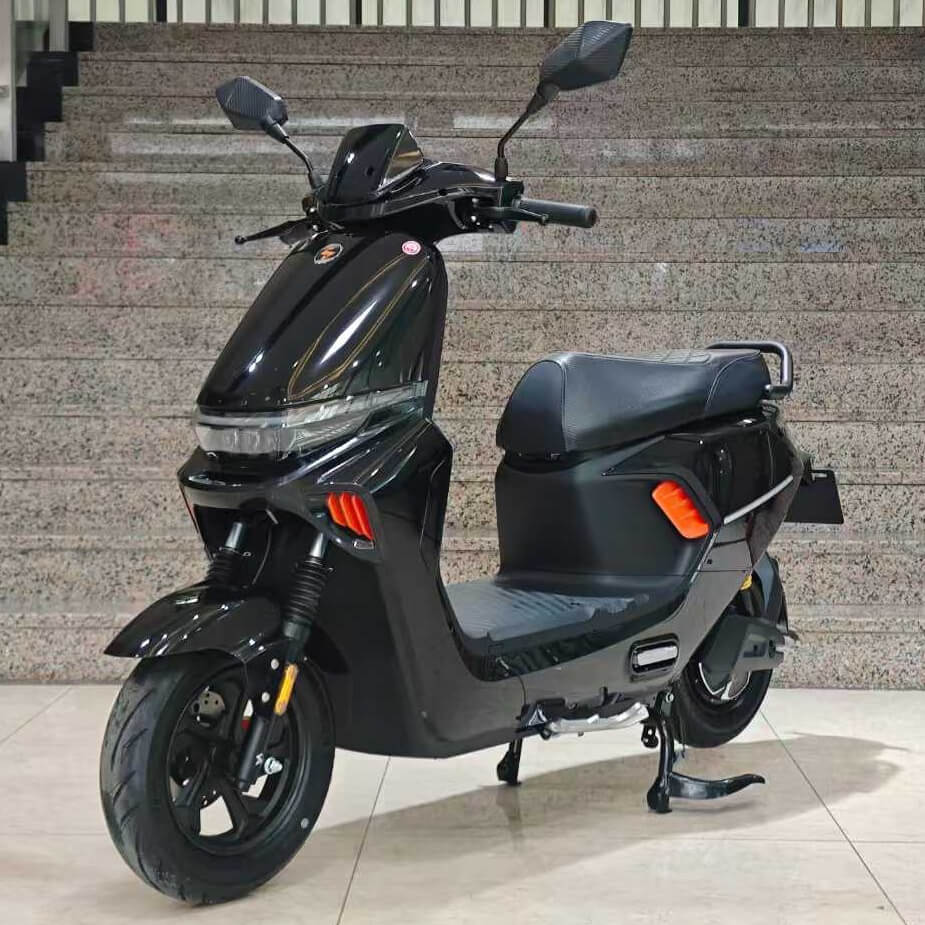
Charging time, connectors, and “will it work in my country”
This question sounds basic, but it kills deals fast.
Buyers want to know:
- charge time range (not just one perfect number)
- charger spec and plug type
- if they need special power at the depot
If your answer is fuzzy, they assume more hidden issues coming.
Street legal positioning and certification documents
This is where grown-up B2B buying starts.
What buyers actually mean by “street legal”
They usually mean: “Can I register it where I sell?”
That depends on market rules. In the EU, L-category type approval is the big framework for two- and three-wheel vehicles.
What to send in the first reply
Don’t just say “yes, compliant.” Send a simple checklist:
- what category it targets (example: L1e-style positioning for some low-speed mopeds)
- what documents you can provide (CoC / test reports / conformity docs, depending on market)
EZBKE’s model pages and blog content repeatedly frame some models with “street-legal” and compliance signals, because buyers ask for paperwork early.
Lithium battery shipping: UN 38.3 and test summary
This part is boring… until your shipment gets held.
If your products ship with lithium batteries, buyers will ask about UN 38.3 and the lithium battery test summary.
Why? Because transport rules expect the test summary to be available in the supply chain, and UN 38.3 is tied to transport safety testing.
If you answer this clean, buyers relax. If you dodge it, they worry you’re not ready for export.
Tiny note (and yes, it matters): if your buyer ships by air, some rules also talk about state-of-charge limits for standalone lithium battery shipments.
Warranty, after-sales, and spare parts (aka: “don’t make me babysit this”)
B2B buyers don’t want a “nice warranty sentence.” They want an operating plan.
What buyers ask in plain language
- what’s covered (battery vs motor vs controller)
- how RMA works (photos? video? serial number?)
- typical spare parts list for the first order
- lead time for parts after that
If you’re selling to fleets, this is uptime talk. Miss uptime, you lose renewals. Simple.
And yeah, if you don’t have parts ready, buyer will say: “support is weak” even if your product is solid.
OEM/ODM customization and spec control
Every serious wholesaler asks: “Can you build it in our brand?”
But they also worry about “spec drift” (it happens). So they’ll push for:
- clear BOM control
- color and panel options
- packaging and labeling
- feature toggles (speed cap, lighting, harness layout)
EZBKE positions itself as a factory supplier for bulk and OEM/ODM. That’s part of the Urban M story, and it shows up across product content and B2B pages.
Small grammar note (on purpose): OEM change need be managed, or your next batch look different. That’s bad for retailers.
Incoterms, lead time, and what “delivered” really means
If you want fewer fights later, you define shipping terms early.
Incoterms exist for this exact reason: they spell out who handles shipment, insurance, documents, and customs steps.
You don’t need to teach a class. You just need to avoid confusion like:
- “I thought you handled customs.”
- “We assumed insurance was included.”
That’s how good deals turn into messy calls.
Table: EZBKE electric motorcycle lineup (specs + best-fit scenes)
This table pulls from EZBKE’s own model comparisons and electric motorcycle posts. Use it as a fast “fit map” when buyers ask, “Which model matches my route?”
| Model | Motor | Battery | Top speed | Range (per charge) | Hill grade | Wheels / brakes | Best-fit B2B scene |
|---|---|---|---|---|---|---|---|
| S3 | Bosch 2000W | 60V 24–26Ah (removable) | 45 km/h | 75–150 km | 12° | Tubeless 3.0-10″, dual disc | City courier, campus, rental onboarding |
| S4 | Bosch 1.44 kW | 48V 26Ah (portable) | 45 km/h | 75–150 km | 12° | 80/100-10″, dual disc | Commute, subscription, light delivery |
| S5 | Bosch 3000W | dual 60V 24–26Ah | 45 km/h | 120–150 km | 12° | Tubeless 3.0-12″, dual disc | Street-legal narrative, retail + regulated fleet |
| S5D | Bosch 3000W | dual 60V 24–26Ah | 45 km/h | 120–150 km | 12° | Tubeless 3.0-12″, dual disc | Rough roads, resort, municipal, peri-urban delivery |
| S6 | Bosch 4.0 kW | 60V 31.5Ah | 75 km/h | 60–120 km | 15° | 120/70-12″, CBS | Heavy riders, bridges, cargo racks, faster corridors |
| X1 | Bosch 2000W | 60V 24–26Ah (removable) | 45 km/h | 75–90 km | 12° | Tubeless 3.0-10″, dual disc | Seated comfort, entry fleets, paperwork-first markets |
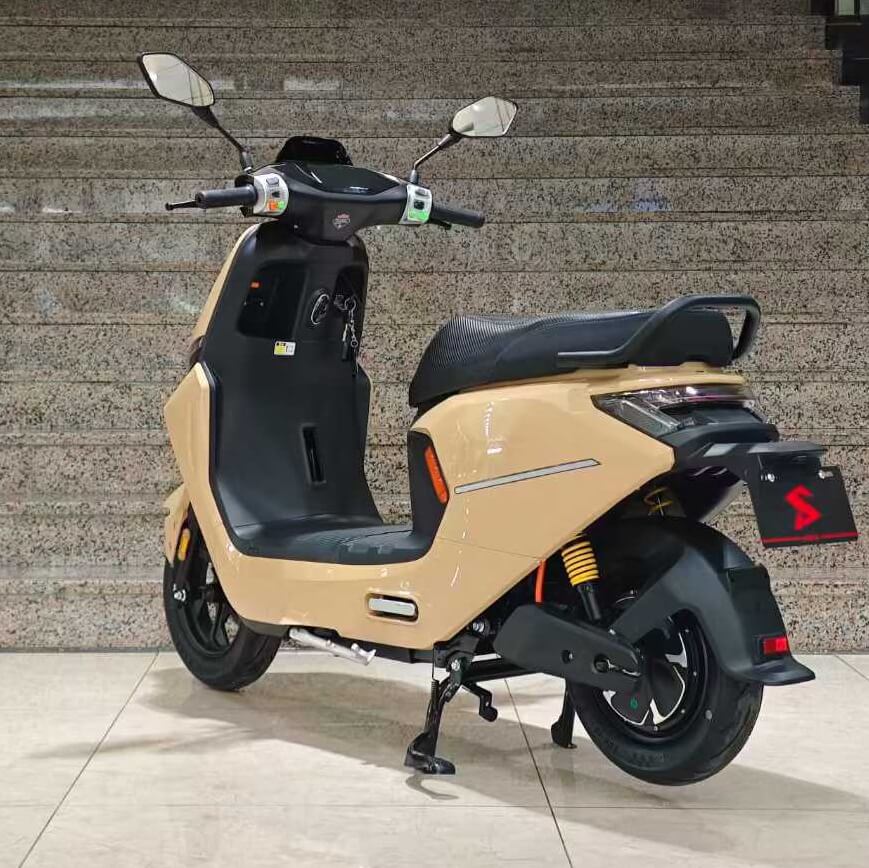
Table: Buyer questions → what to ask for → what to send back
| Buyer question | What they’re afraid of | What you should provide (no fluff) | Source anchor |
|---|---|---|---|
| “Is it street legal?” | registration failure | market-specific compliance docs plan; model positioning | |
| “Can you ship batteries safely?” | delay / hold / return | UN 38.3 status + lithium battery test summary availability | |
| “What does delivered mean?” | surprise responsibilities | Incoterms term + what’s included in docs and customs steps | |
| “What if it breaks?” | downtime + angry customers | warranty scope + RMA flow + spare parts plan | |
| “Can you do OEM/ODM?” | inconsistent batches | spec control, branding options, packaging, QC checkpoints |
Where Urban M fits in this conversation (without making it weird)
Buyers don’t want a supplier who only says “we can do it.”
They want a supplier who thinks like operations.
That’s the clean way to talk about Urban M in a B2B pitch:
- “We build for fleets and wholesalers.”
- “We plan for spare parts and repeat batches.”
- “We keep the compliance and shipping docs ready, so your import team can breathe.”
And if you do it right, the buyer stops asking random questions. They start asking the good ones, like: “What’s the best model mix for my routes?”