


-
414 Block B, ZT Times Plaza, Wuhan, Hubei, China

Blog
The Top Challenges In Managing Shared Scooter Fleets
If you run a sharing scooter fleet, you already know: the hardware can make or break the business.
We looked at recent research on scooter sharing and EV fleets, plus real operator stories, and then matched that with what we build at Urban M / EZBKE — a 15+ year electric scooter manufacturer plant focused on OEM/ODM and bulk wholesale.
Below is a practical walk-through of the top challenges in managing shared scooter fleets, with real keywords, real scenarios, and how Sharing Scooter, FS Pro, S1, and Super S fit into the picture.
Fleet Maintenance and Damage Management in Shared Scooter Fleets
Every operator talks about fleet uptime in meetings, but on the street the story is simple:
too many half-broken scooters = angry riders + burned ops team.
Industry research and operator blogs keep repeating the same problems:
- It’s hard to spot damaged vehicles fast enough.
- Poor maintenance drives down vehicle availability and raises long-term cost.
- In one smart-city study from Poland, weak maintenance and clunky rental flows showed up directly as lower user satisfaction.
So if you’re running a sharing fleet, “maintenance” is not just a back-office function. It’s your NPS, your churn, and your unit economics.
How Urban M Sharing Scooter Hardware Reduces Maintenance Headaches
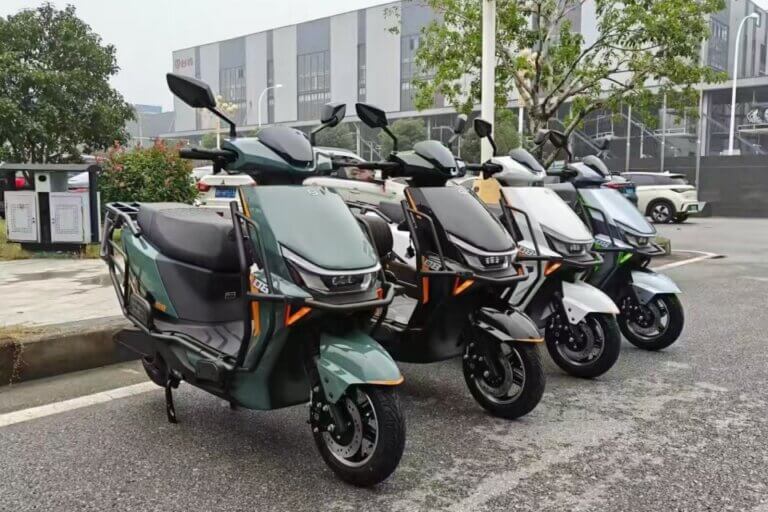
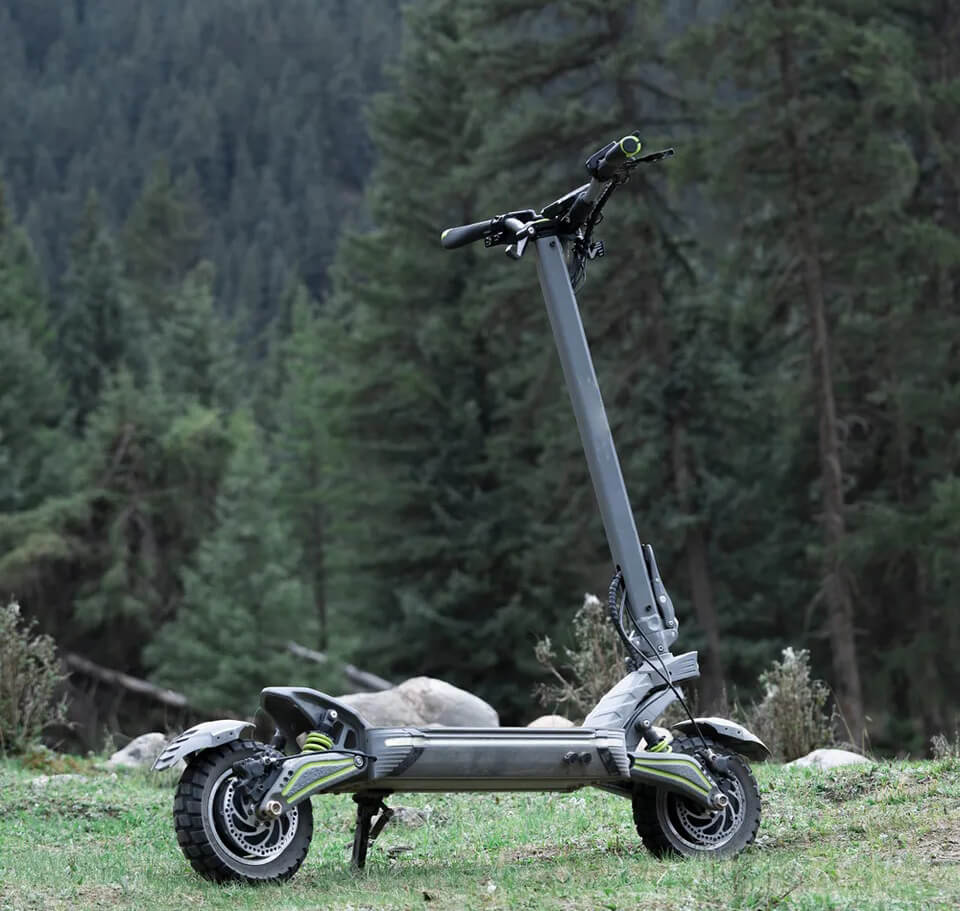
On our site, the Sharing Scooter category is already positioned as “rigorous sharing-spec e-scooter” with IP-rated hardware, long-cycle commercial batteries, and built-in GPS/Bluetooth locks for fleets.
Concretely, this helps:
- Airless / non-inflatable tires on FS Pro and S1 cut puncture tickets and workshop time — big deal when you run thousands of rides per day.
- IP65–IP67 protection on controllers and battery packs keeps water damage from eating your budget every rainy week.
- Modular design on Urban M FS Pro means fast swap of key modules rather than full teardown, which your ops guys will really thank you for.
This is classic “design for maintenance”: build the scooter for sharing from day one, not just re-skin a consumer toy.
Battery Management and Charging Logistics for Sharing Scooter Fleets
Next pain point: battery and charging logistics.
Academic work on shared e-scooters shows that poorly managed systems tend to end up with uneven vehicle distribution and low state-of-charge, and that kills service quality.
Operators complain about:
- Scooters showing “available” in the app but actually nearly empty.
- Nightly round trips just to collect and charge vehicles.
- Separate teams for rebalancing and recharging, which wastes effort.
Researchers now even model joint rebalancing + charging, because doing them separately just burns time and driver hours.
Swappable Battery and Smart Connectivity in FS Pro and S1
Here’s where Urban M FS Pro and S1 connect nicely with that theory:
- FS Pro comes with dual battery options (11Ah / 16Ah) and a swappable pack layout, so your team can run swap-based operations on busy corridors and leave slow plug-in charging only for overnight depots.
- S1 uses high-quality lithium cells with around 50 km typical range and IP67-rated electronics, which makes SoC predictions more stable and cuts “surprise dead scooter” cases in real-world streets.
- Built-in 4G connectivity on FS Pro gives you live SoC, GPS and diagnostics — that’s the data pipeline you need for any serious charging algorithm or dynamic ops dashboard.
From an operator view, this means less random shuttle driving and more planned swap runs based on battery heatmaps, not guesswork.
Scooter Rebalancing and Spatial Distribution Challenges
Even with good scooters and decent batteries, rebalancing stays a huge operational issue.
Research on e-scooter sharing keeps pointing to the same story: spatial and time mismatch between demand and supply leads to lost trips and unhappy riders.
You probably see this every Monday:
- Downtown and near the metro: wiped clean at 8:30.
- Residential zones: scooters sitting all day like furniture.
- Night shift: chasing vehicles around the city with a van and bad coffee.
How Foldable and Stackable Scooters Help Rebalancing Logistics
Two details on your site are actually very “ops friendly” here:
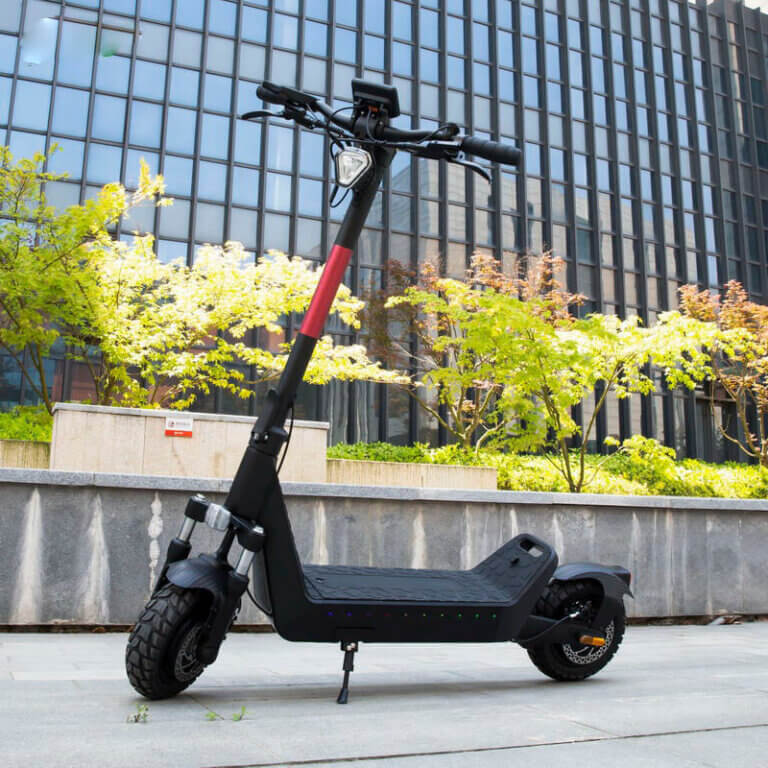
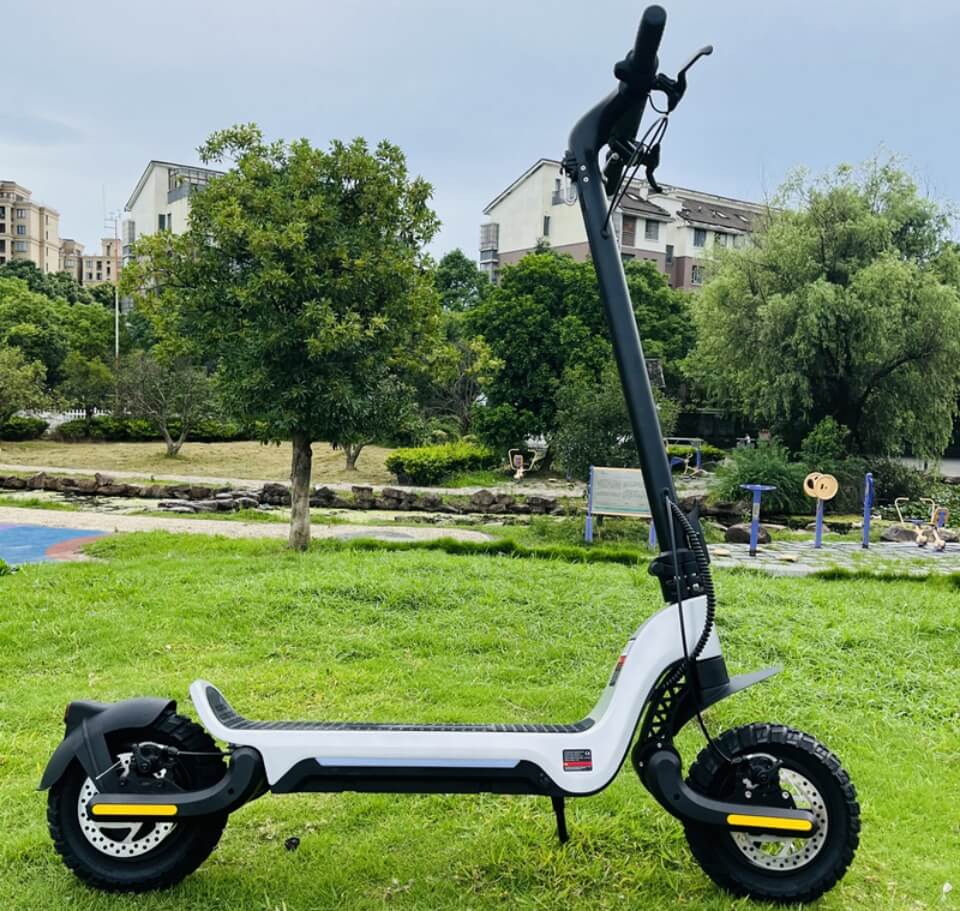
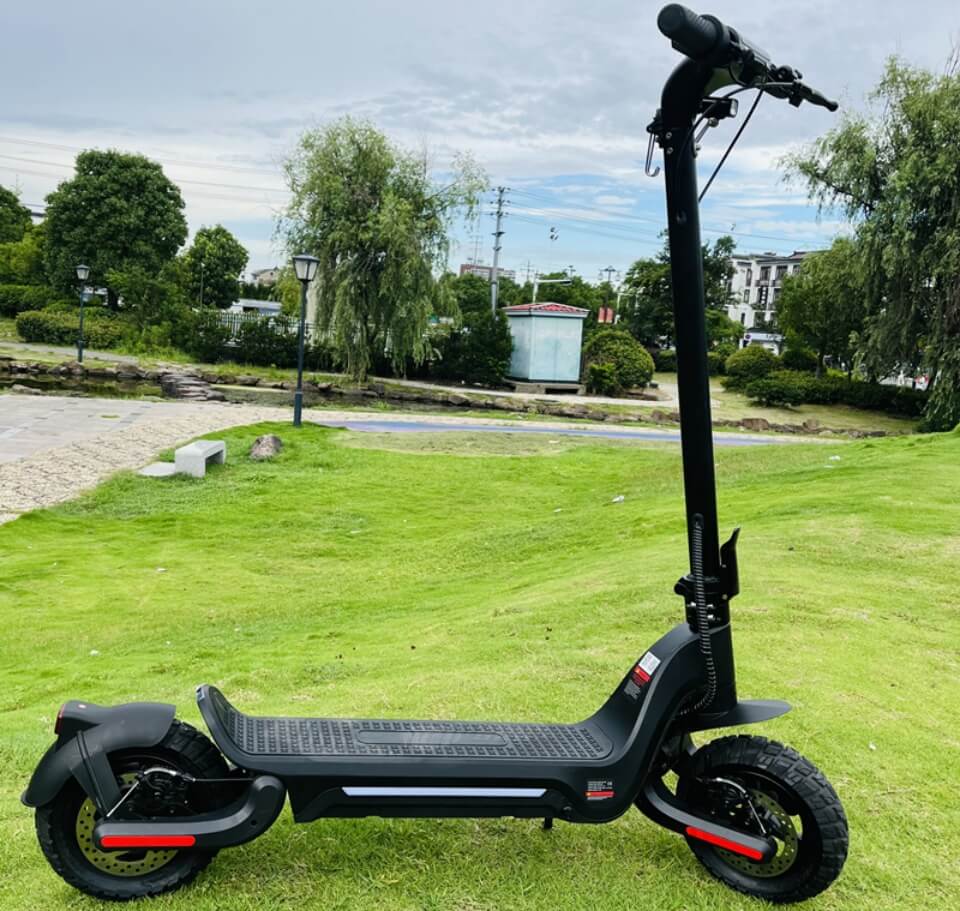
- Best foldable electric scooter for commute (Super S) is clearly positioned for city rentals, campus mobility and last-mile transport. Foldable + light means your team can throw several units into a small van or even a pick-up for micro-rebalancing around a campus or business park.
- FS Pro’s stackable frame and S1’s optimized container loading (72 pcs / 20’GP, 200 pcs / 40’HQ) are not just shipping tricks; they also mean denser storage in micro-depots and quicker loading for nightly repositioning.
For a fleet manager, that’s real OPEX impact: fewer truck runs, less time on the ground, more rides per vehicle per day — even if the spreadsheet is a bit messy sometime.
Regulatory Compliance, User Experience and Profitability in Shared Scooter Business
Hardware alone won’t solve city rules, UX, and revenue. But it can make them easier.
A recent smart-city paper on scooter-sharing shows three big blockers to adoption:
- poor infrastructure,
- weak fleet maintenance,
- and complex apps / rental flows that confuse riders.
Other industry sources add:
- Constant regulatory changes on speed limits, parking zones and safety rules;
- Messy billing and payment flows that create disputes and support tickets.
Built-In Compliance and White-Label Fleet Solutions from Urban M
This is where Urban M’s sharing lineup lines up (sorry, little pun) with policy and revenue needs:
- FS Pro is shipped with EU/US speed presets and a full pack of global certifications (CE, StVZO, FCC, ROHS, TUV). That takes a lot of compliance anxiety off your desk when you move into a new city.
- S1 focuses on safety hardware – EABS + drum brakes, dual lights, solid tires – so your risk profile looks better when you talk to city officials or campus admins.
- The Sharing Scooter category explicitly mentions city compliance kits, GPS/Bluetooth locks, and OEM branding, which is perfect when you sell into public-tender projects or big enterprise clients that want their own logo and app integration.
Because your factory is set up for OEM/ODM, ISO-style quality and bulk orders, you can align hardware specs, firmware limits and even visual branding with the operator’s app and local rules.
That’s what many fleet buyers really want: one vendor who understands both hardware SKU and policy constraints, not just a random scooter catalogue.
Summary Table: Key Shared Scooter Fleet Challenges and Urban M Solutions
Here’s a compact table you can drop straight into a blog post or sales deck.
| Challenge keyword | What research & operators report | Urban M / EZBKE angle | Typical scenario |
|---|---|---|---|
| Fleet maintenance and damage management | Studies link poor maintenance and hard-to-use apps with lower satisfaction and limited accessibility. Industry blogs list “finding and fixing damaged scooters fast” as a top issue. | Sharing Scooter line, FS Pro and S1 use IP-rated parts, airless / solid tires and sharing-spec frames to cut workshop time and keep more units ride-ready. | City rental fleet chasing higher uptime and fewer “scooter broken again” tickets. |
| Battery management and charging logistics | Academic work shows that uneven SoC and low-battery scooters reduce service quality and make rebalancing more complex. | Swappable pack design on FS Pro, long-range S1 battery and live 4G telemetry give your ops team real-time SoC data and flexible charging tactics. | High-demand downtown fleet using swap teams in daytime and depot charging at night. |
| Scooter rebalancing and spatial distribution | Fleet-rebalancing research calls spatio-temporal mismatch one of the main threats to demand fulfillment and revenue. | Foldable Super S and stackable FS Pro / efficient-loading S1 reduce truck runs and loading effort for nightly and intra-day repositioning. | Campus or mixed-use district where demand shifts from office in the morning to nightlife in the evening. |
| Regulatory compliance and safety | Mobility blogs emphasize fast-changing local rules around parking, speed and safety; failure to keep up leads to fines and even license loss. | FS Pro ships with global certifications and preset speed modes; S1 focuses on waterproof electronics and braking, supporting permit applications and RFP pitches. | Operator bidding for a city contract that requires certified hardware and geofenced speed control. |
| User experience, billing and profitability | Smart-city research notes that complex rental processes and confusing interfaces reduce adoption and exclude some user groups. | Urban M hardware is designed for white-label apps (QR plates, branding slots, IoT connectivity), making it easier for operators to ship smooth UX and clean billing flows on top. | Sharing operator rolling out a branded app for tourists and commuters, needing clean journeys and few support calls. |
So Where Does This Leave a Fleet Buyer or Wholesaler?
If you’re a distributor, city partner, or platform builder, your daily questions are not academic:
- Will this scooter survive real riders and real weather?
- Can my ops team keep uptime high without crazy overtime?
- Is this hardware ready for city-hall questions and RFP spreadsheets?
- And in the end, does the whole stack support healthy unit economics?
By combining:
- Sharing-spec scooters (IP-rated, GPS/Bluetooth, commercial batteries),
- models like Urban M FS Pro for heavy-duty fleet work,
- and flexible units like S1 and Super S for foldable, campus or last-mile scenes,
you don’t just buy hardware. You buy fewer headaches for your ops managers and a stronger story for investors and city partners.
The whole point is simple:
shared scooter fleets live or die on the boring stuff — maintenance, charging, rebalancing, compliance.
Urban M and EZBKE sit right in that boring, important middle: ISO-style manufacturing, OEM/ODM customization, and sharing-grade scooters built for fleets, not just weekend fun.