


-
414 Block B, ZT Times Plaza, Wuhan, Hubei, China

Blog
The Top 5 Reasons Customers Return Kick Scooters
A lot of kick scooter returns don’t happen because the scooter is “bad.” They happen because the spec was wrong for the rider, the road, or the real daily route. That’s the part many sellers miss.
If you look at public buying guides, safety advice, and product pages side by side, one thing gets clear fast: returns usually come from fit mismatch, comfort mismatch, portability mismatch, safety doubt, or trust issues after purchase. In other words, the problem often starts before the first real ride. (decksandscooters.sg)
For wholesale buyers, distributors, and OEM/ODM partners, this matters a lot. A return is not just one lost sale. It turns into RMA pressure, review drag, slower sell-through, and more after-sale noise. So yes, this topic is consumer-facing, but it’s also very much a channel problem.
Quick Table: The Top 5 Reasons Customers Return Kick Scooters
| Return reason | What customers usually mean | Why it turns into a return | Source basis |
|---|---|---|---|
| Wrong rider fit and load capacity | “It feels awkward” or “it doesn’t feel stable” | The handlebar height, deck feel, or load rating doesn’t match the rider | Decks & Scooters buying guide; Hyeed buying guide; EZBKE GS1, H1, H0 product pages (decksandscooters.sg) |
| Wrong wheel size, tire type, and ride comfort | “Too bumpy” or “not smooth on my route” | Small wheels and solid tires can feel harsh on rough streets; larger wheels usually feel calmer | Decks & Scooters; Hyeed; CPSC; EZBKE X3, G1, H1 pages (decksandscooters.sg) |
| Portability did not match the real commute | “Too heavy,” “too bulky,” or “hard to store” | Riders wanted fold-and-go convenience, but got a unit that doesn’t fit stairs, office corners, or mixed transit | Decks & Scooters; EZBKE H0, H1, X3, Urbanm G1 pages (decksandscooters.sg) |
| Brake feel and safety confidence were weak | “I don’t trust it” | Buyers care about braking and stability fast; one sketchy first ride is enough to kill confidence | Hyeed brake guide; CPSC safety advice; EZBKE brake article; GS1 / X3 / 4000W product positioning (hyeedstore.co.uk) |
| Quality doubt or after-sales risk | “Maybe I should just send it back” | Structural failures, recalls, or weak QC signals make customers nervous, even before long-term use | CPSC recalls; EZBKE compliance and OEM/QC pages (cpsc.gov) |
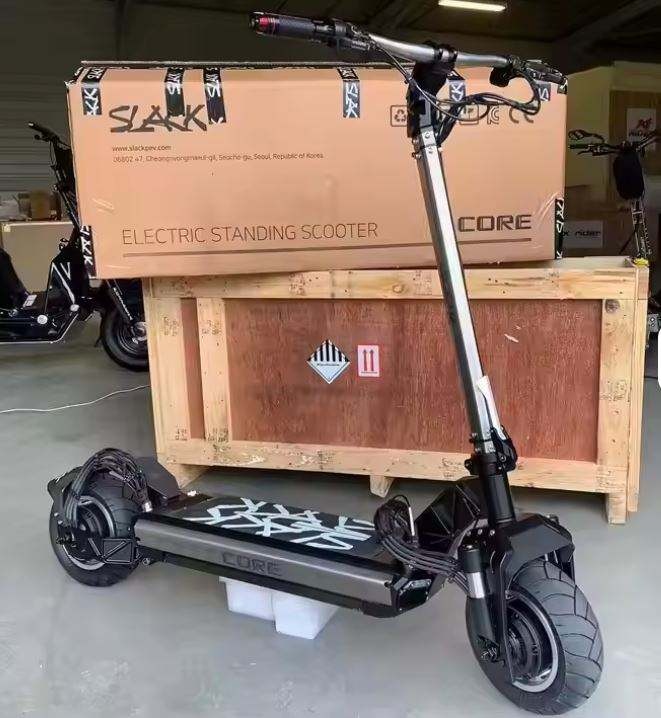
Electric Kick Scooter Load Capacity and Rider Fit
Wrong fit starts more returns than people think
A scooter can look fine on a product page and still feel wrong in the first ten minutes. That’s where a lot of returns begin.
Public kick scooter buying guides keep repeating the same point: wheel size, deck size, handlebar setup, and rider size shape the whole ride feel. Hyeed also says wheel size and brake setup matter more than many buyers expect, while Decks & Scooters breaks selection down into practicality, performance, and comfort. (decksandscooters.sg)
This is exactly why a one-spec-fits-all listing usually backfires.
If the buyer is a short-hop commuter, a model like H1 foldable electric scooter for adults for commuting makes more sense because it is light, compact, and built for daily city use with solid tires and an 8KG net weight. If the rider needs a bigger load envelope, the GS1 / GS1-Pro electric scooter for heavy adults 400lbs is a much safer match because it offers a reinforced frame, 10-inch tires, suspension, and up to 120KG max load. (ezbke.com)
That sounds obvious, but buyers skip this all the time. Then they blame the scooter, when the real issue was bad fit-to-use-case.
Wheel Size, Tires, and Ride Comfort
Small wheels on rough ground create fast regret
This one is huge.
Decks & Scooters says wheel size is the most obvious feature on a kick scooter, and Hyeed says larger wheels usually improve comfort and stability for teens and adults. The CPSC also warns that small tires can stop suddenly on objects and uneven surfaces, which can throw the rider off. (decksandscooters.sg)
So when a customer says, “It rides rough,” they often mean one of three things:
- the wheels are too small for the road
- the tires are too hard for the surface
- the scooter was sold for “commuting” but only feels good on smooth pavement
That’s why route matching matters.
For short indoor-outdoor hops, a light model like H0 / H0 Pro may work. But for mixed pavement, curbs, or old city blocks, something like X3 long range electric folding scooter for adults makes more sense because it uses 10-inch pneumatic tires, hidden front suspension, and EABS plus disc brake. For buyers who want a more premium city ride, Urbanm G1 brings stronger speed, foldability, disc brake, and a higher load ceiling. (ezbke.com)
That is a cleaner spec map. Less mismatch. Less return risk.
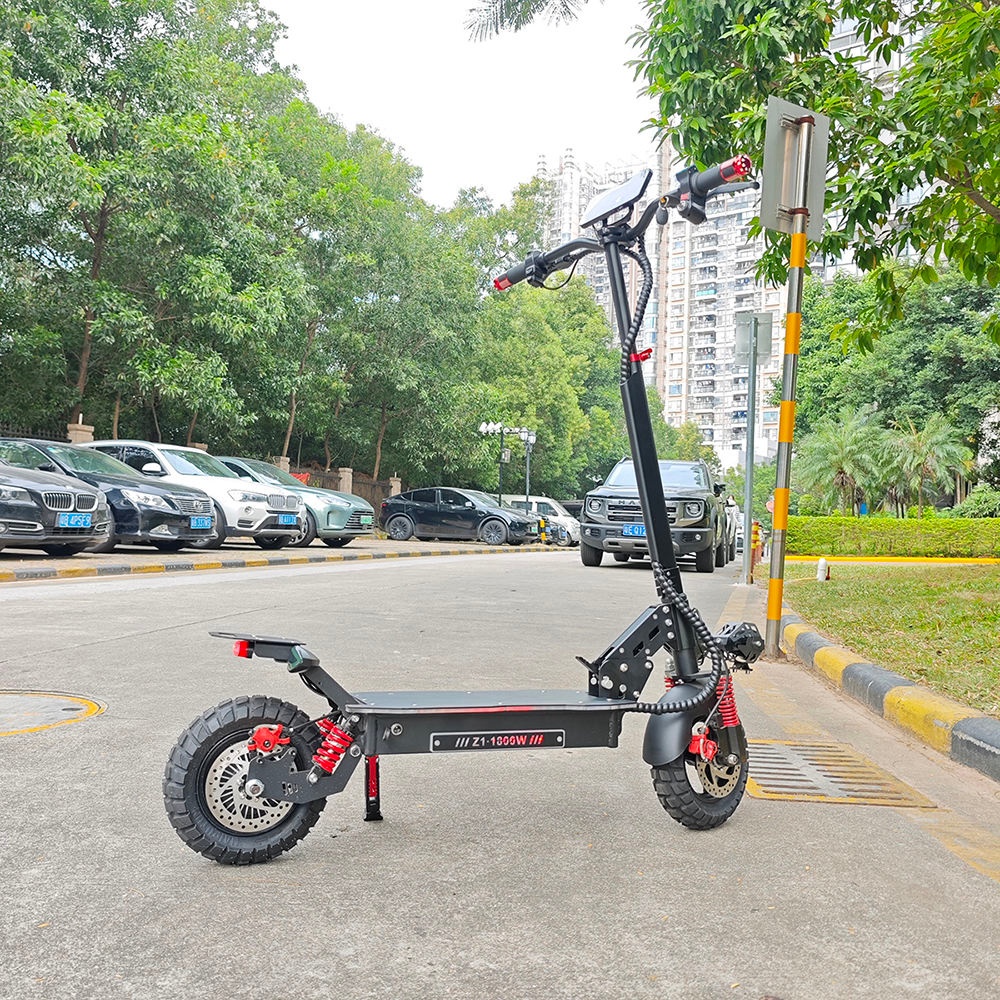
Foldable Electric Scooter Portability and Daily Use
A scooter can be powerful and still be wrong for the commute
A lot of returns happen after one boring moment: the rider tries to carry the scooter upstairs, fold it into a car trunk, or park it under a desk.
Then reality hits.
Portability is not just “does it fold?” It’s weight, folded size, carry pain, and how often the rider has to move it by hand. Decks & Scooters puts practicality and convenience right at the center of scooter choice. EZBKE’s own lineup shows the same logic across different SKUs. (decksandscooters.sg)
You can see the spread clearly:
- H0 / H0 Pro: 7.8KG, short range, very portable
- H1: 8KG, commuter-friendly, quick to stash
- X3: foldable, but built for more range and better street comfort
- Urbanm G1: folds fast, but carries more performance hardware
- 4000W Dual Motor Electric Kick Scooter with 100km Range: big power, big range, bigger physical presence too (ezbke.com)
So yes, power sells. But if the buyer’s real scene is “apartment elevator, office lobby, train platform,” a heavy long-range unit may get returned even if it works perfectly.
Electric Scooter Brake System and Safety Features
If the first ride feels sketchy, the box comes back
Customers don’t always say, “The brake modulation is poor.” They say, “I don’t feel safe.”
That feeling matters more than spec-sheet bragging.
Hyeed says riders in city conditions should look hard at brake type. EZBKE’s brake article says many brake complaints trace back to contamination, cable stretch, alignment drift, wet braking, or heat fade. It also shows how EZBKE maps braking setups by scene: commuter spec for H1/H0/M365, heavier-duty brake hardware for GS1/GS1-Pro, and stronger front systems for performance SKUs like Urbanm G1, X3, and the 4000W dual-motor model. (hyeedstore.co.uk)
That is not just engineering talk. It is commercial logic.
A weak first brake impression creates instant return intent. A stable stop cuts panic. That’s why brake feel, tire choice, and suspension tuning do more for retention than raw top speed.
And honestly, this is where Urban M fits well. The brand works best when it is sold with clear ride-scene language, not vague hype. Urban riders, last-mile fleets, and retail partners need to know what the unit is really built for. The Urbanm G1 page already leans that way: city travel, foldability, disc brake, 40–60KM range, and 150KG max load. (ezbke.com)
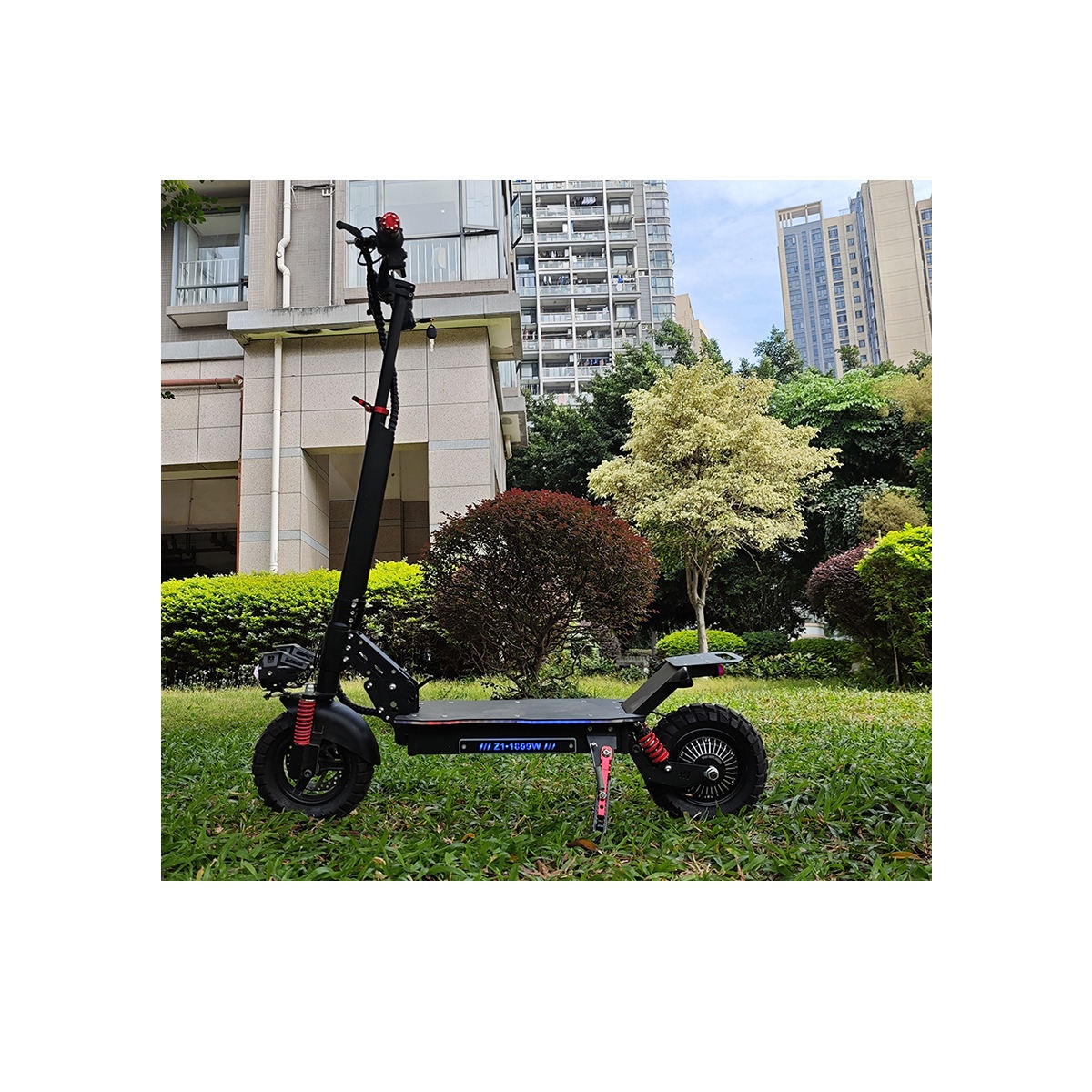
Electric Scooter Quality Control, Compliance, and After-Sales Risk
Returns rise when trust drops
Sometimes the customer does get a real defect. And when that happens, trust falls hard.
CPSC recall pages show why this matters. One adult kick scooter recall involved broken steer supports. Another scooter recall involved front wheel detachment and injuries. These are not “minor complaints.” These are trust killers. (cpsc.gov)
That’s why B2B buyers should care about more than just motor and battery.
EZBKE’s own compliance content speaks directly to that problem: UL 2272 / 2271, EN 17128, IEC 62133-2, UN 38.3, plus document control, QC process, change control, and traceability. Its OEM article also talks about torque checks, packing checks, CAPA, version control, and keeping builds consistent across batches. That stuff may look boring on paper, but boring saves margins. (ezbke.com)
No one wants warranty leakage. No one wants mixed-part batches. And no retailer wants to explain preventable failures to angry customers.
Electric Kick Scooter Wholesale: How to Cut Returns Before They Start
Match the SKU to the route, not the hype
If you sell electric kick scooters in bulk, here’s the clean takeaway:
- Sell H0 / H1 / M365 when the real need is light commuting, simple storage, and low after-sale friction.
- Sell GS1 / GS1-Pro when the route includes heavier riders, mixed surfaces, or fleet duty.
- Sell X3 when buyers want better comfort, pneumatic tires, and more everyday range.
- Sell Urbanm G1 when the market wants a sharper city product with foldability and stronger performance.
- Sell the 4000W Dual Motor model when the use case truly needs long range, high speed, and heavier-duty build. (ezbke.com)
That is how you reduce returns. Not by prettier copy. By tighter spec discipline.
Final Thought
So, what are the top 5 reasons customers return kick scooters?
Not price alone. Not even defects alone.
They return them because the scooter was the wrong fit, the wrong wheel setup, the wrong carry experience, the wrong safety feel, or the wrong quality signal.
That is why a serious supplier matters. EZBKE positions itself as a 15Y electric scooter manufacturer plant with Electric Kick Scooter, Foldable Electric Scooter, Sharing Scooter, Electric Bike, and Electric Motorcycle lines, plus OEM/ODM and bulk supply support. For wholesale buyers, that means you can build around real rider scenes instead of one-size-fits-none listings. And that, simple as it is, cuts a lot of dumb returns. (ezbke.com)