


-
414 Block B, ZT Times Plaza, Wuhan, Hubei, China

Blog
The ROI of Electric Motorcycles for Business Use
A lot of buyers ask the wrong first question. They ask, “Is an electric motorcycle cheaper than gas?” That matters, sure. But it isn’t the whole business case. The better question is this: Will this bike keep my fleet moving, cut service headaches, and fit the route I run every day? After reviewing related industry coverage, public agency guidance, academic fleet research, and the Urban M electric motorcycle lineup on EZBKE, the answer is pretty clear. Electric motorcycles make the most sense in business use when the job is repeatable, urban, and uptime-heavy.
Electric motorcycle ROI for business use
ROI in this category doesn’t come from one magic point. It comes from a stack of small wins that add up: lower energy spend, less maintenance, less workshop time, easier route planning, and better fit for dense city work. That is why electric motorcycles usually look strongest in last-mile delivery, campus patrol, rental fleets, property services, and urban commuting programs. In other words, the bike has to work like a tool, not a toy.
Electric motorcycle total cost of ownership
This is where smart buyers start. Electric motorcycle total cost of ownership is not only about purchase price. It is about how many service stops the vehicle needs, how easy it is to charge between shifts, whether the battery setup fits dispatch, and whether the bike can survive rain, rough roads, and stop-go traffic without becoming a warranty magnet. The U.S. DOE says all-electric vehicles need less maintenance because they have fewer moving parts and fluids to change. EPA also notes that EVs have no tailpipe emissions. That matters for city contracts, campuses, tourism zones, and brands that want a cleaner operating image.
The table below sums up the most useful arguments behind electric motorcycle ROI for business use and where those points come from.
| Argument title | What it means in real business | Why buyers care | Source |
|---|---|---|---|
| Lower per-mile energy cost | Electricity tends to give a steadier operating model than fuel for daily city routes | Better route margin and easier budget control | U.S. DOE AFDC, EIA |
| Lower maintenance and less downtime | Fewer moving parts, fewer fluid changes, less brake wear in EV platforms | More uptime, less workshop drag | U.S. DOE AFDC |
| Best ROI in high-use urban routes | The business case improves when bikes run fixed routes often | Faster payback window, better asset use | MDPI fleet electrification study |
| Charging workflow decides the outcome | Removable or swappable batteries and overnight charging reduce dead time | Better shift turnover and dispatch stability | MDPI study, Urban M product pages |
| Compliance and city access add value | Street-legal and EEC-ready models fit more regulated markets | Easier resale, dealer expansion, tender fit | EPA, Urban M S5 and X1 |
One more thing buyers miss: policy support can help, but it shouldn’t be the whole story. Tax credits and incentive rules can change fast. The IRS updated its commercial clean vehicle credit guidance after 2025, which is a good reminder that a strong fleet case should stand on operations first, subsidy second. That part is not sexy, but it is real.
Last-mile delivery electric motorcycle
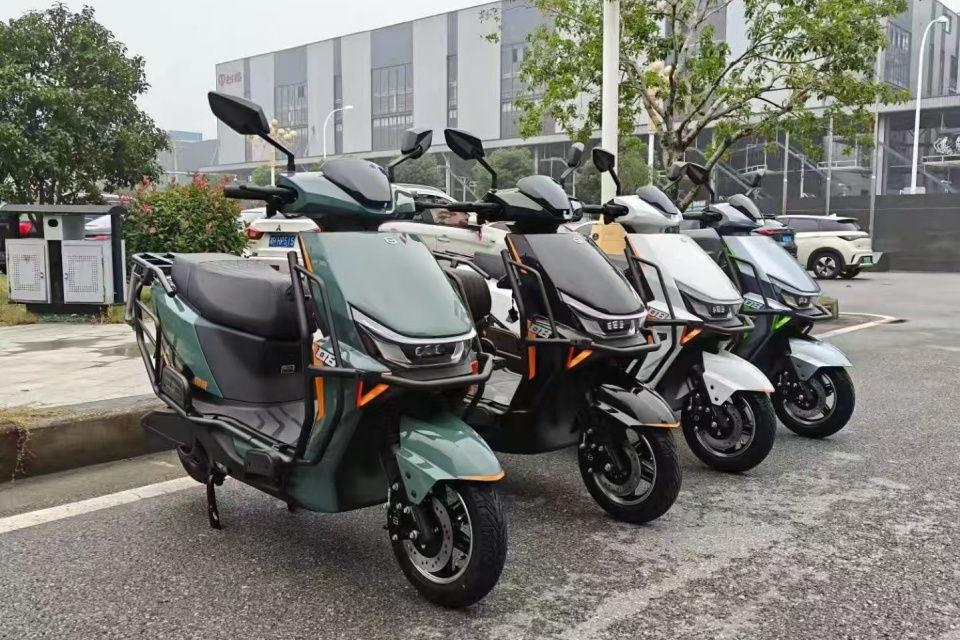
If you run food delivery, parcel drop, local courier, or service tech routes, an electric motorcycle often fits better than people expect. The key word is route density. When the job is short-trip, repeatable, and packed into city blocks, the electric model starts to look very clean from an ops side. You get easier curb access, lower noise, simpler charging logic, and fewer fuel-stop interruptions. A 2025 MDPI study on electrifying a last-mile motorcycle fleet found that bike count, battery count, charger planning, and charging strategy all shape the fleet result. So the return is not just about the vehicle. It is about the whole operating system around it.
That logic matches the Urban M lineup pretty well. On the EZBKE Electric Motorcycle category page, Urban M positions these bikes as industrial-grade models built for OEM/ODM, fleet use, technical customization, bulk pricing, and worldwide logistics. That is not random wording. It speaks to real buyer pain points: uptime, parts planning, and deployment at scale.
Urban electric motorcycle for campus security and patrol
This use case is underrated. Campus security, industrial parks, hotel grounds, large residential compounds, and event patrol teams don’t always need high top speed. They need quiet movement, easy stop-start control, safe braking, and clean brand image. That’s where electric motorcycles can quietly do a better job. EPA’s guidance on EVs and the Urban M product specs point in the same direction: lower local emissions, practical city handling, and fewer service interruptions are a strong combo for patrol-style use.
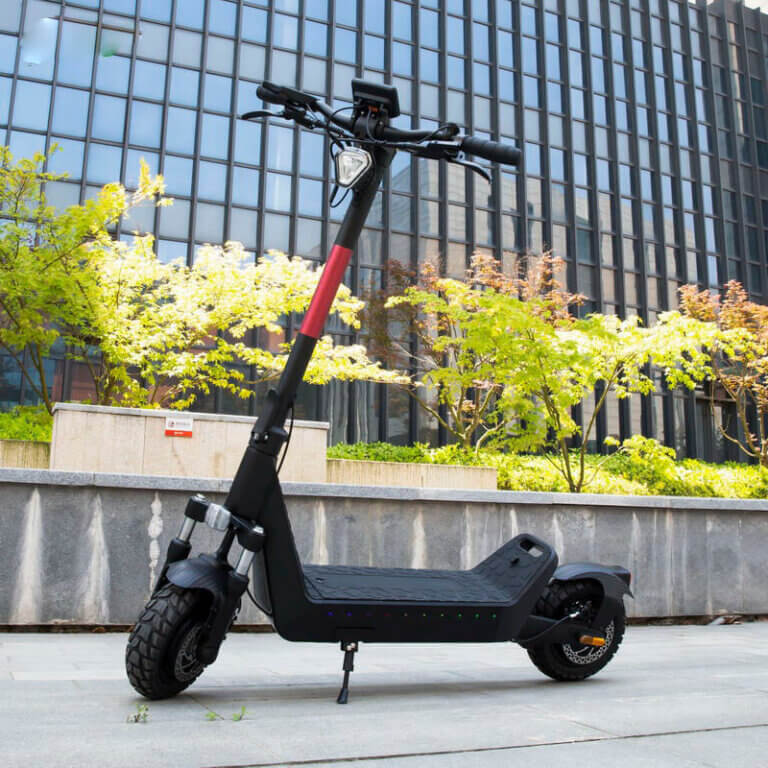
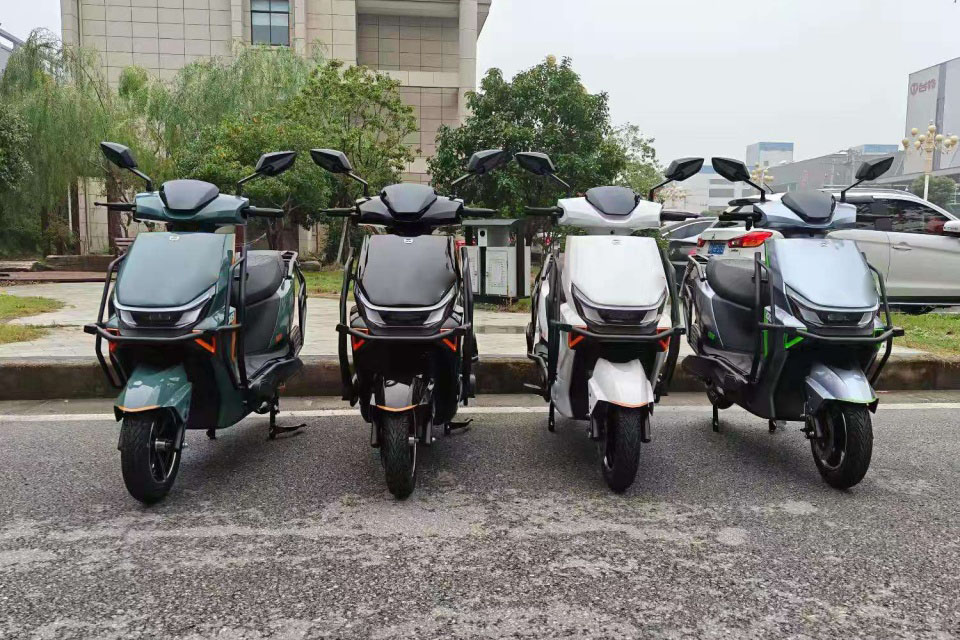
Take the product mix itself. The S4 is framed around daily deliveries or commutes, with a portable battery, city-friendly size, and swap-friendly workflow. The S5D leans into urban deliveries and fleet work with storage, quick charging, and a lightweight body that helps shipping and handling. The X1 focuses on compact urban movement, removable battery use, and EEC approval for wholesale markets. These are not just spec-sheet details. They solve route friction.
Electric motorcycle OEM/ODM for fleets
A serious buyer rarely purchases “just a bike.” They buy a supply setup. They buy after-sales stability. They buy a platform they can brand, tune, and repeat across markets. That is why electric motorcycle OEM/ODM for fleets matters so much. Urban M’s category page highlights OEM/ODM support, waterproof frames, UL-certified batteries, technical customization, and worldwide logistics. EZBKE also presents itself as a wholesale manufacturer with high annual capacity and bulk-order focus. For distributors, importers, and fleet builders, that lowers execution risk. And yeah, execution risk is where many projects wins or loses.
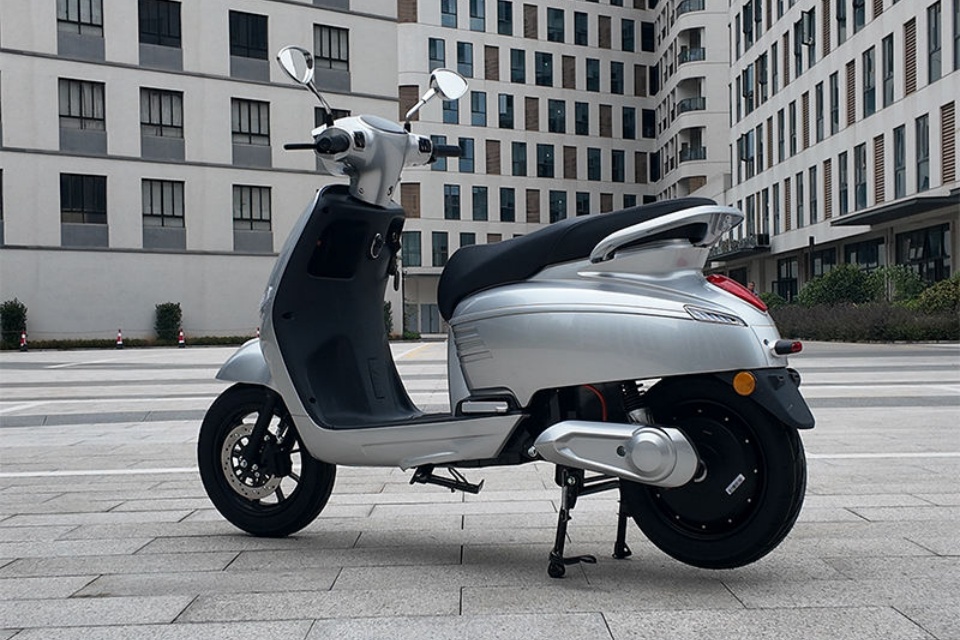
The product pages back that up. The S3 supports speed adjustment, branding, and accessory customization. The S5 is positioned as street-legal, range-focused, and plug-and-play for charging. The S6 adds more punch for buyers who need higher speed, stronger hill ability, and a portable battery in a compact urban frame. So if your customers are not all the same, Urban M gives you room to build different SKUs without starting from zero each time.
Electric motorcycle wholesale for bulk orders
Bulk buyers usually worry about boring stuff first. Spare parts. Battery handling. homologation. Warranty claims. Dealer support. Shared components across a line can help a lot here. Looking across the S3, S4, S5, S5D, S6, and X1 pages, there is a visible pattern: Bosch motors appear across multiple models, removable or portable battery logic shows up again and again, and tubeless tires plus disc brake setups are common. That suggests a product family built with fleet practicality in mind. I’m making a small inference there, but it’s a grounded one.
Electric motorcycle business use scenarios
The best model depends on the job. Here’s a cleaner way to map that.
| Business use scenario | Main pain point | Better Urban M fit | Why it fits |
|---|---|---|---|
| Last-mile delivery electric motorcycle | Downtime between shifts | S4, S5D | Portable battery, quick charge, city-size frame |
| Street-legal commuter resale | Compliance and dealer sell-through | S5 | Street-legal positioning, strong range, rebrand-friendly layout |
| Campus security and patrol | Quiet movement, stop-go control | X1, S3 | Compact body, removable battery, disc brakes |
| Heavy-duty urban routes | Load, slope, faster city flow | S6 | Stronger motor, CBS braking, higher-speed urban use |
| Rental or branded fleet launch | OEM/ODM and customization | S3, S4, S6 | Branding flexibility, bulk-order setup, modular feel |
This scenario view is often more useful than a pure spec comparison, because business buyers don’t buy kilometers alone. They buy fit-for-task. And that’s where Urban M can sell more naturally, not by shouting, but by matching the machine to the route.
Electric motorcycle ROI summary
So, what’s the real takeaway? The ROI of electric motorcycles for business use is strongest when the fleet runs often, runs in cities, and needs high uptime with low service drag. That is the center of the argument. Not buzzwords. Not one-time promo math. Just cleaner route economics, better operating rhythm, and a product setup that supports OEM/ODM and wholesale growth. For buyers serving delivery fleets, dealers, patrol teams, or urban mobility programs, that’s a very workable business story. Urban M fits into that story in a natural way, because the lineup is already built around fleet logic, customization, and repeatable commercial use.