


-
414 Block B, ZT Times Plaza, Wuhan, Hubei, China

Blog
Shared Scooter Maintenance Plans For Fleet Managers
You run a fleet. You need uptime, safe rides, and clean unit economics. Here’s a straight-talk, field-tested take—pulled from real guidelines and research—on how to build shared scooter maintenance plans that don’t fall apart the first rainy weekend.
Site context: We’re a 15Y electric scooter manufacturer Plant.We wholesale Sharing Scooter hardware and do custom/OEM/ODM,and can spec models like Super S, FS Pro, and S1 directly.
Shared Scooter Maintenance Plans: compliance first, then reliability
Cities don’t just care that your scooters “work.” They expect an operator plan that spells out how you’ll deploy, maintain, and monitor your fleet—plus safety, rebalancing, and service levels. Write it down. File it. Keep it alive.
What to include (minimum):
- Preventive maintenance schedule: daily/weekly/monthly/seasonal checks, and major services by mileage or time.
- Battery safety SOPs: storage, charging, incident response, disposal. Regulators will look for it. So will your insurer.
- Work order workflow: how faults become tickets, how tickets close, how you audit. (Yes, it needs timestamps and technician IDs.)
If you sell into city-regulated programs, this compliance chapter doubles as your RFP backbone.
Preventive Maintenance Checklist: practical steps, not a mystery
Daily quick checks (field tech / swap ops):
- Brake feel, lever travel, and caliper alignment
- Lights (front, rear, brake), bell/horn
- Tires & wheels (cuts, flat spots, true)
- Fold/steering play, stem latch torque
- QR scan plate readable; label intact
- Firmware lock/unlock and GPS ping ok
Weekly shop checks:
- Full bolt torque set on stem, clamp, axle, and deck
- Cable and hose routing/abrasion
- Kickstand & deck integrity
- Connector corrosion; harness strain relief
- Charging port caps & seals
Mileage/time gates: do a major service at ~500 miles or ~6 months (whichever first), then repeat. Use your telematics odometer to trigger it automatically. (Mileage-triggered maintenance is standard practice across shared micromobility ops.)
Battery & charging safety (non-negotiable): charge in supervised areas, avoid overnight unattended charging, and follow disposal guidance; these points are now common in governmental safety notes and insurer advisories.
Work Order Automation & IoT Diagnostics (your MTTR depends on it)
Manual spreadsheets won’t keep up once you pass a few hundred units. You need auto-generated work orders when:
- Odometer hits a service threshold
- Battery telemetry reports abnormal temps/voltage
- Crash/impact event detected
- Customer feedback tags “brake,” “wheel,” or “won’t power”
This is normal in modern fleet stacks: task automation tied to real-time parameters (mileage, time, ride count). Your goal isn’t fancy—just “fault → ticket → fix → audit” with no gaps. That’s how you cut MTTR and protect availability.
Predictive Maintenance: from “fix it” to “avoid it”
Once you have a few months of repair logs + sensor traces, train a lightweight model to spot high-risk vehicles/parts (stem play, brake fade, battery imbalance). City reports and research papers show how predictive methods reduce breakdowns and improve service reliability. You don’t need a PhD model; start with thresholds, then move toward ML as data grows.
Bonus: blend predictive flags with demand forecasts so your best units stay in hot zones during peak hours. That’s real money, not just nice charts.
Reliability & Safety Benchmarks (KPI that actually move the needle)
- Uptime / Availability: % of fleet rent-ready during service hours
- MTTR (mean time to repair): clock starts at fault event, stops at verified fix
- MTBF (mean time between failures): rally this number; it’s your reliability score
- FFR (first-fix rate): % of tickets resolved in one visit
- Defect density per 100 rides: easy to explain to city partners
- Battery safety incidents: track and trend; regulators care. A lot.
Cities increasingly judge operators on service quality and safety outcomes, not just raw fleet caps—hitting these KPIs helps with permit renewals and expansion.

Argument Table: what to claim, what to show, how to verify
| Argument (what we assert) | What we actually do | KPIs / Evidence | Why it matters for business | Source |
|---|---|---|---|---|
| A written maintenance & service plan is table stakes for permits. | File a living doc with PM schedules, rebalancing, and response SLAs; keep revision history. | Permit acceptance, inspection pass rate. | Reduces permit risk; unlocks fleet growth. | City program specs; permit guidance |
| Preventive maintenance on fixed intervals + mileage gates beats reactive chaos. | Daily/weekly checks; major service ~500 miles/6 months; torque maps per model. | Higher MTBF; lower defect per 100 rides. | More rentable hours; fewer refunds; better reviews. | Shared ops playbooks |
| Battery safety must be codified and trained. | Supervised charging, safe storage, incident drills, proper disposal workflow. | Zero/low incident trend; training completion. | Protects brand + permits; avoids downtime. | Safety advisories |
| Work order automation shrinks MTTR. | Auto-tickets from odometer, temp/voltage, crash flags; technician app with checklists. | MTTR, first-fix rate, audit trail completeness. | Faster returns to service; less lost revenue. | Fleet software docs |
| Predictive maintenance trims non-planned outages. | Risk scoring for vehicles/parts using repair history + telematics. | Unplanned outage rate; pre-emptive swap ratio. | Stabilizes availability in peak; protects NPS. | Research synthesis |
| Safety-led design choices improve reliability long-term. | Choose models with sealed harnesses, robust stems, brake spec that matches terrain. | Lower water-ingress faults; fewer stem/steer tickets. | Fewer truck rolls; less parts burn. | Hardware QA notes |
Real-world Scenarios: how fleet managers actually run it
Rainy Friday, city center: bookings spike late afternoon, riders churn fast, units get hammered. Your impact sensor flags a cluster of hard stops near a cobble section. Automation opens five tickets tagged wheel true check + brake lever travel. Techs pick them up during the evening reposition. All five are rent-ready before Saturday morning. That’s availability saved.
Heat wave week: battery temps climb, a batch shows imbalance drift. Predictive score bumps those VINs to “monitor.” You throttle charge rate in the depot, swap a handful of packs early, and avoid field failures. Zero incidents; ops stable.
Permit renewal season: city asks for evidence not promises. You hand over a clean log: MTTR trend, defect density, training rosters, battery safety drills, plus pictures of your charging layout. You also show outage reduction after predictive rules went live. Easy pass.
Product Fit: picking the right hardware for shared fleets
If you’re kitting a fleet for dense urban use, spec hardware that makes maintenance boring:
- Ingress protection: sealed connectors, routed cabling, rubberized port caps
- Serviceability: easy wheel off, standardized fasteners, clear torque map
- Brake spec: consistent feel in rain; rotor/access alignment that techs can reach fast
- Telematics: reliable GPS/lock, battery BMS telemetry, impact/tilt sensors
On ezbke, managers tend to shortlist:
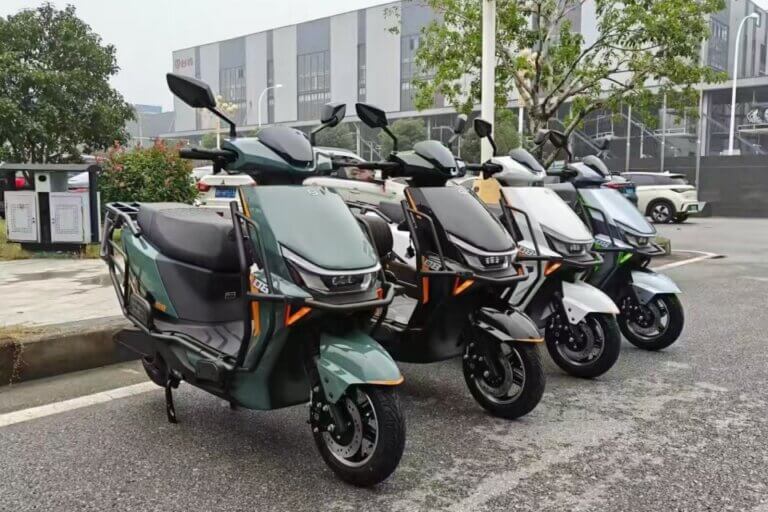
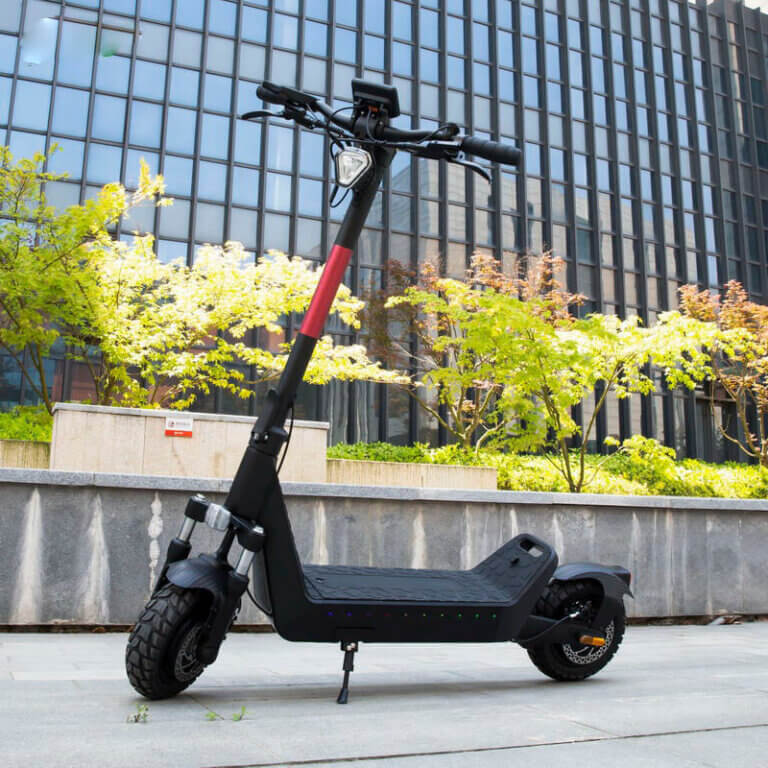
- Super S — foldable, commute-friendly; good where redeployment uses vans with limited rack space
- FS Pro — mobility spec for adults; sturdy stem and deck feel; predictable for heavy duty rentals
- S1 — foldable, supports higher load ratings; helpful where rider profile is diverse
For shared programs, check the Sharing Scooter lineup so your maintenance SOP lines up with actual fastener layouts and spare kits.

Urban M: value add without the buzzwords
Let’s be blunt: buyers care about uptime and safety, not slides. Urban M projects (mixed-use districts, malls, campuses) want clean curb ops and low complaint volume. Bring them:
- SLA-backed availability + response times tied to your automation stack
- Weekly defect heatmaps and before/after maintenance actions
- Battery safety documentation that mirrors gov guidance (storage, charging, disposal)
This is how you win city tenders and private-site contracts—less talk, more receipts.
Quick FAQ for Fleet Managers
- Do I need predictive from day one? No. Start with preventive + automation. Add predictive once logs mature.
- Which KPI do I report to the city? Availability, response time, safety incidents, and service coverage. Keep it consistent with your permit.
- How do I train techs fast? Model-specific checklists + torque maps, short video SOPs, and audit trails inside your work orders.
Summary: build once, scale calmly
A solid Shared Scooter Maintenance Plan is simple:
- Write the plan (the compliance chapter).
- Run preventive with clear intervals, add battery safety rigor.
- Automate tickets off telemetry; chase MTTR down.
- Go predictive when your data can support it.
Then pair the plan with the right hardware—like Super S, FS Pro, S1—and keep our Sharing Scooter catalog aligned with field SOPs. That’s how fleets stay rentable, safe.