


-
414 Block B, ZT Times Plaza, Wuhan, Hubei, China

Blog
Safety Compliance For Shared Scooter Deployment In Cities
Core arguments (with sources you can cite in a bid)
| Keyword | Argument (具体论点) | What cities worry about | What “good compliance” looks like | Source (publisher, year) |
|---|---|---|---|---|
| Permitting / licensing | Permits aren’t forever; cities keep the right to revoke and update terms | Chaos + no leverage when ops go bad | Clear permit terms + renewal + penalties + local 24/7 contact | NACTO Policy, 2018 |
| Speed limits | Speed caps must be automatic and hard to tamper with | Crash severity + sidewalk riding | Factory-set speed limit + anti-tamper + zone-based slow-down | ETSC/PACTS, 2023; POLIS, 2025 |
| Geofencing | Geofencing helps, but GPS precision isn’t magic | False slow-down in traffic; can’t police sidewalks by GPS alone | Field testing + buffer zones + simpler zone design | POLIS, 2025; NACTO, 2018 |
| Parking compliance | Parking rules fail if you rely only on GPS | Sidewalk blockage, ADA access issues | Parking zones/corrals + ops response time + spot checks | NACTO, 2018; POLIS, 2025 |
| Data sharing | If the city can’t see what’s happening, the program gets cut | “Trust gap” + undercounted incidents | Trip + mileage + incident reporting + privacy controls | NACTO, 2018; MITRE, 2022 |
| Real-world precedent | Cities will cancel licenses if limits + parking + data access fail | Political blowback | Compliance is ops + tech + audit trail | Reuters (Madrid), 2024 |
| Hardware durability | Fleet scooters are commercial equipment, not hobby toys | Downtime, broken brakes, water ingress | IP rating + fleet-grade batteries + traceability + OTA | EZBKE site (manufacturer + sharing category) |
Permitting and licensing for shared scooter deployment
Permit terms and revocation (city RFP reality)
Cities don’t “set it and forget it.” They reserve the right to cap operators, revoke permits, and update permit terms over time. If your rollout plan ignores that, you’ll lose the tender even with a pretty scooter.
Ops accountability (the part procurement teams love)
NACTO also calls out practical controls: removal of damaged/improperly placed vehicles, emergency procedures, and 24/7 local ops contact. That’s not fluff—cities use it as a compliance trigger.
How EZBKE fits: EZBKE positions itself as a long-running manufacturer with OEM/ODM capacity and quality system messaging (ISO 9001 is mentioned on-site), which matters when a city asks for “supplier reliability” in the permit stack.
Vehicle safety standards and fleet durability
“Commercial duty cycle” specs (not just brochure specs)
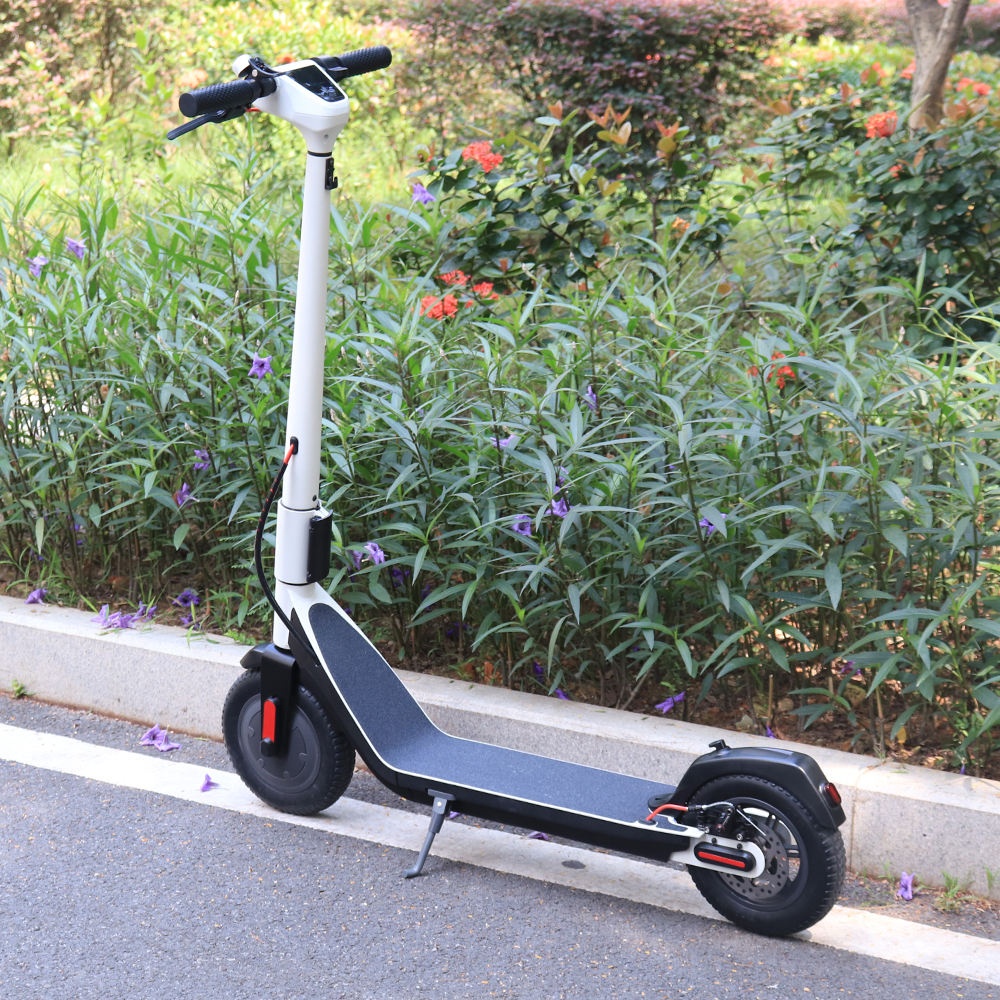
A shared fleet lives outside. So cities (and operators) care about water resistance, wiring protection, and parts that survive daily abuse. EZBKE’s Sharing Scooter category explicitly talks about fleet-grade builds (IP rating), commercial batteries, and integrated locks—that’s the right language for compliance packs.
Traceability and audit trails
In real deployments, you’ll get asked: “If there’s a brake issue, can you trace the batch and pull units fast?” That’s where manufacturer-side documentation + serial tracking becomes part of “safety compliance,” even if it’s not written in one single law. (Cities love paper, sadly.)
Speed limits and speed governors
Factory-set speed limit + anti-tampering
ETSC/PACTS recommends a factory-set 20 km/h limit and anti-tampering measures (plus brakes/lights requirements). Even if you’re not in Europe, this is a strong, easy-to-quote benchmark in a bid doc.
Zone-based speed control (slow zones)
POLIS notes most city speed rules for shared micromobility land around 20–25 km/h, with lower speeds in geofenced “low speed zones.”
Practical scene: downtown tourist area at night. You don’t want riders flying through a plaza. You also don’t want scooters randomly slowing in mixed traffic because the zone boundary is too tight. Which leads to…
Geofencing for no-ride zones and slow zones
GPS accuracy limits (why “sidewalk-only enforcement” fails)
POLIS is blunt: super-low speed limits can help in pedestrianised areas, but you can’t use geofencing to enforce sidewalks alone because the tech isn’t precise enough.
NACTO says something similar for parking enforcement: GPS accuracy often isn’t fine enough for strict enforcement, so cities still rely on reports + spot checks.
Field tests + buffer zones (ops work, not powerpoint work)
POLIS also points out operators must do field tests and set buffer zones, and that overly complex zone designs can create unsafe surprise slow-downs.
So yeah—geofencing is useful, but it’s not a “set one polygon and relax” thing.
Parking compliance and sidewalk clearance
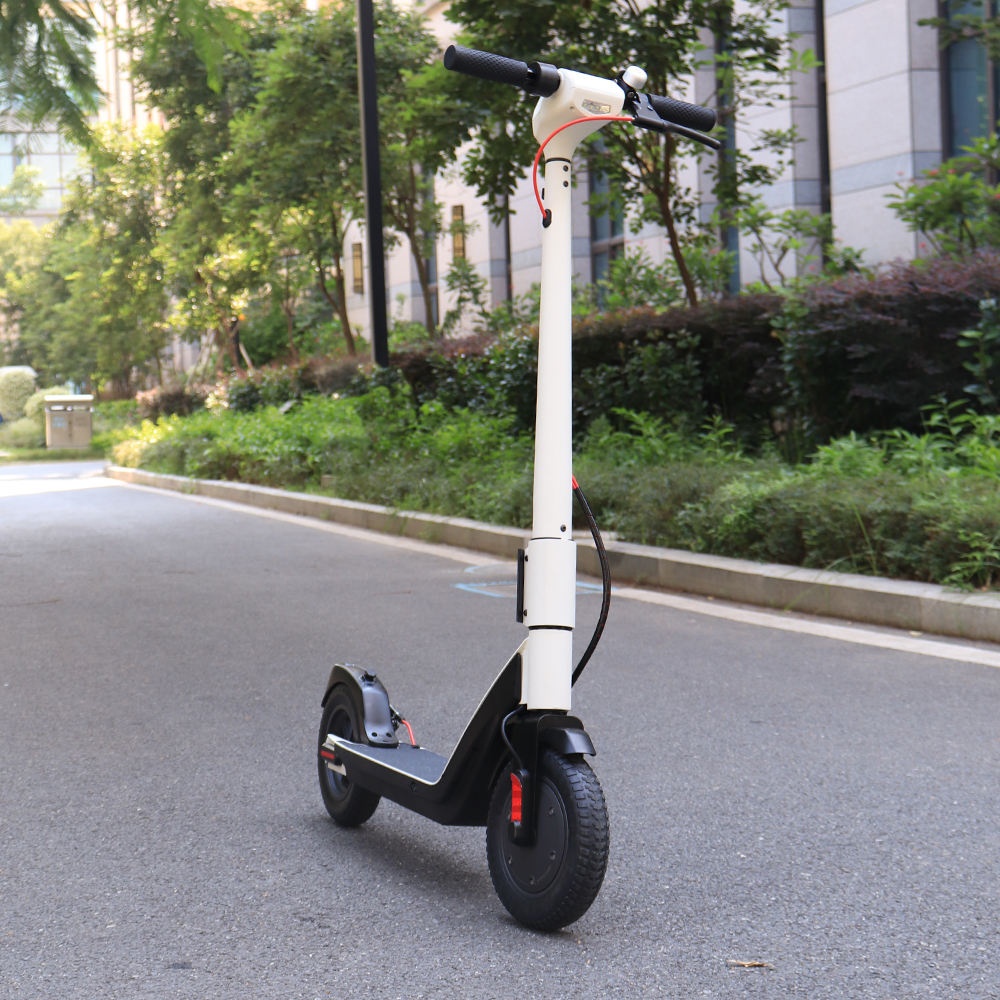
Parking zones, corrals, and “lock-to” options
NACTO frames the core issue: dockless parking needs designated places or at least rules that keep clear paths for pedestrians and people with disabilities. It also discusses approaches like lock-to and the tradeoffs.
Closed-loop operations: response time + sweeps
POLIS describes how parking clutter degrades the pedestrian network, especially for people with disabilities, and why this becomes a recurring political problem.
Fleet-ops translation: you need a hot-spot map, rebalancing routes, and a simple “remove / re-park” SLA. If you don’t run that loop, your permit starts to wobble.
Data sharing and compliance dashboards
Data provision is part of safety, not just “analytics”
NACTO says companies operating in the public right-of-way must provide accurate, complete, timely data (and it gets specific: cities may request compliance reports like parking complaints, crashes, damaged vehicles).
Why cities push hard on data (MITRE’s point)
MITRE highlights a painful truth: micromobility incidents can be undercounted because data sources are fragmented, and many city agreements don’t require data sharing, even though providers hold valuable usage/crash info.
Real talk: if the city can’t measure risk, the city will “solve” risk by banning you.
Enforcement and exit plans (yes, cities think about your shutdown)
The Madrid lesson: licenses can get cancelled
Reuters reported Madrid planned to cancel licenses after operators failed to implement circulation limits, control parking, and provide required data access. That’s the nightmare scenario—and it happens.
Build a “compliance pack” before you launch
Your rollout plan should include:
- A clear escalation ladder (warnings → penalties → fleet reduction → shutdown)
- Retrieval plan for abandoned units
- Incident response flow (customer support + city hotline + internal triage)
It’s boring. It also keeps you in the city next year.
Where EZBKE (Sharing Scooter) plugs into this, without making it weird
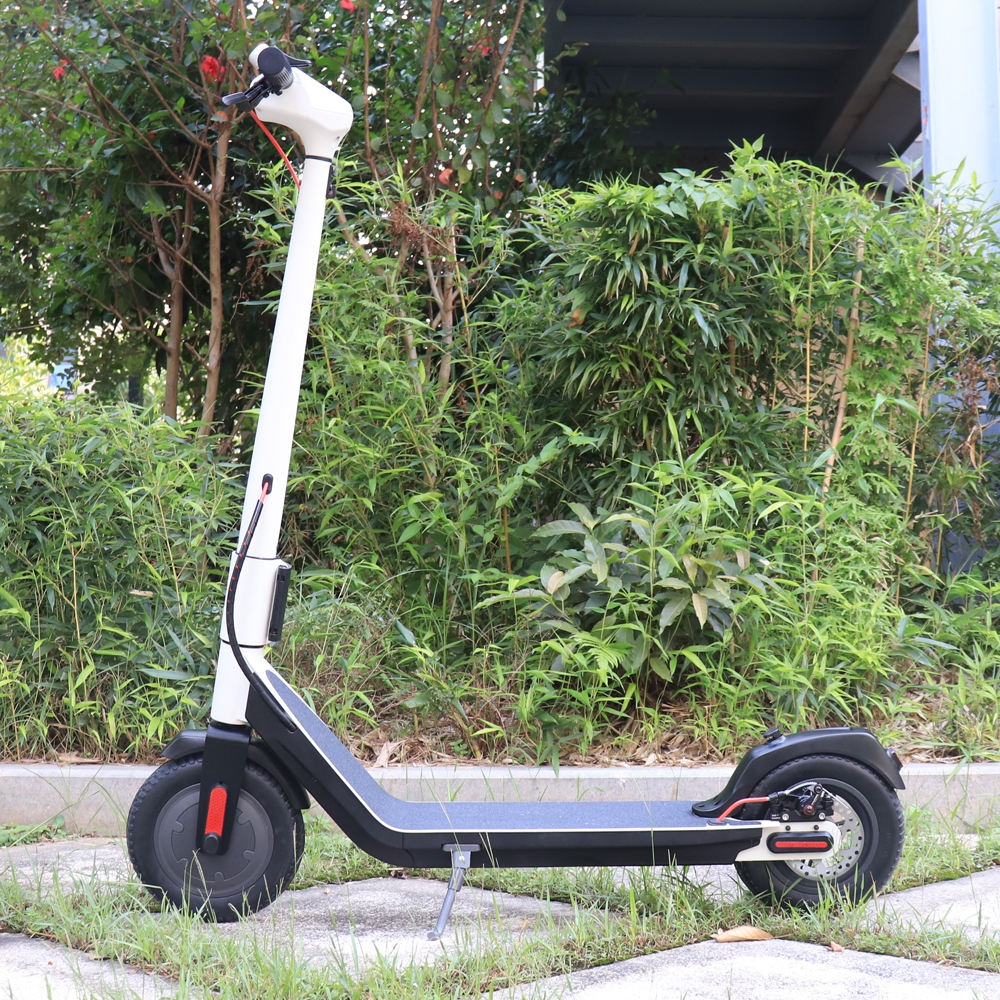
EZBKE’s positioning is straightforward: “15Y electric scooter manufacturer Plant”, with a wholesale/OEM/ODM focus and a Sharing Scooter category that calls out fleet-friendly elements like IP rating, commercial batteries, lock integration, and customization for city compliance kits.
So if you’re preparing a bid for Urban M (or any similar city program), here’s the clean way to connect product + policy:
- Need speed governance + anti-tamper story? Use the ETSC-style language and specify factory settings + enforcement plan.
- Need parking control? Don’t oversell GPS. Pair parking zones + ops sweeps + user proof flows.
- Need “city trust”? Put data sharing + privacy into the contract on day one.
And product-wise, you can slot your lineup by scenario:
- Sharing Scooter fleet: the core compliance-first category for city streets and tenders.
- Super S / FS Pro / S1: use them as “fleet options” depending on route type (commute-heavy, rugged ops, heavier rider tolerance). Keep the messaging simple and not try too hard.
Bottom line
Shared scooters don’t fail because cities hate micromobility. They fail because operators treat compliance like a checkbox, then parking and data issues hit the news cycle and the permit collapses.
If you want the program to survive, sell the city a system: permit-ready ops, realistic geofencing, parking discipline, and data they can trust. Then back it with fleet-grade hardware and OEM/ODM support from a supplier that can document what it ships.