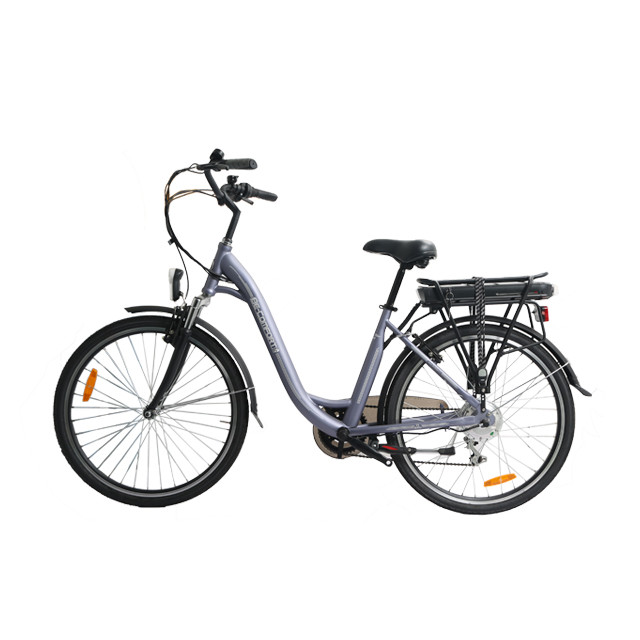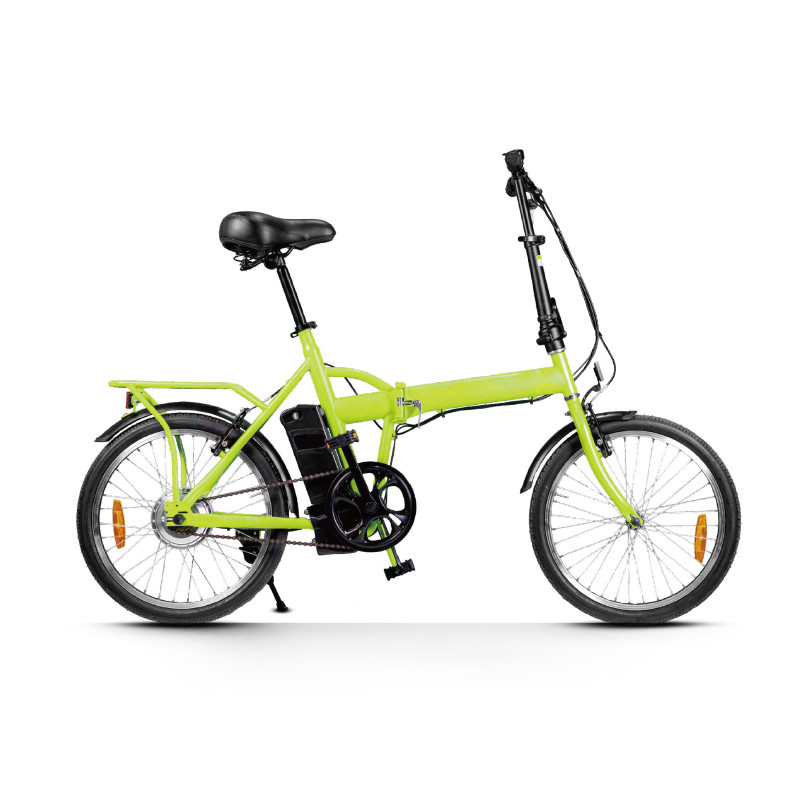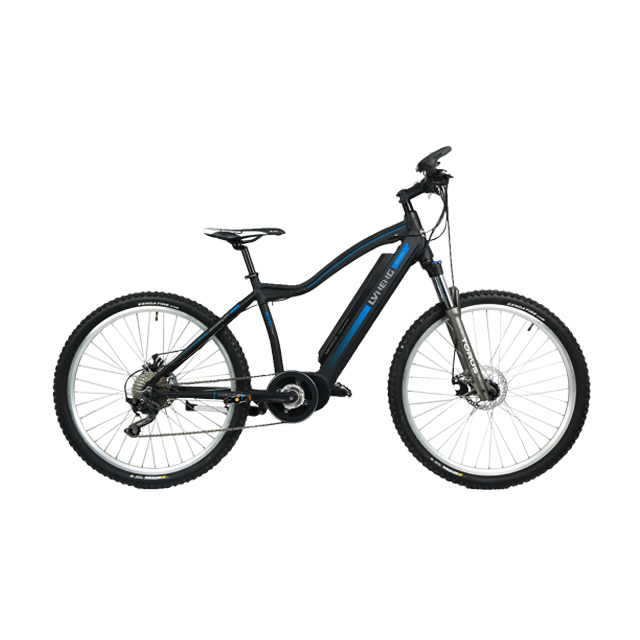



-
414 Block B, ZT Times Plaza, Wuhan, Hubei, China

Blog
Retailer’s Guide To Pricing Electric Bicycles Profitably
Below is the practical version—plus how to apply it using EZBKE’s Electric Bike lineup (bulk wholesale + OEM/ODM), including Urban M.
Key pricing arguments (with sources you can point to)
| Pricing argument | What it changes in real life | Source |
|---|---|---|
| Use price bands so customers self-select instead of haggling | Fewer “Can you do better?” moments, smoother close | REI explains common e-bike price ranges and why higher spec drives price |
| Track realized margin, not just “margin on paper” | Stops you from “winning” a sale but losing money after discounting | NBDA calls out “realized margin” and why slow items get discounted |
| Don’t blindly stick to MSRP/MAP on items that aren’t price-sensitive | Small price tests can lift profit without killing conversion | NBDA suggests experimenting beyond MSRP/MAP on some items |
| Profit often comes from mix + service, not only the bike | Accessories/service can carry the P&L when bikes feel tight | NBDA cost-of-doing-business data summary shows expense pressure and where margins live |
| In the US, specialty-channel e-bikes sell far higher than mass market | Helps you decide if you’re chasing “volume” or “value” | PeopleForBikes/Circana ASP: specialty channel vs rest-of-market |
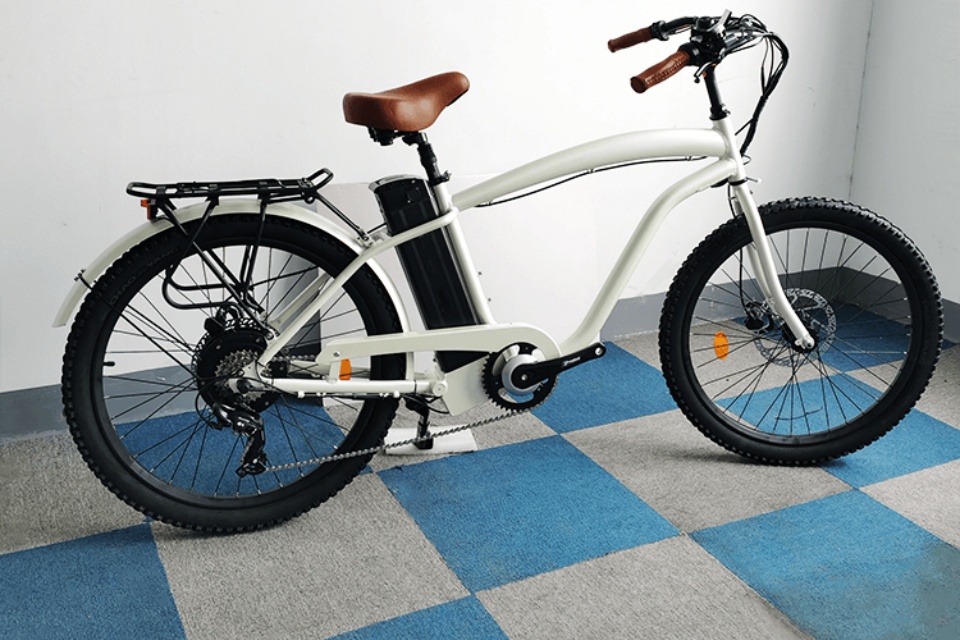
E-bike price bands
This is why bands work: customers walk in with a number in their head, even if they pretend they don’t.
| Band (typical retail talk) | What buyers expect | Evidence |
|---|---|---|
| Entry-level | “Gets me rolling” basic assist | REI says entry-level can be around $1,000 |
| Good-quality / serviceable | Reliable daily use, better components | REI: good quality/serviceable often $1,500–$2,500; average about $2,000 |
| Premium / high-end | Higher spec, brand systems, nicer finishing | REI: high-end can be $6,000+ |
Battery watt-hours (Wh) and motor watts are “price-language”
Customers may not say “watt-hours,” but they react to range and power. REI even calls out typical battery capacity ranges and motor watt ranges (up to 750W for class-limited systems).
That’s exactly why product storytelling matters: you’re not selling numbers—you’re selling less stress on hills, fewer charges, more hauling.
MSRP, MAP, and realized margin
Here’s the trap: a SKU can look fine on a spreadsheet, then die on the floor.
NBDA’s profitability guidance puts it bluntly: you should evaluate margins based on what you actually pocket after discounts and slow sell-through—aka “realized margin.”
They also warn that an underperforming item is a bad buy if it sits, then gets marked down later.
Pricing test, but do it with intent
NBDA also says retailers often “settle for MSRP or MAP” on items that aren’t price-sensitive—and recommends experimenting continuously.
Plain English: test small moves where customers aren’t hyper-comparing you to an online cart.
Product mix and the “good-better-best” ladder
You don’t need 19 near-identical models. You need a ladder customers can climb.
NBDA literally suggests a good / better / best approach, and even notes that “this is the only model we carry” can work for the right item.
How EZBKE’s Electric Bike category fits that ladder
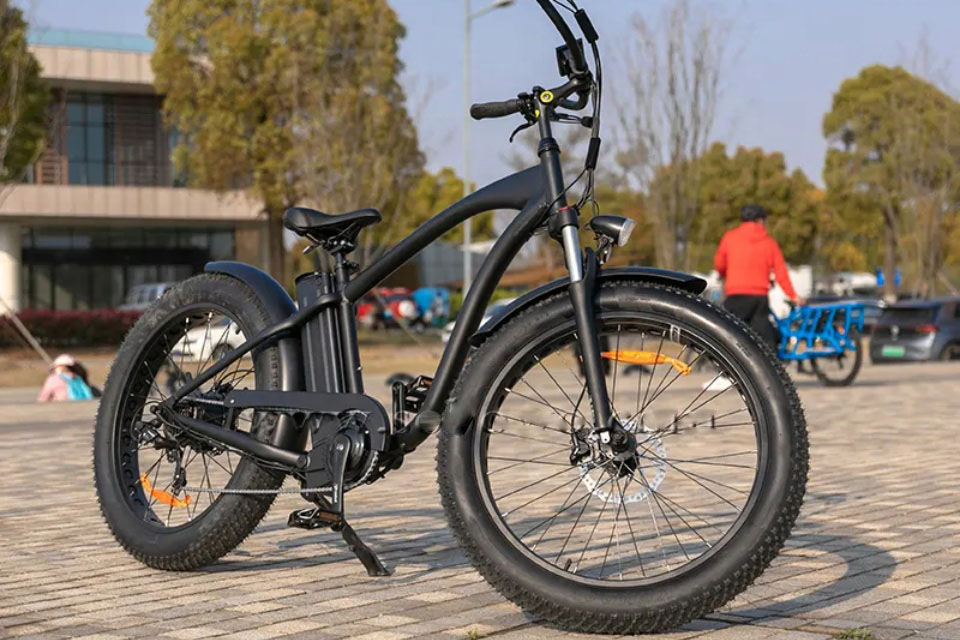
EZBKE positions its e-bike offering around OEM solutions, scalable production, and features like sodium batteries for -15°C and IoT diagnostics—that’s not generic catalog stuff.
That kind of differentiation helps you defend margin because you’re not selling “random e-bike #7.”
Cost of doing business: why add-ons matter
Even strong shops feel expense pressure.
A Bicycle Retailer summary of NBDA Cost of Doing Business data shows operating expenses in the high 30%–40% range in that period, plus payroll being the biggest expense line.
It also highlights that higher-margin areas include parts and accessories and that high-profit stores pair higher margins with tighter costs.
So the play is simple (not easy):
Price the bike to sell. Make the deal profitable with the total basket.
EZBKE Electric Bike lineup: pricing moves that feel natural
Below are examples using your actual products. Notice I’m not doing “cost math” on paper. I’m talking positioning + bundle logic, the way retailers actually sell.
| EZBKE model keyword | Best-use scenario (what buyers really do) | Margin-friendly pricing lever (no awkward discounting) | Proof from EZBKE pages |
|---|---|---|---|
| 450W peak power electric bike | City commute, campus, “first e-bike” | Bundle with commuter essentials; keep bike price stable | 20-inch patent design, 450W peak power, 48V 12.5Ah battery listed |
| C02 electric bicycle | “Urban specs” reseller play, container-friendly stocking | Sell the packaging + loading qty advantage to wholesale buyers; protect your offer | Notes compact packaging + bulk loading, plus parameter table and PAS features |
| 350W cargo bike | Last-mile delivery fleets, campus ops, local logistics | Frame it as “uptime + range” solution; attach service plan + spare parts kit | Dual battery option and up to 160 km pedal assist range listed |
| 750W 3-wheel electric cargo bike | Food delivery, park vending, property management | Charge for utility: box volume + payload story sells itself | 750W peak power, 95L box, max load 220kg listed |
| B01 long distance hyper electric bicycle | Value commuters who still want distance | Use “range per charge” story; keep it simple | B01 lists 36V 10Ah, max speed 32 km/h, range 30–60 km |
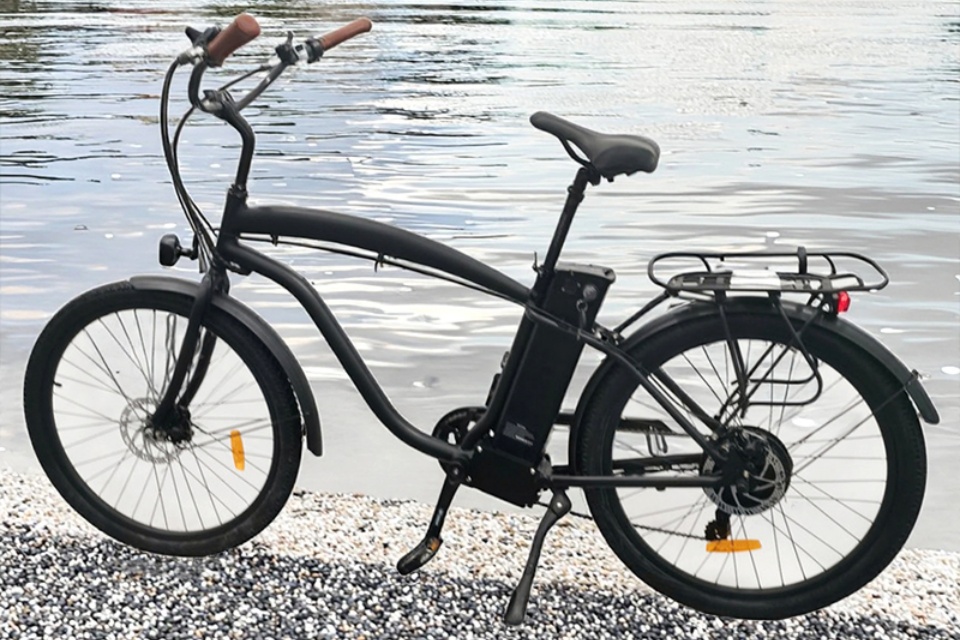
And yes—Urban M fits naturally here as a “city-first” identity. Our own pages show “Urban M” in the site header/navigation, so it’s already part of how visitors read the brand.
Three real selling scenarios (what to say, not just what to do)
Scenario 1: “I just want a simple commuter e-bike”
You don’t pitch specs first. You pitch relief.
You: “Cool—so you want something you’ll actually ride, not a garage trophy.”
Then you anchor the band: REI’s “good quality/serviceable” range gives you a clean reference point for customer expectations.
Now you steer to the 450W peak power electric bike as a practical fit, and you attach the commuter bundle.
Scenario 2: “I’m running deliveries, I need range and racks”
This isn’t a “bike” sale. It’s an operations sale.
The 350W cargo bike literally calls out logistics/delivery use, dual battery options, and long range.
So your pricing logic becomes: fewer headaches, fewer dead batteries, more completed routes. That’s why the bundle can include spares + scheduled checkups.
Scenario 3: “I’m a distributor, talk wholesale and container loading”
This buyer wants clean numbers, less drama, and easy repeat orders.
C02 is already written for that: compact packaging, global charger compatibility, and explicit container loading quantities.
That becomes your pricing defense: “You’re not just buying bikes. You’re buying a smoother supply chain.” (yeah, sounds a bit corny but it sells.)
Wrap-up: how you stay profitable without sounding pushy
If you take only one thing from all this, take this:
- Put every model into a price band + use-case (people hate guessing).
- Protect profit with realized margin thinking, not wishful margins.
- Use good/better/best, fewer SKUs, better turns.
- Make the basket do the heavy lifting—because expenses are real.
That’s the retailer reality. And honestly, it’s why EZBKE’s angle—OEM/ODM, bulk wholesale, and purpose-built models (cargo + urban + commuter)—fits how the market actually buys in 2025.