


-
414 Block B, ZT Times Plaza, Wuhan, Hubei, China

Blog
Como a EZBKE testa a durabilidade da scooter antes do envio
Se você vende patinetes elétricos em grandes quantidades, a “durabilidade” não é uma vibração. É um sistema: escolhas de design + disciplina de inspeção + papelada à prova de remessa. Se faltar uma peça, você sentirá isso rapidamente: unidades defeituosas, pilhas de RMA, operações de frota irritadas ou retenção na alfândega. A EZBKE se posiciona como um "Fábrica de scooters elétricos 15Y" com Produção com certificação ISO e foco em atacado/OEM/ODM, portanto, o argumento é simples:
A durabilidade antes da remessa consiste principalmente em detectar falhas chatas e repetitivas - antes que o cliente as detecte para você.
Durabilidade do Kick Scooter elétrico: o que realmente falha primeiro
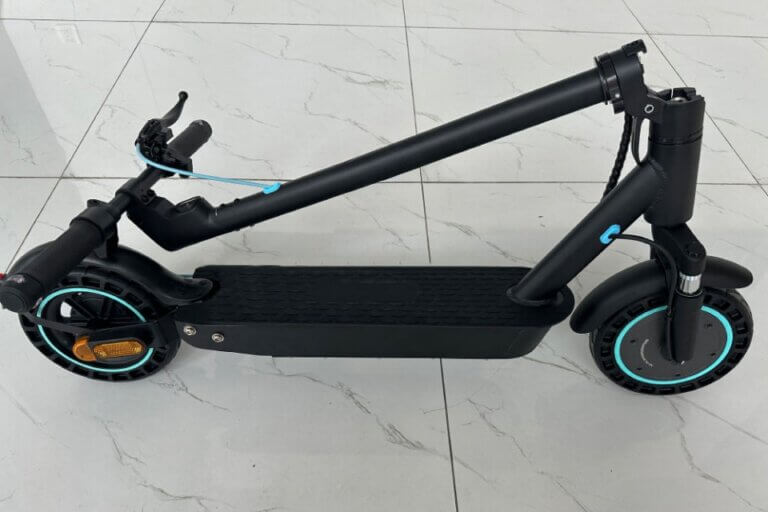
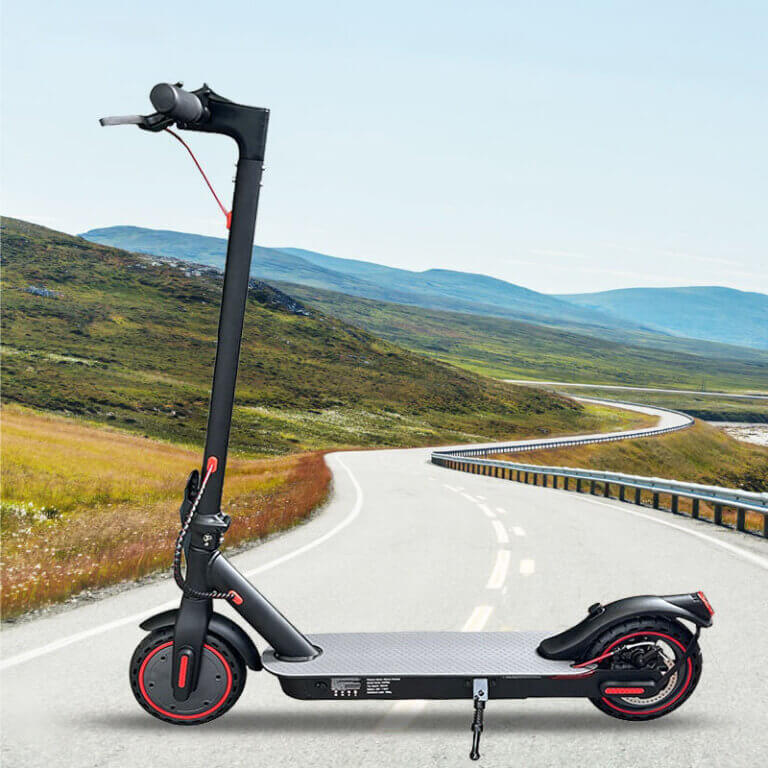
Esta é a parte que as pessoas não gostam de ouvir: no uso diário, as dobradiças e as hastes geralmente sofrem antes dos motores. Os ciclistas batem na trava de dobragem, saltam em meio-fios e puxam a barra quando a roda dianteira bate em um buraco. É por isso que a EZBKE chama a atenção para o hardware de dobragem e o conjunto dianteiro como a primeira conversa sobre durabilidade para quadros de transporte de passageiros/frota (eles mencionam o posicionamento no estilo H1 e M365, além do pensamento de serviço mais pesado para GS1/GS1-Pro).
Portanto, se estiver pesquisando para revenda, não comece com “velocidade máxima”. Comece com:
- Folga da haste e integridade da trava (a microfrouxidão se torna um inferno de garantia)
- Consistência do torque do fixador (um parafuso solto = uma avaliação ruim)
- Comportamento do freio sob carga real (e não “ele para na fábrica”)
- Alinhamento do convés + front-end (tolerâncias baratas aparecem como oscilação)
As páginas de produtos da EZBKE utilizam a linguagem “built to last” de maneira muito prática:
H1 fala sobre um estrutura de alumínio, pneus sólidos para manutenção zero, e “confiabilidade em escala”.”
Destaques do M365 liga de grau aeronáutico, opção de carga rápida, e “conformidade global”.”
E o modelo de motor duplo de 4000 W de alta potência posiciona explicitamente “segurança e durabilidade” com freios a disco hidráulicos e “suspensão de classe de motocicleta” - essa é uma história de durabilidade, não apenas de velocidade.
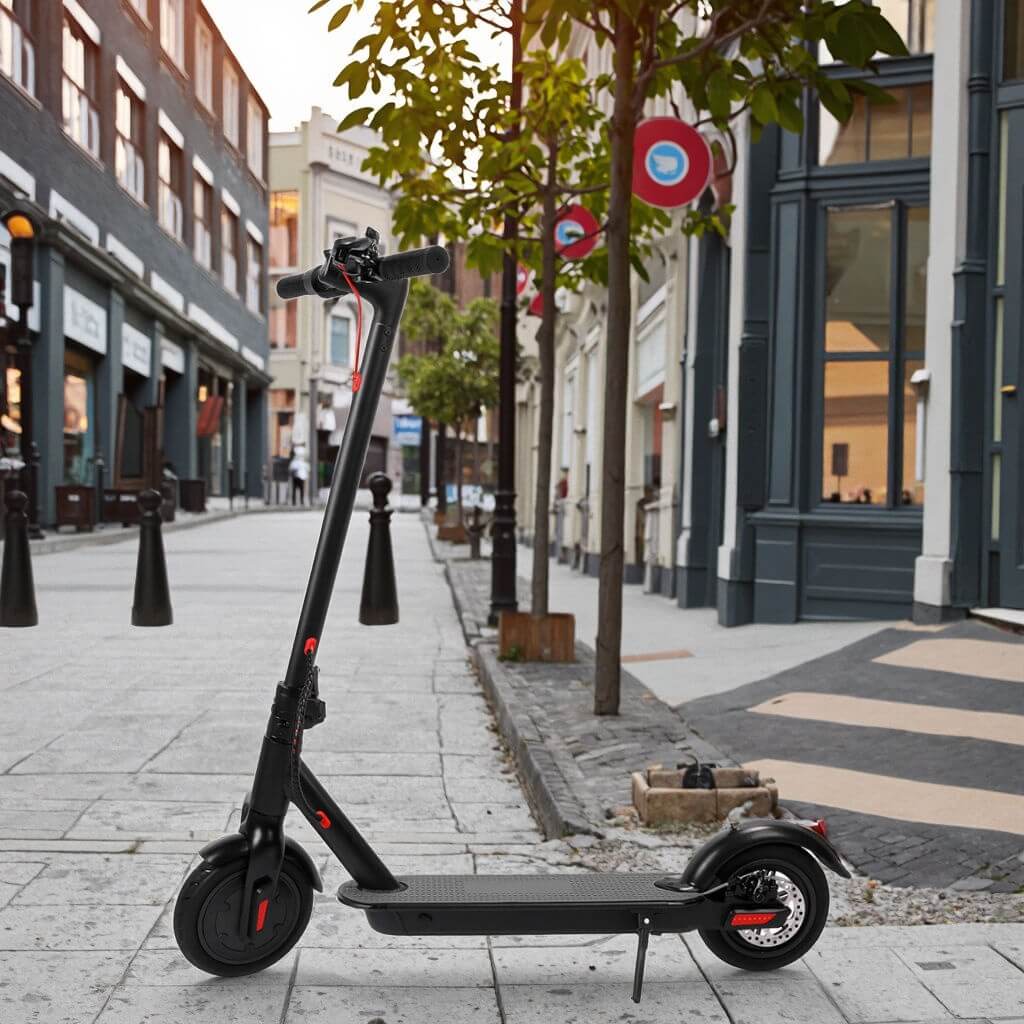
Inspeção pré-embarque
Você pode construir uma scooter decente e ainda assim enviar uma unidade ruim. É por isso que a EZBKE enquadra o trabalho de pré-embarque como um sistema, Não é um discurso de incentivo.
Quando os compradores dizem “testar a durabilidade antes do envio”, o que eles geralmente fazem é realmente significa que sim:
“Prove que você pode enviar a mesma qualidade duas vezes.” Isso é repetibilidade.
Plano de amostragem AQL e lista de verificação para inspeção pré-embarque
A EZBKE explica os princípios básicos que os compradores de atacado esperam: Amostragem AQL, definições claras de defeito (crítico/maior/menor) e etapas consistentes de pré-embarque. Eles também mencionam verificações práticas como especificações de torque/marcação de fixadores, verificações funcionais (corte de freio, resposta do acelerador, iluminação) e consistência da embalagem (danos em trânsito matam as revisões).
Na gíria da fábrica, essa é a sua disciplina de OQC + PDI. E ela atinge diretamente a dor do comprador:
- Menos DOA na chegada
- Menos problemas “aleatórios” entre paletes
- Circuito de pós-venda mais limpo (plano de peças de reposição, classificação mais rápida, menos drama)
Se estiver comprando para frotas (aluguel, entrega, campus), isso é ainda mais importante. Um único lote com controle de torque desleixado pode se transformar em um mês inteiro de falhas de rolamento. Não é divertido.
UL 2272 / UL 2271 para a América do Norte (caminho NRTL que os compradores realmente usam)
Muitos dos “problemas de durabilidade” são, na verdade problemas de segurança/conformidade que aparecem como devoluções, remoções ou aquisições bloqueadas. A postagem de conformidade da EZBKE é bem direta: Os compradores da América do Norte geralmente pedem UL 2272 (sistema) e UL 2271 (conjunto de baterias), e eles vão querer verificar o escopo + detalhes do arquivo/controle.
A EZBKE também aponta o tipo de linguagem técnica que os compradores sérios esperam (proteções BMS como OVP/UVP/OCP/OTP, rótulos rastreáveis e um “manual” de conformidade repetível em modelos como H0/H1/GS1/M365/X3 e Urbano M G1).
Portanto, se estiver vendendo para os canais dos EUA/Canadá, isso não é algo opcional “bom de se ter”. Ele faz parte de seu pacote de integração.
Segurança e logística de baterias: IEC 62133-2 + Resumo do teste UN 38.3 (não envie sem eles)
É aqui que os acordos morrem silenciosamente.
O artigo OEM da EZBKE diz que a conformidade da bateria decide se você pode enviar, e chama a atenção para UN 38.3 Resumo do teste como o documento que os OEMs sérios devem fornecer para a configuração exata do conjunto de baterias. Eles até descrevem o risco do mundo real: você não está “esperando pela papelada”, está esperando por problemas.
O posto de conformidade também combina IEC 62133-2 com UN 38.3 Resumo do teste e enfatiza a correspondência entre os documentos e a lista técnica exata da bateria (células/BMS/envoltório) e os valores do pacote enviado - porque as incompatibilidades fazem com que a carga seja estacionada.
Isso é mais importante para SKUs de longo alcance ou de maior produção, como o Motor duplo de 4000 W ou modelos de desempenho como o Urbanismo G1-porque os parceiros de remessa e os compradores examinam as embalagens com mais atenção.
Referências de modelos que você possa indicar (as palavras-chave são importantes para a pesquisa)
A EZBKE literalmente lista o mapa do modelo que os compradores podem usar ao combinar as especificações com o cenário.
Veja como eu traduziria isso para a linguagem do comprador (não para a linguagem do marketing):
- Scooter elétrica dobrável H1 para adultos para deslocamento → frotas de deslocamento para escritório/metrô, mobilidade corporativa, circuitos diários de “pegar e levar”.
- M365, scooter elétrico leve e rápido para adultos, 20 mph → segmento clássico de transporte de varejo; várias opções de bateria, avisos CE/FCC/ROHS.
- Scooter elétrica GS1/GS1-Pro para adultos pesados com 180 kg → posicionamento mais pesado do ciclista + ângulo urbano/aluguel; você se preocupará mais com a consistência do quadro, freios e controle de fixação.
- X3 scooter elétrico dobrável de longo alcance para adultos → rotas de campus, loops de hotel, trajetos mais longos; recursos “inteligentes” + portabilidade.
- Urbanm G1 scooter elétrico dobrável 40 mph → nível de desempenho para passageiros/frotas que precisam de mais espaço; o EZBKE o posiciona para passageiros, frotas de entrega ou serviços de aluguel.
- Kick Scooter elétrico com motor duplo de 4000 W e alcance de 100 km → ciclos de trabalho de alta demanda e alto estresse; os documentos de suspensão/freios/bateria são muito importantes.
Tabela - Argumentos, o que significa e evidências de Ezbke
Abaixo está uma tabela prática “voltada para o comprador” que você pode colar em um deck de sourcing ou enviar para a aquisição. Estou usando a própria estrutura da EZBKE (argumento → significado → evidência) e acrescentando uma coluna “como você verifica” para o trabalho real de operações.
| Argumento (palavra-chave) | O que isso significa no mundo real | Como você verifica (operações do comprador) | Fonte em EZBKE |
|---|---|---|---|
| Durabilidade do Kick Scooter elétrico: o que realmente falha primeiro | Os problemas de dobradiça/haste/frente aparecem cedo; evite a oscilação e o desgaste da trava | Solicite a documentação de durabilidade do mecanismo de dobra + verificação da folga da haste no PDI | “Por que as scooters dobráveis Ezbke são construídas para durar mais que os concorrentes” |
| Inspeção pré-embarque | O resultado consistente é melhor do que “uma boa amostra” | Exigir plano AQL, definições de defeitos, marcação de torque, verificações funcionais, verificações de embalagem | “O que faz com que valha a pena ser parceiro de um fabricante de scooter?” |
| UL 2272 / UL 2271 para a América do Norte (caminho NRTL que os compradores realmente usam) | Menos bloqueios de canal; seguro/procuração mais fácil | Solicite informações de arquivo/controle UL + correspondência de escopo com o modelo exato | “Scooters no atacado em conformidade com a UL/CE” |
| Segurança e logística de baterias: IEC 62133-2 + Resumo do teste UN 38.3 | Sua carga é realmente transportada; menos riscos relacionados à bateria | Corresponder o resumo de testes UN 38.3 e o relatório IEC à lista técnica exata da embalagem | “Atacado de scooters em conformidade com UL/CE” + “O que torna uma scooter OEM...” |
| Kick Scooter elétrico hub de categoria (OEM/ODM, atacado, direto da fábrica) | Você pode usar uma marca própria sem reinventar a roda | Confirme as opções de OEM/ODM + declarações de classificação IP + posicionamento de conformidade da bateria | Categoria Kick Scooter elétrico |
| Fabricante da scooter elétrica dobrável Urbanm G1 de 40 mph | SKU de desempenho que ainda precisa de disciplina de conformidade | Trate-o como uma “âncora premium”: mesmo pacote de documentos, controle de qualidade mais rigoroso | Página do Urbanm G1 + postagem de conformidade |
Uma última coisa (essa é a parte que os compradores respeitam)
A página de categoria da EZBKE literalmente vende a promessa: Durabilidade com classificação IP54, Baterias com certificação UL, atacado de fábrica e opções de OEM/ODM. Kick Scooter elétrico
Mas seu trabalho como comprador é transformar promessas em recibos: Folhas de AQL, resumos de testes e pontos de controle de inspeção.