


-
414 Blok B, ZT Times Plaza, Wuhan, Hubei, China

Blog
De top 5 van bezwaren tegen opvouwbare kopers overwinnen
The related material around foldables, plus EZBKE’s own Opvouwbare elektrische scooter line, K1, K2, and Urban M pages, all land on the same five blockers: portability, durability, battery confidence, compliance, and margin risk. For dealers, fleets, and OEM buyers, these are not soft concerns. They hit sell-through, return rate, uptime, and channel trust. EZBKE frames its foldable line around OEM/ODM, wholesale support, UL2272 positioning, IP54 protection, and high-cycle hinges, which is the right way to answer those objections without sounding salesy.
Opvouwbare elektrische scooter
Micromobility keeps moving from “nice idea” to normal city transport. McKinsey defines micromobility as lightweight vehicles used for short-distance urban travel, while NACTO says shared micromobility hit a new record in 2023 and often replaces short car trips while extending transit reach. That matters, because foldable scooters are no longer just a gadget pitch. They sit in real last-mile, campus, rental, and commuter use cases now.
Waarde-tot-eigenschappen tabel (opvouwbare elektrische scooter, K1 vs K2)
| Buyer objection | Wat de koper echt bedoelt | Strong reply angle | Product / ops proof | Bron |
|---|---|---|---|---|
| Too bulky for real life | “I don’t want a unit that becomes dead weight on stairs, in offices, or in vans.” | Sell portability as daily utility, not as a gimmick. | K1 uses an aluminum alloy folding frame; K2 is positioned for compact urban commuting and lists 18 kg net weight. | EZBKE productpagina's |
| Not durable enough | “The hinge, latch, tires, and frame will become a warranty problem.” | Talk about hinge design, cycle life, tires, and anti-wobble details. | EZBKE’s category page cites aircraft-grade hinges with 20k+ cycles and IP54; its foldable blog pushes a secondary safety latch and no-wobble positioning. | EZBKE category and technical content |
| Battery and range will create support tickets | “I don’t want range anxiety, slow charging, and unhappy riders.” | Use real commute range and downtime logic, not just headline specs. | K1 lists 35–40 km and 3–4 h charging; K2 offers 25/35/50 km options and 4.5–8 h charging. | EZBKE productpagina's |
| Compliance will be a mess | “Will this pass retailer, city, campus, or importer checks?” | Lead with safety standard language and region-fit spec packs. | UL says UL 2272 covers pathway e-scooters and simplifies certification; CPSC has called on the trade to comply with established UL standards; K1 also offers region-friendly motor and speed options. | UL guidance and EZBKE K1 page |
| Margin will get eaten by service and logistics | “I can maybe sell it, but can I support it without chaos?” | Answer with spare kits, ticket SLAs, pallet logic, and container density. | EZBKE’s spare-parts content pushes SKU-aligned kits, pilot runs, and ticket SLAs; K2 lists container loading; K1 page highlights low storage cost and upsell room. | EZBKE support and product content |
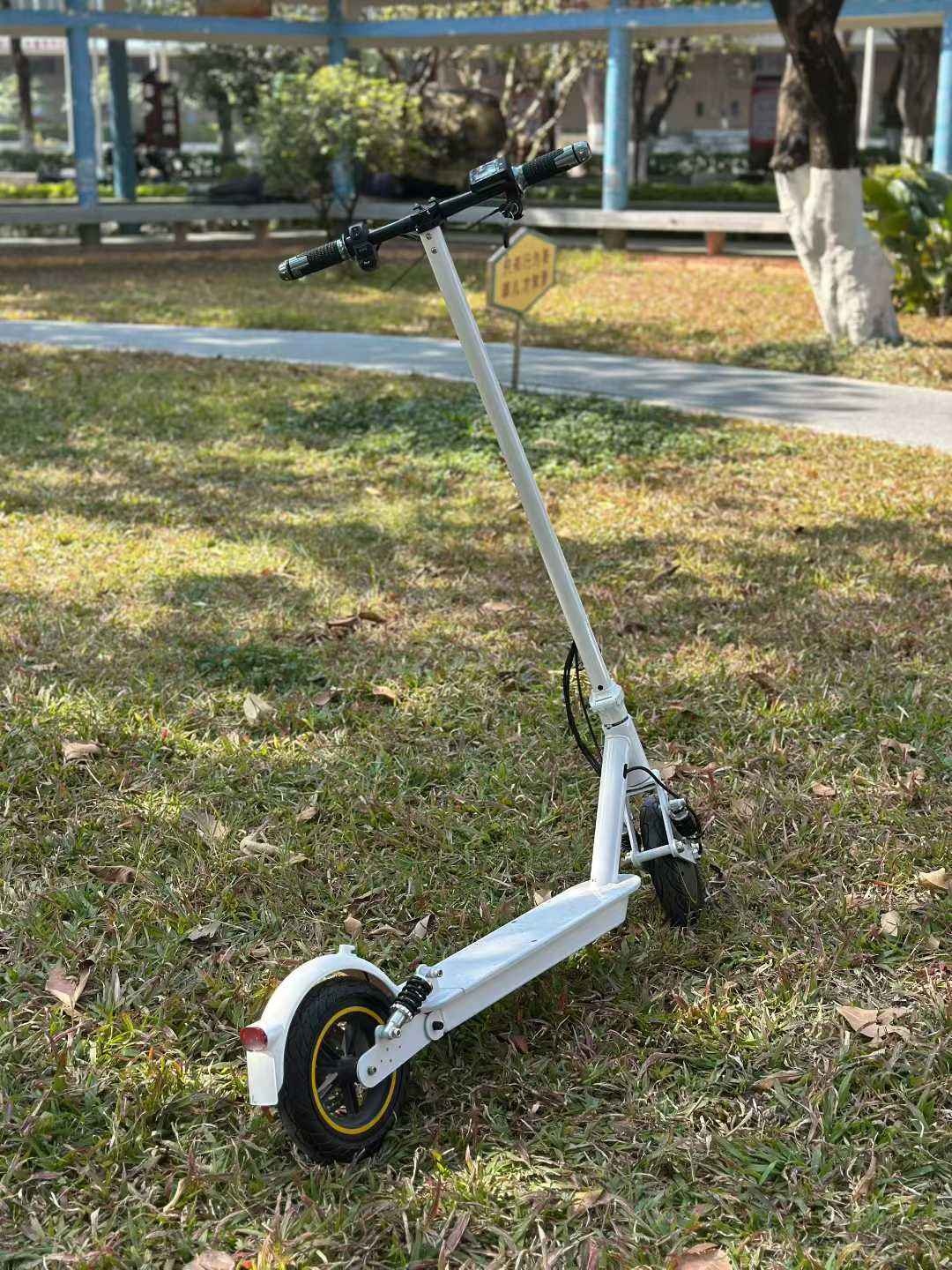
Compact ontwerp, maximaal gemak
This is where the first “no” usually happens. A buyer says, “I like foldable, but I’m not carrying a brick.” That sounds emotional, but it’s actually a use-case filter. If the scooter can’t move from apartment to elevator, from metro exit to office, or from rental counter to van without drama, the fold feature means nothing. EZBKE already speaks this language well: the K1 leans on an aluminum alloy frame that folds easily for tight apartments and shipping, while the K2 is pitched for urban commuting and last-mile work with a compact, space-saving design. That’s the right framing for Urban M too: daily carry, quick stow, no fuss.
Lichtgewicht opvouwbare elektrische scooter voor forenzen
A foldable scooter should reduce friction, not add more steps. EZBKE’s own content says folding UX is a first yes-or-no moment on the product page, and it’s right. In plain English: if folding takes too long, or the carry balance feels weird, conversion drops. For B2B buyers, this also touches carton cube, warehouse slotting, and store display efficiency. Small body, better floor story, better sell-through. Simple, but very real.
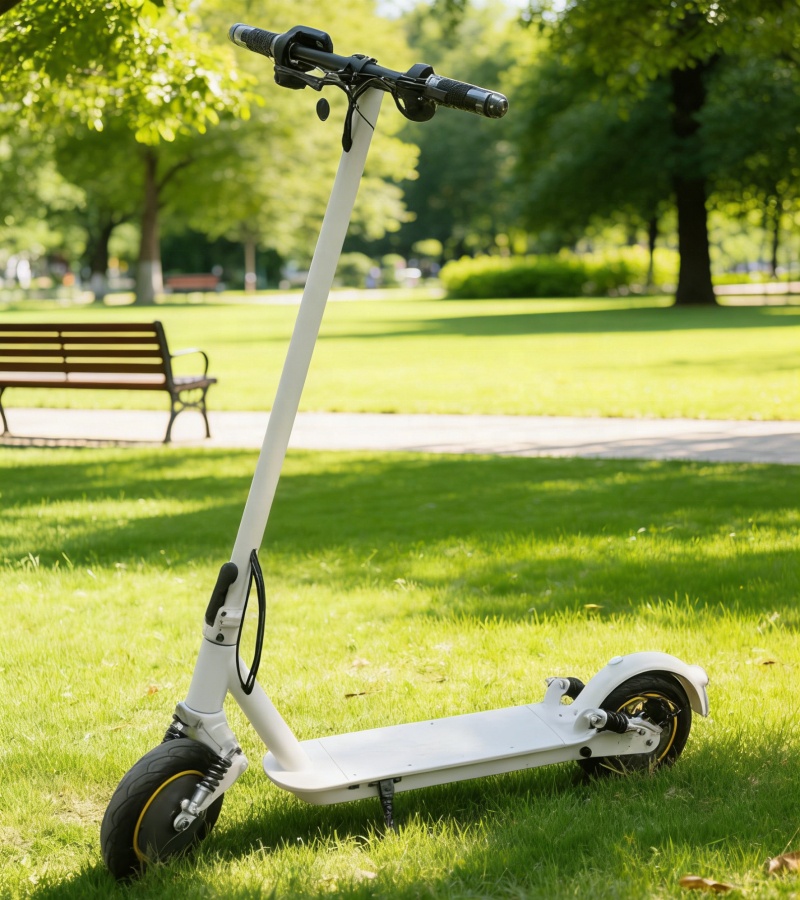
Robuust gebouwd voor dagelijks gebruik
The second objection is durability, and honestly, buyers are not overthinking it. Folding hardware is a wear system. EZBKE’s own technical blog says the hard truth out loud: hinges loosen, vibration stacks up, and a folding mechanism is not just a “feature.” On the category side, the company positions its Opvouwbare elektrische scooter range with aircraft-grade hinges, 20k+ cycle language, and IP54 water resistance. On the K1 page, it also backs that story with 12.5-inch rubber air tires and a durable aluminum frame. That is much better than vague “premium quality” talk.
Één-staps vouwmechanisme & secundaire veiligheidsgrendel
This part is huge, and alot of sellers skip it. A secondary latch is not just a comfort add-on. It is part of the risk-control story. EZBKE’s foldable-features blog explicitly says a single-action fold plus a secondary latch helps prevent wobble and accidental opening while hauling, and its hinge-wear article says that kind of design direction reduces bad outcomes. When a buyer worries about squeaks, play, or returns from loose hinges, that is your answer. Not hype. Not fluff. Design detail.
Ga verder, laad sneller op
Battery talk gets messy fast because many pages chase the biggest number on the sheet. Real buyers don’t care about that first. They care whether the scooter can survive the route and get back out again without becoming a support ticket. K1 is built for the easy commuter story: 35 to 40 km per charge, 3 to 4 hours charging, lunch-break top-up language. K2 gives buyers three range tiers and three battery sizes, which is even better for channel segmentation. One SKU can serve a student commuter, another can fit a light-duty courier or rental partner. That’s cleaner range mapping, and cleaner range mapping usually means fewer complaints later.
Praktisch bereik & snel opladen (Real Life > specificatieblad)
This is where the article should stay human. A rider is not thinking, “I hope the electrochemical platform is optimized.” They’re thinking, “Will this get me to work and back, and can I charge it fast enough?” EZBKE’s product stack gives a straight answer there. K1 is the everyday carry option. K2 is the more scalable battery-tier option. If you’re speaking to distributors, say it in ops terms: less downtime, better fleet availability, fewer angry calls.
Vermogen dat zich aanpast aan uw markt
A lot of purchase friction is really compliance fear wearing a different shirt. Buyers ask about speed, wattage, or certification because they don’t want a local rule problem later. UL says UL 2272 covers pathway e-scooters and helps simplify certification, and UL also notes that the CPSC called on manufacturers, retailers, importers, and distributors to comply with established UL safety standards. EZBKE’s foldable category already uses that compliance-first language, and K1 adds region-friendly spec logic with 250W / 350W and different speed settings for EU and US market fit. That’s very useful for OEM/ODM deals, because it lets the same base platform be tuned for different channels instead of creating random SKU drift.
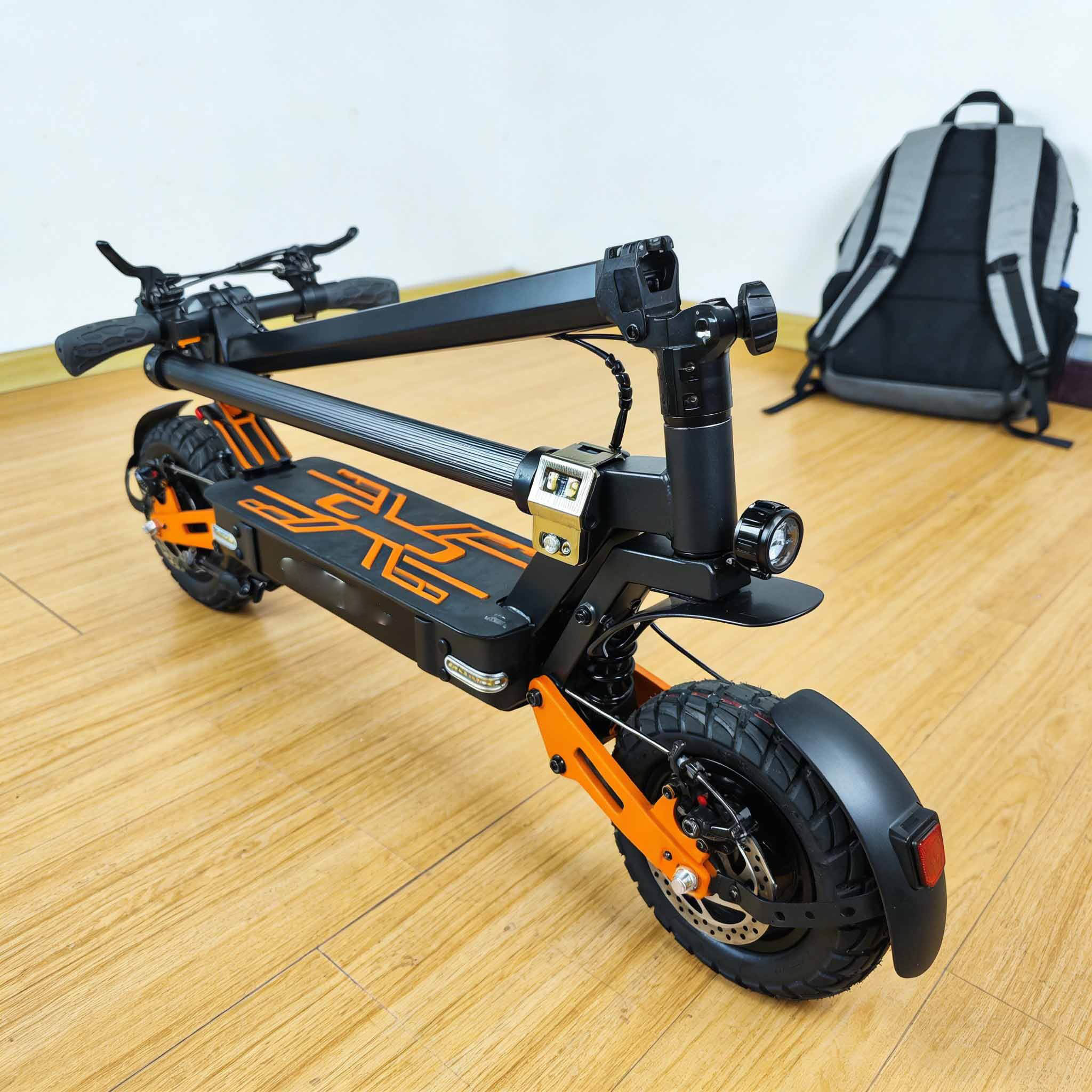
After-sales ready—spare kits and ticket SLAs baked in.
Now we get to the objection buyers often hide behind “price.” Many are not really saying the unit costs too much. They are saying the back end looks scary. EZBKE’s spare-parts content handles this well. It talks about launch kits, spare pools, how-to videos, ticket SLAs, pilot runs, hinge kits, and SKU-aligned service logic for K1 and K2. That is procurement-shaped writing, and that’s good. Serious buyers want to know what happens in week two, not just day one.
Waarom groothandelspartners dol zijn op de K1
This is where margin starts to make sense without forcing a hard-sell. EZBKE says the K1 helps with low storage cost, upsell potential, and regional compliance. K2 adds container-loading visibility, which is gold for buyers thinking about landed cost and launch volume. The packaging article goes even deeper: tight cartons, hinge protection, UN3481-ready battery shipping, barcode-ready boxes, and pallet patterns that don’t waste space. In B2B terms, that means better cube efficiency, lower ops drag, and a cleaner P&L story. It ain’t flashy, but it sells. And branding-wise, Urban M can sit on top as the city-facing story while EZBKE stays the factory and OEM backbone underneath.
Snelle afsluitende gedachte
The best answer to foldable buyer objections is not “trust us.” It is proof. Show the fold logic. Show the hinge logic. Show the range tiers. Show the compliance path. Show the spare-kit and RMA plan. That’s why EZBKE’s Opvouwbare elektrische scooter line, especially K1 and K2, gives you a stronger story than generic catalog copy. Buyers don’t want magic. They want fewer headaches, steadier sell-through, and a scooter line that still makes sense after the first batch ships. That’s the real close.