


-
414 Blok B, ZT Times Plaza, Wuhan, Hubei, China

Blog
Hoe EZBKE de duurzaamheid van scooters test voor verzending
Als je elektrische kicksteps in bulk verkoopt, is “duurzaamheid” geen gevoel. Het is een systeem: ontwerpkeuzes + inspectiediscipline + verzendbestendig papierwerk. Als je één onderdeel mist, voel je dat snel: defecte eenheden, RMA-stapels, boze fleet ops of oponthoud bij de douane. EZBKE positioneert zichzelf als een "15Y elektrische scooter fabrikant Plant" met ISO-gecertificeerde productie en groothandel/OEM/ODM-focus, dus het argument is eenvoudig:
Bij duurzaamheid vóór verzending gaat het vooral om het opsporen van saaie, herhaalbare fouten - voordat je klant ze voor je opspoort.
Duurzaamheid van elektrische kickscooters: wat gaat er eigenlijk als eerste stuk?
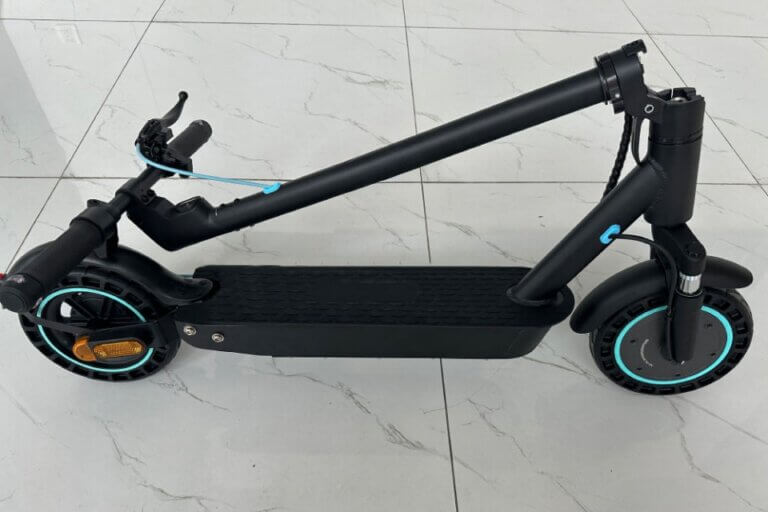
Dit is het deel dat mensen niet graag horen: bij dagelijks gebruik, scharnieren en stelen hebben vaak eerder te lijden dan motoren. Rijders slaan de vouwvergrendeling dicht, stoten tegen stoepranden en trekken aan de stang wanneer het voorwiel een kuil raakt. Daarom noemt EZBKE de vouwhardware en de voormontage als de eerste duurzaamheidskwesties voor woon-werk/fietsframes (ze noemen H1 en M365 stijl positionering, plus zwaarder denken voor GS1/GS1-Pro).
Dus als je zoekt voor doorverkoop, begin dan niet met “topsnelheid”. Begin met:
- Speling en integriteit van de vergrendeling (microloosheid wordt een garantiehel)
- Koppel van bevestigingsmiddelen (één losse bout = één slechte recensie)
- Gedrag van de rem onder echte belasting (niet “het stopt in de fabriek”)
- Dek + uitlijning voorkant (goedkope toleranties zijn zichtbaar als wiebelen)
De productpagina's van EZBKE gebruiken de taal “built to last” op zeer praktische manieren:
H1 heeft het over een aluminiumframe, massieve banden voor geen onderhoud, en “betrouwbaarheid op schaal”.”
M365 hoogtepunten legering van vliegtuigkwaliteit, snellaadoptie, en “wereldwijde naleving”.”
En het krachtige 4000W-model met dubbele motor positioneert “veiligheid en duurzaamheid” expliciet met hydraulische schijfremmen en “vering van motorklasse” - dat is een verhaal over duurzaamheid, niet alleen over snelheid.
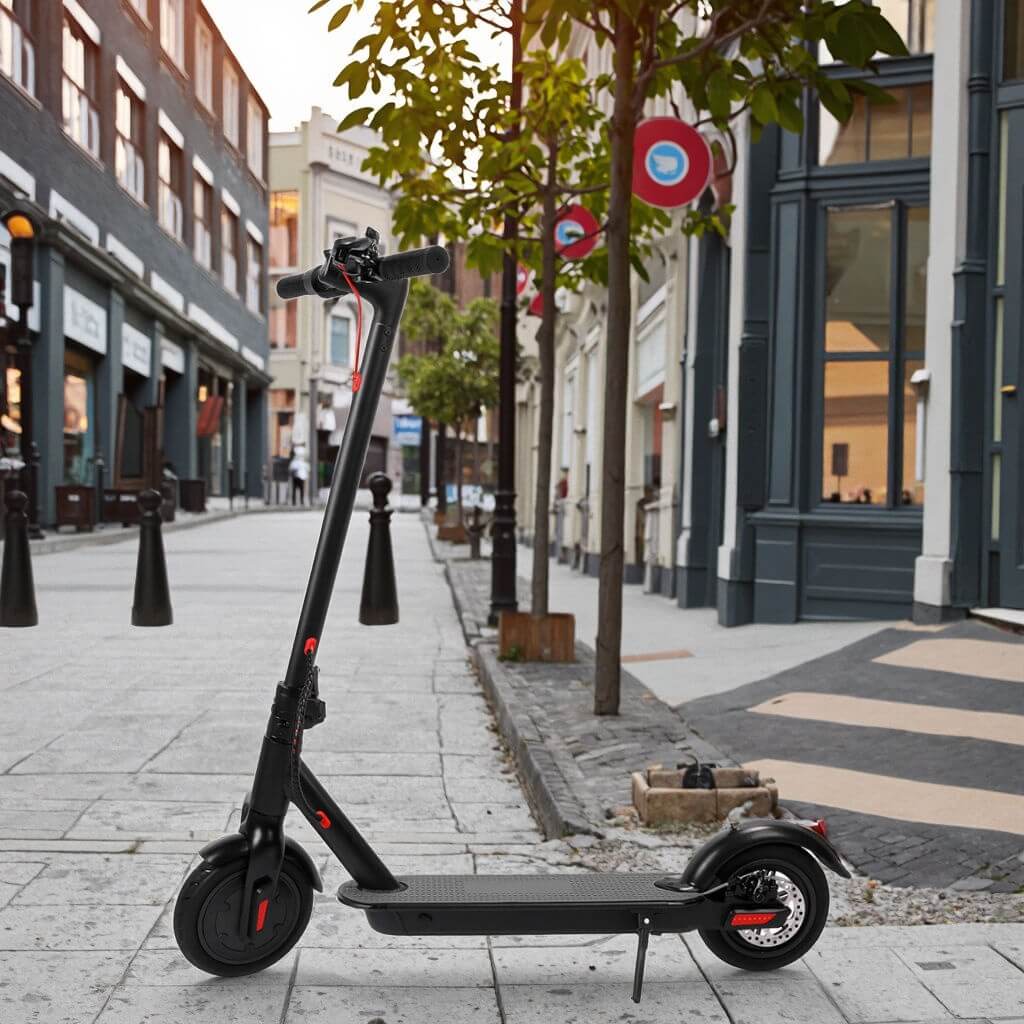
Inspectie vóór verzending
Je kunt een goede scooter bouwen en toch een slechte eenheid verzenden. Daarom werkt EZBKE met frames vóór verzending als een systeem, geen peptalk.
Als kopers zeggen “test duurzaamheid voor verzending”, dan zeggen ze vaak echt betekent:
“Bewijs dat je twee keer dezelfde kwaliteit kunt leveren.” Dat is herhaalbaarheid.
AQL-steekproefplan en checklist voor inspectie vóór verzending
EZBKE beschrijft de basisprincipes die groothandelaren verwachten: AQL-steekproef, Duidelijke definities van defecten (kritisch/groot/minor) en consistente stappen voorafgaand aan verzending. Ze noemen ook praktische controles zoals aanhaalmomenten/markering bevestigingsmiddelen, functionele controles (remuitschakeling, gasrespons, verlichting) en verpakkingsconsistentie (transportschade doodt beoordelingen).
In fabriekstaal is dat je OQC + PDI-discipline. En het raakt direct de pijn van de koper:
- Minder DOA bij aankomst
- Minder “willekeurige” problemen op pallets
- Schoner aftersalescircuit (onderdelenplan, snellere sortering, minder drama)
Als je koopt voor wagenparken (verhuur, levering, campus), is dit nog belangrijker. Een enkele partij met een slordige koppelregeling kan uitmonden in een hele maand aan rollende storingen. Niet leuk.
UL 2272 / UL 2271 voor Noord-Amerika (NRTL-pad dat kopers daadwerkelijk gebruiken)
Veel “duurzaamheidsproblemen” zijn eigenlijk problemen met veiligheid/conformiteit die worden weergegeven als retourzendingen, takedowns of geblokkeerde inkoop. EZBKE's compliance post zegt het ronduit: Noord-Amerikaanse inkopers vragen vaak om UL 2272 (systeem) en UL 2271 (batterij), en ze zullen scope + bestands-/controlegegevens willen verifiëren.
EZBKE wijst ook op het soort technische taal dat serieuze kopers verwachten (GBS-beschermingen zoals OVP/UVP/OCP/OTP, traceerbare labels en een herhaalbaar compliance “draaiboek” voor modellen zoals H0/H1/GS1/M365/X3 en H0/H1/GS1/M365/X3). Stedelijk M G1).
Dus als je verkoopt aan kanalen in de VS en Canada, is dit geen optionele “nice-to-have”. Het maakt deel uit van je inwerkpakket.
Veiligheid en logistiek van batterijen: IEC 62133-2 + UN 38.3 Test Samenvatting (niet verzenden zonder deze)
Dit is waar deals een stille dood sterven.
In het OEM-artikel van EZBKE staat dat naleving van de accuregels bepaalt of je kunt verzenden en wordt het volgende genoemd UN 38.3 Testoverzicht als de documentatie die serieuze OEM's moeten verstrekken voor de exacte configuratie van het batterijpakket. Ze beschrijven zelfs het echte risico: je wacht niet op papierwerk, je wacht op problemen.
De nalevingspost koppelt ook IEC 62133-2 met UN 38.3 Testoverzicht en benadrukt dat documenten moeten overeenkomen met de exacte BOM van de batterij (cellen/BMS/behuizing) en de waarden van het verzonden pakket, want als ze niet overeenkomen, wordt de lading geparkeerd.
Dit is meer van belang voor SKU's met een groot bereik of hogere productie, zoals de 4000W dubbele motor of prestatiegerichte forensenmodellen zoals Stedelijk G1-omdat verzendpartners en inkopers verpakkingen strenger controleren.
Modelreferenties waarnaar je kunt verwijzen (trefwoorden zijn belangrijk bij het zoeken)
EZBKE geeft letterlijk een overzicht van de modelkaart die kopers kunnen gebruiken bij het afstemmen van specs op scenario's.
Dit is hoe ik het zou vertalen in koperstaal (geen marketingtaal):
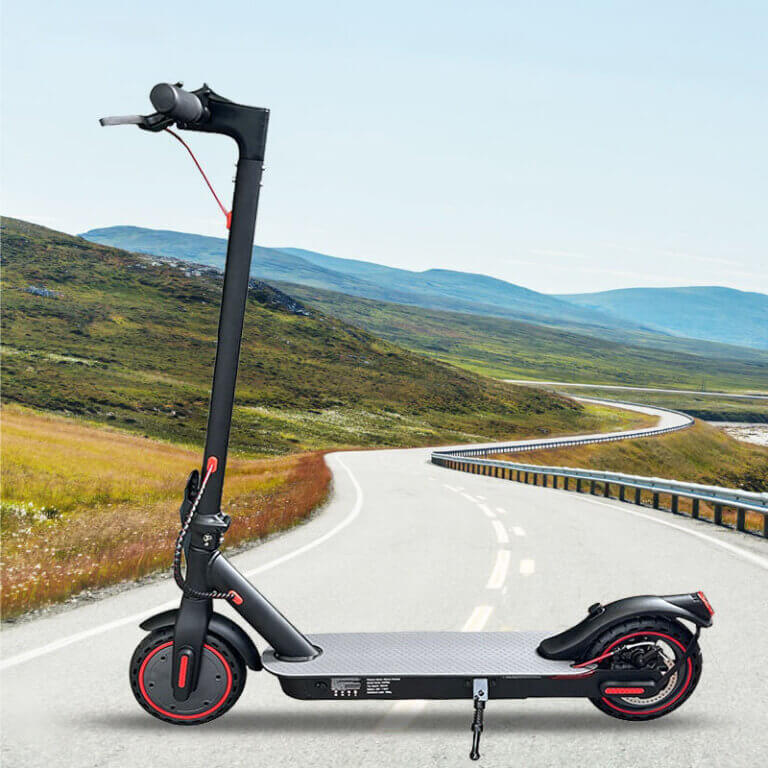
- H1 opvouwbare elektrische scooter voor volwassenen voor woon-werkverkeer → wagenparken voor kantoor- en metroverkeer, bedrijfsmobiliteit, “grab-and-go” dagelijkse lussen.
- M365 lichtgewicht snelle elektrische scooter voor volwassenen 20 mph → klassiek woon-werksegment voor de detailhandel; meerdere batterijopties, CE/FCC/ROHS-opschriften.
- GS1/GS1-Pro elektrische scooter voor zware volwassenen tot 180 kg → zwaardere rijderpositionering + stedelijke/huurhoek; je zult je meer zorgen maken over framebestendigheid, remmen en bevestigingscontrole.
- X3 elektrische opvouwbare step met groot bereik voor volwassenen → campusroutes, hotellussen, langere hops; “slimme” functies + draagbaarheid.
- Urbanm G1 elektrische scooter opvouwbaar 40 mph → prestatieniveau voor forenzen/vloten die meer hoofdruimte nodig hebben; EZBKE positioneert het voor forenzen, bezorgvloten of verhuurdiensten.
- 4000W Dual Motor Elektrische Kick Scooter met 100km Bereik → hoge eisen, hoge belastingscycli; ophanging/remmen/batterijdocumenten zijn van groot belang.
Tabel - Argumenten, wat het betekent en Ezbke bewijzen
Hieronder staat een praktische “koper-gerichte” tabel die je in een sourcing deck kunt plakken of naar inkoop kunt sturen. Ik gebruik EZBKE's eigen structuur (argument → betekenis → bewijs) en voeg een kolom “hoe verifieer je” toe voor het echte werk.
| Argument (trefwoord) | Wat het betekent in de echte wereld | Hoe je controleert (koper ops) | Bron op EZBKE |
|---|---|---|---|
| Duurzaamheid van elektrische kickscooters: wat gaat er eigenlijk als eerste stuk? | Problemen met scharnieren/stelen/voorkant komen vroegtijdig aan het licht; voorkom wiebelen en slijtage van de vergrendeling | Vraag naar documentatie over de duurzaamheid van het vouwmechanisme + controle van de speling van de stang bij PDI | “Waarom Ezbke Opvouwbare Scooters Gebouwd Zijn Om De Concurrenten Te Overtreffen” |
| Inspectie vóór verzending | Consistente output verslaat “één goed monster” | Vereist AQL-plan, defectdefinities, koppelmarkering, functionele controles, verpakkingscontroles | “Wat maakt een OEM-scooter de moeite waard om mee samen te werken?” |
| UL 2272 / UL 2271 voor Noord-Amerika (NRTL-pad dat kopers daadwerkelijk gebruiken) | Minder kanaalblokkades; vlottere verzekering/aankoop | Vraag naar UL-bestand/controle-info + scope die overeenkomt met exact model | “Groothandel scooters die voldoen aan UL/CE” |
| Veiligheid en logistiek van batterijen: IEC 62133-2 + UN 38.3 Testoverzicht | Uw lading wordt daadwerkelijk verscheept; minder batterij-gerelateerd risico | Vergelijk UN 38.3 Testoverzicht en IEC-rapport met exacte verpakkings-BOM | “Groothandel scooters voldoen aan UL/CE” + “Wat maakt een scooter OEM...” |
| Elektrische Kick Scooter categorie hub (OEM/ODM, groothandel, fabriek-direct) | Je kunt private label voeren zonder het wiel opnieuw uit te vinden | OEM/ODM-opties + IP-classificatieclaims + positionering conform batterij bevestigen | Categorie Elektrische Kick Scooter |
| Urbanm G1 elektrische scooter opvouwbaar 40 mph fabrikant | Prestatie SKU die nog steeds nalevingsdiscipline nodig heeft | Behandel het als een “premium anker”: zelfde doc pack, strakkere QC | Urbanm G1 pagina + nalevingspost |
Nog een laatste ding (dit is het deel waar kopers respect voor hebben)
De categoriepagina van EZBKE verkoopt letterlijk de belofte: IP54-gecertificeerde duurzaamheid, UL-gecertificeerde batterijen, Fabrieksgroothandel en OEM/ODM-opties. Elektrische Kick Scooter
Maar het is jouw taak als inkoper om beloftes om te zetten in bonnetjes: AQL-bladen, testoverzichten en inspectiecontrolepunten.