


-
414 Block B, ZT Times Plaza, Wuhan, Hubei, Kina

Blogg
Utstillingsvindu for sammenleggbare elektriske sparkesykler
Argumentene vi trygt kan låne (og hvordan de kan oversettes til sammenleggbare produkter)
| Nøkkelord / taktikk (kildeordlyd) | Hva det betyr i klartekst | Slik bruker du den til sammenleggbare elsparkesykler | Hva du sporer (ingen kostnadsmatrise) | Kilde |
|---|---|---|---|---|
| Fastsett målene dine | Velg hva utstillingen må selge (hurtigselgere, flaggskip-SKU-er, nye varer) | En “lead model”-avdeling + en “fleet-ready”-avdeling + en “OEM/ODM sample”-avdeling | Walk-ins → test-fold rate; forespørselsskjema starter | |
| Maksimer den visuelle appellen + “La kundene ta på varene” + “Vis produktets pris” | Få det til å se riktig ut, føles enkelt, fjerne forvirring | Legg til et “Brett det i 3 trinn”-kort + la kjøperne prøve hengslet + vis en tydelig spesifikasjon/prisklasse uten pruting vibes | Demointeraksjoner per time; færre “basic spec”-spørsmål | |
| kryssmarkedsføring | Sett sammen elementer som utfyller hverandre | Scooter + hjelm + lås + reservehjul + QR-klistremerke fra bilparken mock | Attach-rate spør (bunter) | |
| Merchandising i varme soner | Plasser prioriterte gjenstander i øyehøyde / på de beste stedene | Sett foldemekanismen i øyehøyde, ikke nede ved dekket | Tid til første berøring | |
| Skilt og billetter | Enkel skilting som svarer på “hva er det / hvorfor bryr du deg” | De tre store kulepunktene: samsvar, holdbarhet, tilpasning | “Spesifikasjonsark forespurt” teller | |
| Belysning i detaljhandelen påvirker persepsjon + hvor raskt kundene beveger seg | Belysningen endrer hvordan “premium” ting føles og flyter fort | Lys opp hengslet + cockpit (styre/LCD) som om det er elektronikk | Oppholdstid i bukta | |
| Uttrekkbar (recoiler) vs. fastlåst | Balanse mellom “spillbarhet” og risiko | Uttrekkbar stropp for demo på styret; låst for dager med mye trafikk | Redusere antall hendelser; tilbakemelding på demokvalitet | |
| Tryggere / oppbevaringsbokser | Beskytt esken uten å åpne den | Oppbevar tilbehør i esker, men synlig (ladere, låser) | Manglende lagerhendelser | |
| Demomodus for detaljhandel (demobruker, tilpasset startprogram, video i loop) | Automatisk tilbakestilling av en skjerm til “ren demo” | Kjør et “Brett → Bær → Oppbevar”-klipp i loop på et kioskbrett, med automatisk tilbakestilling etter inaktivitet | Færre avbrudd for de ansatte |
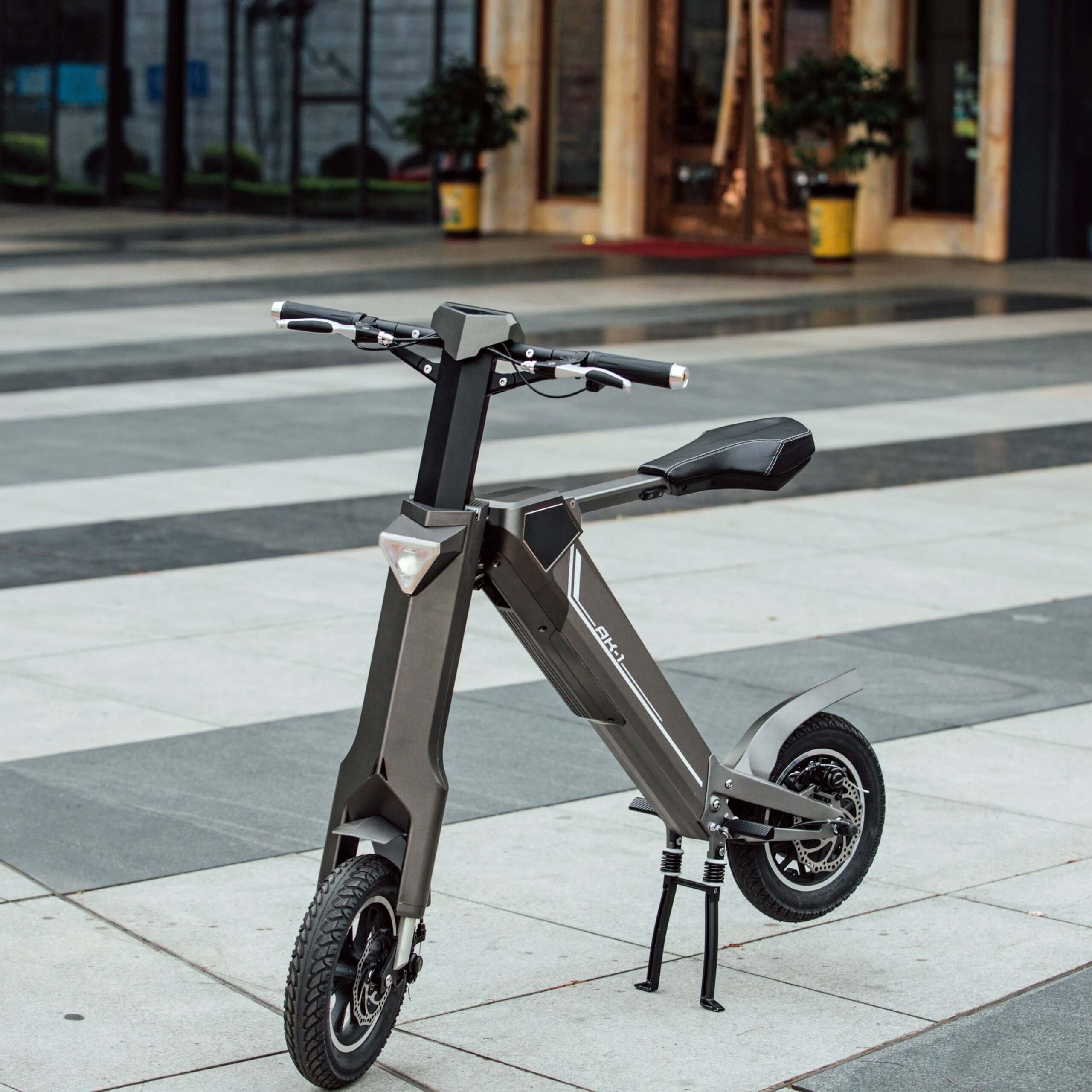
Sammenleggbar elektrisk sparkesykkel
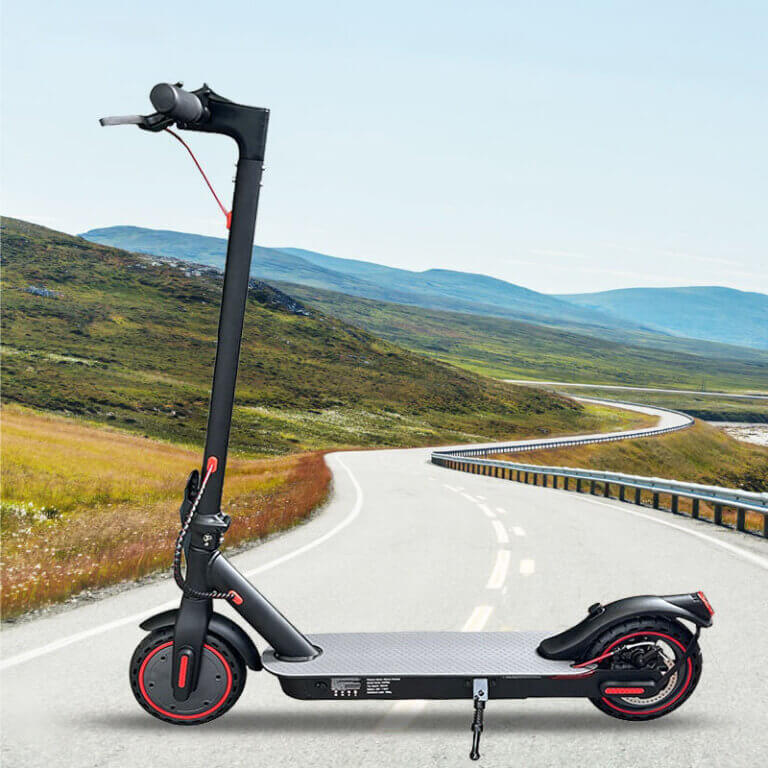
Våre Sammenleggbar elektrisk sparkesykkel kategorisiden gir deg allerede showroom-ammunisjon: UL2272-sertifisert, IP54, og “hengsler av flykvalitet (over 20 000 sykluser)” pluss “OEM-tilpasning i bulk ... logistikkintegrasjon ... byflåter og delt mobilitet”. Det er ikke bare fluff - det er akkurat disse bevisene innkjøpere ber om når de tenker på flåter, deling eller grossistbestillinger.
UL2272-sertifisert, IP54, 20 000+ sykluser
Skriv disse ordene på et stort kort, og vise dem med en enkel demo:
- Et “vannsprutsikkert” brett (visuell indikasjon på IP-klassifisering, ingen grunn til å legge noe i bløt).
- En hengselprøve (til og med en avskåret del) slik at kjøperen kan se byggekvaliteten på nært hold.
- En rask compliance-note: “Spør oss om regionale motor-/batterikonfigurasjoner.” (Det setter raskt i gang OEM/ODM-praten).
Det er også her du naturlig slipper Urban M. Sørg for at bukten ser ut som Urban M overalt: matten, bakgrunnen, spesifikasjonskortet og den samme typografistilen som nettstedet ditt bruker. Merkevarematch er viktig fordi inkonsekvente visuelle uttrykk får innkjøperne til å føle at forsyningskjeden er rotete.
Beste fremgangsmåter for å sette opp butikkdisplayer
Tittelen på dette avsnittet er hentet rett fra referanseartikkelen, men vi skal bruke den i B2B-virkeligheten.
Fastsett målene dine
I et scooterutstillingslokale selger du vanligvis til tre personer:
- forhandleren/distributøren,
- flåteoperatøren (campus, turist, siste kilometer),
- merkevareeieren som gjør OEM/ODM.
Så ikke bygg én utstilling. Bygg tre mikrosoner:
- Forhandlersone: “hurtigselgende konfigurasjoner + enkel servicehistorie”
- Flåtens sone: “holdbarhet + driftstid + deler + batterialternativer”
- OEM/ODM-sone: “merkevareprøver + emballasje + spesifikasjonsmatrise”
Hjemmesiden vår fremhever allerede OEM/ODM og kvalitetskontroller i ISO-stil, så utstillingslokalet bør få det til å føles ekte, ikke bare som tekst på en skjerm.
Maksimer den visuelle appellen
Her er den enkle regelen: gjør brettet til stjernen.
Kilden sier eksplisitt “la kundene ta på varene” og “vis produktets pris for å unngå forvirring”.”
For sammenleggbare produkter betyr “berøring”:
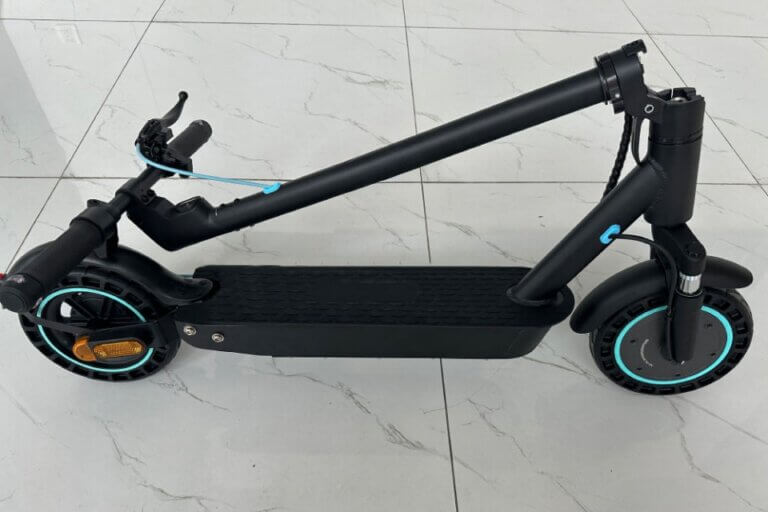
- La dem brett den, lås den og løft den.
- La dem rull den brettet (noen kjøpere bryr seg om brettet “drag” som bagasje).
- La dem gjøre en bagasjeromstest hvis du kan (selv en falsk koffertramme fungerer).
For “pris” trenger du ikke en talliste. Du kan vise det:
- “Engros / OEM tilgjengelig”
- “Spesifikasjonsbasert prising (motor, batteri, emballasje, merkevarebygging)”
Dette reduserer den pinlige “så... hvor mye?”-sløyfen uten å låse deg fast.
Implementere merchandising-teknikker i detaljhandelen
Den samme artikkelen påpeker kryssmarkedsføring som en praktisk taktikk.
For sparkesykler er ikke cross-merch noe søtt. Det er slik du svarer på smertepunkter:
- Hjelm + lås + ekstra lader = “vi tenkte på reelle operasjoner”
- QR-etikett for flåten + eksempel på IoT-brakett = “vi kjenner delingsprogrammer”
- Emballasjehjørnebeskyttere + kartongprøve = “vi sender, ikke bare viser”
Og hold skiltingen enkel. Kilden gir til og med regler som “hold det rent og enkelt” og bruk andreperson (“du”).
Så kortet ditt kan si: “Du kjøper oppetid, ikke bare en scooter.”
Merchandising i varme soner
NSW-guiden forklarer “hot zones” (de viktigste områdene kundene naturlig fokuserer på) og oppfordrer deg til å plassere prioriterte produkter der.
For sammenleggbare produkter er det ikke dekket som er den heteste sonen. Det er hengsel + spindellås + cockpit.
Praktisk oppsett:
- Sett låsen i øyehøyde (monter scooteren på en liten forhøyning).
- Bruk én spotlight rettet mot hengslet (ikke overdriv).
- Legg til et “Brett om 10 sekunder”-skilt der hendene lander.
Liten detalj, stor effekt: Kjøperne slutter å spørre “er det irriterende å brette?” fordi de kan kjenne det.
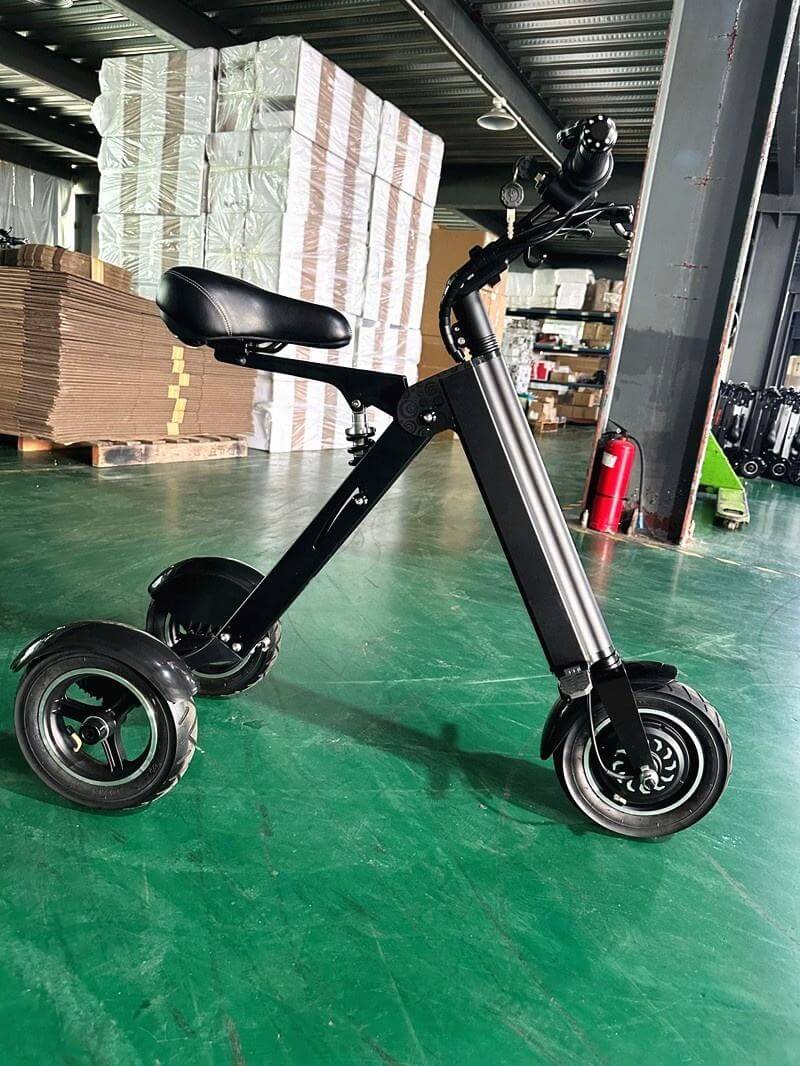
Skilt og billetter
Tegn trenger ikke poesi. De trenger svar. NSW-guiden rammer bokstavelig talt inn dette som et viktig markedsføringsverktøy.
Stjel denne layouten til alle scooterkort:
- Hva det er: “Sammenleggbar elektrisk scooter for bulk / OEM”
- Hvorfor du bryr deg: “Konfigurasjoner som er klare for samsvar + flåtens holdbarhet”
- Det som er fleksibelt: “merkevarebygging, batterier, tilbehørspakker, logistikk”
Slik designer du butikkbelysning
Shopifys detaljhandelsbelysning er tydelig på hvorfor: belysning endrer hvordan kundene oppfatter varene og hvor raskt de beveger seg.
I scootertermer: belysningen avgjør om produktet ditt ser “førsteklasses og trygt” eller “billig og skummelt” ut.
Bestem hvilken type butikkbelysning du skal bruke
Hold det enkelt:
- Jevn belysning for hele feltet (slik at spesifikasjonene er lesbare).
- Ekstra slag på hengslet + display + bremsebeslag.
- Ingen sterk blending på skjermer (LCD, nettbrett, kiosk).
Hvis kjøperen ikke kan fotografere scooteren rent, vil han eller hun slite med å selge den til sjefen sin senere. Sånn er det virkelige liv.
Stativer for sikkerhetsvisning
Du ønsker demoer med høy berøring og lav risiko. Alien Security bryter sammen Uttrekkbar (recoiler) vs. fastlåst og bånd som kan trekkes inn for bedre demoradius/spillbarhet, samtidig som låsing reduserer slitasje og risiko.
Uttrekkbar (recoiler) vs. fastlåst
For sammenleggbare, gjør en splitt:
- Uttrekkbar tether på styret, slik at kjøperne kan styre og kjenne på kroppsholdningen.
- Nedlåst punkt på baksiden, slik at ingen går av gårde med den.
Dette føles vennlig, ikke paranoid.
Safer / oppbevaringsbokser (magnetisk opplåsing)
Bruk oppbevaringsesker til tilbehør i esker, slik at kjøperne kan se at emballasjen er intakt uten at du trenger å åpne hver enhet.
Det er kjedelig, men det sparer de ansatte for tid og hindrer “hvor ble det av den laderen?”-dramaet.
Demomodus for detaljhandel
Dette er et snedig og godt utstillingslokale-triks. Androids AOSP-dokument forklarer hvordan demomodus for detaljhandel kan bytte til en demobruker, kjør en tilpasset lanseringsprogram, og spille en demo-video i loop-og tilbakestill deretter etter inaktivitet (det nevnes til og med 90 sekunder som standard).
Du kan bruke samme idé med et kioskbrett i utstillingslokalet ditt:
Angi egendefinert startprogram eller videospiller
Kjør en løkke:
Brett → bær → oppbevar → lad → parkere → parkeringsrekke.
Når en kjøper trykker, viser du det:
- en spesifikasjonsmatrise,
- OEM/ODM-alternativer,
- “Be om brosjyre” QR.
Det gjør at bukta alltid er “klar”, selv når teamet er opptatt.
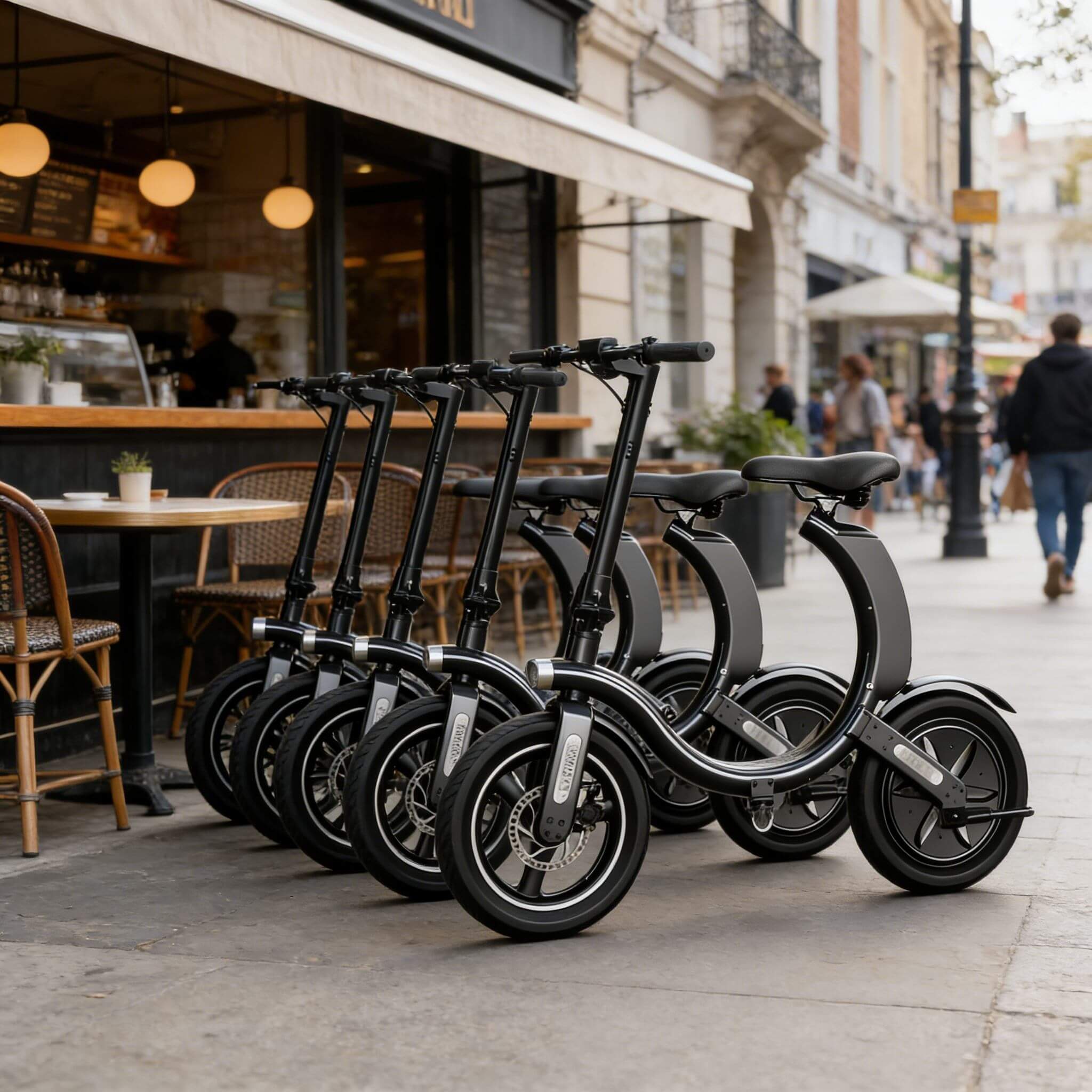
K1 elektrisk motor sammenleggbar scooter voksen produsent
K1 er en flott utstillingsmodell for “forhandler + bypendling” fordi den fremhever konfigurerbar samsvar: 250 W (EU) eller 350 W (USA) og 25 km/t vs 30 km/t, pluss batterialternativer og hurtiglading.
Parametertabell
Bruk K1-tabellen som ditt fysiske spesifikasjonskort, ikke bare nettsidetekst.
Vis den slik i bukta:
- “EU-ready / US-ready”-bryterkort (enkle magneter på et brett fungerer).
- Kort for valg av batteri: 36V vs 48V.
- En “bulkforsendelsesvennlig” merknad (siden beskriver bokstavelig talt sammenleggbarhet som en hjelp til bulkforsendelse).
Raskt salgsmanus (uformelt, ikke robotaktig):
“Vil du selge til EU? Kult, 250 W og 25 km/t. USA? Bytt til 350 W og høyere hastighet. Samme ramme, men forskjellig markedstilpasning.”
K2 sammenleggbar produsent av elektrisk sykkel scooter for voksne
K2 lyder mer “flåtepraktisk”: 450W, 25 km/t, flere rekkevidde-/batterialternativer, og den viser til og med antall containere (kjøpere elsker det fordi det gjør logistikken konkret).
Viktige spesifikasjoner
Sett K2 i “flåtesonen” med tre scenariobrett:
- Mobilitet på campus (korte turer, mange parkeringssykluser)
- Turistutleie (holdbarhet + enkel overlevering)
- Logistikk for den siste milen (rask snuoperasjon med ladetale)
Og ja, gjør foldetesten åpenbar:
- En krok merket “Folded parking”
- En krok merket “Klar til å kjøre”
Slik at kjøperne kan se for seg driften umiddelbart.
Hvorfor dette passer EZBKE / Urban M-posisjonering
Overskriften på hjemmesiden vår sier "15Y produsent av elektrisk scooteranlegg", og nettstedet lener seg hardt på ISO 9001, kvalitetskontroller i flere trinn, OEM/ODM-tilpasning, og eksporterfaring.
Et godt utstillingslokale bør bevise disse påstandene uten en lang pitch:
- Vis en mini “QC trail”-tavle (inngående kontroll → monteringskontroll → sluttest).
- Vis en OEM/ODM-prøvevegg (logoer, farger, små deler).
- Vis ett “delingsklart” hjørne (QR-etikettmock, flåteskilting), fordi du også selger Deling av scooter og flåtebruk.
Hvis du gjør dette riktig, går kjøperen derfra og tenker:
“Ok, disse folkene er klargjort for bulk, tilpasning og gjentatte bestillinger.”
Ikke: “Fine sparkesykler ... men kan de faktisk levere?”
Det er hele poenget.