


-
414 Block B, ZT Times Plaza, Wuhan, Hubei, China

Blog
Long-Range Electric Motorcycles For Field Service
From route density to uptime, field teams don’t just need wheels — they need reliable, quiet, low-touch machines that keep SLAs intact. Long-range electric motorcycles fit the job.
Long-Range Electric Motorcycles for Field Service: Why They Work
Field work is stop-and-go, lots of short hops, some long legs, and a clock that never stops. Electric drive shines here. You get smooth torque, fewer moving bits, near-silent operation, and predictable energy. Your tech jumps on, rides out, gets stuff done, comes back, no fuss. And yeah, planning matters — we’ll map that below with fleet strategy, charging windows, and terrain fit.
Electric Motorcycle Fleet Planning
- Route density first. Stack tickets by zone. Electric range holds better when you reduce deadhead miles.
- Charging windows. Overnight depot + a lunch top-up covers most “city + ring road” tasks.
- SLA thinking. Keep one spare bike per 8–10 units (buffer for service, not cause downtime).
- Telematics & dispatch. Tie bikes to your WMS/CRM. If a job overruns, reroute the nearest tech with enough SOC.
- Seasonality. Cold weather trims range a bit; plan 10–20% buffer on winter days, more if carrying heavy tools.
Total Cost of Ownership for Electric Motorcycle Fleets
You don’t need a spreadsheet today. The pattern is simple: lower fuel spend, less routine maintenance, and longer service intervals mean your per-mile cost trends down over time. That’s why fleets doing high daily mileage adopt EV two-wheelers. No tailpipe, less heat, fewer consumables. Parts inventory is leaner. Mechanics love the simplicity, honestly.
Is it cheaper every single day? Not always. But over quarters, yes, it trends better when routes are steady.
Charging Strategy for Field Service
- Depot AC charging overnight. Set-and-forget. Label cords per unit to avoid mix-ups.
- Midday top-up. 30–60 min at base, or a partner site, often enough to finish late routes.
- Power modes. Train riders to switch modes on long highway stretches, then back to normal in town.
- Portable spares. One extra charger per four bikes helps when a bay is busy.
- Playbook. If SOC dips under the floor, auto-reassign the final call to a nearby tech. Don’t push it.
Noise, Heat, and Safety (the “people factor”)
Quiet bikes keep neighborhoods calm, parks friendly, campuses happy. Less heat near legs on slow runs. Smooth torque helps on ramps, docks, and tight courtyards. Riders stay fresher. Fewer fumes around customers. Your brand looks considerate — that matters for city permits and enterprise contracts.
Use-Case Matrix: Which EZBKE Model Where?
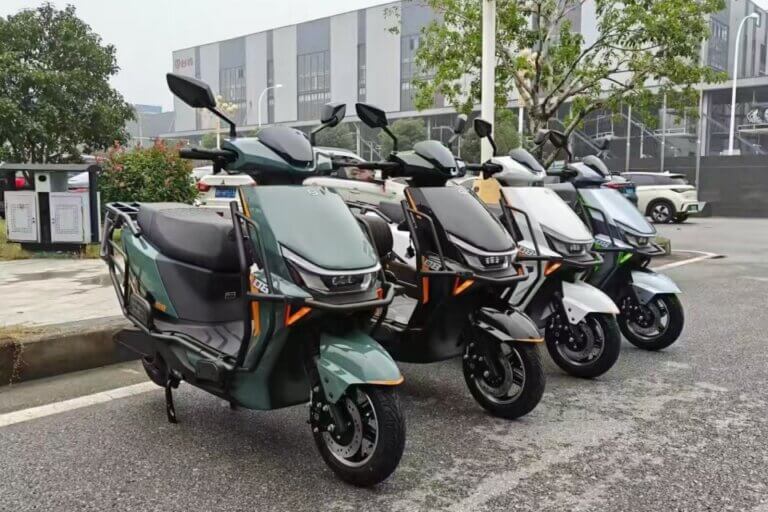
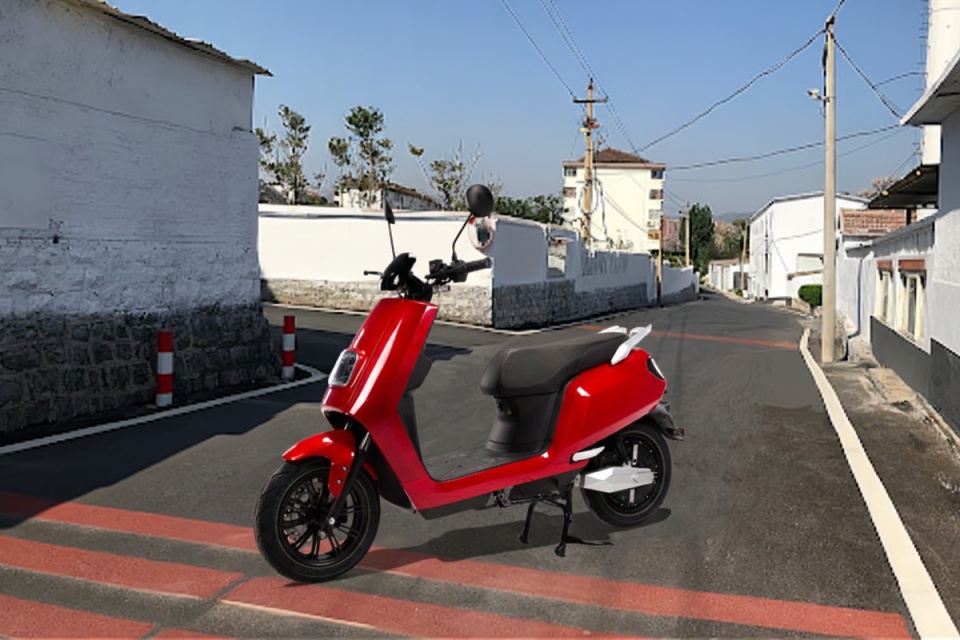
We make this easy. EZBKE is a 15Y electric scooter manufacturer plant with ISO-certified production, wholesale terms, and OEM/ODM options. Below is a straightforward mapping for common field tasks. Link through to product pages to spec out.
| Model (EZBKE) | Platform Type | Best-Fit Field Tasks | Terrain Fit | Range Class* | Charging Window | Notes for Ops |
|---|---|---|---|---|---|---|
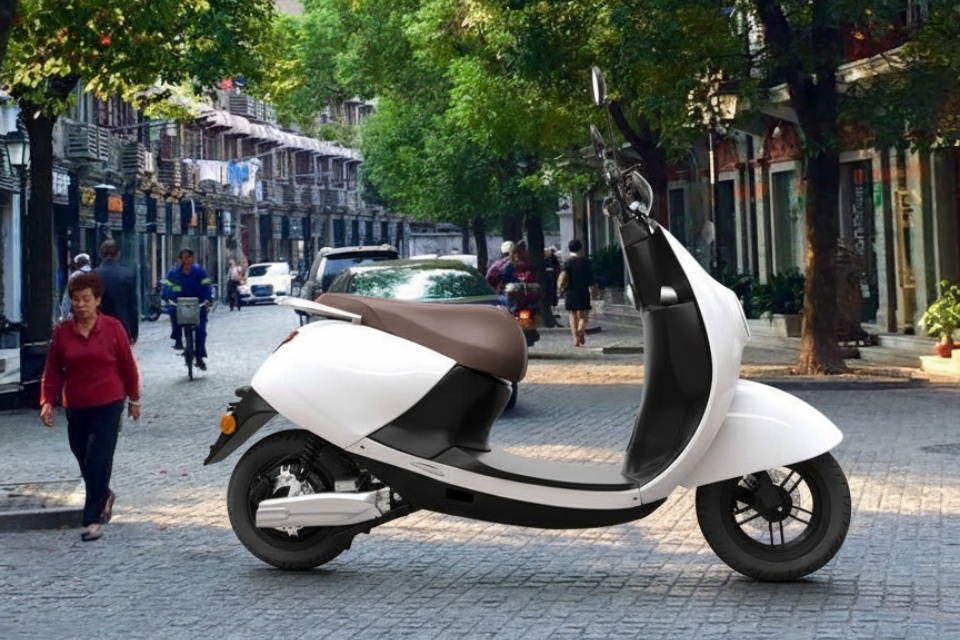
| S3 | Moped-style e-scooter | Urban maintenance, smart-meter swaps, quick ticket runs | City streets, paved lanes | Urban | Overnight only | Nimble, easy parking; great for dense route density |
| S4 | Commuter e-moped | Campus IT, facility rounds, hotel/resort service | Campus, bike lanes, calm roads | Urban/Extended | Night + lunch top-up | Stable chassis for tool bag + small parts |
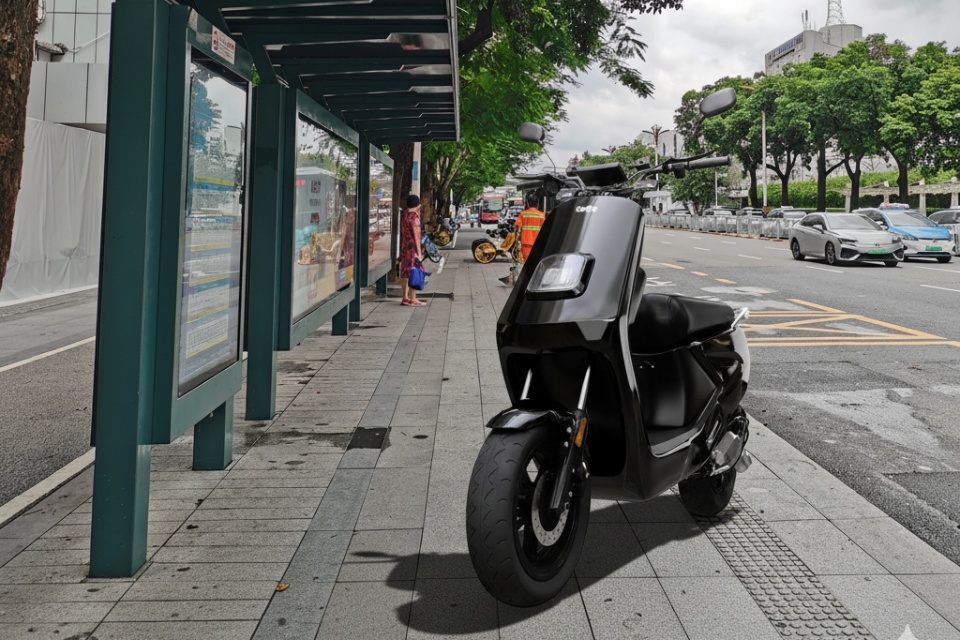
| S5 | Street-legal e-motorcycle | City + ring road calls, telecom CPE visits | Urban + ring roads | Extended | Night + optional mid-shift | Good for mixed 40–70 km daily stacks without stress |
| S5D | All-terrain e-motorcycle | Forestry patrol, solar farm O&M, utility ROW | Gravel, light off-road | Extended/All-terrain | Night + lunch top-up | Dual-purpose tires; confident on rough access roads |
| S6 | Heavy-duty e-motorcycle | Crew tools, heavier spares, maintenance kits | City + industrial parks | Extended | Night + midday | Higher payload class; stable under load |
| X1 | Seated e-moped | On-site repair loops, courier parts shuttle | Campuses, warehouses | Urban | Overnight | Low rider fatigue; quick hop-to-hop tasks |
*Range class is a practical planning bucket: Urban (in-city routes with frequent stops), Extended (city + ring road or longer legs), All-terrain (lower speeds but mixed surfaces). Final range depends on speed, payload, temperature, gradients, and riding mode.
Browse all models under Electric Motorcycle.
Real Scenarios You Can Run Tomorrow
Urban Mobility (Urban M) Field Ops — city + ring road
- Play: Stack 10–14 tickets inside one borough; send S5 riders from depot at 08:00, lunch top-up at 12:30, finish late calls by 16:30.
- Why it works: Starts and stops burn far less energy than a gas bike idling in traffic. Parking is simpler. Less time circling the block.
- What to watch: Train riders on eco mode for longer connectors; keep rain covers for chargers and tool bags.
- Add-on: Mount barcode scanners for asset handoffs; flows right into your WMS.
Industrial Parks & Campuses — steady loops, high SLA
- Play: Use S4 or X1 for campus loops: HVAC resets, door controllers, AV support.
- Why it works: Predictable paths; overnight charge covers a full day; riders keep cadence high.
- What to watch: Battery warms slower on cold mornings — start the first lap easy.
- Add-on: Set geofences; if a ticket appears near the current lap, reroute in real time.
All-Terrain Patrol — utilities, solar, wind, forestry
- Play: S5D runs gravel approaches and service paths; slow speeds mean energy stretch is actually good.
- Why it works: Electric torque helps on climbs; low noise keeps wildlife calm and crews focused.
- What to watch: Carry a compact inflator and plug kit; off-road eats tires faster.
- Add-on: Saddlebag with insulated compartment for sensitive spares.
City Service + Parts Shuttle — two-stage ops
- Play: X1 shuttles small parts from micro-hub to techs on S5/S6 already on calls.
- Why it works: Keeps technicians in the field; reduces failed first-time fixes.
- What to watch: Coordinate hand-offs at known curb spaces; avoid double-parking fees.
- Add-on: Label cases by ticket ID; less radio, more done.
Data Points That Support the Business Case
- Range vs. task radius. For typical city operations, overnight charge + a midday top-up is plenty for a full shift. Highway stints need energy-aware routing, but field calls rarely live at constant highway speed all day.
- Maintenance delta. Fewer fluids, fewer wear parts. Your mechanics focus on tires, brakes, and occasional checks, not constant tune-ups.
- Human factor. Quiet bikes de-escalate customer interactions at doorsteps and retail locations; less heat around rider legs on slow jobs; better focus, fewer distractions.
- Brand & compliance. Zero local emissions at point of use helps with municipal tenders and campus rules.
Training & Change Management (tiny, but important)
- Rider onboarding. Modes, regen, and range reading — teach it day one.
- Ops playbook. Green/amber/red SOC thresholds; who to ping; where to top-up.
- Spare pool. Keep one hot-swap unit; don’t let a charger queue blow your SLA.
- Seasonal SOP. Tires for wet season; battery care in winter; tool weight audits quarterly.
Procurement Notes for B2B Buyers
We know you’re not buying one unit for fun. You need bulk order discounts, OEM/ODM trims, custom racks, and consistent lead times. That’s our lane:
- ISO-certified production and QA gates.
- SKU-level customization: rear racks, panniers, beacon lights, QR code panels, VIN/data labels to fit your asset schema.
- Spare parts kit per 10 units so maintenance never stalls.
- Documentation: torque specs, loom diagrams, charger manuals. Keep your safety officer happy.
- Financing or leasing partners on request (region-dependent).
- Packaging: palletized, easy uncrate, checklist inside. Less dock time.
Quick Selector: Which Model Do I Start With?
- Mostly city tickets with short connectors? Start with S3/S4/X1.
- City + ring road + heavier tools? S5/S6 gives you headroom.
- Rough access roads or farms? S5D is the safe bet.
- Not sure? Mix 70/30 between city and extended, then rebalance after 30 days of telemetry.
Why EZBKE
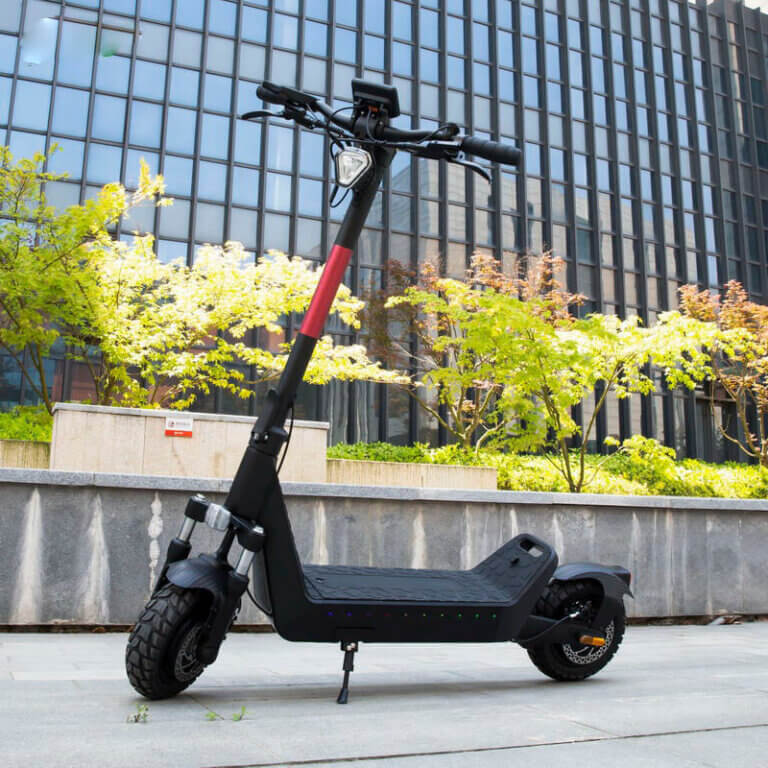
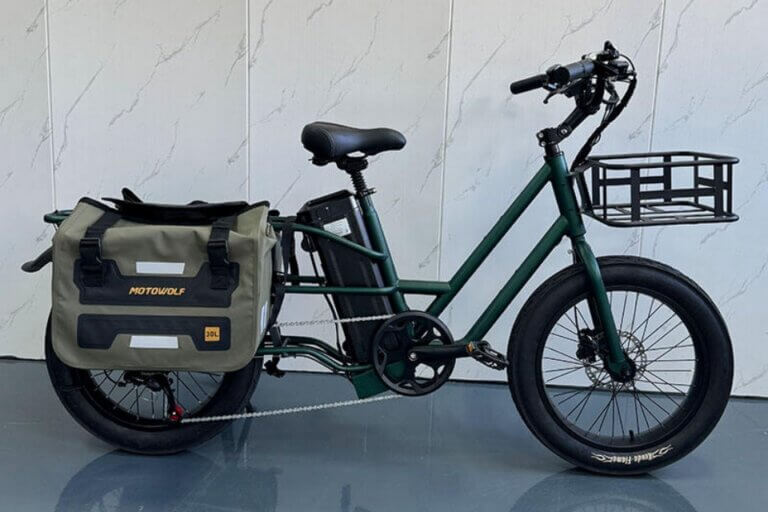
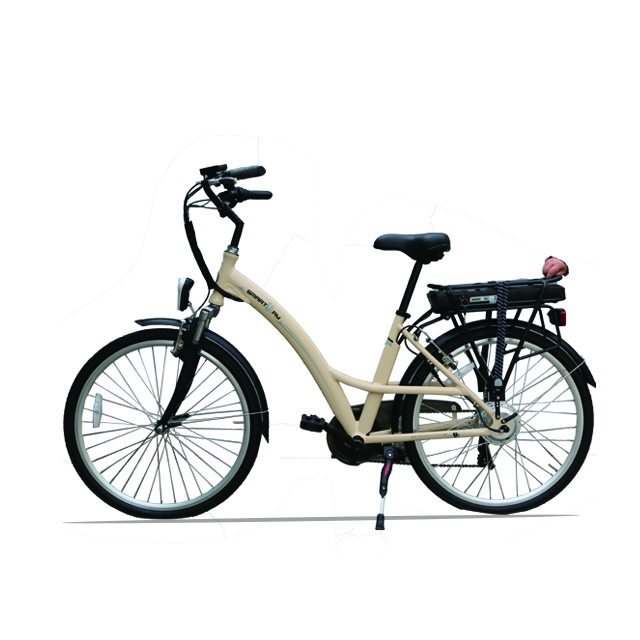
You want durable gear, consistent builds, and a partner that actually picks up the phone. EZBKE is a leading electric scooter factory & manufacturer with 15 years building at scale. We focus on Electric Motorcycle, Electric Kick Scooter, Electric Bike, Foldable Electric Scooter, and Sharing Scooter. If you need custom, bulk, OEM/ODM, or even white-label, that’s what we do every week. We don’t try to be flashy, we try to be useful.
Final Checklist
- Lock routes by zone.
- Night charge, lunch top-up.
- Train modes and regen.
- Keep a spare unit per small pod.
- Fit racks, label tools, track SOC in dispatch.
- Review data after 30 days; trim fat routes; scale.
If you’re ready, start with the Electric Motorcycle collection and pick S3/S4/S5/S5D/S6/X1 for a pilot pod. We’ll help you kit them out, then you scale clean.