


-
414 블록 B, ZT Times Plaza, 우한, 후베이성, 중국

블로그
가장 많은 요청을 받은 전기 자전거 커스터마이징 소매업체
소매업체가 요청한 전자 자전거 사용자 지정(OEM/ODM) - 인수 맵
| 맞춤 설정 키워드(구매자가 실제로 입력하는 키워드) | 소매업체가 일반적으로 요청하는 사항 | 요청하는 이유(리테일 고통) | 고정해야 하는 사항(OEM/ODM 사양) | 출처 | EZBKE 예제가 적합한 경우 |
|---|---|---|---|---|---|
| UL 2849 / UL 2271 / 인증 마크 | “전체 전기 시스템이 인증을 받았나요?” + “자전거 또는 포장에 라벨/마크를 표시할 수 있나요?” | 스토어는 화재/책임 분쟁을 원하지 않으며, 일부 관할 지역에서는 타사 인증 + 눈에 잘 띄는 표시를 요구합니다. | 대상 표준(들), 테스트 실험실 경로(NRTL / ISO/IEC 17065), 라벨 배치(프레임/배터리/박스), 문서 팩 | UL/SGS/NBDA | OEM/ODM 공급업체로서 EZBKE 포지셔닝, 모델 라인별 규정 준수 + 라벨링 조정 |
| 팬톤 컬러 매칭 | “브랜드 컬러와 정확히 일치” | 벽면 디스플레이가 판매됩니다. 색상이 “꺼져 있으면” 프리미엄 브랜드 옆에 있는 자전거가 싸구려로 보입니다. | 팬톤 코드, 마감(무광택/광택/금속), QC 델타 허용 오차, 데칼 배치 맵 | OEM 브랜딩 가이드 | 특히 다음과 같은 시내/통근 노선과 같은 모든 SKU는 C02/C06 |
| 맞춤형 로고 인쇄 / 데칼 | “프레임에 로고 + 배터리 + 모터 cover” | 리테일러는 브랜드 인지도와 단골 고객을 원합니다. | 아트웍 파일, 인쇄 방법, 내구성 기준, 배치도 | OEM 브랜딩 가이드 | EZBKE 전기 자전거 제품군에서 작동 |
| 배터리 옵션 / 장거리 | “더 많은 범위”/ “듀얼 배터리”/ “탈착식 배터리” | 반품 감소 및 리뷰 개선, 배송/차량 구매자에게는 가동 시간이 필요합니다. | 전압, Ah/Wh 대역, 탈착식 대 고정식, 배선 하니스 표준 | UN 38.3 운송 제약 + OEM 관행 | 350W 화물용 듀얼 배터리 (장거리), 통근용 모델(70km급) |
| 110-220V 충전기 / 글로벌 호환성 | “하나의 충전기로 여러 시장 공략” | 국경을 넘어 혐오 충전기를 판매하는 딜러들의 혼란 | 충전기 사양, 플러그 팩, 안전 승인, 포장 삽입물 | EZBKE 제품 사양 / OEM 규범 | C02/C06/LN26M03 범용 전압 지원 언급 |
| PAS 모드 / 법적 속도 | “우리 시장에 맞게 규정 준수” | 상점은 티켓, 벌금, 화난 고객을 원하지 않습니다. | PAS 튜닝, 속도 제한, 컨트롤러 프로필, 라벨링 텍스트 | 표준에 대한 UL + SGS 참고 사항; EN 15194 컨텍스트 | C06/M04 명시적으로 25km/h 스타일 규정 준수 목표 |
| 화물 랙 / 전면 박스 / 적재 등급 | “배송 준비가 완료된 하드웨어를 원합니다” | 라스트 마일 수요, 렌탈, B2B 프로그램 | 랙 사양, 박스 부피, 최대 하중, 액슬/브레이크 업그레이드 | EZBKE 화물 SKU | 750W 3륜 카고(프론트 박스 포함), 350W 화물 |
| 평면 포장/컨테이너 적재 | “소매용 포장” | 피해 감소, 빠른 수령, 손쉬운 재고 회전 | 상자 크기, 보호, 조립 수준, 예비 부품 키트 | EZBKE 제품 페이지 | LN26M03 플랫 포장, 많은 모델이 컨테이너 수량을 표시합니다. |
| IoT 진단 | “차량 유지보수를 더 빨리 할 수 있을까요?” | 신속한 결함 발견, 적은 RMA가 필요한 플릿 계약 | 진단 모듈 옵션, 데이터 필드, 서비스 워크플로 | EZBKE 카테고리 포지셔닝 | 렌탈, 캠퍼스 차량, 배달 프로그램에 적합 |
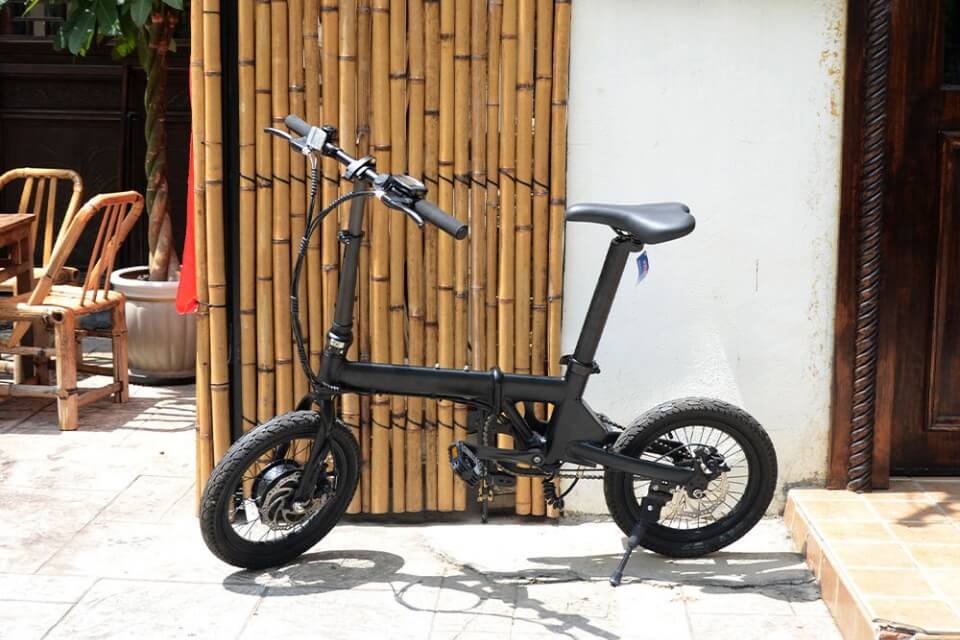
UL 2849 및 UL 2271: 이제 소매업체는 “인증된 전기 시스템인가?”를 먼저 묻습니다.
리테일에 판매해 본 경험이 있다면 이러한 분위기를 들어보셨을 것입니다: “아직 페인트는 보여주지 말고 안전 파일을 보여주세요.” 그 이유는 다음과 같습니다. UL 2849 에 초점을 맞추고 있습니다. 완벽한 조합으로서의 전기 자전거 전기 시스템 (드라이브 트레인 + 배터리 + 충전기), 업계에서는 이를 주요 화재 안전 체크 포인트로 취급합니다.
SGS는 또한 CPSC의 홍보 활동 이후 미국 시장의 압력이 어떻게 증가했는지, 그리고 다음과 같이 지적합니다. 뉴욕의 법률 특정 전동 자전거를 판매/임대/대여하는 것을 불법으로 만들었습니다. UL 2849 인증 및 인증 마크 표시 포장/설명서 또는 기기/배터리에 표시되어 있습니다.
NBDA는 더 직접적으로 이해 관계자들에게 UL 표준을 채택하고 다음과 같은 소매업체를 명시적으로 지원할 것을 촉구하고 있습니다. UL 인증 전기 자전거 및 배터리 요청하기 공급업체로부터.
실용적인 OEM/ODM 팁: 구매자가 하는 것처럼 RFQ에 규정 준수 항목을 작성하세요:
- “Target: UL 2849 시스템 인증 + UL 2271 배터리 인증.”
- “마킹: 프레임의 라벨/워드마크 + 배터리 + 마스터 카톤.”
- “문서: 테스트 요약 + 라벨 아트웍 + 포장 사진.”
지루하긴 하지만 지루함은 리테일러가 원하는 것입니다.
팬톤 컬러 매칭 및 맞춤형 로고 인쇄: 쇼룸 벽면에 판매되는 브랜딩
안전 다음으로 소매업체가 묻는 질문은 일반적으로 다음과 같습니다. 브랜드 일관성. 매장에서 헬멧, 자물쇠, 깔끔한 색상 팔레트로 통근자 벽을 꾸민다면 “거의 파란색에 가까운” 자전거 한 대가 분위기를 금방 살릴 수 있습니다.
OEM 브랜딩 노트에는 일반적으로 다음이 나열됩니다. 팬톤 컬러 매칭 그리고 맞춤형 로고 인쇄 (프레임/배터리/모터 커버)를 기본 옵션으로 제공하며, 무광택 또는 메탈릭과 같은 마감 유형을 선택할 수 있습니다.
파워포인트가 아닌 실제 느낌을 주는 방법:
- 상점 소유자는 “사용자 지정을 원합니다.”라고 말하지 않습니다.”
그들은 말합니다: “우리 가게의 초록색과 같은 색으로 맞춰줄 수 있나요? 우리 간판의 초록색과 같은 색으로요.” - 또한 “장마철이 지나면 데칼이 벗겨지나요?”라고 묻기도 합니다. (네, 그렇습니다)
따라서 사양에 “사용자 지정 색상”이라고만 표시해서는 안 됩니다. 다음을 포함해야 합니다: 팬톤 코드 + 마감 + 데칼 배치 다이어그램. 20개의 이메일을 쉽게 저장할 수 있습니다.
UN 테스트 및 기준 매뉴얼 하위 섹션 38.3: 조용히 물류를 제어하는 배터리 세부 사항
소매업체가 항상 “UN 38.3”을 언급하는 것은 아니지만 수입업체, 포워더 또는 규정 준수 파트너가 언급할 수 있습니다. UN 매뉴얼의 하위 섹션 38.3 는 리튬 셀/배터리에 대한 필수 운송 테스트(T.1-T.8)를 제시하며, 특정 변화(임계값을 초과하는 에너지/전압 변화 등)를 다시 테스트해야 하는 “새로운 유형'으로 취급합니다.
소매업체 언어로 번역:
도중에 배터리 사양을 바꾸면 서류 작업으로 인한 문제가 발생할 수 있습니다. 이로 인해 출시가 지연되고 이월 주문이 발생하며 소매업체는 짜증을 냅니다.
따라서 구매자가 “배터리를 업그레이드할 수 있나요?”라고 묻는다면 이렇게 대답하는 것이 가장 좋습니다:
“네, 하지만 SKU 전반에 걸쳐 배터리 제품군을 안정적으로 유지하여 배송 + 규정 준수가 원활하게 이루어지도록 할 것입니다.”
(예, “가족 안정'이라는 말이 이상하게 들리지만 실제로는 효과가 있습니다.)
배터리 옵션 및 글로벌 전압 호환성: RMA 감소, 리뷰 개선
소매업체는 범위 주장을 좋아하지만 증오 보증 반품. 그렇기 때문에 다음과 같은 요청이 표시됩니다:
- 듀얼 배터리
- 탈착식 배터리
- 범용 110-220V 충전기
EZBKE의 라인은 이미 리테일러가 선호하는 패턴을 암시하고 있습니다:
- 화물 SKU 하이라이트 듀얼 배터리 및 장거리 포지셔닝
- 몇 가지 커뮤터 모델은 다음과 같이 외칩니다. 110-220V 스타일 글로벌 충전 지원
이것이 비즈니스 가치로 전환되는 곳:
소매업체는 더 깨끗한 SKU 래더:
- “엔트리 커뮤터”(간단한 배터리, 간단한 디스플레이)
- “시티 플러스”(더 큰 팩, 더 나은 디스플레이)
- “배송 사양”(듀얼 배터리 + 헤비 랙)
이 사다리는 판매에 도움이 되며, 구매자는 상사 앞에서 현명해 보일 수 있습니다. (“현명한 행동'이 아니라 그냥... 머리가 덜 아프다는 뜻입니다.)
PAS, EN 15194 및 시장 속도 제한: “법적 준수”는 사용자 지정 요청입니다.
일부 소매업체는 한 국가만 판매합니다. 일부는 여러 국가를 판매합니다. 어느 쪽이든, 그들은 다음을 요구합니다. 시장 규정 준수-특히 페달 어시스트(PAS) 동작과 속도에 관한 것입니다.
UL은 다음과 같이 지적합니다. EN 15194 는 발표된 전기 자전거 표준이며, UL 2849가 전기 시스템 안전을 어떻게 다르게 평가하는지에 대해서도 논의합니다.
제품 측면에서는 다양한 EZBKE SKU가 서로 다른 “도시 법적” 기대치에 어떻게 부합하는지 확인할 수 있습니다:
- C06 PAS 센서와 25km/h 스타일 사양을 나열합니다.
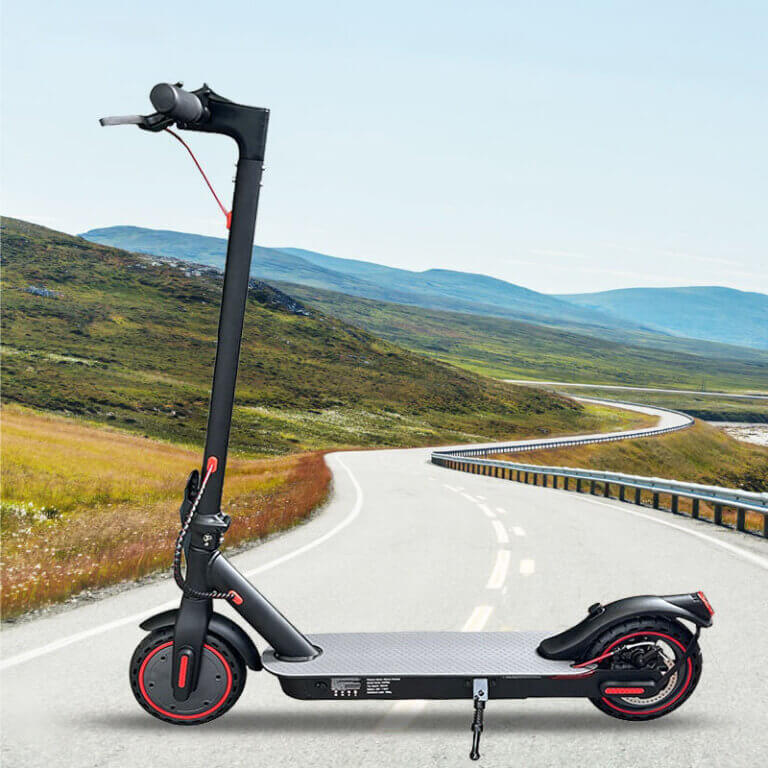
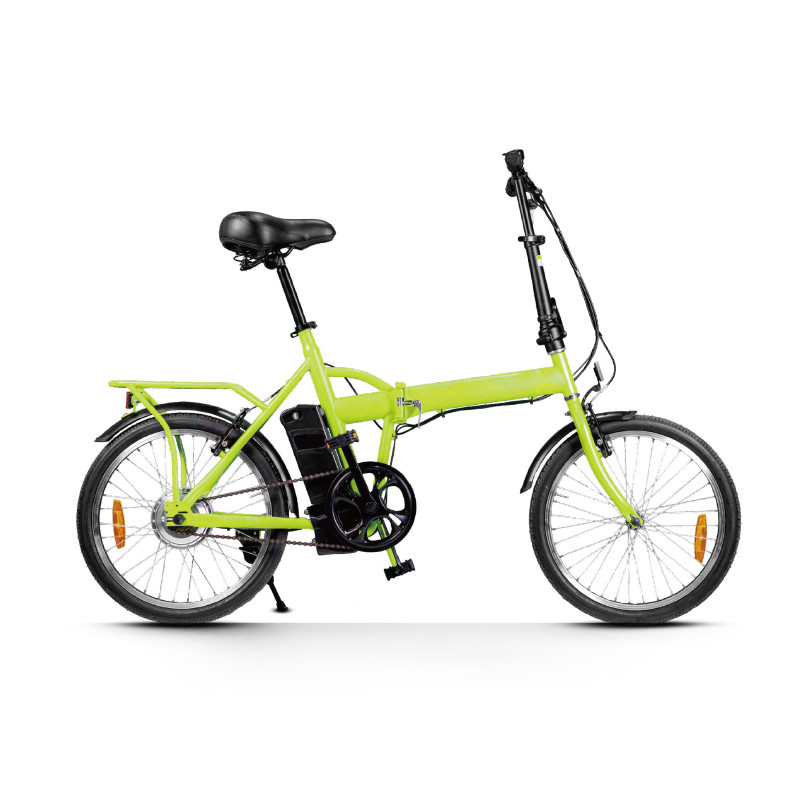
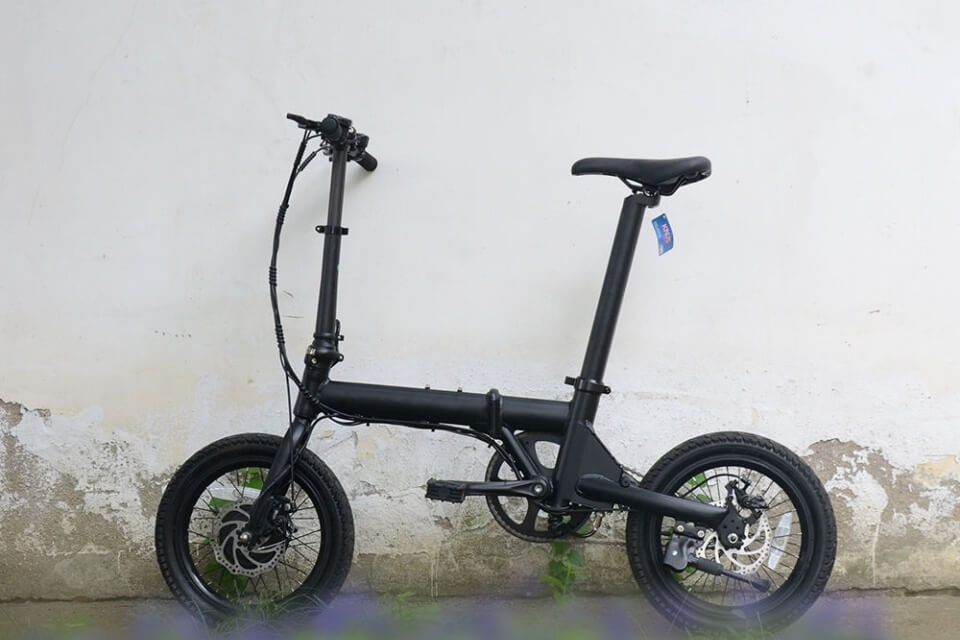
- M04 는 접이식 “대부분의 전기 자전거 규정 준수” 문구가 포함된 도시 옵션
OEM/ODM 사양 팁: “PAS”라고만 말하지 마세요. 말하세요:
- PAS 센서 유형
- 어시스트 비율/모드
- 속도 제한 동작
- 표시 언어 + 단위(km/h 대 mph)
소매업체는 어차피 물어볼 것이므로 선도하는 것이 좋습니다.
화물 하드웨어: 프론트 박스, 고하중 랙 및 적재 등급으로 “라스트 마일” 스토리 판매
카고는 소매업체가 매우 실용적인 분야입니다. 그들은 “멋진 자전거”를 원하지 않습니다. 그들은 도구를 원합니다.
EZBKE의 화물 라인업은 깔끔한 예시를 제공합니다:
- 750W 3륜 전기 화물 자전거 대형 전면 상자 포함 = 확실한 차량/배송 사용 사례
- 듀얼 배터리 및 견고한 랙이 장착된 350W 전기 화물 자전거 = 범위 + 유틸리티 포지셔닝
소매업체에서 “화물 맞춤화'를 요청한다는 것은 일반적으로 ”화물 맞춤화'를 의미합니다:
- 랙 지오메트리
- 박스 장착 지점
- 브레이크 업그레이드
- 최대 부하 라벨링
그것은 섹시한 마케팅이 아닙니다. 그것이 바로 차량 거래를 성사시키는 것입니다.
전기 자전거 OEM 솔루션: EZBKE가 소매업체 중심의 커스터마이징에 적합한 이유
EZBKE는 자사의 전기 자전거 다음과 같은 OEM 지원 기능에 대한 카테고리 나트륨 배터리(-15°C) 그리고 IoT 진단, 또한 확장 가능한 제조 및 유연한 사용자 지정 기능을 갖춘 OEM 공급업체로 자리매김하고 있습니다.
또한 제품 페이지를 통해 “요청과 SKU를 빠르게 매칭'할 수 있습니다:
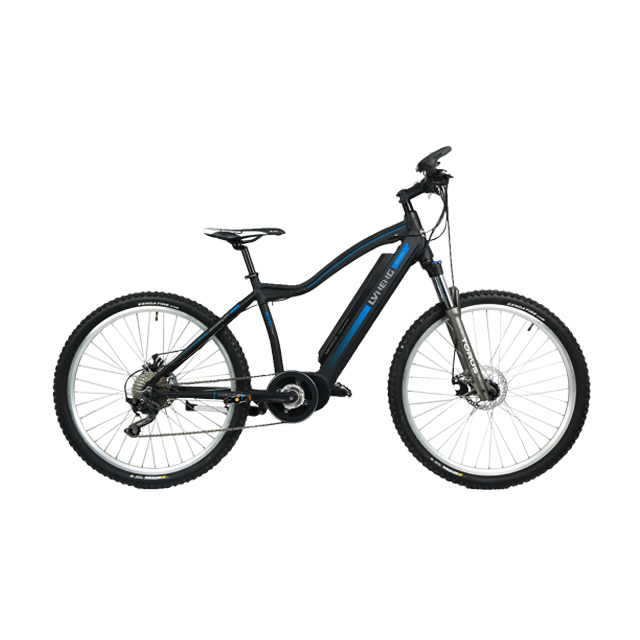
- 도매 피크 파워 450W 전기 자전거 는 다음과 같은 전원 및 인증 언어를 호출합니다. CE / EN15194 사양 블록에서
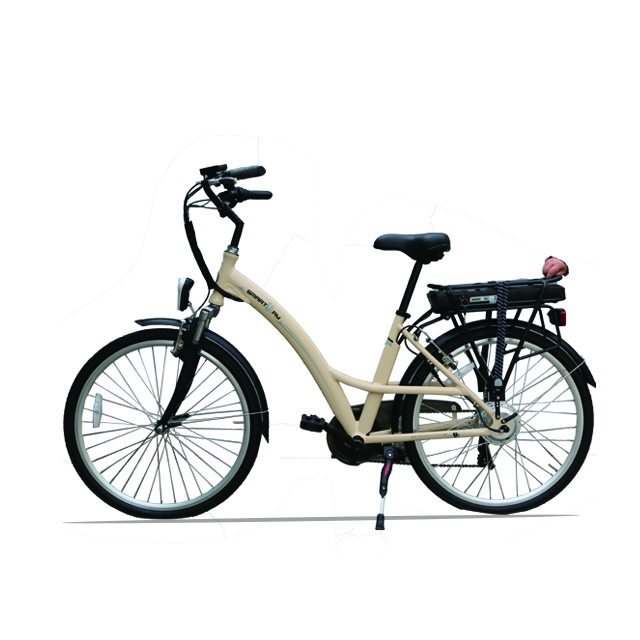
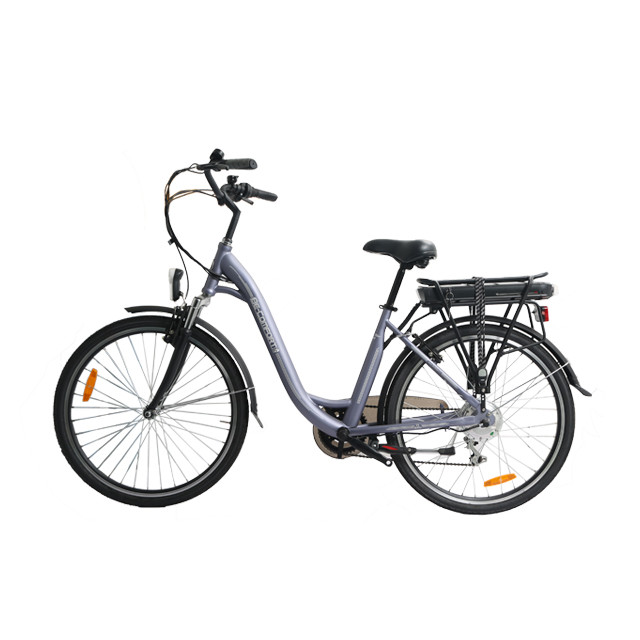
- C02 그리고 C06 소매업체가 리브랜딩할 수 있는 커뮤터 템플릿(기어, 조명, 포장 등)처럼 읽어보세요.
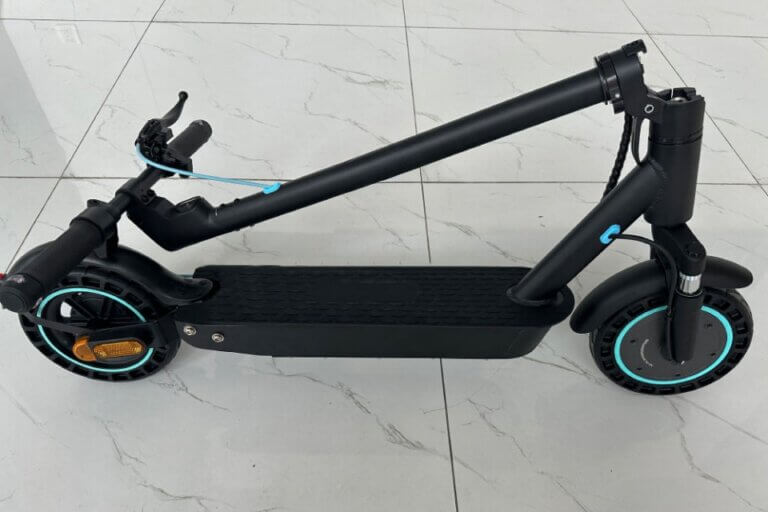
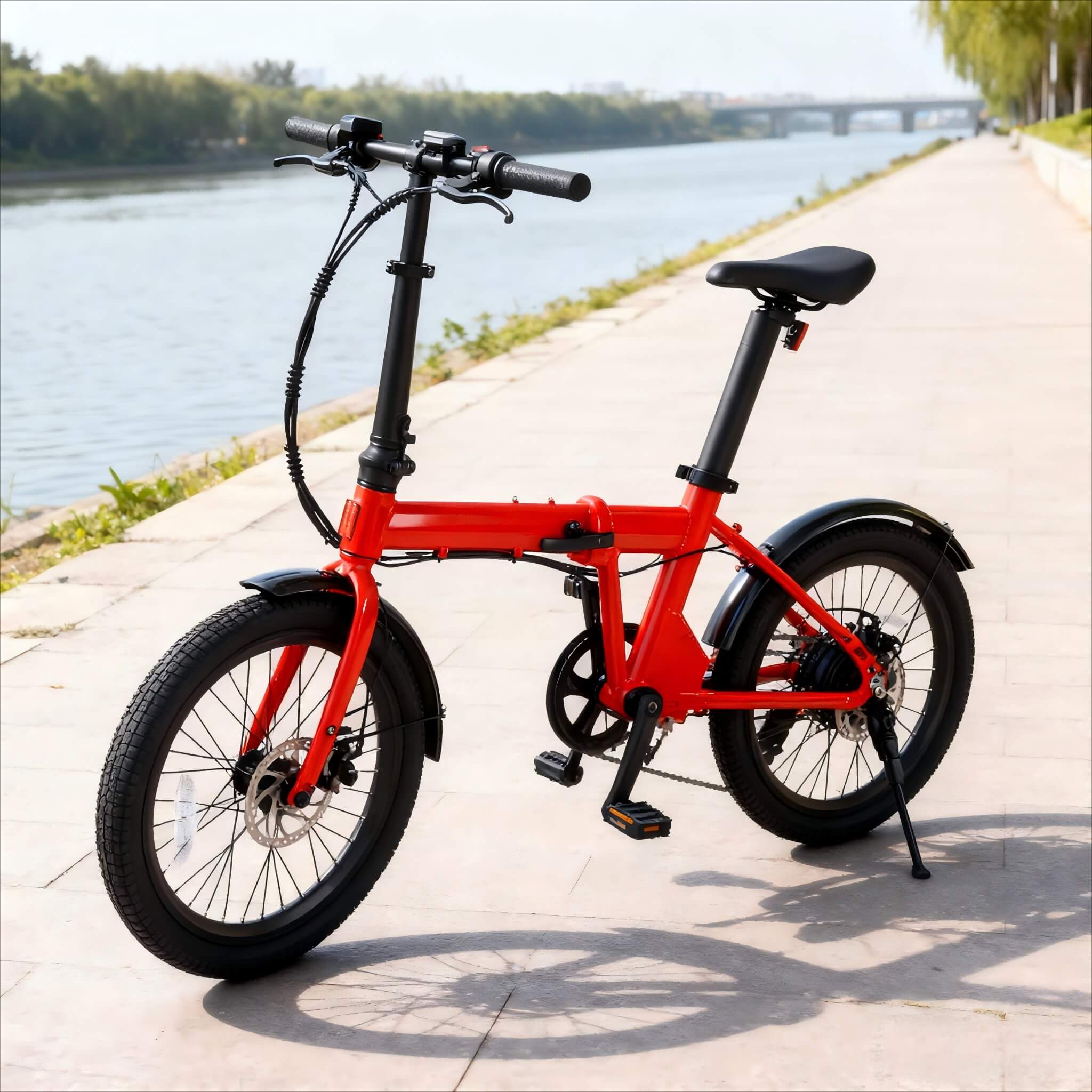
- 접기 옵션(예 LN26M03 그리고 M04)는 “아파트 통근자” 및 “상점 및 이동” 채널에 잘 매핑됩니다.
또한 다음을 요청하셨습니다. 어반 M 를 사용하여 자연스럽게 표시: 정보 페이지 연결 어반 M 를 우한 Jiebu 일렉트로닉스로 인수하여 모빌리티 브랜드로 자리매김했습니다.
포장 크기, 평면 포장 및 컨테이너 적재: 소매업체가 선호하는 맞춤화 기능
리테일러 구매자는 “컨테이너 최적화'라는 말은 절대 하지 않지만, ”컨테이너 최적화'라는 말은 꼭 할 것입니다:
“더 안전하게 배송할 수 있고, 창고에서 빠르게 처리할 수 있나요?”
EZBKE 페이지에서 반복적으로 언급되는 내용 컴팩트한 포장, 플랫 포장 배송, 및 적재 수량(재고 계획 및 손상률에 중요).
빠르고 실용적인 추가 기능입니다: 기본적으로 “스페어 백”(패드, 이너 튜브, 일반 볼트)이 포함되어 있습니다. 서비스 티켓이 줄어듭니다. 또한 딜러 네트워크가 지원받고 있다는 느낌을 줍니다. 간단하지만 효과적입니다.