


-
414 블록 B, ZT Times Plaza, 우한, 후베이성, 중국

블로그
EU Market Growth in Shared Mobility
If you search for “EU Market Growth In Shared Mobility”, the first thing you notice is this: Europe didn’t stop growing. It just stopped growing in the old reckless way, where operators dumped units into the street, burned cash, prayed for app opens, and called that a strategy. That era? Pretty much fading.
Now it’s uglier. More practical too.
Operators still want scale, sure, but they’re chasing a different kind of scale now—better uptime, tighter parking discipline, fewer battery headaches, smoother city approvals, cleaner fleet ops, less deadweight in the field. That’s why this shift matters if you sell or source 공유 스쿠터 products. Buyers in Europe aren’t just asking for “a scooter” anymore. They’re asking for a fleet tool that won’t wreck their unit economics in month three.
European Shared Mobility Market
The numbers tell a weird story at first glance. Weird, but useful. In 2024, Europe had about 940,000 shared vehicles, which generated 640 million trips 그리고 €2.1 billion in revenue, yet the total fleet count still dropped by 4% while usage climbed by 5%—and that gap is exactly why the market feels more mature now, not weaker.
That matters.
Because when trips rise while fleet size shrinks, the market is basically saying: “Stop throwing hardware at the problem. Make the hardware work harder.” I frankly believe that’s the real signal buyers should care about. Not vanity volume. Utilization. Asset efficiency. Street performance. Less showroom talk, more field ops.
And from my experience, fleet buyers don’t get excited by glossy specs alone. They care about the ugly stuff—repair loops, downtime drag, battery swap cadence, IP rating in bad weather, parts fail rate, GPS stability, lock behavior when the network gets flaky. The stuff that kills margin quietly.
Bike-sharing
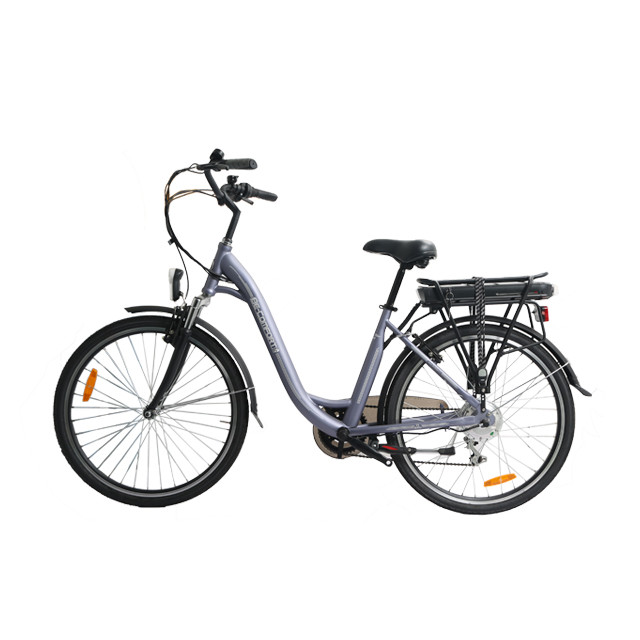
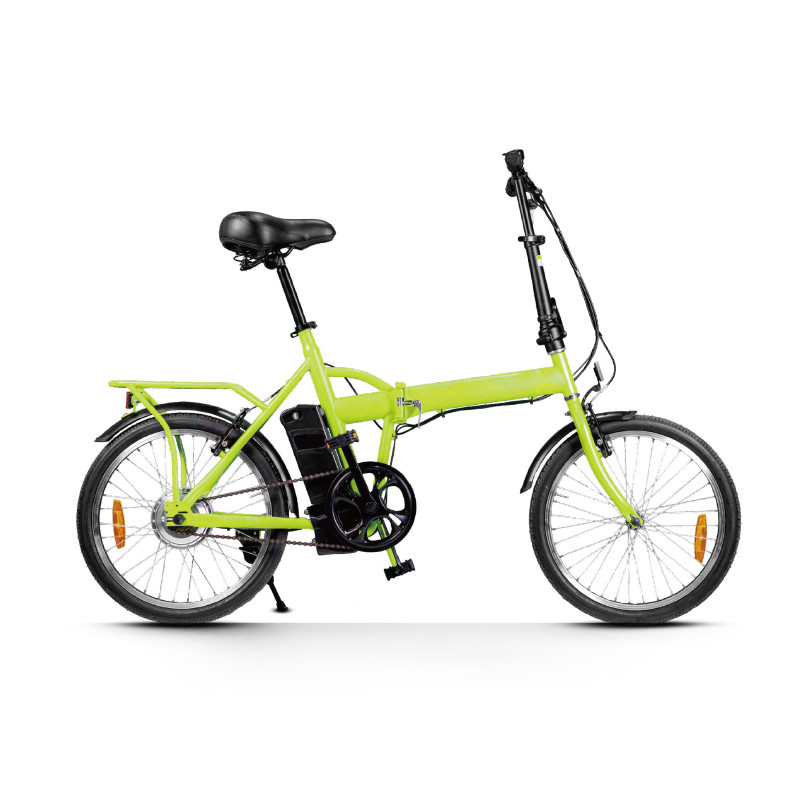
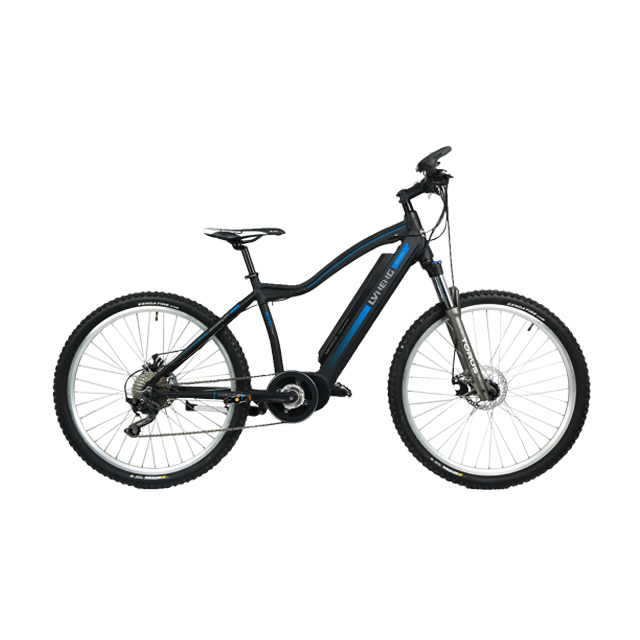
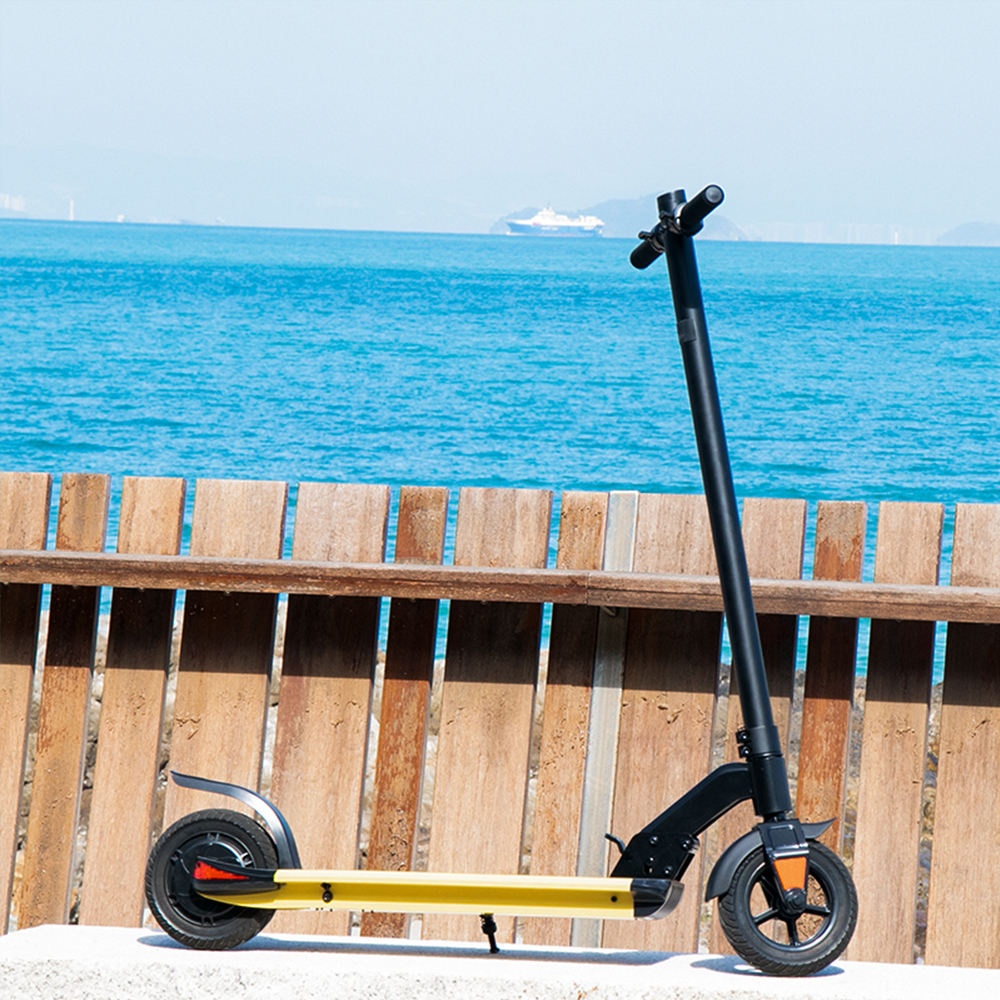
Funny enough, bike-sharing is probably the cleanest proof that shared mobility in Europe still has teeth. London and Paris account for one in every three shared bike trips across Europe. London logged 29 million dockless bike trips in 2024. Paris Vélib hit 49 million. Dockless bike fleets grew by 18%, and ridership jumped by 58%. Not small. Not even close.
So what does that really mean for scooters?
Not that scooters are losing. That’s too lazy. What it actually means is that European riders keep rewarding short-hop mobility that feels frictionless, visible, and reliable enough to trust on a random weekday. If bikes are winning part of that battle, scooter fleets need to answer with tighter operational discipline and stronger hardware logic. Simple as that.
Or maybe not simple. But true.
London, Paris, and Berlin
Berlin remains the biggest shared mobility market by fleet size, with nearly 59,000 shared vehicles, and it leads in scooter and car-sharing usage. That’s important, not because “big city = big market” — everyone knows that already — but because Berlin acts like a live stress test for policy, fleet deployment, and operator survivability under tougher local rules.
And here’s the ugly truth: once a city becomes stricter, buyers start shopping different. They stop chasing flashy consumer-style builds and start hunting for tender-fit machines. Units that can survive curb abuse, rain exposure, parking scrutiny, and all the usual fleet chaos. In other words, the procurement brain changes. Fast.
Shared micromobility regulation
But regulation is the part too many sellers still treat like background noise. It isn’t. In Europe, it’s the boardroom issue hiding inside the product brief. EU mobility sources point to three big friction points that cities keep coming back to: urban space allocation, vehicle requirements, and user behaviour. Sounds bureaucratic. It is bureaucratic. It also decides who stays on the street.
The 2024 market data already reflects that pressure. Scooter fleets fell by 16%, largely because cities tightened regulation and reworked how tenders were handled in major markets. Yet scooters still made up 47% of all shared vehicles in Europe. So demand didn’t just vanish. The market got filtered.
That filtering matters more than people admit.
Because once a fleet gets squeezed by compliance rules, the pain shows up everywhere: flat tires stacking service tickets, dead batteries wrecking rotation schedules, speed cap mismatches causing local issues, weak lock systems creating ghost unlock complaints, parking disorder triggering city heat. Then the ops team starts firefighting. Then the SLA slips. Then the tender deck looks shaky. Brutal cycle.
Urban public transport & shared mobility
The European Commission keeps pushing the same idea, and honestly they’re not wrong: shared mobility works best when it complements public transport, not when it tries to cosplay as a full replacement. Shared mobility hubs, MaaS, first-mile and last-mile links—this is where the conversation is going now.
That sounds strategic. Because it is.
The ShareDiMobiHub case study makes the point even clearer. Shared mobility hubs can reduce car dependency, improve first- and last-mile access, and connect services through digital booking and payment systems. So the vehicle isn’t just a vehicle anymore. It’s part of a wider stack—one piece in a city mobility mesh with data flows, parking logic, and integration demands all wrapped around it.
And that’s exactly why 어반 M style positioning lands better in this market. Buyers don’t only want a unit that looks decent in a catalog. They want a deployable fleet asset—something they can slot into real transport scenarios without blowing up the ops layer later.
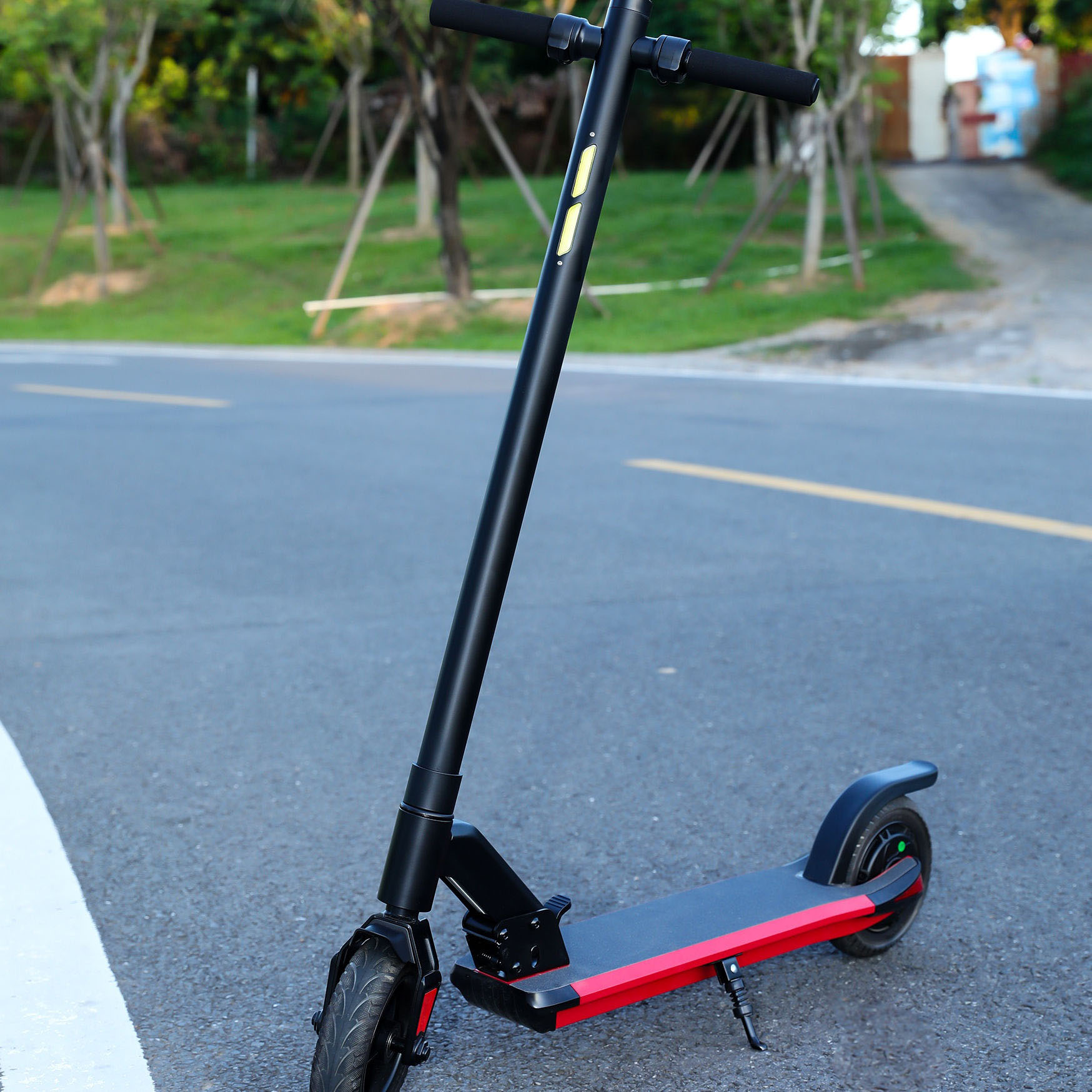
공유 스쿠터
귀하의 공유 스쿠터 category already speaks to that reality better than a lot of supplier pages out there. Not because it tries too hard. Because it stays close to fleet pain. The page highlights IP65-rated systems, commercial batteries with 1500+ cycles, GPS/Bluetooth lock, bulk OEM customization, payment terminals, and city compliance kits. That’s the right language for this market. It hits uptime, serviceability, and tender-readiness instead of drifting into generic speed hype.
And buyers notice that. They really do.
A distributor, a rental operator, and a city-facing fleet integrator may all read the same product page differently, but they usually land on the same bottom-line question: will this thing help my team keep vehicles moving with less field friction? If the answer is yes, now you’re in a real commercial conversation.
Below is a quick source-backed argument map you can use inside the article or in supporting sales content.
| 주제 | Market signal | What buyers actually care about | 출처 |
|---|---|---|---|
| European Shared Mobility Market | 940,000 vehicles, 640 million trips, €2.1 billion revenue in 2024; fleet down 4%, trips up 5% | Higher utilization matters more than blind fleet expansion | EU Urban Mobility Observatory; POLIS |
| Bike-sharing | London and Paris generated one in three shared bike trips; dockless bike ridership up 58% | Users want flexible short-trip transport with low friction | POLIS |
| Shared micromobility regulation | Scooter fleets down 16%; stricter tenders and rules reshape the market | Compliance pack, parking discipline, speed settings, safer hardware | POLIS; EU Urban Mobility Observatory |
| Urban public transport & shared mobility | Shared mobility hubs improve first/last mile links and digital integration | Vehicles must fit MaaS, transit links, and city ops workflows | European Commission; EU Urban Mobility Observatory |
| 공유 스쿠터 | IP65, 1500+ cycles, GPS/Bluetooth lock, OEM customization, city compliance kits | Lower downtime, stronger tender fit, smoother fleet rollout | Urban M category page |
성인용 FS Pro 모빌리티 전기 모터 스쿠터 공급 업체
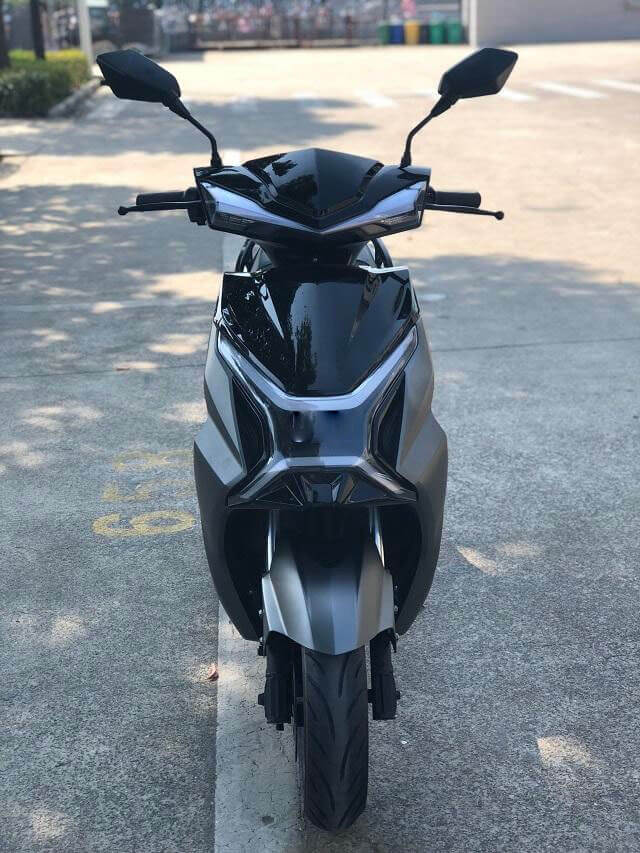
그리고 성인용 FS Pro 모빌리티 전기 모터 스쿠터 공급 업체 page gets something very right. It doesn’t talk like a toy seller. It talks like a fleet supplier. You see 에어리스 타이어, 교체 가능한 배터리, EU/US speed-limit configuration, 4G 연결성, white-label readiness, and an aircraft-grade aluminum frame. It also says the model is built for urban sharing fleets and bulk buyers. That framing matters more than people think.
Because in shared mobility, airless tires aren’t just a feature. They’re a truck-roll reducer. Swappable batteries aren’t just convenient. They change the cadence of rebalancing and field service. 4G connectivity isn’t there for decoration either—it helps with anti-theft visibility, dispatching, fleet telemetry, the whole thing. This is ops-side stuff. Real ops-side stuff.
바로 거기서 FS Pro earns attention. Not from brochure polish, but from fleet logic.
성인용 S1 접이식 전기 스쿠터 300파운드 팩토리
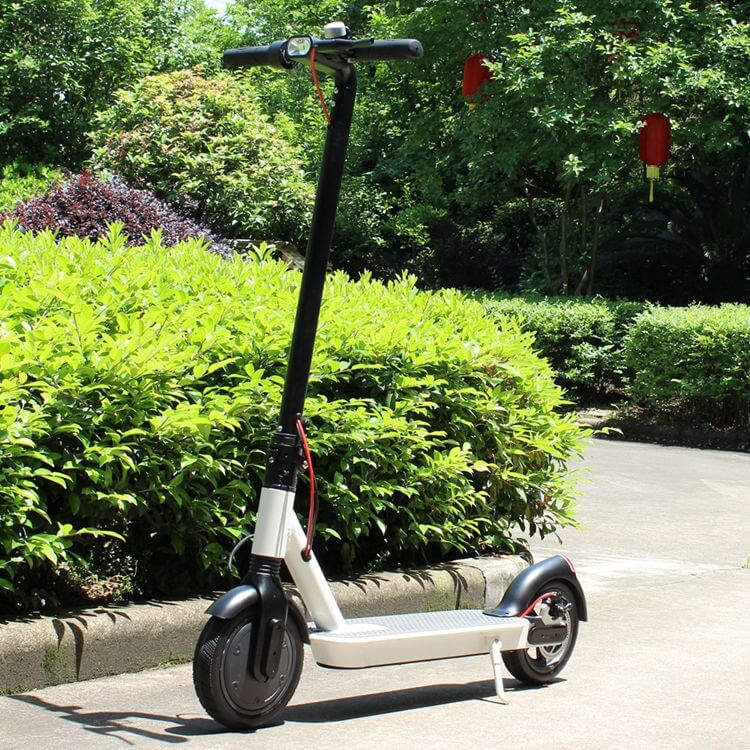
그리고 S1 foldable electric scooter page points to a different but equally useful lane: heavier-duty shared programs and bulk orders that don’t want fragile hardware slowing everything down. It highlights IP67 등급 컨트롤러 및 배터리, non-inflatable tires, EABS + 드럼 브레이크, 50km 범위, and a foldable frame meant to improve logistics efficiency. It also says the product is suitable for urban sharing programs or bulk orders.
That combination makes sense. Especially for buyers dealing with mixed weather, rougher pavement, rider misuse, and shipping density concerns all at once—which, let’s be honest, is most of them.
Some scooters look good in a product grid. Some scooters survive a real fleet cycle. Huge difference. The S1 is easier to pitch when procurement asks annoying but necessary questions about durability, braking confidence, weather resilience, and warehouse handling. Not glamorous. Still very sellable.
통근 자전거 도매업자를위한 최고의 접이식 전기 스쿠터
그리고 통근 자전거 도매업자를위한 최고의 접이식 전기 스쿠터 page pushes the Super S into 도시 임대, 캠퍼스 모빌리티, 라스트 마일 물류. That’s smart because those aren’t random use cases thrown in for SEO filler. They reflect actual demand pockets inside Europe’s broader shared mobility scene.
And this is where product line strategy gets interesting.
Not every buyer is chasing the same lane. Some are looking at city tenders. Some care more about university fleets, tourism rentals, resort circulation, campus shuttle alternatives, or semi-closed geofenced programs where service patterns are a bit more predictable. Others are sniffing around delivery-adjacent scenarios. Messy market. Lots of micro-verticals. If your catalog can stretch across those without feeling random, that’s useful.
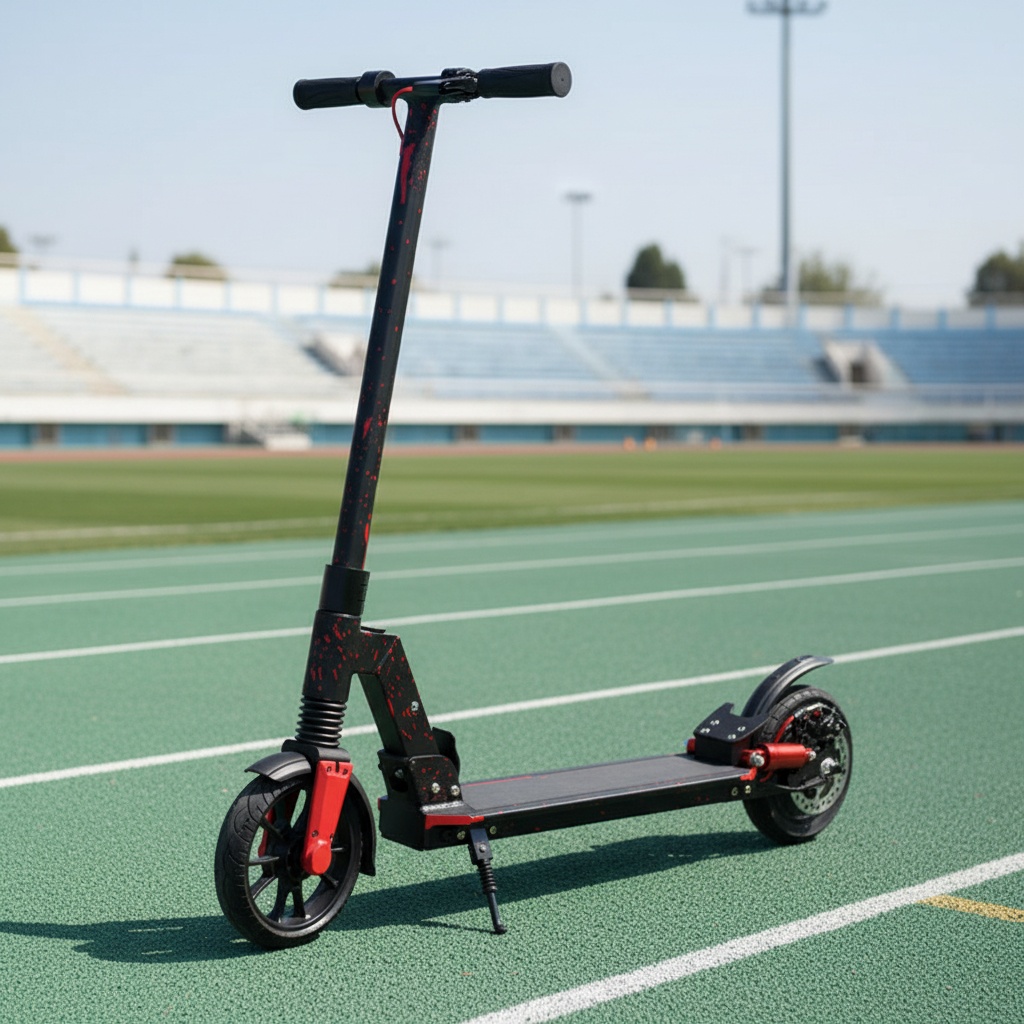
공유 모빌리티
A 2024 academic analysis of 311 European cities found that shared mobility markets vary a lot by local context, including demographics, built environment, and geography. Which, frankly, confirms what people in the trade already know: there is no magic “EU strategy” that works everywhere. One city’s winner can be another city’s dead stock.
Still, the direction is pretty obvious. The cities with stronger market fit and better operating structures tend to support more durable shared mobility models over time. And car-sharing keeps growing too, with Europe reaching 129,000 vehicles in 2025, up 8% year over year, which shows the region is still committed to shared-use transport as a long-game urban model.
So here’s my read.
Europe is still a serious market for suppliers like Urban M, maybe even more serious now because the easy-money nonsense has cooled off a bit. But the winners won’t be the loudest brands or the prettiest decks. They’ll be the suppliers whose hardware helps operators reduce downtime, stay compliant, hit tender specs, survive abuse cycles, and plug into wider urban mobility systems without turning every deployment into a maintenance circus.
That’s the market now.
More disciplined. More technical. Less forgiving.
And for a supplier that actually understands fleet-grade 공유 스쿠터 demand, that’s not bad news at all. It’s a better buying environment. Buyers are paying closer attention to vehicle quality, data support, service stability, battery workflow, and deployment fit. Serious suppliers usually do better when the market starts asking smarter questions.
Which is why models like the FS Pro에서 Super S및 S1 matter here. They don’t need to pretend to solve every mobility problem in Europe. They just need to fit real fleet logic—city programs, campus rollouts, rental operations, last-mile scenarios—and do it without creating fresh problems downstream.
That’s enough. More than enough, actually.