


-
414 Block B, ZT Times Plaza, Wuhan, Hubei, China

Blog
Kick Scooters Vs Hoverboards: What’s Trending In 2026?
You can spot the shift before you even open a market report. Spend ten minutes around a train station, a campus gate, or a dealer showroom and you’ll hear the same thing in different words: people don’t just want a fun ride anymore, they want something that can survive actual daily use—rough pavement, stop-and-go traffic, folding in and out of trunks, random rain, and the usual “I need it now” commuter chaos. That’s where the gap starts to show. In 2026, kick scooters are moving deeper into real transport. Hoverboards are still around, sure, but they live more in the fun, short-hop, recreational lane. Still selling. Just differently. The global electric scooter market is projected to reach $23.97 billion in 2026, while one 2026 hoverboard market forecast says personal and recreational use will still account for 64.3% of hoverboard demand. That split matters. A lot.
Related Articles and Key Arguments
But here’s the thing—most articles on this topic go soft. They either hype the lifestyle angle or get trapped in spec-sheet theater. More speed. More LEDs. More buzzwords. Cool, maybe. Useful? Not always. Buyers, especially dealers and OEM guys, usually care about the stuff nobody brags about first: pack compliance, brake feel, stem wobble, range sag, folding latch tolerance, spare parts logic, return risk, and how much after-sales pain a model will dump on them three months later. That’s the real talk.
I frankly believe that’s why the better source mix matters here. When you line up trend reports, safety data, and product-side comparisons, the pattern gets pretty clear. Scooters are being treated more like practical mobility hardware. Hoverboards are still more leisure-first, giftable, and impulse-friendly. That’s not a knock. It’s just market positioning.
| Related article or source | Specific argument | Why it matters in 2026 |
|---|---|---|
| Apollo Scooters, The E-Scooter Market in 2026 | Buyers are shifting from “fun” devices to functional commuting devices. Smart features, safer batteries, stronger frames, GPS, and better suspension are becoming normal on premium scooters. | This shows why kick scooters are getting more serious and more daily-use focused. |
| Fortune Business Insights, Electric Scooter Market | The electric scooter market is projected to reach $23.97 billion in 2026. | This proves the category still has strong buyer pull. |
| Coherent Market Insights, Hoverboard Market | 64.3% of hoverboard demand in 2026 is projected to come from personal and recreational use. | This shows hoverboards still sell, but mostly in leisure-led scenes. |
| CPSC micromobility injury report | Micromobility injuries rose nearly 21% in 2022, and e-scooter injuries rose 22% year over year. | This explains why safety and compliance now sit at the center of the buying decision. |
| PMC hoverboard injury study | 20.2% of injured hoverboard riders in the study had a closed head injury. | This reminds readers that “easy to ride” and “low risk” are not the same thing. |
That table says more than a long sales pitch ever could. It pulls the discussion out of opinion and drops it back into market logic, rider behavior, and channel reality—which, honestly, is where this conversation should’ve stayed from the start.
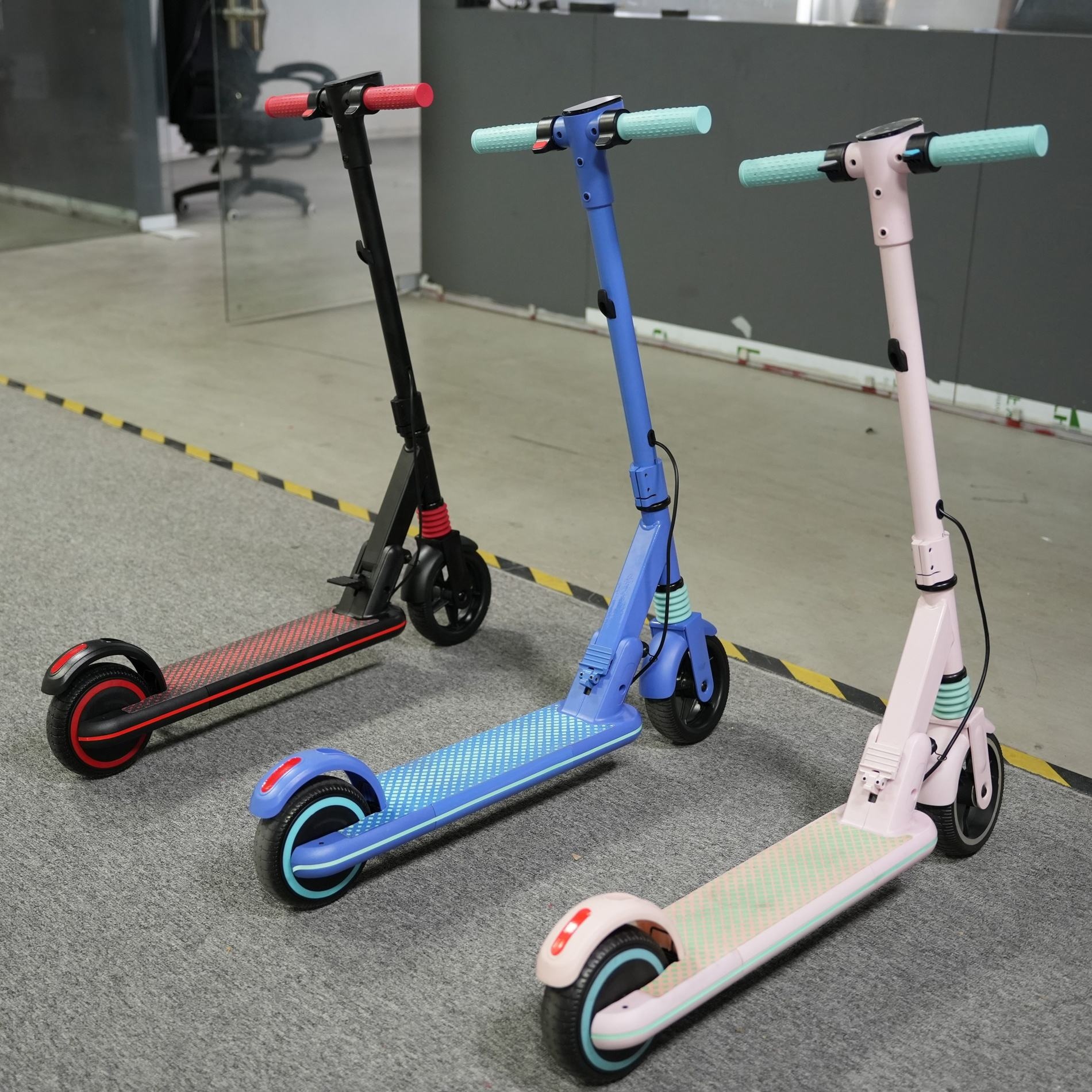
Electric Kick Scooter Market Trends in 2026
Now, the ugly truth. People aren’t shopping for “a scooter” anymore. Not really. They’re shopping for a route, a rider weight, a carry problem, a charging habit, a weather condition, a storage limit, a compliance story. They want something that folds fast, tracks straight, brakes clean, and doesn’t become an RMA magnet the second the honeymoon period ends. That’s what’s changed.
From my experience, once a category matures, buyers stop chasing novelty and start chasing consistency. Same frame QC. Same battery behavior. Same spare-part fitment. Same dependable assembly. Less drama. More repeat business. That’s basically what the 2026 scooter trend looks like. Reliability over flash. Usability over gimmicks. It’s not sexy, maybe—but it sells.
And that lines up pretty neatly with EZBKE. Your Electric Kick Scooter range already breaks into clear lanes: light commuting, heavy-rider support, longer urban routes, and performance-tier options. That’s not catalog padding. It’s a proper SKU ladder. Distributors need that. Importers need it even more, because a smart line card helps them speak to different rider profiles without trying to force one platform into every market. That never ends well.
Electric kick scooter for commuting
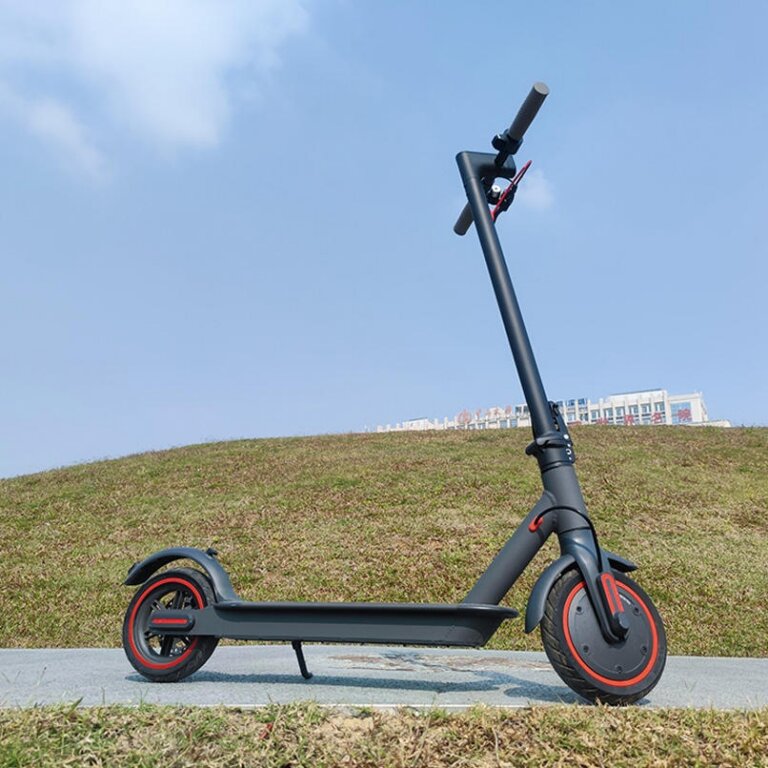
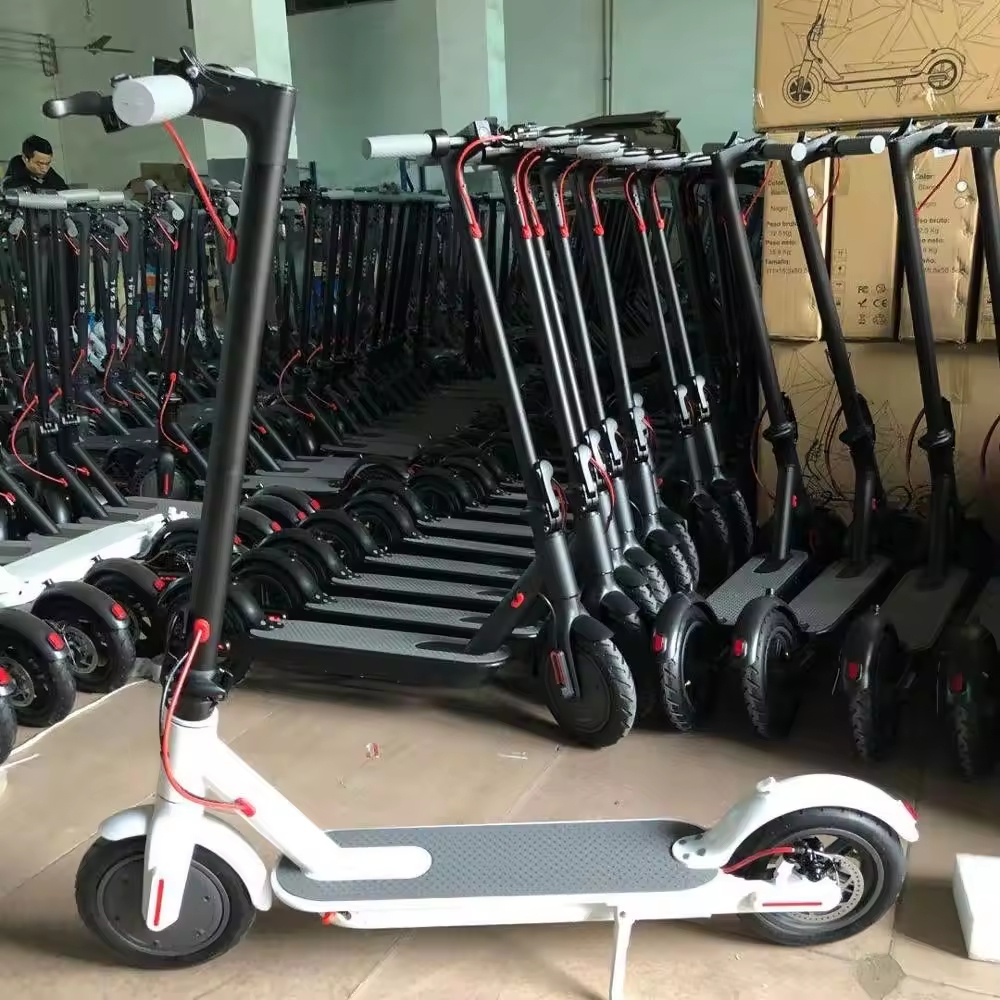
A commuter doesn’t always need brute force. Sometimes they just need a scooter that folds without a fight, carries without wrecking the shoulder, and gets through the usual last-mile grind without weird surprises. That’s where the H1 foldable electric scooter for adults for commuting and the M365 lightweight fast electric scooter for adults 20 mph make more sense than a hoverboard for most adult riders.
The H1 is light at 8 kg, reaches 25 km/h, and covers 15–20 km. That kind of setup fits station runs, office hops, campus movement, and those annoying short routes where a car is overkill and walking is too slow. It’s simple. Which helps. The M365 adds a 350W motor, a full lighting kit, and a quick-charge angle, which makes it easier to position for entry commuters who want a practical ride, not a learning curve. No big drama there.
Long range electric folding scooter for adults
Yet this is where scooters really pull away.
Because once the conversation shifts to more distance, rougher roads, more rider confidence, or better brake feel, hoverboards usually drop out of the shortlist pretty fast. Not because they’re useless. Because they’re built for a different lane. The X3 long range electric folding scooter for adults is a good example of what buyers actually look for in 2026: 10-inch air tires, hidden front suspension, EABS + disc braking, cruise control, and a 25–40 km range. That’s daily-use hardware. Not just showroom sparkle.
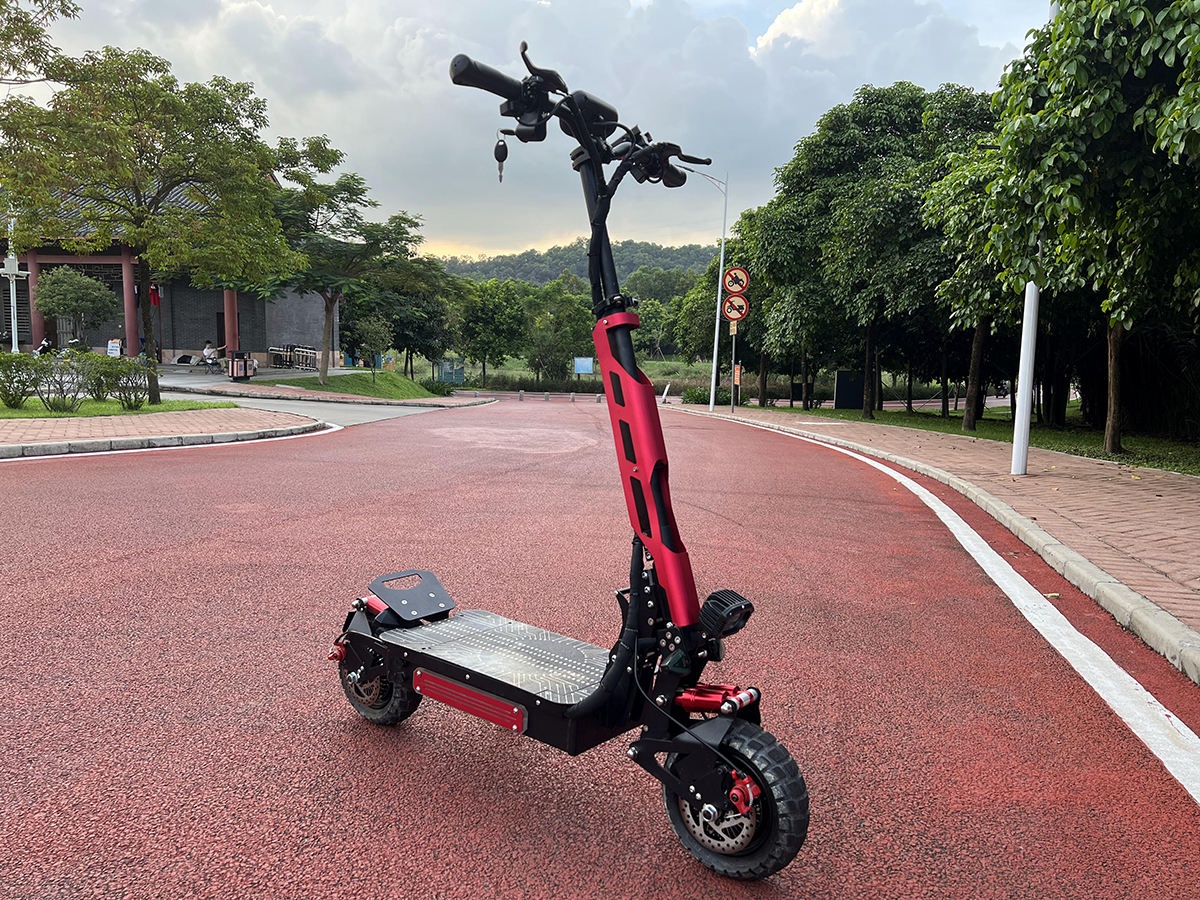
Then you move up to the Urbanm G1 electric scooter foldable 40 mph. Bigger battery story. More speed ceiling. Better fit for urban delivery, rental channels, or riders who want something closer to a serious personal mobility unit than a casual weekend toy. And then there’s the 4000W Dual Motor Electric Kick Scooter with 100km Range, which really sits in another conversation—up to 100 km range, hydraulic disc brakes, motorcycle-style suspension. That’s not a “looks fun” product. That’s a route-planning, uptime, and rider-segmentation product. Big difference.
Electric scooter for heavy adults
And this part gets missed way too often.
A lot of catalogs still act like every rider is light, every road is smooth, and every trip is casual. Real life doesn’t work like that. Some buyers need more deck stability, more frame confidence, better payload support, and braking that doesn’t feel sketchy under a heavier adult rider. That’s exactly why the GS1/GS1-Pro electric scooter for heavy adults 400lbs matters. It solves a real pain point instead of pretending one size fits all.
It offers dual motor options, up to 50 km range on the Pro, 10-inch tires, double suspension, rear drum brake plus E-ABS, and a reinforced frame for heavier daily use. For dealers, this isn’t just a product feature list—it’s sell-through insurance. Put the wrong rider on the wrong chassis and the complaints come fast. Match properly, and after-sales gets way less noisy. Simple as that. Well, mostly.
Hoverboard Market Trends in 2026
Still, hoverboards do have a lane. That shouldn’t be ignored just because scooters are pulling more weight now.
They’re compact. They’re playful. They’re easier to understand at a glance. In gift-driven retail, short recreational use, youth-led demand, and casual leisure scenes, they still make sense. One 2026 market forecast says personal and recreational use will make up 64.3% of hoverboard demand, and that sounds about right. Hoverboards aren’t disappearing. They’re just specializing harder.
However, the safety question keeps hanging around—and buyers know it. CPSC said micromobility injuries rose nearly 21% in 2022, and it specifically called on manufacturers, importers, distributors, and retailers to make sure products comply with recognized safety standards to reduce fire risk. Then there’s the 2025 draft rule package, where CPSC referenced UL 2272:2024 as the standard for personal e-mobility devices such as e-scooters and related products. Add the hoverboard injury study, where 20.2% of patients had a closed head injury, and the picture gets sharper. Battery systems. BMS tuning. Charger pairing. Traceability. Real QC. Not brochure QC. That stuff now shapes demand more than people like to admit.
Kick Scooter vs Hoverboard: What Buyers Actually Care About
Ask around and you’ll notice something funny: most buyers aren’t comparing these two categories in some clean spreadsheet fantasy. They compare them in messy, boring, practical life. School runs. Office commutes. Marketplace resale. Shared mobility pilots. Small retail displays. Warehouse sampling. Warranty exposure. Import risk. All the stuff that actually costs time and money.
So no, the better question isn’t “which one is cooler?” I don’t think that question helps anybody. The better question is this: which one fits the rider, the route, and the channel model without creating dumb avoidable problems later? Once you frame it like that, scooters keep winning in 2026.
| Buying point | Kick scooter trend in 2026 | Hoverboard trend in 2026 | Source |
|---|---|---|---|
| Daily commuting | Strong fit because of longer range, better ride stability, foldability, and clearer braking systems | Still weaker for longer adult commutes; better for short, casual movement | Apollo; Apollo comparison; EZBKE H1, X3, G1 |
| Safety and compliance | More focus on lighting, braking, battery safety, waterproofing, and test standards | Safety remains a trust issue, especially around falls and battery compliance | CPSC; UL 2272 draft material; PMC hoverboard injury study |
| Rider fit | Better options for commuters, heavy adults, fleets, and premium buyers | Better fit for light leisure users and short recreational use | Coherent hoverboard market; EZBKE GS1, M365, H1, Urbanm G1 |
| B2B value | Easier to build a product ladder from entry to premium, with OEM/ODM and bulk segmentation | Narrower sell story for most wholesale channels | EZBKE category page and product-line article |
That last row matters more than people think. B2B value doesn’t come from shiny claims. It comes from whether a product line maps to real demand pockets without blowing up ops, returns, and after-sales later. That’s the whole game.
Why Urban M Fits the 2026 Trend
Here’s what I like about the Urban M angle—it doesn’t try to shove one story onto every buyer. That’s smart. Too many brands do that weird thing where every model is somehow “perfect” for commuters, heavy adults, rentals, premium users, and rough roads all at once. Buyers see through that fast. So do distributors.
Urban M feels more grounded. The catalog already stretches from lighter commuter-focused options like H1 and M365 into heavier daily-use territory with GS1 and X3, then up into performance with Urbanm G1 and the 4000W Dual Motor scooter. That gives wholesalers, importers, and OEM/ODM buyers room to build a real assortment instead of a fake all-purpose one. Better rider matching. Better channel fit. Better sell-through. Less friction in the pipeline. It works. Usually.
So, what’s trending in 2026? Kick scooters, clearly. But not only because they’re faster or easier to market with glossy visuals. They’re trending because they’ve become more useful, more segmented, and more commercially mature. Hoverboards still have demand, yeah. They still belong in fun, short-distance, recreational scenes. But when buyers want commuting value, heavy-rider support, fleet logic, stronger compliance positioning, or OEM/ODM potential, electric kick scooters are where the market is leaning now.
And honestly? That shift was coming for a while.
Source for inserted internal links: