


-
414 Blok B, ZT Times Plaza, Wuhan, Hubei, Tiongkok

Blog
Bagaimana EZBKE Menguji Daya Tahan Skuter Sebelum Pengiriman
Jika Anda menjual skuter tendangan listrik dalam jumlah besar, “daya tahan” bukanlah sebuah getaran. Ini adalah sebuah sistem: pilihan desain + disiplin inspeksi + dokumen bukti pengiriman. Kehilangan satu bagian dan Anda akan merasakannya dengan cepat-Unit DOA, tumpukan RMA, operasi armada yang marah, atau penahanan bea cukai. EZBKE memposisikan dirinya sebagai "Pabrik produsen skuter listrik 15 tahun" dengan Produksi bersertifikat ISO dan fokus grosir/OEM/ODM, jadi argumennya sederhana:
Daya tahan sebelum pengiriman sebagian besar adalah tentang menangkap kegagalan yang membosankan dan berulang-sebelum pelanggan Anda menangkapnya untuk Anda.
Daya tahan Skuter Tendangan Elektrik: apa yang sebenarnya gagal terlebih dahulu
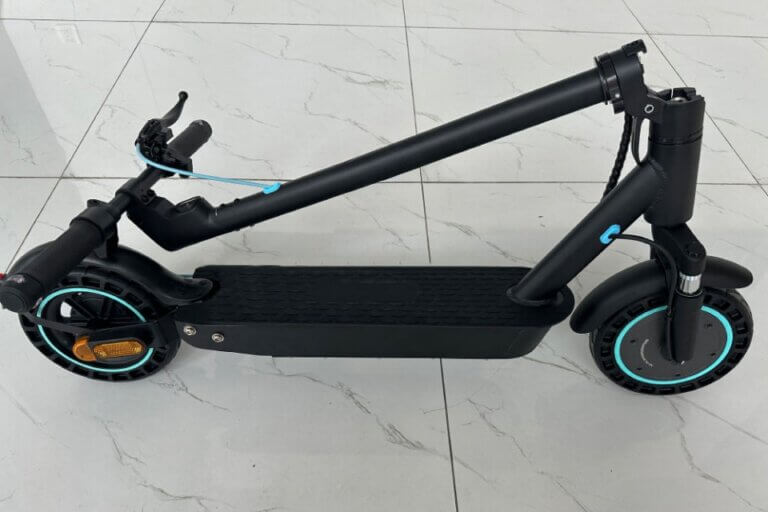
Inilah bagian yang tidak disukai orang: pada penggunaan sehari-hari, engsel dan batang sering kali mengalami kerusakan sebelum motor mengalami kerusakan. Pengendara membanting kait lipat, menabrak trotoar, dan menarik palang saat roda depan menghantam lubang. Itulah mengapa EZBKE menyebut perangkat keras lipat dan rakitan depan sebagai pembahasan ketahanan pertama untuk frame komuter/armada (mereka menyebutkan posisi gaya H1 dan M365, ditambah pemikiran tugas yang lebih berat untuk GS1/GS1-Pro).
Jadi, jika Anda mencari untuk dijual kembali, jangan mulai dengan “kecepatan tertinggi”. Mulailah dengan:
- Permainan batang dan integritas kait (kelonggaran mikro menjadi neraka garansi)
- Konsistensi torsi pengikat (satu baut yang longgar = satu ulasan yang buruk)
- Perilaku rem di bawah beban nyata (bukan “berhenti di pabrik”)
- Dek + penyelarasan ujung depan (toleransi yang murah muncul sebagai goyangan)
Halaman produk EZBKE bersandar pada bahasa “dibangun untuk bertahan lama” dengan cara yang sangat praktis:
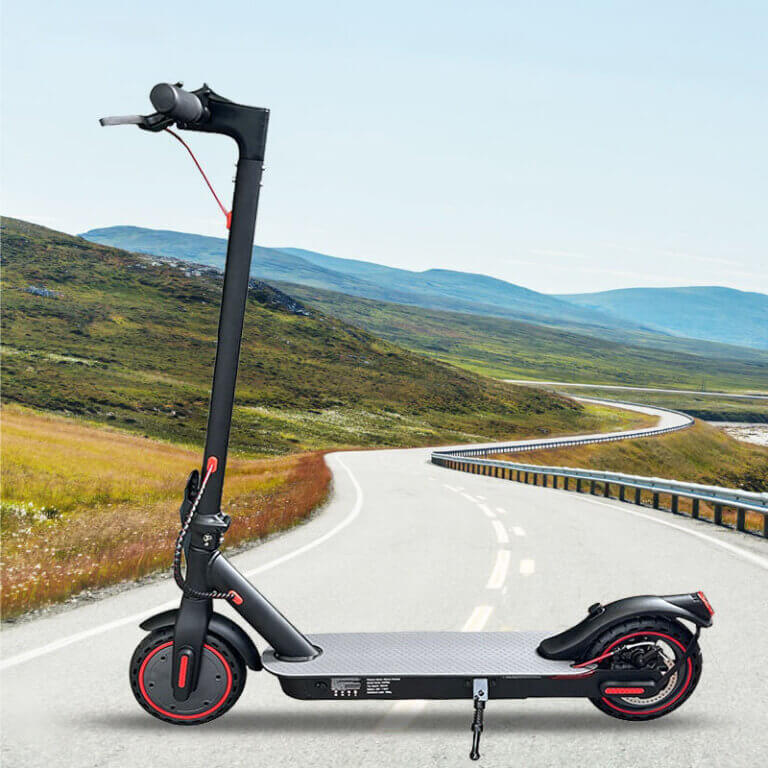
H1 berbicara tentang sebuah bingkai aluminium, ban yang kokoh tanpa perawatan, dan “keandalan dalam skala besar.”
Sorotan M365 paduan kelas pesawat terbang, opsi pengisian cepat, dan “kepatuhan global.”
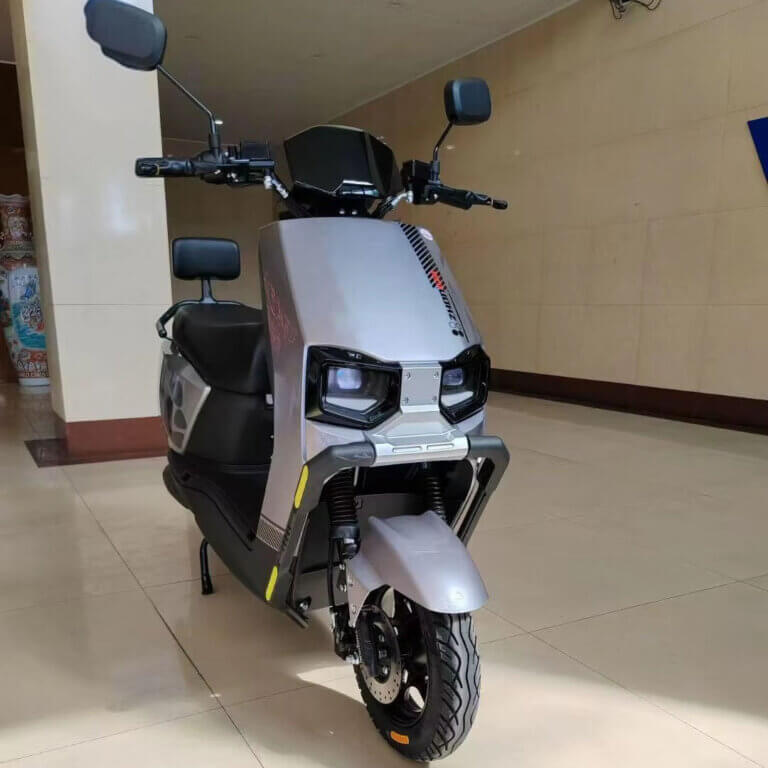
Dan model motor ganda 4000W berdaya tinggi secara eksplisit memposisikan “keamanan dan daya tahan” dengan rem cakram hidrolik dan “suspensi kelas sepeda motor” - itu adalah kisah ketahanan, bukan hanya kisah kecepatan.
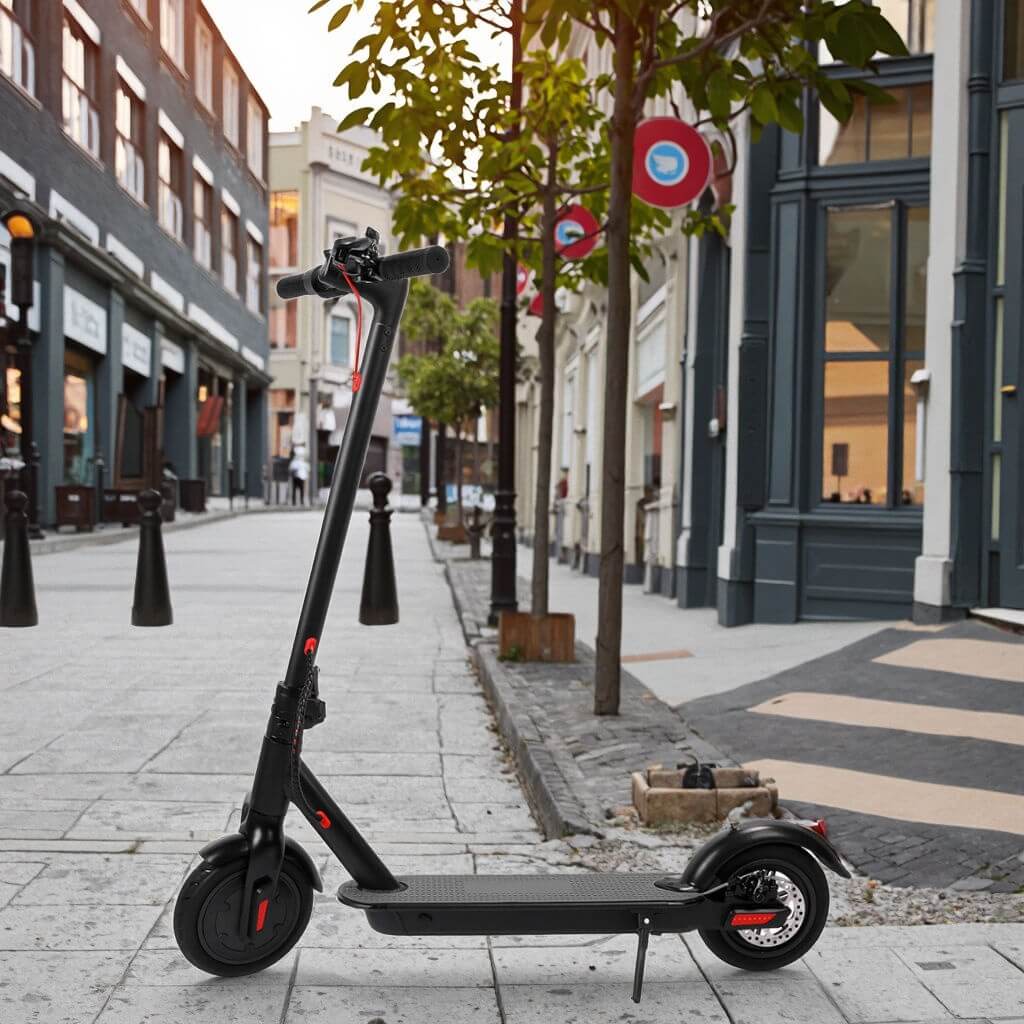
Inspeksi Pra-Pengiriman
Anda dapat membuat skuter yang layak dan tetap mengirimkan unit yang buruk. Itulah mengapa EZBKE membingkai pra-pengiriman bekerja sebagai sistem, bukan basa-basi.
Ketika pembeli mengatakan “uji daya tahan sebelum pengiriman,” apa yang sering mereka katakan benar-benar berarti adalah:
“Buktikan bahwa Anda dapat mengirimkan kualitas yang sama dua kali.” Itulah pengulangan.
Rencana pengambilan sampel AQL dan daftar periksa inspeksi pra-pengiriman
EZBKE menjabarkan dasar-dasar yang diharapkan pembeli grosir: Pengambilan sampel AQL, definisi cacat yang jelas (kritis/mayor/minor), dan langkah-langkah pra-pengiriman yang konsisten. Mereka juga menyebutkan pemeriksaan praktis seperti spesifikasi torsi/pengencang penandaan, pemeriksaan fungsional (cut-off rem, respons throttle, pencahayaan), dan konsistensi pengepakan (Kerusakan transit membunuh ulasan).
Dalam bahasa gaul pabrik, itulah disiplin OQC + PDI Anda. Dan secara langsung menyentuh rasa sakit pembeli:
- Lebih sedikit DOA pada saat kedatangan
- Lebih sedikit masalah “acak” di seluruh palet
- Lingkaran purna jual yang lebih bersih (paket suku cadang, penyortiran yang lebih cepat, lebih sedikit drama)
Jika Anda membeli untuk armada (penyewaan, pengiriman, kampus), hal ini lebih penting lagi. Satu batch dengan kontrol torsi yang ceroboh dapat berubah menjadi kegagalan penggulungan selama sebulan penuh. Tidak menyenangkan.
UL 2272 / UL 2271 untuk Amerika Utara (pembeli jalur NRTL yang sebenarnya digunakan)
Banyak “masalah daya tahan” yang sebenarnya adalah masalah keamanan/kepatuhan yang muncul sebagai pengembalian, penghapusan, atau pemblokiran pengadaan. Pos kepatuhan EZBKE menjelaskannya secara gamblang: Pembeli di Amerika Utara biasanya meminta UL 2272 (sistem) dan UL 2271 (paket baterai), dan mereka ingin memverifikasi cakupan + detail file/kontrol.
EZBKE juga menunjukkan jenis bahasa teknis yang diharapkan oleh pembeli yang serius (perlindungan BMS seperti OVP/UVP/OCP/OTP, label yang dapat dilacak, dan “buku pedoman” kepatuhan yang dapat diulang di seluruh model seperti H0/H1/GS1/M365/X3 dan Urban M G1).
Jadi, jika Anda menjual ke saluran AS/Kanada, ini bukan opsional “nice-to-have”. Ini adalah bagian dari paket orientasi Anda.
Keamanan & logistik baterai: Ringkasan Uji IEC 62133-2 + UN 38.3 (jangan kirimkan tanpa ringkasan tersebut)
Di sinilah kesepakatan mati dengan tenang.
Artikel OEM EZBKE mengatakan bahwa kepatuhan baterai menentukan apakah Anda dapat mengirim, dan memanggil UN 38.3 Ringkasan Tes sebagai dokumen yang harus disediakan oleh OEM yang serius untuk konfigurasi paket baterai yang tepat. Mereka bahkan menggambarkan risiko dunia nyata: Anda tidak “menunggu dokumen,” Anda menunggu masalah.
Pos kepatuhan juga memasangkan IEC 62133-2 dengan UN 38.3 Ringkasan Tes dan menekankan pencocokan dokumen dengan BOM baterai yang tepat (sel/BMS/enklosur) dan nilai kemasan yang dikirim-karena ketidakcocokan akan membuat kargo diparkir.
Hal ini lebih penting untuk SKU jarak jauh atau keluaran yang lebih tinggi-seperti Motor ganda 4000W unit, atau model komuter berkinerja seperti Urbanm G1-karena mitra pengiriman dan pembeli memeriksa paket dengan lebih teliti.
Referensi model yang dapat Anda tunjuk (kata kunci penting untuk pencarian)
EZBKE secara harfiah mencantumkan peta model yang dapat digunakan pembeli saat mencocokkan spesifikasi dengan skenario.
Inilah cara saya menerjemahkannya ke dalam bahasa pembeli (bukan bahasa pemasaran):
- Skuter listrik lipat H1 untuk orang dewasa untuk bepergian → armada perjalanan kantor/metro, mobilitas perusahaan, “grab-and-go” setiap hari.
- M365 skuter listrik cepat ringan untuk orang dewasa 20 mph → segmen komuter ritel klasik; beberapa opsi baterai, panggilan CE/FCC/ROHS.
- Skuter listrik GS1/GS1-Pro untuk orang dewasa bertubuh besar dengan berat hingga 400 pon → posisi pengendara yang lebih berat + sudut perkotaan/perkotaan; Anda akan lebih peduli dengan konsistensi rangka, rem, dan kontrol pengikat.
- Skuter lipat listrik jarak jauh X3 untuk orang dewasa → rute kampus, loop hotel, lintasan yang lebih panjang; fitur “pintar” + portabilitas.
- Skuter listrik Urbanm G1 dapat dilipat 40 mph → tingkat kinerja untuk penumpang/armada yang membutuhkan ruang kepala yang lebih besar; EZBKE memposisikannya untuk penumpang, armada pengiriman, atau layanan penyewaan.
- Skuter Tendangan Listrik Motor Ganda 4000W dengan Jangkauan 100 km → siklus tugas dengan permintaan tinggi dan tekanan tinggi; dokumen suspensi/rem/baterai sangat penting.
Tabel - Argumen, apa artinya, dan bukti Ezbke
Di bawah ini adalah tabel praktis “yang dihadapi pembeli” yang dapat Anda tempelkan ke dalam dek sumber atau dikirim ke bagian pengadaan. Saya menggunakan struktur EZBKE sendiri (argumen → makna → bukti) dan menambahkan kolom “bagaimana Anda memverifikasi” untuk pekerjaan operasional yang sebenarnya.
| Argumen (kata kunci) | Apa artinya di dunia nyata | Bagaimana Anda memverifikasi (operasi pembeli) | Sumber pada EZBKE |
|---|---|---|---|
| Daya tahan Skuter Tendangan Elektrik: apa yang sebenarnya gagal terlebih dahulu | Masalah engsel/batang/ujung depan muncul lebih awal; cegah goyangan dan keausan kait | Mintalah dokumentasi ketahanan mekanisme lipatan + pemeriksaan permainan batang di PDI | “Mengapa Skuter Lipat Ezbke Dibuat Untuk Bertahan Lebih Lama dari Pesaing” |
| Inspeksi Pra-Pengiriman | Output yang konsisten mengalahkan “satu sampel yang bagus” | Memerlukan rencana AQL, definisi cacat, penandaan torsi, pemeriksaan fungsional, pemeriksaan pengepakan | “Apa yang Membuat OEM Skuter Layak untuk Bermitra?” |
| UL 2272 / UL 2271 untuk Amerika Utara (pembeli jalur NRTL yang sebenarnya digunakan) | Lebih sedikit blok saluran; asuransi/pengadaan yang lebih lancar | Meminta info file/kontrol UL + pencocokan cakupan dengan model yang tepat | “Skuter Grosir yang Sesuai dengan UL / CE” |
| Keamanan & logistik baterai: Ringkasan Uji IEC 62133-2 + UN 38.3 | Kargo Anda benar-benar terkirim; lebih sedikit risiko terkait baterai | Cocokkan Ringkasan Uji UN 38.3 dan laporan IEC dengan BOM kemasan yang tepat | “Skuter Grosir yang Sesuai dengan UL / CE” + “Apa yang Membuat Skuter OEM...” |
| Skuter Tendangan Listrik pusat kategori (OEM / ODM, grosir, langsung dari pabrik) | Anda dapat menjalankan label pribadi tanpa harus mengulang dari awal | Konfirmasikan opsi OEM / ODM + klaim peringkat IP + posisi kepatuhan baterai | Kategori Skuter Tendangan Listrik |
| Produsen skuter listrik Urbanm G1 yang dapat dilipat 40 mph | SKU Kinerja yang masih membutuhkan disiplin kepatuhan | Perlakukan seperti “jangkar premium”: paket dokumen yang sama, QC yang lebih ketat | Halaman Urbanm G1 + pos kepatuhan |
Satu hal terakhir (ini adalah bagian yang dihormati pembeli)
Halaman kategori EZBKE benar-benar menjual janji: Daya tahan dengan peringkat IP54, Baterai bersertifikasi UL, grosir pabrik, dan opsi OEM / ODM. Skuter Tendangan Listrik
Tetapi tugas Anda sebagai pembeli adalah mengubah janji menjadi tanda terima: Lembar AQL, ringkasan pengujian, dan pos pemeriksaan.