


-
414 Block B, ZT Times Plaza, Wuhan, Hubei, Kína

Blog
Why Ezbke Is The Go-To Supplier For Sharing Startups
If you’re building a sharing startup, you don’t just need a scooter supplier. You need a fleet stack that can stay online, survive real street abuse, pass city checks, and still look clean enough for a rider app and a pitch deck. That’s the case EZBKE keeps making across its related pages: Hogyan támogatja az Ezbke a mikromobilitási startupokat?, Megosztási robogó megoldás a startupok számára, SaaS platform a robogóflotta-kezelés megosztásához, és Biztonsági előírások a városokban használt megosztott robogók üzemeltetésére vonatkozóan. Put together, those pages don’t sell “one scooter.” They sell a system. That matters because shared micromobility is already a real transport lane, not some tiny niche. NACTO reports that riders took 130 million shared micromobility trips in the U.S. and Canada in 2022. (ezbke.com)
Hogyan támogatja az Ezbke a mikromobilitási startupokat?
The strongest point on EZBKE’s site is simple: a startup isn’t buying hardware for fun. It’s trying to stand up a full operating model without wrecking its ops team or margin. EZBKE positions itself as a 15Y elektromos robogó gyártó üzem with ISO-based production, OEM/ODM capability, bulk wholesale support, and product categories that stretch from Electric Bike to Scooter megosztása. That mix gives startup buyers something they actually care about: fewer vendors, cleaner rollout planning, and less chaos between product, software, and after-sales. Urban M fits naturally into that story because it gives the fleet one visual language instead of a random mix of SKUs that look like they came from five different factories. (ezbke.com)
Megosztási robogó megoldás a startupok számára
Sharing Scooter üzleti modell: hardver + IoT + ops (az igazi verem)
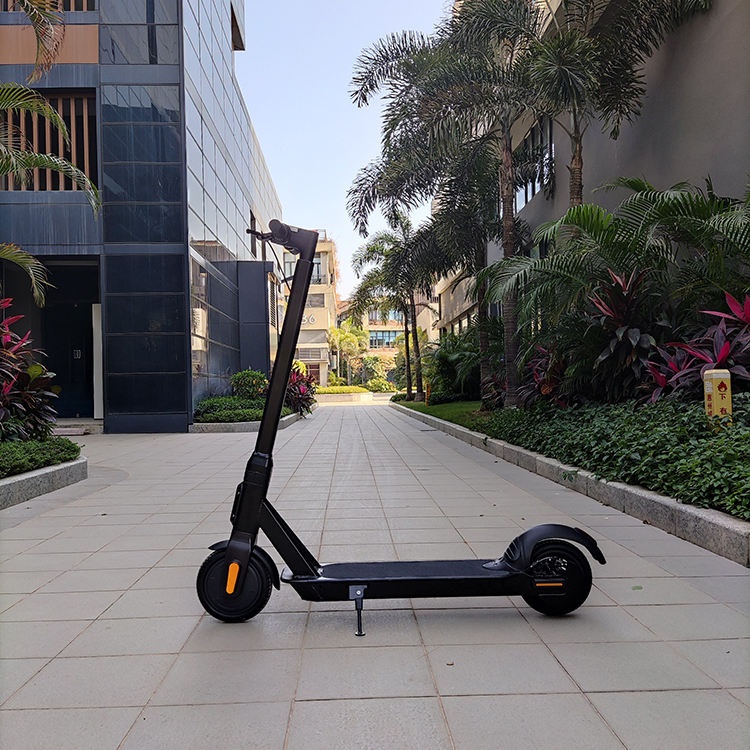
This is the article that says the quiet part out loud. A sharing business is not “buy scooters and make an app.” EZBKE breaks it into three layers: durable vehicles, connected IoT, and tight field operations. Miss one layer, and the whole thing gets ugly fast. You get dead units on the map, longer repair cycles, rider complaints, and city emails you really don’t want. That framing is strong because it lines up with how cities regulate the sector too. NACTO’s guidance covers vehicle rules, fleet rules, data rules, and parking rules, which means the real job is always bigger than the scooter itself. (ezbke.com)
Fő érvek (forrásokkal, amelyeket ajánlatában hivatkozhat)
| Konkrét érv | Miért számít ez a való világban | Érvforrás |
|---|---|---|
| A sharing startup needs hardver + IoT + üzemeltetés, not hardware alone | A pretty unit means nothing if lock control, geofence logic, swap runs, and field repair flow are weak | EZBKE: Megosztási robogó megoldás a startupok számára; NACTO shared micromobility guidance (ezbke.com) |
| IoT és GPS telematika robogómegosztáshoz (zárak, élő adatok, geofence) are basic infrastructure | Without live battery data, remote lock, and map visibility, pricing, rebalancing, and SLA control turn into guesswork | EZBKE: SaaS platform a robogóflotta-kezelés megosztásához (ezbke.com) |
| Geofencing, távoli zár, VIN és megfelelőség (nem tárgyalható) help fleets survive city review | Cities care about speed control, parking discipline, device traceability, and permit enforcement | EZBKE: SaaS platform a robogóflotta-kezelés megosztásához; POLIS; NACTO (ezbke.com) |
| White-label alkalmazás és OEM/ODM (márkajelzés, saját termék) shortens launch time | Startups can validate a city faster instead of burning months on maps, payments, and device drivers | EZBKE: Megosztási robogó megoldás a startupok számára és SaaS platform a robogóflotta-kezelés megosztásához (ezbke.com) |
| Adatmegosztás is not optional if you want long-term city trust | MITRE notes many city agreements still lack strong data-sharing requirements, which creates blind spots for oversight and incident review | EZBKE: Biztonsági előírások a városokban használt megosztott robogók üzemeltetésére vonatkozóan; MITRE (ezbke.com) |
Scooter megosztása
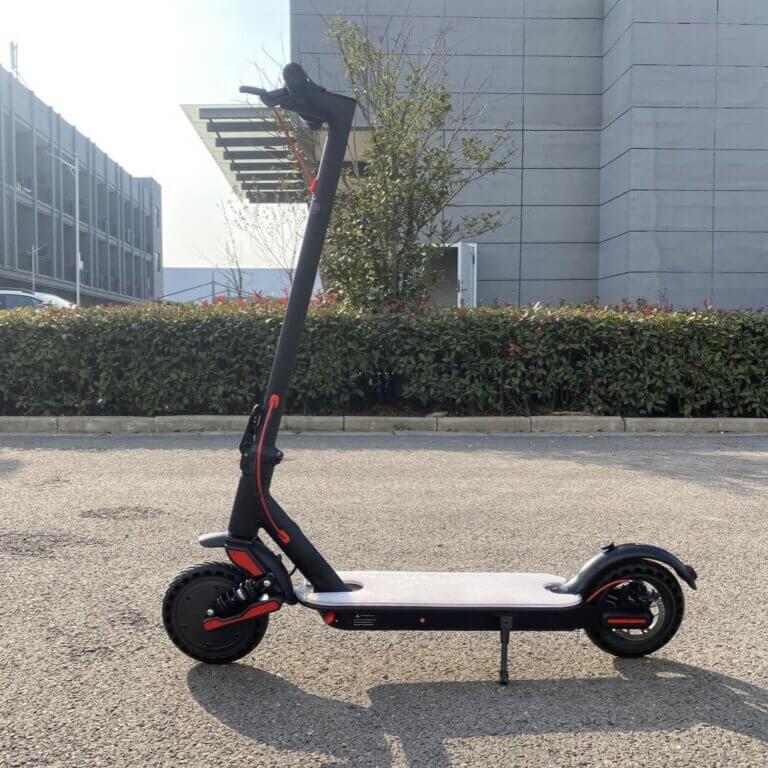
A Scooter megosztása category page works like a fleet-spec landing page. It frames the lineup as sharing-grade systems with commercial batteries, GPS/Bluetooth lock support, bulk OEM customization, and city compliance kits. That’s smart positioning because procurement teams and startup founders don’t really buy “cool.” They buy uptime, serviceability, and fewer headaches at permit time. In plain English: they want units that keep earning instead of sitting in a warehouse. (ezbke.com)
A legjobb összecsukható elektromos robogó az ingázás kerékpár nagykereskedő számára
A Super S page says it fits városi bérlés, egyetemi mobilitás és utolsó mérföldes logisztika. That’s a useful keyword set because those are real launch scenes, not vague marketing talk. The product page also leans on aircraft-grade aluminum, IPX7-rated components, solid tires, and container-friendly logistics. So the Super S makes sense when a startup wants a compact fleet unit for campuses, hotel zones, mixed commute programs, or dense downtown areas where space, repositioning, and building access all matter. Foldability isn’t just a nice spec here. It helps with storage, curbside handling, and ops flow. (ezbke.com)
FS Pro mobilitás elektromos motoros robogó felnőtteknek szállítója
A FS Pro reads like the workhorse of the lineup. EZBKE frames it as a low-maintenance model with airless tires, swappable batteries, 4G connectivity, and white-label readiness. That combo speaks directly to operator pain points: fewer flat-tire tickets, faster battery turns, and better live control over pricing and theft prevention. In a CBD, at a transit hub, or in another high-utilization corridor, that kind of setup is what keeps MTTR down and fleet availability up. It’s not flashy. It’s just built for grind, and that’s what sharing fleets usually need. (ezbke.com)
S1 összecsukható elektromos robogó felnőttek számára 300 font gyár
A S1 opens a different lane. EZBKE presents it as a fit for sharing fleets or bulk orders, with IP67 controller and battery protection, non-inflatable tires, foldability, and a heavier-rider friendly profile. That makes the S1 useful for inclusive fleets, resort programs, park loops, waterfront rentals, and campus scenes where one narrow rider profile can kill usage. A startup that wants broader adoption can use the S1 to avoid building a fleet that quietly excludes bigger riders or more demanding use cases. That’s a practical sales argument, and honestly, it’s one many suppliers skip. (ezbke.com)
Model fit for real rollout scenes
| Modell | Good rollout scene | Miért illik bele |
|---|---|---|
| Super S | Campus mobility, city rentals, last-mile logistics | Compact foldable format, IP-rated electronics, solid tires, and container-friendly shipping make it easy to deploy and reposition (ezbke.com) |
| FS Pro | CBD fleets, transit hubs, hard-use sharing zones | Airless tires, swappable batteries, 4G connectivity, and white-label readiness support higher daily utilization (ezbke.com) |
| S1 | Resorts, mixed-rider fleets, inclusive campus programs | Higher rider accommodation, foldable body, IP67 protection, and low-maintenance tire setup widen the usable audience (ezbke.com) |
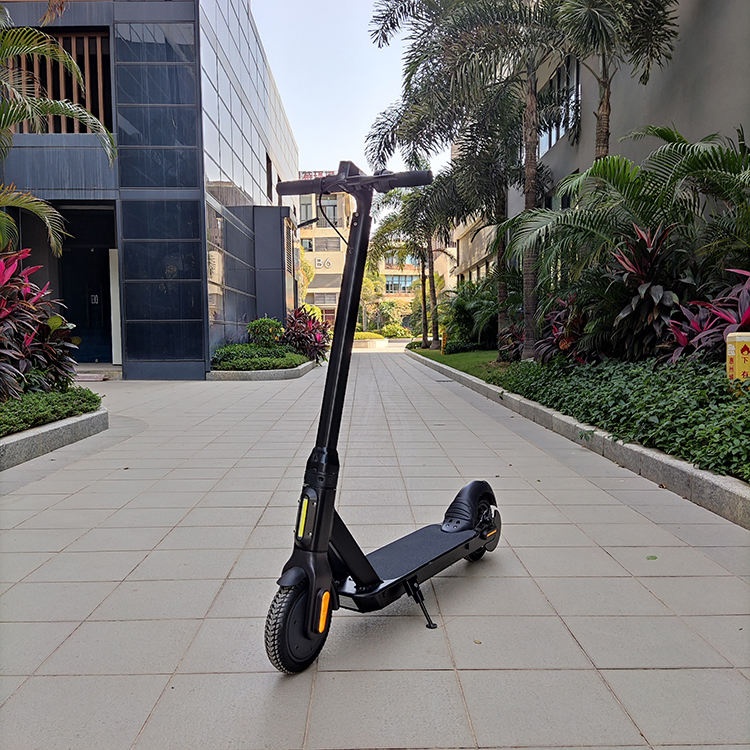
SaaS platform a robogóflotta-kezelés megosztásához
This section is where EZBKE’s pitch gets sharper. A lot of suppliers stop at the scooter. EZBKE pushes a SaaS-elsőségi bevezetés: start with telematics, zones, wallets, ops tooling, and API hooks, then scale city by city. That’s a much better fit for startups because it lowers launch friction. You don’t need to build every map rule and payment flow from zero before you test demand. You get on the road, learn, then tighten the system after real rides start coming in. (ezbke.com)
IoT és GPS telematika robogómegosztáshoz (zárak, élő adatok, geofence)
EZBKE says it plainly: your software is only as good as the data it sees. That line lands because it’s true. The IoT layer handles lock and unlock actions, streams battery level, pins vehicles on the map, and powers geofencing. Without that pipe, your team can’t manage dwell time, parking behavior, or field response with any confidence. And once a city asks for proof, vague dashboards won’t save you. (ezbke.com)
Geofencing, távoli zár, VIN és megfelelőség (nem tárgyalható)
This is also where the argument gets more professional. EZBKE’s compliance section lines up with what outside policy groups keep saying: permits can change, parking control has to be visible, and geofencing helps but isn’t magic. POLIS notes that operators often rely on geofencing for speed and parking rules, while also warning that GPS precision has limits in messy street conditions. NACTO and MITRE both point to data visibility as part of long-term program trust. So if a supplier can support remote lock, vehicle traceability, battery documents, and city-ready device logic, that supplier is solving a real business problem, not just adding brochure copy. (ezbke.com)
Cserélhető akkumulátorok, légmentes gumiabroncsok és MTTR (a kerekek keresése)
There’s also a simple ops truth here: revenue likes moving assets. EZBKE ties FS Pro to swappable batteries and airless tires for exactly that reason. A startup doesn’t win because it owns a fancy dashboard. It wins because its scooters stay in service. Less time fixing flats. Less time towing units. More time on the map. Not sexy, but real. (ezbke.com)
White-label alkalmazás és OEM/ODM (márkajelzés, saját termék)
The white-label angle matters more than people admit. Riders open an app, see the brand, judge the unlock flow, and decide in a few seconds whether the service feels reliable. EZBKE ties OEM/ODM hardware to a branded front end with pricing rules, KYC, CRM hooks, and OTA support, while Urban M keeps the product language consistent across the fleet. For a startup, that means one brand face to the rider and one cleaner supply chain behind the scenes. That’s a solid commercial story. (ezbke.com)
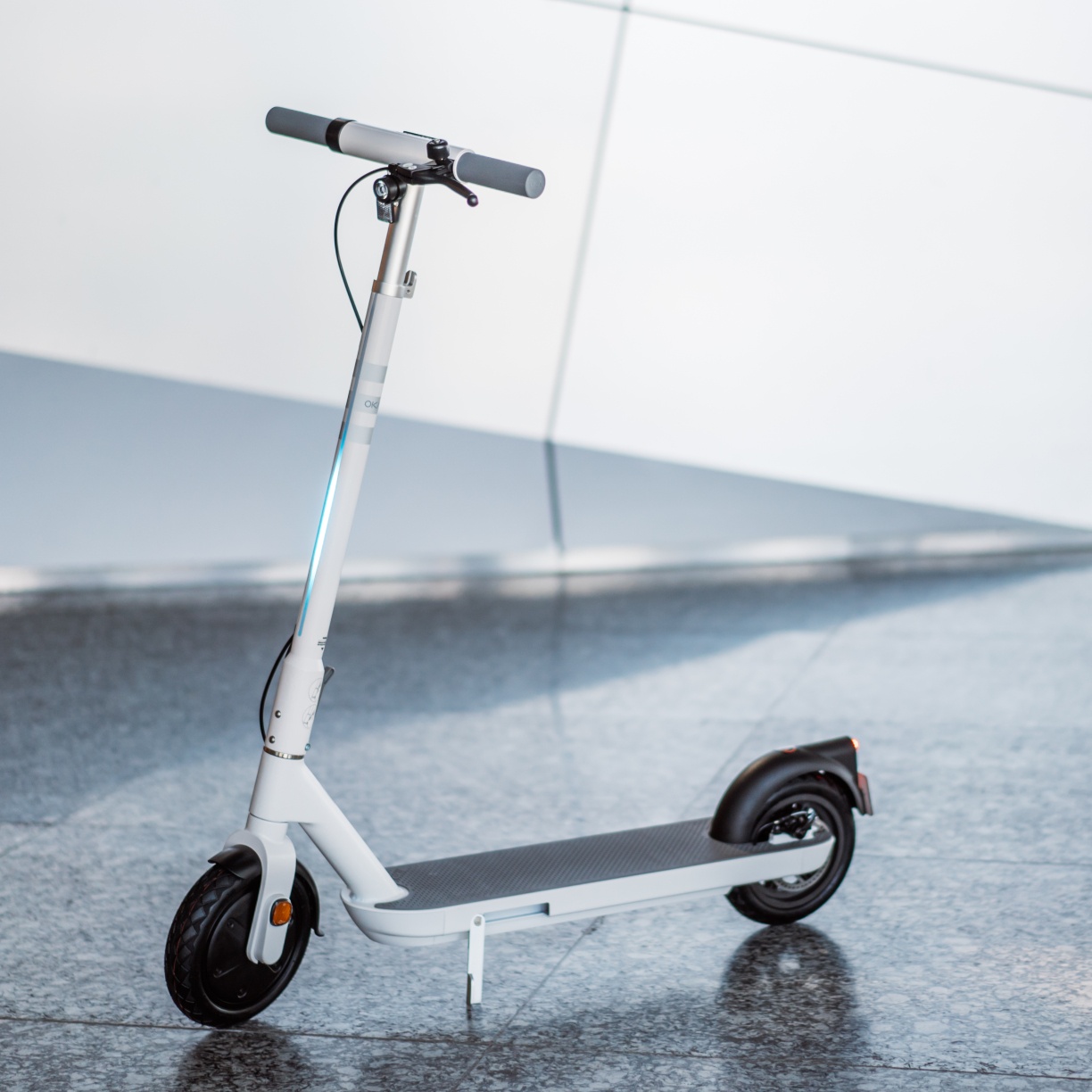
Biztonsági előírások a városokban használt megosztott robogók üzemeltetésére vonatkozóan
The last reason EZBKE can credibly call itself a go-to supplier is this: it doesn’t talk about sharing like a toy business. It talks about permits, speed caps, geofencing, parking compliance, and data sharing. That’s exactly how cities talk. EZBKE’s own compliance article lists the big issues clearly, and those points match NACTO, POLIS, and MITRE. So the brand story is not just “we make scooters.” It’s “we understand what keeps a fleet alive after launch.” And that, for a sharing startup, is the whole game. (ezbke.com)
15Y elektromos robogó gyártó üzem
At the end of the day, EZBKE’s edge is not one single feature. It’s the stack: factory depth, ISO-style QA, OEM/ODM flexibility, a real Scooter megosztása lineup, SaaS logic, and city-facing compliance language. The homepage backs that up with production and R&D positioning, while the product and blog pages connect that manufacturing base to actual rollout scenes like campuses, rentals, tourism, transit hubs, and mixed-use programs. That’s why the “go-to supplier” claim works. EZBKE and Urban M are not selling only units. They’re selling a cleaner way for sharing startups to launch, survive, and scale. (ezbke.com)