


-
414 Block B, ZT Times Plaza, Wuhan, Hubei, Kína

Blog
Hogyan indítson el egy privát megosztási hálózatot a kampuszok számára?
If you strip away the fancy wording, the title “How To Launch a Private Sharing Network For Campuses” is really asking one thing: how do you make a closed campus network useful fast, trusted fast, and operationally stable fast. That’s the whole job. And the related research is pretty clear on this. Campus networks don’t fail because students hate sharing. They fail because supply is thin, trust is weak, and the ops layer is sloppy. On a real campus, that means dead scooters, bad parking, slow unlocks, random access, and admins getting annoyed real quick. (ijfmr.com)
For EZBKE, this matters because your Scooter megosztása line already sits inside the right use case: campus mobility, last-mile movement, private fleet control, OEM/ODM rollout, and bulk supply. Your site is not selling a toy. It’s selling a deployable micromobility stack, and that is a much stronger commercial story for fleet buyers, distributors, and campus operators. (ezbke.com)
Core arguments
| Kulcsszó | Konkrét érv | Why it matters on campus | EZBKE fit | Forrás |
|---|---|---|---|---|
| Hyperlocal Trust Deficit | A campus network must solve trust and market thickness at the same time | Students won’t use a closed network if supply is weak or the users feel sketchy | Sharing-grade hardware + closed fleet ops helps both sides | S1 |
| Market thickness | Start with one dense user cluster, not a broad rollout | One dorm zone, one faculty block, one admin loop beats a messy campus-wide launch | Good for phased fleet deployment | S3, S4 |
| University email (.edu) verification system | Closed access builds trust faster than open access | Private campus fleets work better with school ID, KYC, or approved rider groups | SaaS + app controls can mirror this logic | S1, S5 |
| Trust and Reputation Mechanisms | Reviews, ratings, and visible accountability reduce stranger risk | In mobility, trust also means the scooter unlocks, parks right, and shows correct location | 4G/GPS, lock module, telemetry, OTA | S2, S5, S8 |
| Kampusz mobilitás | Campus trips are short, repeated, and time-sensitive | That makes scooters a strong fit for dorm-to-class, lab hops, staff errands | Super S is already pitched for campus mobility | S6, S7 |
| Scooter megosztása | Fleet hardware must be built for abuse, uptime, and compliance | Consumer models die fast in fleet duty, no joke | EZBKE positions sharing scooters as IP-rated, commercial-battery, lock-equipped | S5 |
| Intelligens csatlakoztathatóság | Lock/unlock speed and live location are part of rider UX | If the app says 3 meters and the scooter is 30 meters away, trust drops hard | 4G Cat-M1 + multi-constellation GPS supports better ops | S8 |
| Biztonsági előírások a városokban használt megosztott robogók üzemeltetésére vonatkozóan | Ops discipline matters as much as the hardware | Campus buyers worry about speed caps, parking chaos, audit trails, support response | OEM/ODM plus supplier documentation helps procurement | S8, S9 |
Source key:
S1 = Connect Sphere: A Cost-Free, Peer-to-Peer Student Marketplace for Hyperlocal University Communities (ijfmr.com)
S2 = Designing Online Marketplaces: Trust and Reputation Mechanisms (hbs.edu)
S3 = Andrew Chen on the cold-start problem for social products (andrewchen.com)
S4 = NFX on network density and the “white-hot center” (nfx.com)
S5 = EZBKE Sharing Scooter + SaaS fleet management pages (ezbke.com)
S6 = EZBKE Super S, FS Pro, and S1 product pages (ezbke.com)
S7 = EZBKE A legjobb elektromos robogók a főiskolai kampuszok számára (ezbke.com)
S8 = EZBKE 4G/GPS module + safety compliance posts (ezbke.com)
S9 = Urban M positioning inside the EZBKE ecosystem (ezbke.com)
Hyperlocal Trust Deficit
This is the best phrase from the research, and honestly, it nails the problem. A campus is a tight geography, but it still has stranger friction. Students need the network to feel local, safe, and alive. The Connect Sphere paper says the gap comes from two things happening at once: the platform lacks market thickness, and it also lacks bizalom. That maps almost perfectly to campus sharing fleets. If there aren’t enough vehicles in the right places, riders bounce. If riders don’t trust availability, speed limits, or user control, they bounce too. (ijfmr.com)
Market thickness
A lot of operators launch too wide. Bad move. The better play is a dense pilot: dorms to lecture halls, library to admin block, or transit gate to central quad. Andrew Chen argues that social products need a small-to-medium network of highly engaged users before scale works, and NFX says the strongest network effects show up in the white-hot center, not across the whole map. Same logic here. A campus fleet gets traction when riders keep seeing scooters where they actually need them. That’s liquidity, just in physical form. (andrewchen.com)
University email (.edu) verification system
The paper uses .edu verification to create a high-trust closed ecosystem. For scooter fleets, the direct translation is simple: approved rider pools, student or staff onboarding, KYC where needed, and private access rules by zone or user type. So yeah, the network is “private” not because it looks exclusive on a slide deck, but because access control cuts abuse, improves parking behavior, and makes support less chaotic. That part matter more than many buyers think. (ijfmr.com)
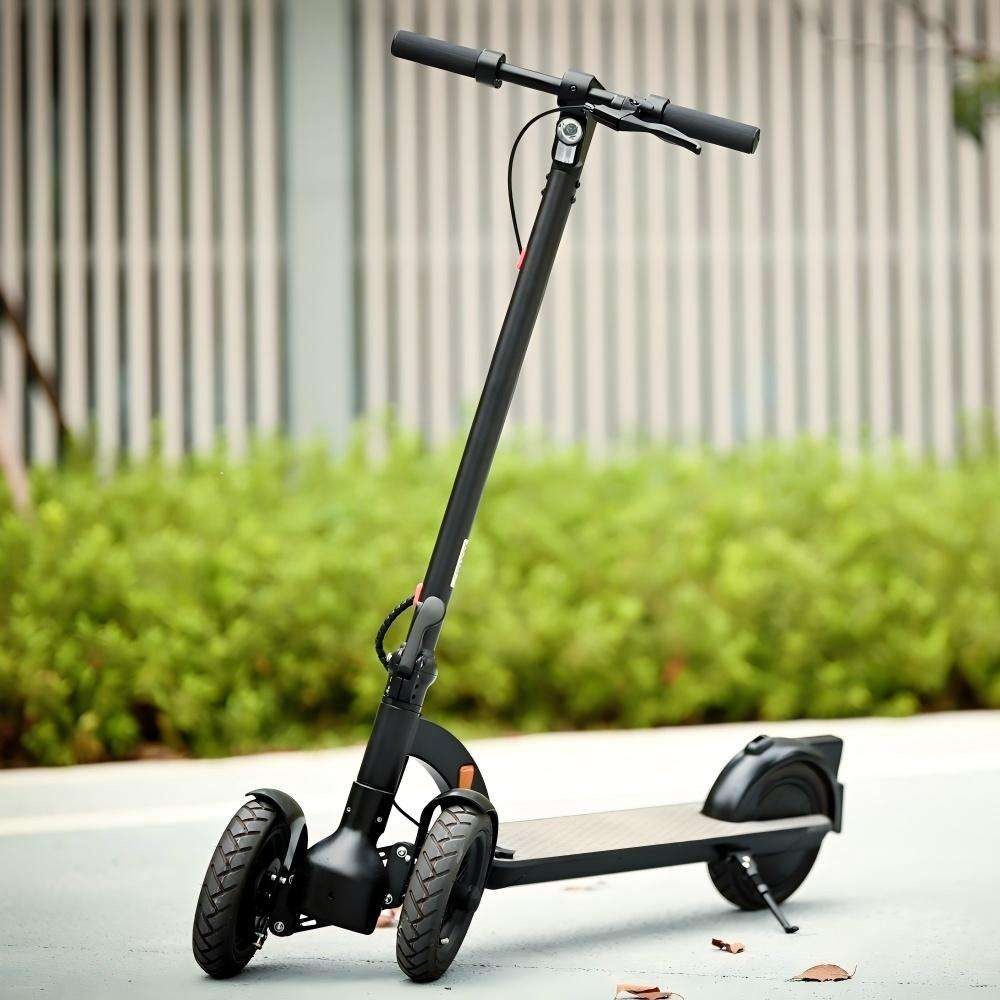
Kampusz mobilitás
EZBKE’s own campus page gets the use case right: campus trips are quick, compact, and low-ops, but only if the fleet respects policy around speed, parking, batteries, and rider training. That means campus mobility is not only a product category. It’s an operating scene. Students want fast point-to-point movement. Admins want less mess. Procurement teams want reliable supply, batch consistency, and fewer support tickets. (ezbke.com)
Scooter megosztása
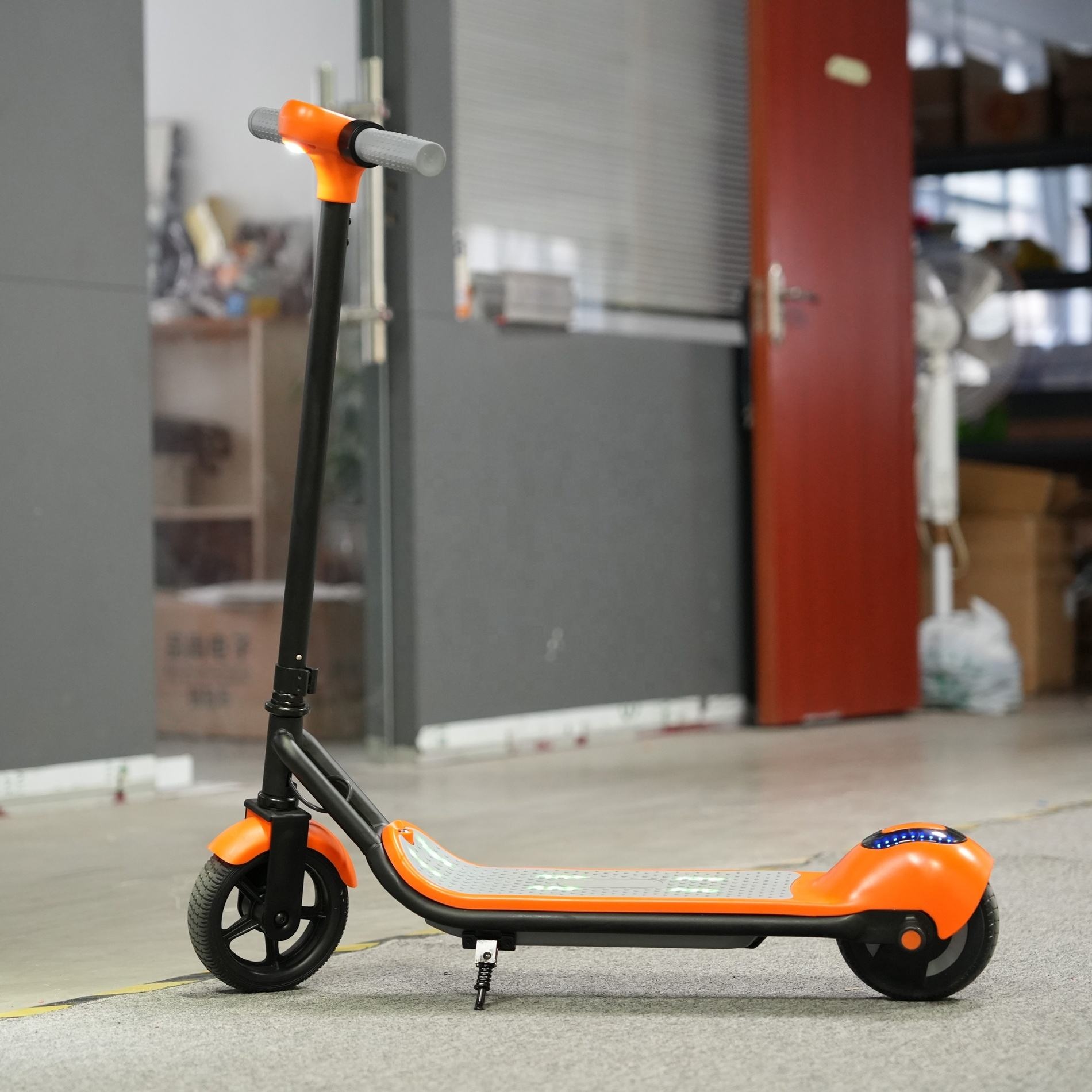
This is where your site gets commercially sharp. The Scooter megosztása category is positioned as sharing-spec, with IP-rated protection, commercial batteries, GPS/Bluetooth lock capability, and OEM customization for branding, payment terminals, and compliance kits. That framing is correct for B2B buyers. A private campus network doesn’t need consumer-grade shine. It needs uptime, anti-abuse parts, and service logic. In fleet talk, that means fewer dead units, faster MTTR, and cleaner unit economics. (ezbke.com)
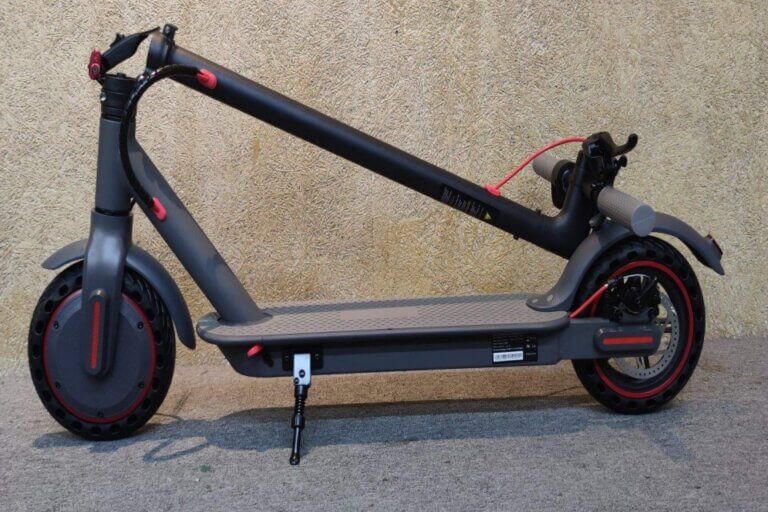
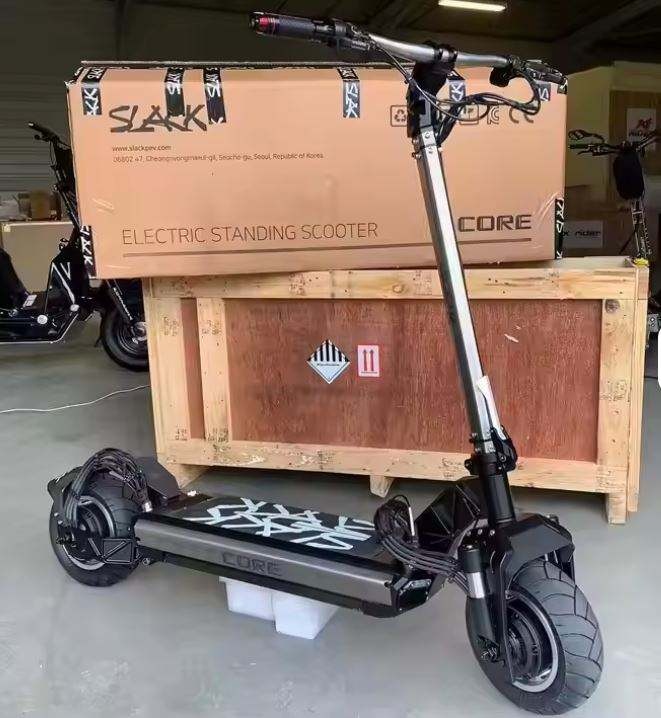
In actual campus use, the model mix can stay simple. Super S fits dense campus mobility and last-mile movement. FS Pro works well when the buyer wants a low-maintenance workhorse, thanks to airless tires and dual battery options. S1 helps with inclusive fleets because it is built for sharing fleets, supports heavier riders, and adds IP67-rated controller and battery protection with non-inflatable tires. That gives operators a cleaner segmentation story instead of one scooter trying to do every job badly. (ezbke.com)
Trust and Reputation Mechanisms
The Harvard paper makes a basic point that still hits: online marketplaces work when strangers have enough trust to transact, and review systems sit at the center of that design. For a campus sharing fleet, “trust and reputation mechanisms” go beyond rider reviews. They show up in lock reliability, fault visibility, parking compliance, and whether the app is telling the truth. If riders can’t find the scooter, can’t unlock it smooth, or keep seeing broken units, the reputation of the fleet tanks fast. (hbs.edu)
Intelligens csatlakoztathatóság
EZBKE’s 4G/GPS material gives this argument a practical edge. The site says 4G Cat-M1 improves lock/unlock response and ride start, while multi-constellation positioning improves geofence accuracy and battery-swap tracking. That is not just tech fluff. On a campus, better connectivity means fewer ghost vehicles on the map, fewer abandoned support chats, and better rider confidence. Urban M fits here naturally too. Your own positioning says aesthetics help adoption. That’s true. Students do judge hardware in the first five seconds, even if the ops team pretends they don’t. (ezbke.com)
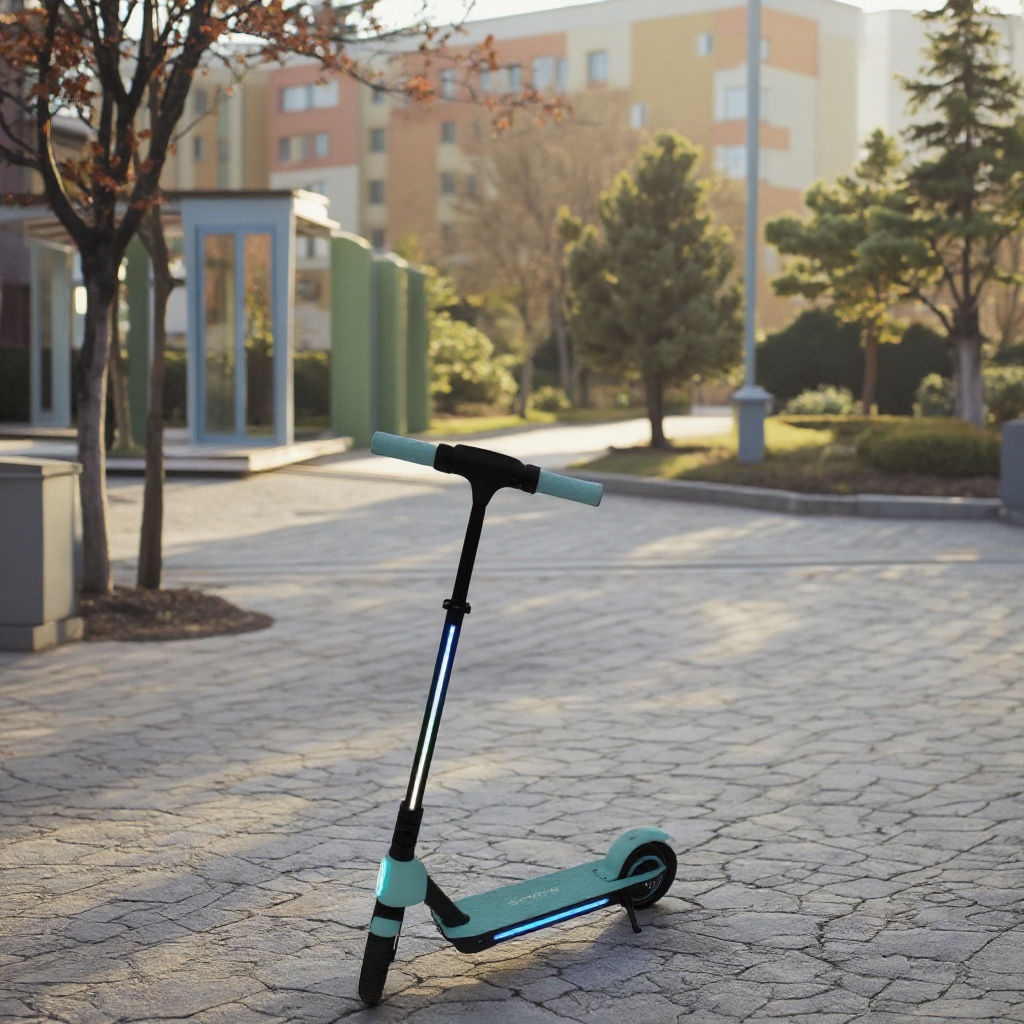
Biztonsági előírások a városokban használt megosztott robogók üzemeltetésére vonatkozóan
This keyword comes from your own blog, and it matters for campuses too. The safety post makes the procurement-side argument very plain: permits, speed caps, geofencing, parking discipline, data sharing, and traceability are what keep programs alive. Swap “city” for “campus admin office” and the logic barely changes. Nobody wants a fleet that creates sidewalk clutter, battery complaints, or support black holes. A private sharing network survives when the operator sells a rendszer, not just a scooter. (ezbke.com)
OEM/ODM testreszabás
This is the commercial close. EZBKE presents itself as a wholesale OEM/ODM manufacturer with ISO-certified procedures, product customization, and global supply capability. For campus operators, distributors, and regional wholesalers, that matters because the winning offer is usually a tailored package: branding, fleet trim, lock module, app layer, compliance docs, spare-part planning, maybe even different rider profiles by campus type. That’s where a supplier stops being a box mover and starts becoming part of the rollout stack. (ezbke.com)
So the real takeaway is pretty simple. A private sharing network for campuses is not launched by dumping units on a map and praying. It starts with a dense service zone, closed-user trust, sharing-grade hardware, stable connectivity, and rules that admins can live with. And for a brand positioned around campus mobility, Sharing Scooter fleets, OEM/ODM, and Urban M styling, that story is already there. It just needs to be said more bluntly, and a bit more like the real world. (ijfmr.com)