


-
414 Block B, ZT Times Plaza, Wuhan, Hubei, China

Blog
How to Position a Shared Scooter Business for Investment
Sharing Scooter business model: hardware + IoT + ops (the real stack)
Investors don’t fund “scooters.” They fund a system that stays online, follows city rules, and scales without your ops team burning out. Your own framework nails it: Hardware + IoT + Ops.
Here’s the simple way to say it in a meeting: if you only have hardware, you’re a retailer. If you have hardware + IoT, you’re a gadget company. When you have hardware + IoT + ops, you’re a mobility operator with defendable execution.
Hardware (sharing-grade, not “weekend toy”)
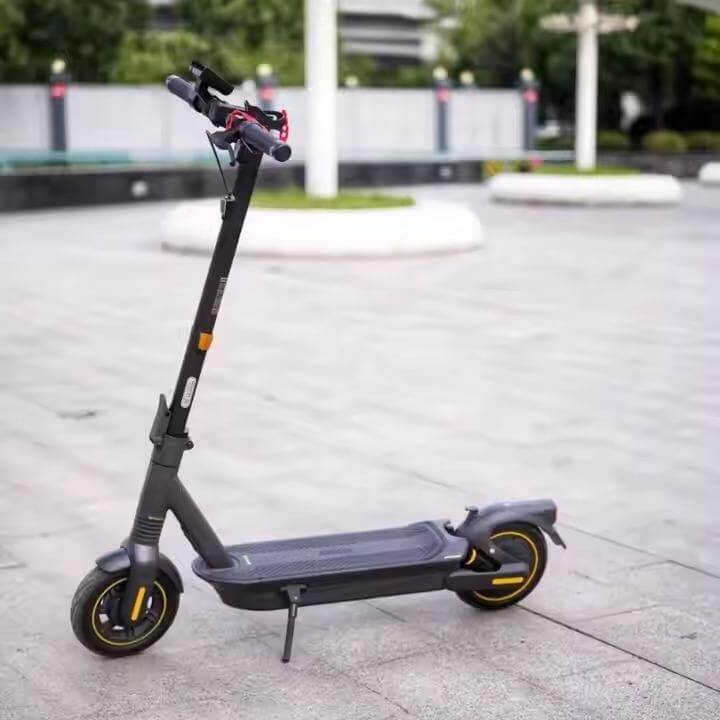
Use specs that scream uptime: weather sealing, anti-tamper, solid/airless tires, and frames that don’t die on curbs. Your “easy to service” content frames this as a stack design choice, not one fancy feature.
IoT (the part cities + investors actually care about)
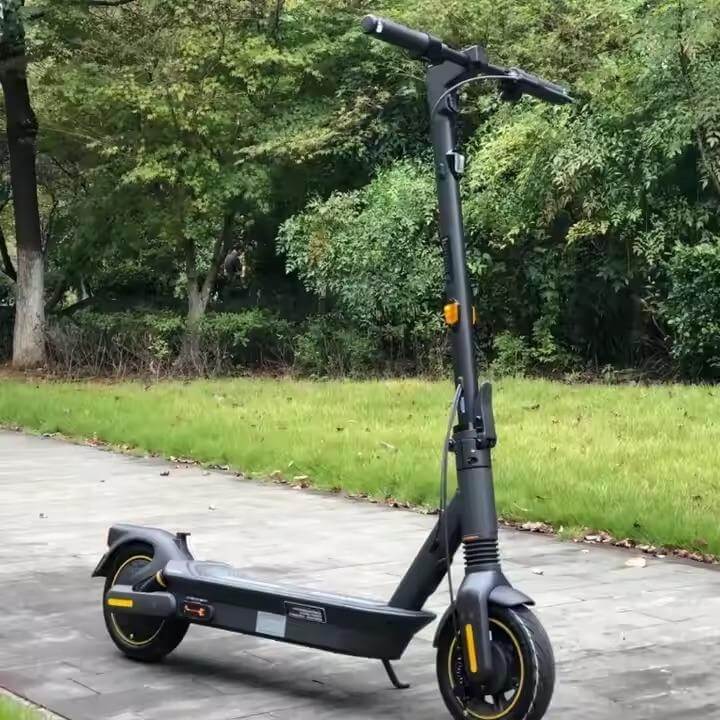
When a fleet has GNSS/GPS, BLE, eSIM/4G, remote lock/unlock, OTA firmware, and geofencing, you can prove control—over safety zones, parking, theft, and audits. That’s not “nice.” That’s permission to operate.
Ops (the part that saves you from chaos)
Ops is where the “truck rolls,” MTTR, battery swap routes, and field repair tickets live. Your unit-economics lever table already talks like an operator (good).
Operational levers for unit economics (no exact numbers, just levers)
If you want to sound investable, stop talking only about “growth.” Talk about levers and signals—because that’s how investors score risk.
| Lever (what investors probe) | What you do (ops reality) | Signal it’s working | Source |
|---|---|---|---|
| Vehicle lifetime | Sharing-grade frames + waterproofing + anti-tamper IoT | Fewer roadside rescues; depot backlog shrinks | EZBKE ops levers table |
| Utilization | Heatmap rebalancing + commuter corridors + time windows | More rides per vehicle in peak periods | EZBKE ops levers table |
| Swap efficiency | Batch swaps + route clustering + shelf charging | Shorter swap cycle; fewer “dead at 8am” units | EZBKE ops levers table |
| Parking discipline | Lock-to + corrals + end-ride photo checks | Lower complaints; smoother renewals | EZBKE ops levers table |
| Data & city reporting | Automated feeds + monthly scorecards | Less friction with regulators | EZBKE ops levers table |
Small note: this table is gold because it avoids cost math, but still shows operator thinking. Keep it.
Sharing Scooter program: permit-first, pilot-later
Cities don’t “let you try.” They let you prove control. Your own post says it blunt: permit-first, pilot-later.
If you’re pitching, translate that into a plan:
- Start with one micro-market (campus + two transit stops beats “whole city”)
- Write SOPs for parking, rebalancing, retrieval times, and damage response (this is where most fleets faceplant)
- Use geofences + operations zones to prevent device clutter and sidewalk rage
Santa Monica’s current operator selection doc literally calls out device clutter, geofences, and operations zones as core expectations. So yeah—this is not optional homework.
Mobility Data Specification (MDS)
If you want institutional money (or even serious angels), show that you understand how cities manage fleets now.
MDS exists to standardize data-sharing between cities and private mobility providers (like e-scooter operators).
That means your “investment positioning” should include:
- Your MDS readiness (or your partner stack readiness)
- Your privacy posture (data minimization, de-identification, retention rules)
- Your compliance workflow (who owns it, how fast you respond, how you audit)
And yes, privacy is a live issue. Cities ask about data privacy and retention directly in procurement and scoring.
Low-Maintenance Sharing Scooter
Here’s the uncomfortable truth: investors love revenue, but they hate downtime. A shared scooter business bleeds when half the map turns gray.
Your “Low-Maintenance Sharing Scooter” post says it in ops language: less wrench time, more ride time, with concrete expectations like IP sealing, GPS/Bluetooth locks, puncture-resistant tires, swappable packs, OTA, and fault codes.
If you want a clean “proof layer,” point to actual fleet-ready models:
- FS Pro: built around airless tires, swappable battery options, 4G connectivity, and white-label readiness (this is exactly what an operator wants for theft prevention + remote diagnostics).
- S1: IP67 controller/battery, non-inflatable tires, EABS + drum brake, and logistics-friendly container loading (ops people care about this stuff more than they admit).
- Super S: positioned for city rentals/campus/last-mile, with 4G IoT, GPS + BLE smart lock, swappable battery, and fleet dashboard compatibility.
Fleet Scalability
You don’t feel scaling pain at 20 units. You feel it when you hit 200 and your ops inbox turns into a horror movie (your words are basically that).
So in an investment story, “scalability” must mean:
- Standardized parts + repair workflow (fewer weird SKUs)
- Predictable MTTR
- Battery swap playbooks
- Remote diagnostics so techs don’t chase ghosts all day
And this is where you can name-drop Urban M naturally: it’s the “city-project” flavor—hardware + ops discipline built for municipal reality, not showroom gloss.
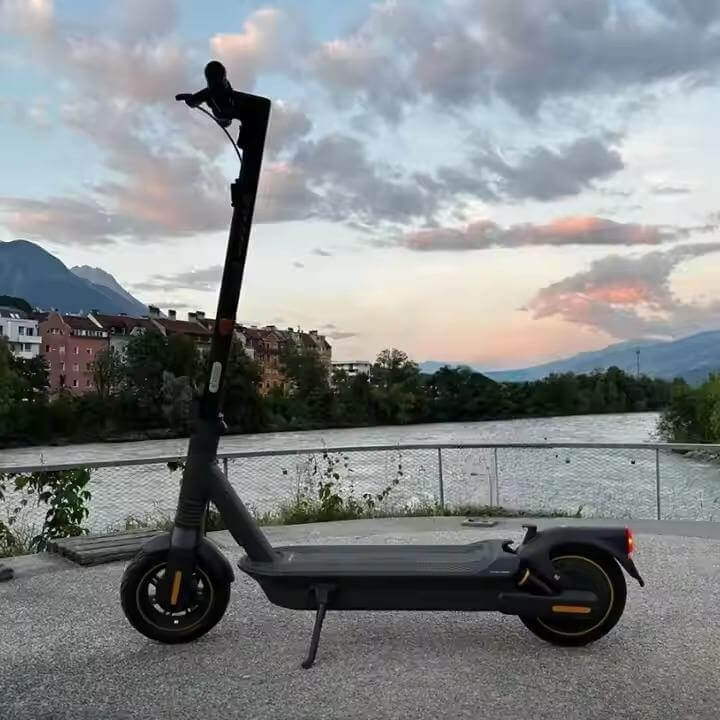
OEM/ODM & Wholesale
If your audience includes wholesalers, integrators, and operators, you can’t skip the supplier story. Your homepage pushes clear positioning: 15-year electric scooter manufacturer plant, ISO 9001 quality system, and OEM/ODM customization for bulk buyers.
That matters for investment because supply risk kills deals. When you can say:
- multi-stage quality inspections,
- ISO-aligned processes,
- OEM/ODM support,
- export experience,
you reduce “execution discount” in the investor’s head.
The investor-ready story you can tell (without sounding fake)
If you want one tight thesis, use this:
“We’re building a Sharing Scooter business that cities can permit and users can trust, because we treat it like a stack: sharing-grade hardware, IoT control, and an ops playbook. We don’t sell scooters—we run uptime.”
Keep it a bit imperfect in delivery. Real founders don’t sound like brochures. Also… dont overpromise the city relationship. Just show your controls, your workflows, and your fleet-ready hardware, then let the proof do the talking.