


-
414 Block B, ZT Times Plaza, Wuhan, Hubei, China

Blog
How To Market Kick Scooters To Micro-Mobility Startups
The Different Types of Micromobility Business Models
Micro-mobility startups don’t all sell the same thing. Some run B2C free-floating. Others do B2B fleets for campuses, corporate parks, hotels, or delivery hubs. MOVMI calls out how B2B often gets added to drive utilization during quiet hours, and how corporate fleets show up as a real lane.
So your first “marketing” job is segmentation (yeah boring, but it prints money):
- City operator: cares about permits, data reporting, parking compliance, and public sentiment.
- Campus/enterprise operator: cares about speed caps, storage rules, and low support tickets.
- Retail + distributor: cares about SKU ladder, branding, and after-sale simplicity.
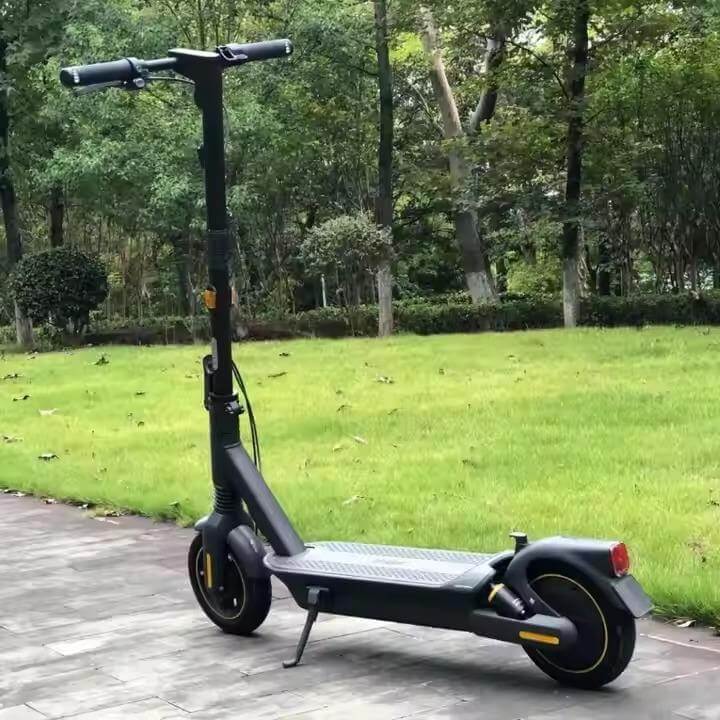
This is why a product lineup that supports multiple deployment scenes matters, not just one spec sheet. EZBKE’s Electric Kick Scooter category literally positions itself as wholesale + custom branding/OEM/ODM with an “industrial” frame story, plus IP rating and battery certification language. Electric Kick Scooter
Seven Key Questions About Shared Mobility Tenders
If your customer touches a city permit, you’re in “tender world.” Cities use tenders to set goals (parking, inclusivity, ops zones, CO₂ impact) and they can require operators to provide data to prove outcomes.
Reduce the number of operators.
This line matters because it changes the whole sales pitch. When cities reduce operator slots, the startup’s question becomes:
“Will your scooters help me win the tender and keep the license?”
So your marketing assets shouldn’t be only lifestyle photos. Add:
- a compliance pack (parking plan, speed-mode policy, safety lighting, anti-tamper options)
- a data-ready story (hardware supports fleet telemetry / smart features)
- a maintenance playbook (spares, easy swap parts, predictable service loops)
It’s not fancy. But it matches how tenders get scored.
Total Cost of Ownership (TCO)
Operators don’t buy “cheap.” They buy predictable.
Zag Daily defines TCO as purchase + operating + repair/maintenance + end-of-life handling across the service lifecycle.
That’s why your pitch should sound like ops talk:
- “How fast can we fix a unit?” (MTTR thinking)
- “How many parts are shared across the fleet?”
- “Do tires go flat every week or never?”
- “Can we keep scooters rolling with a small tech team?”
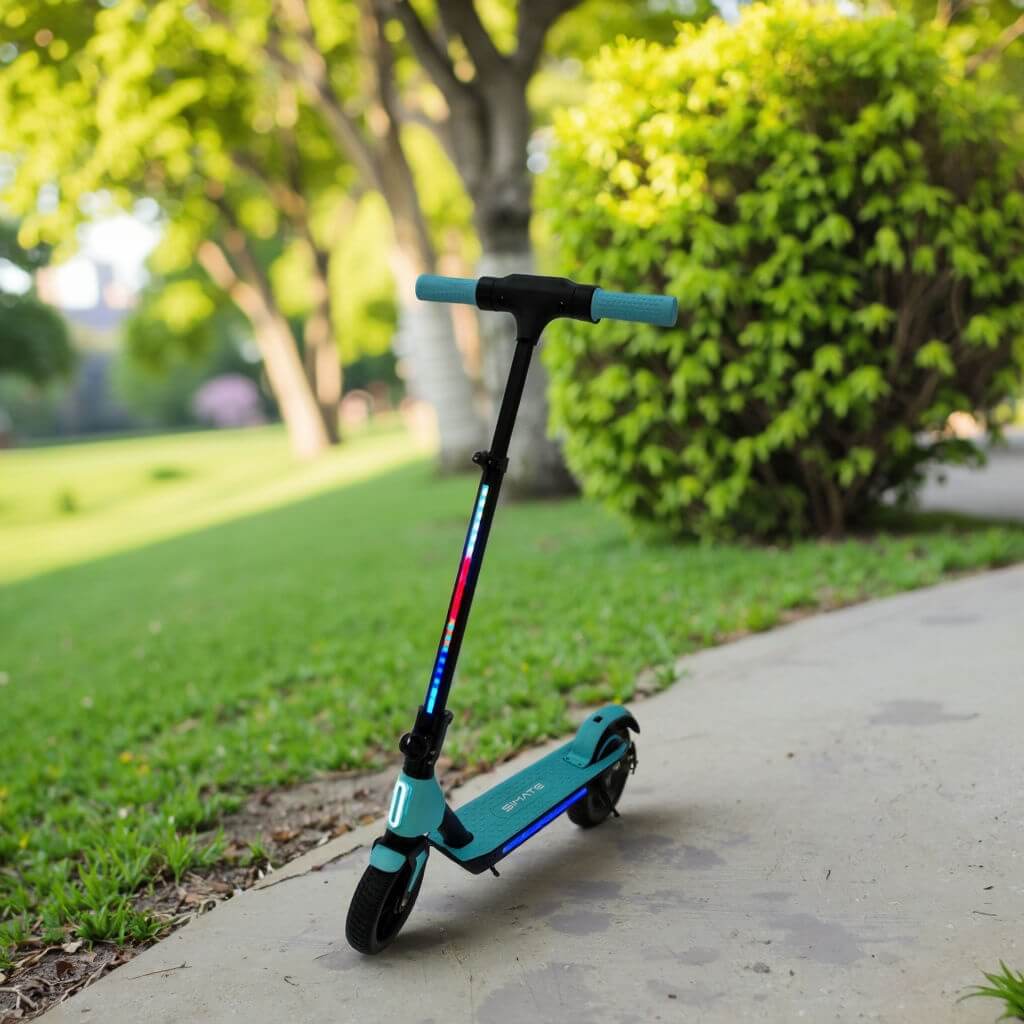
Notice how EZBKE product pages keep repeating fleet-friendly stuff like solid tires, braking systems, durability, and customization for bulk orders. For example, Urbanm G1 leans hard on solid tires and durable frame to reduce after-sale headaches.
And the 4000W Dual Motor model makes the “fleet use” claim straight up, plus swappable battery and hydraulic brakes—this is operator language, not hobby language.
Sophisticated pricing
McKinsey describes the common pricing structure as an unlock fee + per-minute usage fee, with experiments like packages and no-unlock models to gain share or retain riders.
Why should you care as a scooter supplier?
Because pricing pressure flows backward into hardware needs:
- If the operator sells short trips, they need fast turnaround and fewer breakdowns.
- If they sell passes, they need consistent availability (nothing kills retention like “no scooters nearby”).
So your marketing should connect features to revenue drivers, without doing exact math:
- solid tires → fewer roadside rescues
- strong brakes + lights → fewer incident tickets and angry emails
- swappable battery (when available) → less downtime between shifts
Build your online presence, one click at a time
Joyride’s micromobility marketing advice starts super plain: build a clean online presence, use the right channels, and make it easy for riders (or partners) to trust you.
For B2B scooter selling, this translates to:
- operator-ready landing pages (fleet scenarios, compliance notes, service story)
- proof assets (certifications, durability claims, real deployment pics)
- clear funnels (bulk inquiry, OEM/ODM options, lead time expectations)
EZBKE already leans into this positioning: wholesale, OEM/ODM, worldwide shipping, “industrial frames,” and certification wording on the Electric Kick Scooter category page.
That’s the right direction—just keep the copy written for founders who think in ops, not vibes.
Argument map (what to say, and where it comes from)
| Argument title (operator-style) | What you say in plain English | EZBKE angle (examples) | Source |
|---|---|---|---|
| Segment by deployment scene | “Tell me your city / campus / delivery use. I’ll spec the right fleet tier.” | Category is built as a lineup, not one model | MOVMI business models |
| Compliance is part of the product | “We help you show a city you’re controllable.” | IP rating + certified battery language on category page | INVERS tenders + data goals |
| TCO beats unit price | “Less downtime, less random failures, easier repairs.” | Solid tires / durable frames / bulk customization show up across models | Zag Daily TCO definition |
| Pricing model forces uptime | “Your pricing only works if scooters stay available.” | Fleet-ready builds + swappable battery option on performance model | McKinsey pricing structure |
| Website + proof beats hype | “Operators need evidence, not slogans.” | OEM/ODM + wholesale positioning + inquiry flow | Joyride online presence |
Electric Kick Scooter
This is where you stop talking theory and start matching scooters to real routes and rider types.
Below is a simple fleet ladder using your current lineup. It’s not “one scooter fits all.” That’s how operators lose money and get roasted by their own support inbox.
| Product (keyword-exact) | Best-fit scenario | Why operators care (no cost math, just reality) | Page evidence |
|---|---|---|---|
| 4000W Dual Motor Electric Kick Scooter with 100km Range | Hills, long cross-town routes, high-demand “performance tier” | Swappable battery + hydraulic brakes + “fleet use” framing helps uptime and safety story | |
| Urbanm G1 electric scooter foldable 40 mph manufacturer | Last-mile delivery fleets, rental services, fast commuters | Foldable storage + solid tires + disc brakes + 40–60km range is practical, not show-off | |
| GS1/GS1-Pro electric scooter for heavy adults 400lbs factory | Rental startups needing a stable “main fleet” SKU | Dual braking, suspension options, smart upgrades like NFC, and a clear spec table | |
| H0/H0 Pro best electric scooter foldable for heavy adults factory odm | Short-hop city rides, “grab-and-go” micro trips | Lightweight magnesium frame + tiny footprint + simple braking for low learning curve | |
| H1 foldable electric scooter for adults for commuting factory | Corporate fleets, commuter programs | Solid tires + fast-charging language + “downtime low” positioning | |
| M365 lightweight fast electric scooter for adults 20 mph factory | Campus use, speed-limit zones, entry-level fleets | Light frame, lighting kit, short charge time, easy distribution claims | |
| X3 long range electric folding scooter for adults wholesaler | “Everyday commuter” with a bit more range focus | Dual braking, wide tires, cruise control, folding, branding-ready |
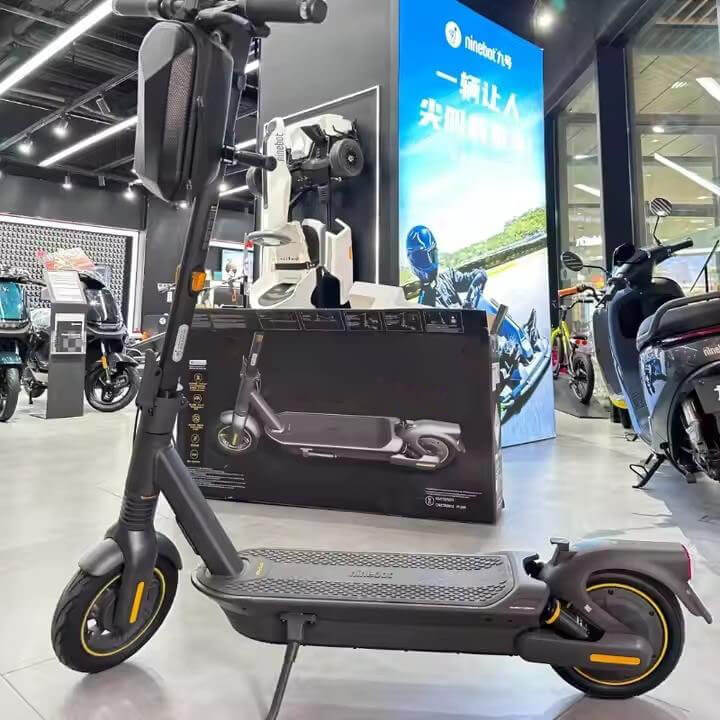
And yeah—Urban M fits naturally as your “performance DNA” line when an operator wants a flagship tier that still folds and doesn’t look like a toy.
How you make this sound in a sales call (more human, less brochure)
If a micromobility founder asks, “Why you?” don’t start with motor watts.
Try something like:
- “If you’re going for city permits, we’ll help you look controllable—stable hardware, clear safety story, and fleet-ready configs.”
- “If you’re doing campus or corporate, you want low support tickets. Solid tires, simple storage, easy maintenance… that kind of boring stuff wins.”
- “If your pricing depends on availability, then uptime is your marketing. Hardware has to match that.”
That’s how you market kick scooters to micro-mobility startups—by speaking their language: permits, uptime, service loops, and scalable OEM/ODM supply.