


-
414 Block B, ZT Times Plaza, Wuhan, Hubei, China

Blog
How to Choose the Right e-bike frame size for global markets
If you sell across regions, frame size isn’t “just comfort.” It’s a returns problem, a customer-support problem, and a conversion problem. Fix sizing, and you’ll see fewer “this bike feels too big” tickets. You’ll also see fewer abandoned carts and fewer dealer complaints. (And yeah, it saves you time. Lots of it.)
Also, pushing more e-bikes the right way = less after-sale drama.
e-bike frame size for global markets
seat tube length and manufacturer measurement
A lot of people still talk about “frame size” like it’s one number. But brands measure differently, and even the same measurement doesn’t always predict fit across bike styles. Evans notes hybrid and MTB frames often measure from the center of the bottom bracket to the top of the seat tube, yet some brands still measure differently depending on style—so you must compare against the manufacturer’s measurements (not just a generic chart).
Electric Bike Report goes even further: seat tube length used to be the main sizing signal, but it’s “no longer considered accurate” because of variation across types and brands. That’s why geometry-based sizing matters more in 2025-era e-bikes.
inches vs centimeters vs S/M/L
You’ll run into mixed systems in global distribution: some listings show inches, others show centimeters, and many brands sell “S/M/L/XL.” Evans explicitly calls out that hybrids are often sized S–XL, but some models are sized in inches, and it varies by brand.
Mihogo also states frames are measured in inches or centimeters depending on location, which is exactly why global listings need clean, dual-format size info.
inseam measurement and standover height
inseam measurement method (book against wall)
Height charts are quick, but inseam is usually tighter. Juicybike gives a simple method: stand against a wall, no shoes, put a book between your legs, then measure from book top to floor. It’s basic, it works, and it’s repeatable.
inseam formula for city bikes and mountain bikes
Juicybike also provides practical formulas:
- City / road bikes: inseam × 0.66 = recommended frame size
- Mountain bikes: inseam × 0.59 = recommended frame size
Do I think formulas are “perfect”? Nah. But for wholesale funnels and pre-sale sizing, formulas beat vibes.
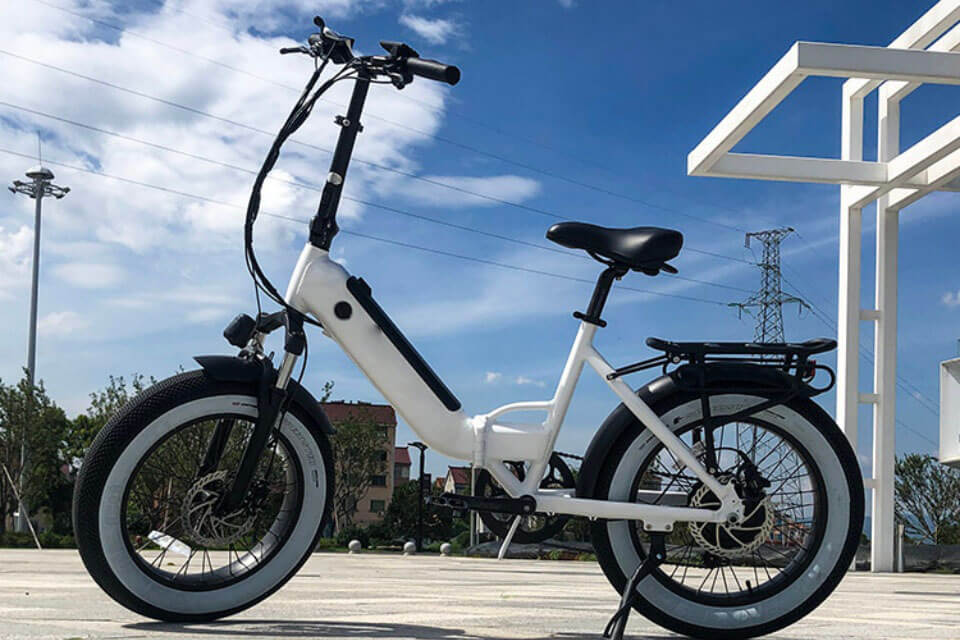
standover height clearance (2 cm / 1–2 inches)
Standover is the “oh no” moment: buyer steps over the top tube and immediately knows it’s wrong.
Evans recommends you can stand over the frame with a minimum 2 cm gap between you and the top tube.
Electric Bike Report explains standover height and suggests 1–2 inches of clearance for comfortable dismounting.
Different units, same idea: give riders clearance, especially for new riders and stop-and-go city traffic.
Fit checklist table (with sources)
| Fit point (keyword) | What you collect | Why it matters in global e-bike sales | Source |
|---|---|---|---|
| inseam measurement | “book against wall” inseam length | More reliable than height-only charts; reduces wrong-size orders | Juicybike |
| inseam formula | city/road: inseam×0.66; MTB: inseam×0.59 | Fast sizing guidance for dealers + online buyers | Juicybike |
| standover height | standover + clearance rule | Prevents instant “too tall” rejections | Evans (2 cm) / Electric Bike Report (1–2 in) |
| reach | BB → top of head tube (horizontal) | Predicts “stretched” vs “compact” feel; big driver of comfort | Electric Bike Report |
| effective top tube length | seat tube center → head tube intersection (horizontal) | Another quick proxy for how long the bike feels | Electric Bike Report |
| stack | BB → top of head tube (vertical) | Helps you set upright vs aggressive posture | Electric Bike Report |
| sizing format | inches vs cm vs S/M/L | Avoids confusion in listings across regions | Evans / Mihogo |
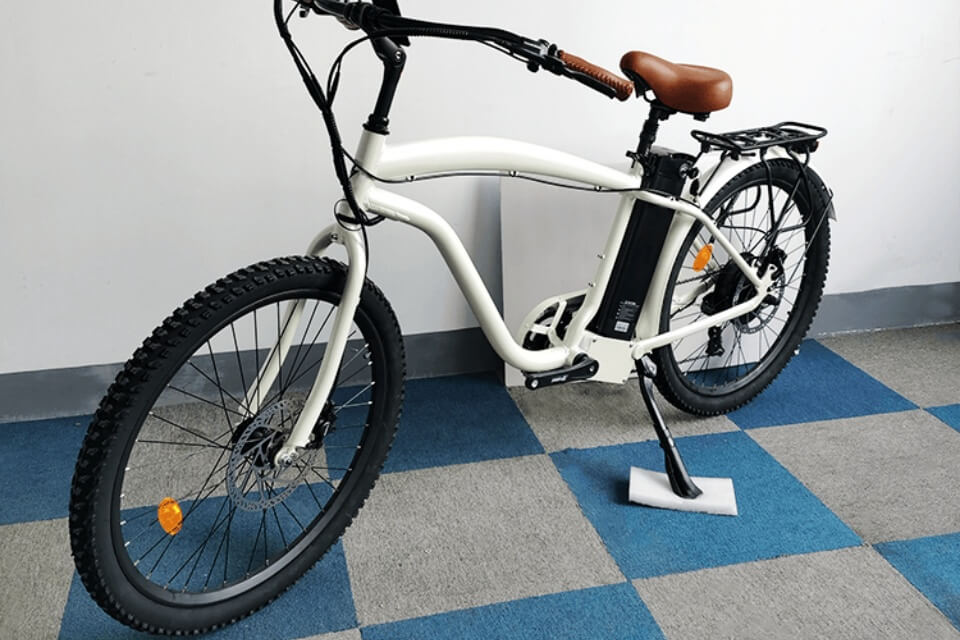
reach, effective top tube length, and stack
reach
Reach tells you how “long” the bike feels. Electric Bike Report defines reach as the horizontal distance from the bottom bracket to the top of the head tube, and notes shorter reach feels more compact while longer reach suits performance-oriented riding.
This matters extra on e-bikes because riders often sit more upright and do more start/stop. If reach runs long, new riders feel like they’re falling forward. Then they say “bike is too big,” even if the height chart said it was fine.
effective top tube length
Electric Bike Report defines effective top tube as a horizontal measurement used to indicate size/feel, and states riders feel more stretched on longer top tubes.
stack
Stack helps you predict handlebar height options. Higher stack usually supports a more upright position; lower stack pushes a forward lean.
If you sell “urban commuter” bikes, stack + reach usually decide if customers call it comfy… or call it “kinda awkward.”
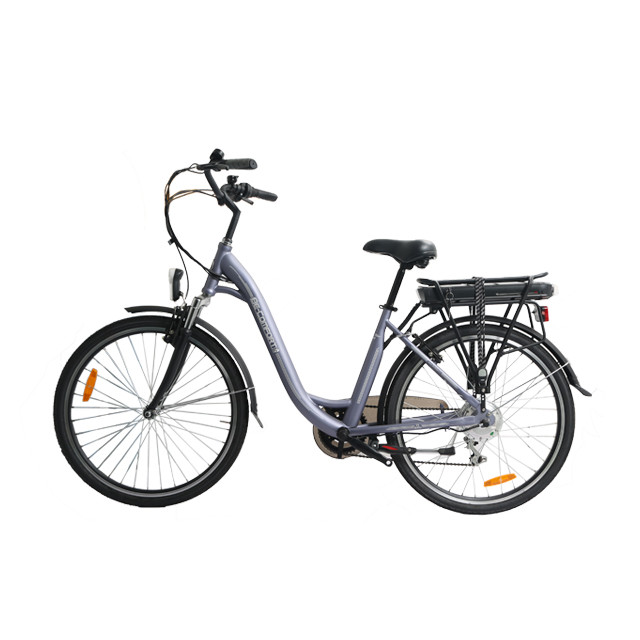
frame type: step-through, folding, cargo, 3-wheel cargo
This is where many size charts fail: frame style changes fit feel, even when the size label stays the same.
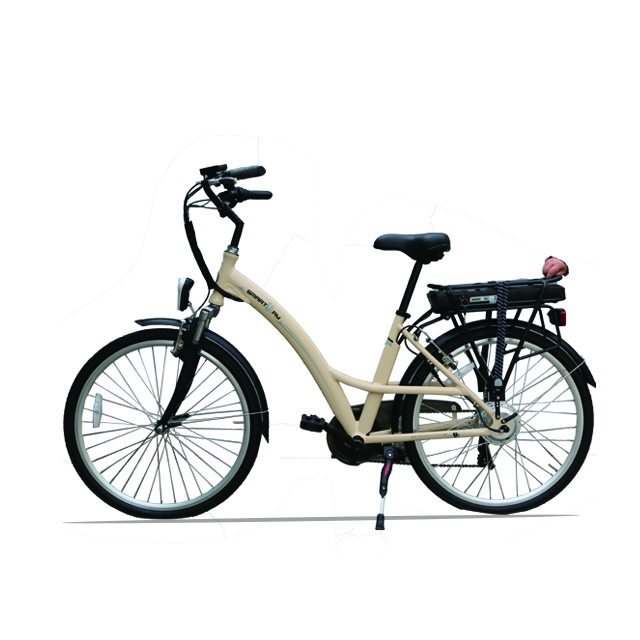
step-through frame
Evans describes step-through frames where the top tube drops lower and also notes women’s hybrids often run shorter in length with narrower bars (though unisex can still fit).
For global markets (and wider rider ranges), step-through frames can lower the “first ride fear” barrier. Dealers like them because fewer buyers panic at the first dismount.
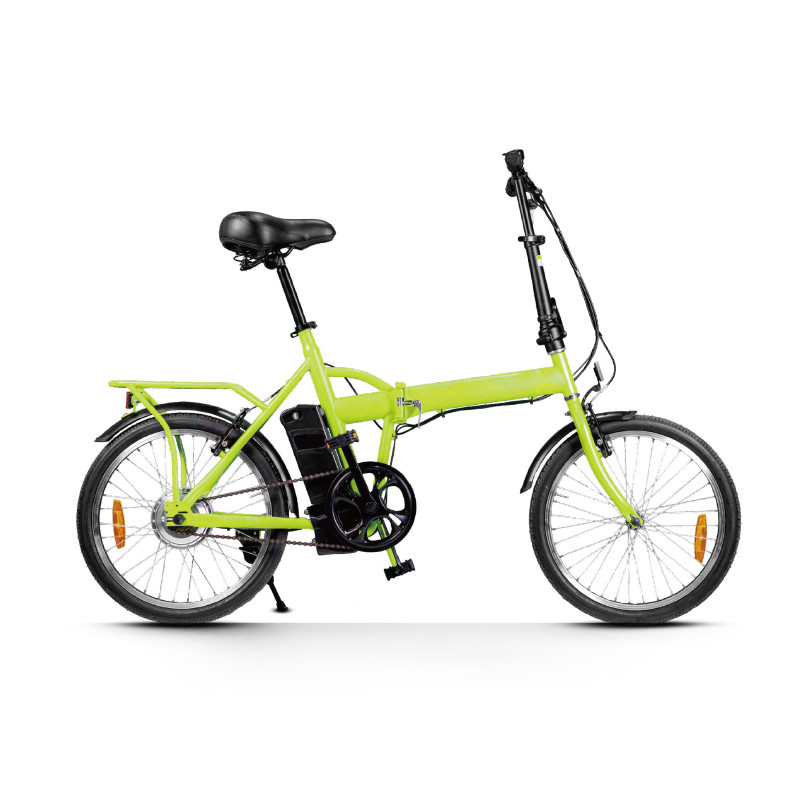
folding frame
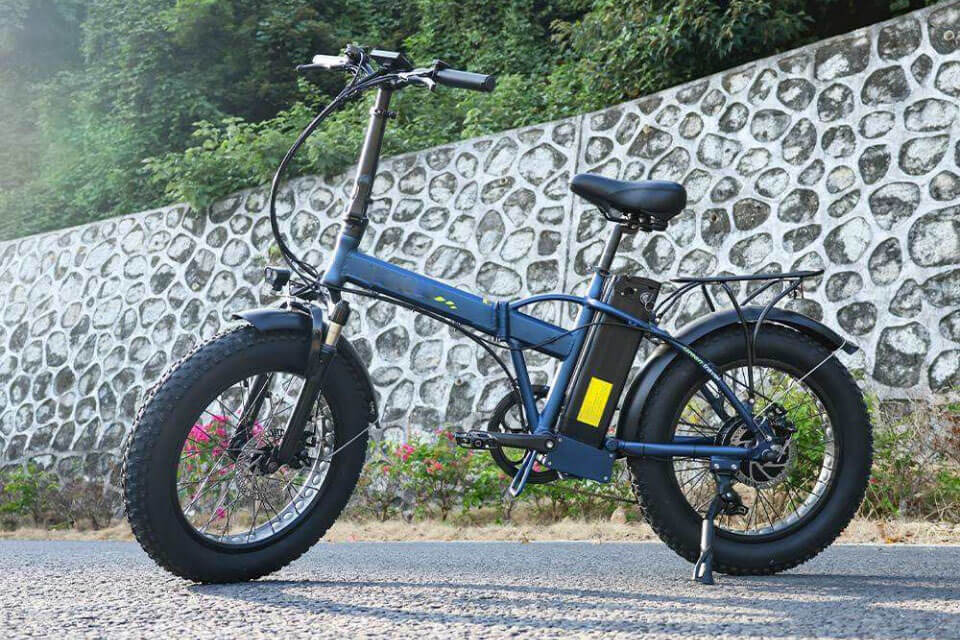
For folding e-bikes, the goal isn’t “race fit.” It’s compact storage + easy handling. EZBKE’s M04 electric folding bike is explicitly a 20″ aluminum alloy folding frame, built for city use, with 4.0–20″ tires.
EZBKE’s LN26M03 is positioned as a folding model that ships flat-packed and targets urban delivery/rental fleets.
So your sizing story should shift: focus on seat height range, reach feel, and standover, not just “frame size = M.”
cargo bike frame and wheelbase
Cargo bikes turn sizing into a stability conversation. EZBKE’s 350W electric cargo bike highlights 24″ wheels, an aluminum alloy frame, adjustable seat, and racks for logistics/delivery use.
That “cargo + load” use case makes geometry feel different. Even a rider who fits a normal commuter might want a more upright posture and different reach on a cargo build.
3-wheel cargo bike stability
Trikes change everything: riders care about step-through ease, mounting, and low-speed control. EZBKE’s 750W 3-wheel cargo bike positions itself for urban delivery and family transport with a front box.
For trikes, you can’t rely on standard two-wheel sizing logic alone. If your listing doesn’t show standover/step-over info, customers will ask… a lot.
OEM/ODM sizing SOP for wholesale electric bikes
Here’s the argument I’d push if you sell globally: treat sizing like a product spec, not a blog tip.
EZBKE / Urban M already positions itself as a wholesale OEM/ODM manufacturer with global export experience and ISO-certified processes.
On the e-bike category page, EZBKE also describes B2B-ready capabilities like cold-climate battery options and IoT diagnostics, which signals you’re already thinking in “system” terms—not one-off retail.
So add a sizing SOP that dealers can reuse.
fit data fields for product listing (bike size, seat-to-floor, tire size)
Look at how EZBKE’s Wholesale Peak Power 450W Electric Bike model includes bike size, seat to floor, region-specific max speed, and tire size in the parameter list.
That’s the right direction. Now do the same for fit-first fields: standover, reach, stack, recommended inseam band.
And yes, make it dead simple. Dealers don’t want a geometry textbook; they want fewer RMA tickets.
EZBKE electric bike models and fit notes table
| EZBKE model (keyword) | Frame style (keyword) | Wheel / tire info | Best-use scenario | Fit note you should highlight |
|---|---|---|---|---|
| Peak Power 450W electric bike | 20-inch frame | 20-inch fat tire; seat-to-floor listed | mixed youth/adult; off-road vibe | publish seat-to-floor + standover guidance |
| M04 electric folding bike | folding frame | 20″ folding frame; 4.0–20″ tires | city storage, apartments, commuting | focus on standover + reach feel |
| LN26M03 folding bicycle | folding | flat-packed shipping; fleet-oriented | rental fleets, delivery fleets | add quick “fits inseam X–Y” guidance |
| B01 electric bicycle | city/commute | 26″ × 2.35″ tires | daily commute, delivery gigs | show reach/stack for upright comfort |
| 350W electric cargo bike | cargo | 24″ wheels; adjustable seat | logistics + delivery | emphasize upright posture + mounting ease |
| 750W 3-wheel cargo bike | 3-wheel cargo | (trike) front box use case | last-mile, family hauling | publish step-over/standover style info |
| C06 road frame electric bike | road frame | “rugged steel frame” positioning | urban abuse, reseller bulk | include reach + effective top tube length |
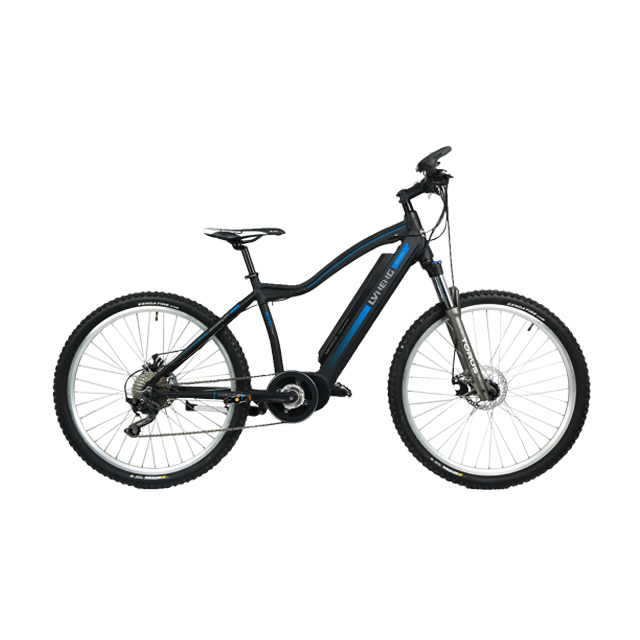
| LN26M01 mid motor e-bike | mid drive | 8FUN mid motor positioning | urban + delivery | add fit chart for repeat fleet orders |
size-run planning by region
Global markets don’t buy the same “size run.” You’ll see different rider height distributions, different step-through preference, and different compliance defaults. So don’t ship one generic run and hope.
Build a simple intake for buyers:
- target region
- bike type (commuter / folding / cargo / trike)
- rider height range + inseam range
- posture preference (upright vs performance-ish)
Then map it using the inseam method and clearance rules above.
Also, if they ask for mid-drive builds, point them at LN26M01 for repeatable fleet sizing runs.
Final take: sizing is a sales system, not a “nice-to-have”
If you sell e-bikes across borders, you can’t just toss “M size” on a product page and pray. You need inseam + standover + reach in the listing, and you need the dealer to explain it in one breath.
Do that, and customers stop guessing. Dealers stop drowning in fit questions. Your brand looks more legit. And honestly, life gets easier (dont we all want that).