


-
414 Block B, ZT Times Plaza, Wuhan, Hubei, China

Blog
How to Choose the Best Electric Bicycle for Urban Commuting
Urban commuting is all about repeatability. You want a bike that starts fast at lights, stops hard when a car drifts into your lane, and still has juice when you take the long way home. Get the fundamentals right, and your e-bike becomes a reliable “last-mile” tool instead of a weekend toy.
If you’re shopping for a team, a dealership, or a fleet, the same checklist applies. The difference is simple: buyers care about comfort. Operators care about uptime, fewer RMAs, and specs that don’t cause drama in the field.
Here are the decision points that matter, with a data table you can reuse and a few real commuting scenarios.
Quick decision table (urban commuting spec checklist)
| Decision point (argument) | What to check (fast) | Why it matters in city riding | Argument source type (no external links) |
|---|---|---|---|
| Start with the legal “class” that fits where you ride | Class rules in your city + access rules on paths/campuses | Avoid restricted routes and surprise enforcement | Local traffic code + property rules |
| Treat range claims as “it depends,” then plan your real commute | Battery Wh, charge routine, cold-weather buffer | Keeps your commute consistent | Your route audit + rider logs |
| Match motor power to your route, not your ego | Hills, stop-and-go, payload | Power that fits the job lasts longer | Test rides + route grade |
| Use torque (Nm) as your “hill + cargo” indicator | Torque rating + gearing | Strong launches and steady climbing | Spec sheet + slope reality |
| Pick a battery setup you can actually live with | Removable battery, charging workflow, spare charger plan | Charging is the real bottleneck | Rider SOP + safety policy |
| Mid-drive vs hub-drive changes how the bike feels (and how you fix flats) | Handling + serviceability | Less downtime, faster fixes | Local service plan + parts kit |
| Don’t pay extra for “features,” pay for commuter basics | Lights, fenders, rack mounts, kickstand | Daily usability, not fluff | Commuter checklist |
| Braking matters because e-bikes are fast and often heavy | Brake type, wet performance | Safer stops in traffic and rain | Test ride checklist |
| Build security into the buying decision (not as an afterthought) | Lock plan, battery lock, parking habits | Theft is a daily risk | Security SOP + accessory stack |
| Prioritize fit and a real test ride | Frame size, reach, posture | Comfort decides if you’ll keep riding | Fit checklist |
| Consider low-maintenance drivetrains if you ride in work clothes | Belt vs chain, rust exposure | Less mess and fewer tune-ups | Maintenance SOP |
| Put battery fire safety on your checklist | Certified packs + approved charging | Reduces safety risk and warranty disputes | Safety policy + vendor compliance |
| Know what actually changes range day to day | Tire pressure, temperature, load | Explains “same route, different battery” | Rider training notes |
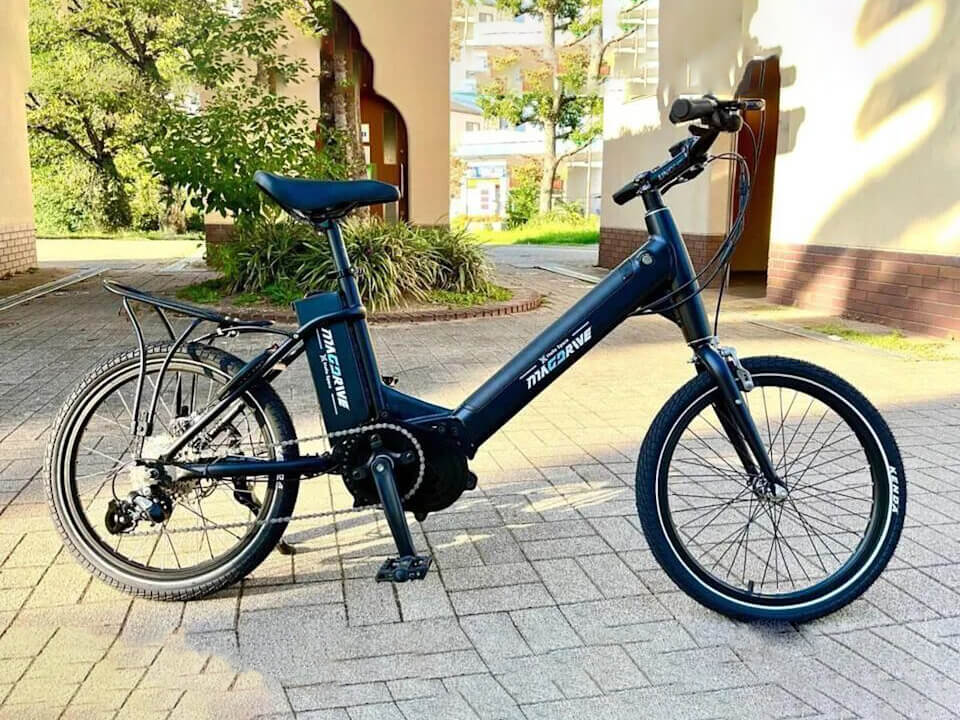
Start with the legal “class” that fits where you ride
Before you pick a model, lock in the e-bike class that matches your routes. A bike can be perfect on streets and still get blocked on shared paths, campuses, or park connectors. That’s where commuters lose time.
If you’re a dealer or fleet buyer, make this step part of onboarding. It cuts returns from “I didn’t know I can’t ride this on my path.”
Treat range claims as “it depends,” then plan your real commute
Range isn’t one number. It’s a bundle of variables: stops, hills, wind, cold, tire pressure, and how hard you push assist.
A practical way to think about it:
- Map your usual route and your “bad day” route (detours, errands, heavier bag).
- Plan for charging like you plan for coffee: it needs to be easy, or you won’t stick with it.
- Leave buffer so you’re not babying the throttle on the ride home.
If you’re buying in bulk, build a simple rider SOP. When riders follow it, your support inbox gets quieter.
Match motor power to your route, not your ego
City riding is mostly short bursts: rolling starts, quick merges, stop signs, and low-speed control. More power can feel fun, but it can also pull more energy and add weight you don’t need.
Pick power based on your use case:
- Flat commute + bike lanes: prioritize efficiency and handling.
- Bridges, ramps, and hills: prioritize steady pull, not top speed.
- Cargo or delivery: prioritize load capability and stability.
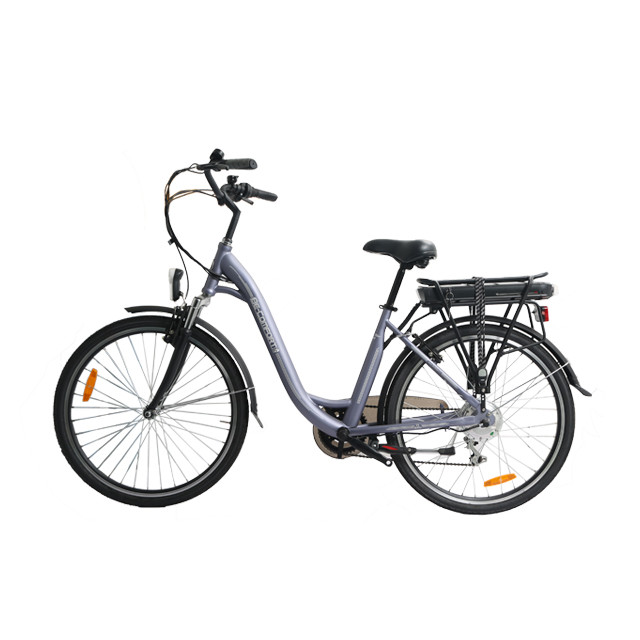
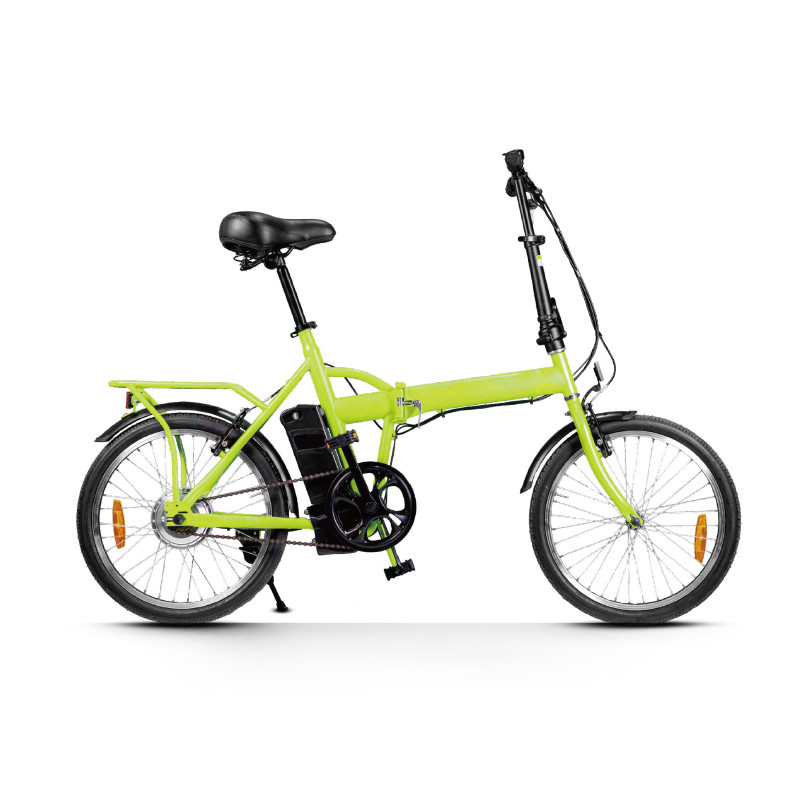
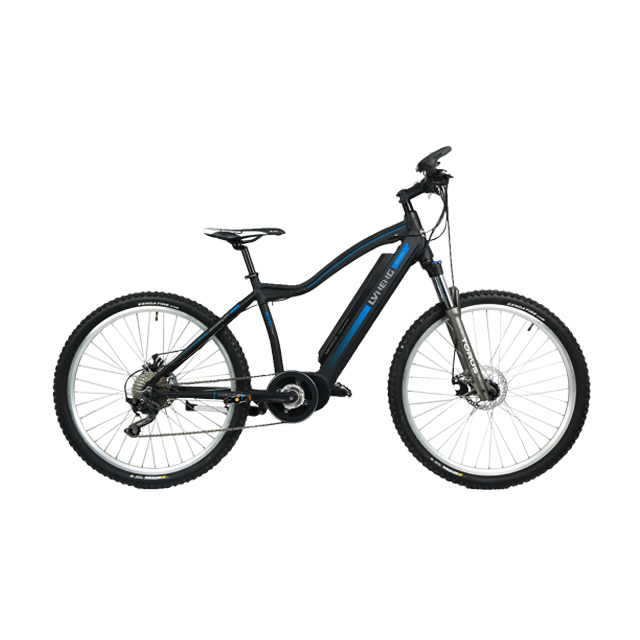
For examples of commuter-ready and cargo-oriented platforms, browse the Electric Bike category and compare formats before you obsess over specs.
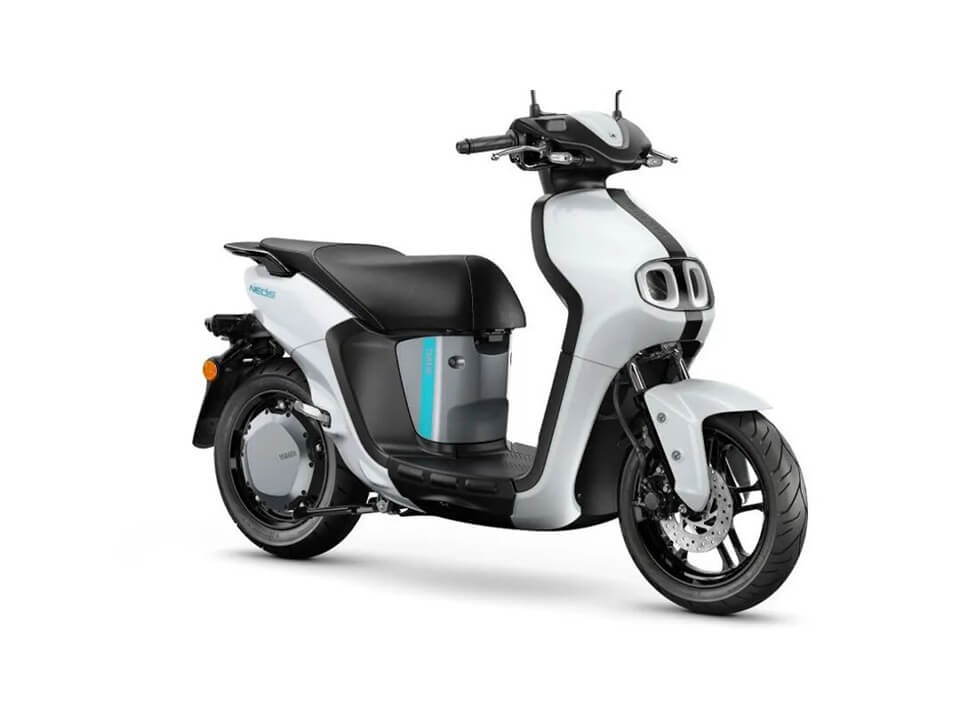
Use torque (Nm) as your “hill + cargo” indicator
Torque is what you feel when the light turns green and you need to move now. It’s also what saves you when you’re climbing a parking-ramp spiral with a backpack or panniers.
If your commute has hills or you carry loads, treat torque and gearing as first-tier criteria. It’s the difference between “smooth and confident” and “why is this struggling?”
Pick a battery setup you can actually live with
Most commuters don’t fail because the bike is slow. They fail because charging is annoying.
Apartment charging
If you live upstairs, a removable battery can be the difference between riding daily and riding “when you remember.” You carry the battery up, not the whole bike.
Office charging
If you can charge at work, keep the routine simple. A consistent charging workflow beats improvising with random outlets. For operators, standardizing chargers and labeling them cuts confusion, damage, and safety complaints.
If you’re sourcing for distribution or projects, use your vendor compliance checklist and stick to approved charging components.
Mid-drive vs hub-drive changes how the bike feels (and how you fix flats)
This is a “ride feel + maintenance” decision.
- Mid-drive often feels balanced and natural when you pedal.
- Hub-drive can be straightforward and cost-efficient.
Now the commuter question: what happens when something goes wrong?
- How fast can a shop fix it?
- Is a rear flat a quick job or a time sink?
- Can you stock the right spares and keep uptime high?
If you’re building a bulk program, ask for a parts kit plan. It’s boring, and it saves you later.
Don’t pay extra for “features,” pay for commuter basics
Commuter basics aren’t luxury features. They’re what makes daily riding practical:
- lights you actually use
- fenders that keep your pants clean
- rack mounts for bags
- a stable kickstand for quick stops
If you want to see how different platforms support real utility setups, start from the Products page and focus on frames with clear mounting points and commuting-friendly geometry.
Braking matters because e-bikes are fast and often heavy
City traffic forces sudden stops. Wet crosswalk paint, taxi doors, and unpredictable merges are part of the package.
On your test ride, don’t just “try the brakes.” Do this:
- brake gently at low speed (check control)
- brake harder at moderate speed (check confidence)
- notice how the bike behaves when you stop fast (check stability)
For fleet and dealer buyers, brake spec is a quiet lever for fewer incidents and fewer unhappy customers.
Build security into the buying decision
If your bike sits outside, theft risk is constant. Don’t rely on one thing. Layer it:
- a serious lock
- smart parking habits
- battery security
- optional tracking strategy (where allowed and useful)
Security is part of commute design, just like your route.
Prioritize fit and a real test ride
Fit decides whether you’ll ride tomorrow.
A quick fit reality check:
- you can reach the bars without shrugging your shoulders
- you can put a foot down confidently at stops
- your wrists and neck feel normal after a short ride
For shared fleets, aim for geometry that fits a wide range of riders. That’s how you reduce “this bike hurts me” complaints.
Consider low-maintenance drivetrains if you ride in work clothes
If you ride in everyday clothes, maintenance friction matters.
- Chains are common and easy to service, but they need cleaning and care.
- Belt drives are cleaner and lower upkeep, but you’ll want to confirm parts availability and service support in your market.
Dealers like this angle because it solves a real pain point: fewer greasy pant legs and fewer “how do I clean this?” calls.
Put battery fire safety on your checklist
Battery safety isn’t a marketing add-on. It’s a gate.
If you’re buying one bike, stick with reputable battery systems and follow the correct charging practices. If you’re buying in bulk, bake safety into procurement:
- clear compliance requirements
- controlled charger sourcing
- training for riders and techs
That approach protects riders and reduces warranty arguments.
Know what actually changes range day to day
When riders say, “Yesterday I had plenty of battery, today I don’t,” it’s usually one of these:
- colder weather
- lower tire pressure
- heavier load
- more stop-and-go
- stronger wind
Teach riders the basics and your daily experience improves fast. Operators: this also cuts false “battery is broken” tickets.
Practical commuting scenarios that match real buyers
Daily city commuter
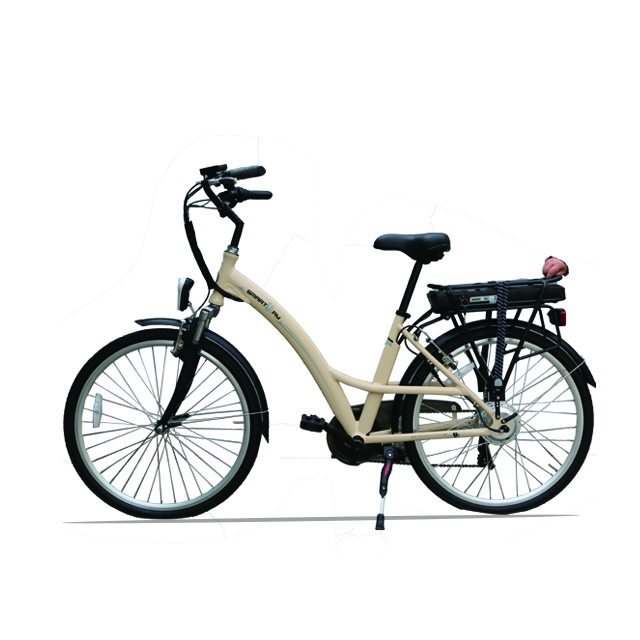
You want fast starts, safe braking, and easy charging. Keep it simple: commuter basics first, then tune motor feel and battery workflow.
Delivery and cargo
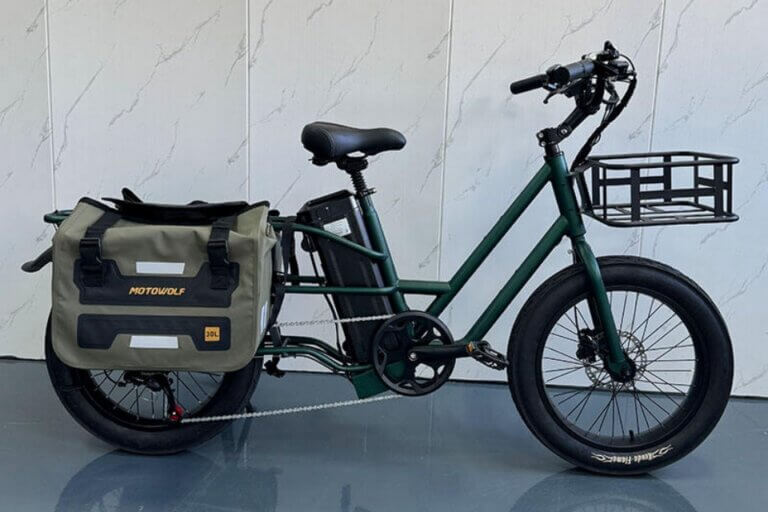
Stability and payload handling matter more than speed. If you’re comparing cargo formats, look at purpose-built options like the 350W Electric Cargo Bike with Dual Battery & Heavy-Duty Rack or a box-style trike like the 750W 3-Wheel Electric Cargo Bike with Large Front Box.
Dealers, distributors, and OEM/ODM buyers
Your enemy is SKU sprawl. Keep a tight lineup, lock your parts plan, and standardize specs that affect service:
- brakes and wear items
- charger compatibility
- accessory mounting standards
- clear documentation for techs and riders
If you’re exploring private label or bulk supply, start with the brand and factory background on the EZBKE homepage and the company story on the About page. When you’re ready to talk customization, MOQ, or project needs, use the Contact page. For more spec-led reading, browse the Blog.
The bottom line
Choose your commuting e-bike like you’re building a routine, not chasing a spec sheet. Start with legal class and real-world range. Then lock torque, charging workflow, brakes, and commuter basics. Do that, and you’ll get a bike that feels like a reliable tool every single day.