


-
414 Block B, ZT Times Plaza, Wuhan, Hubei, China

Blog
How To Choose a Foldable Scooter For City Dwellers
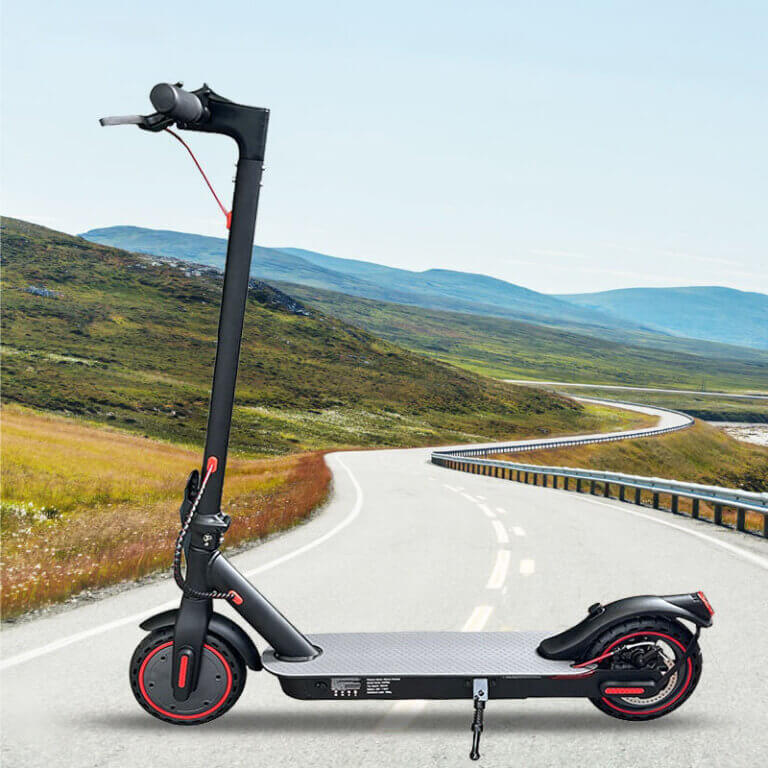
City life is basically a daily obstacle course: stairs, elevators that take forever, crowded trains, cracked sidewalks, and that one curb you never see until it’s too late. So if you’re picking a Foldable Electric Scooter, you can’t just chase “top speed” and call it a day.
You need a scooter that folds clean, carries easy, rides stable, and won’t turn into a warranty headache later. (If you’re sourcing for wholesale/OEM, that last part matters even more.)
Below I’m pulling the most repeated “city-dweller” buying arguments from multiple foldable-scooter guides, safety bodies, and IP-rating references—then I’ll tie them to EZBKE / Urban M product logic (Foldable Electric Scooter + K1 + K2) and real supplier-side checkpoints.
Foldable Electric Scooter buying arguments that actually matter in a city
1) Portability and weight
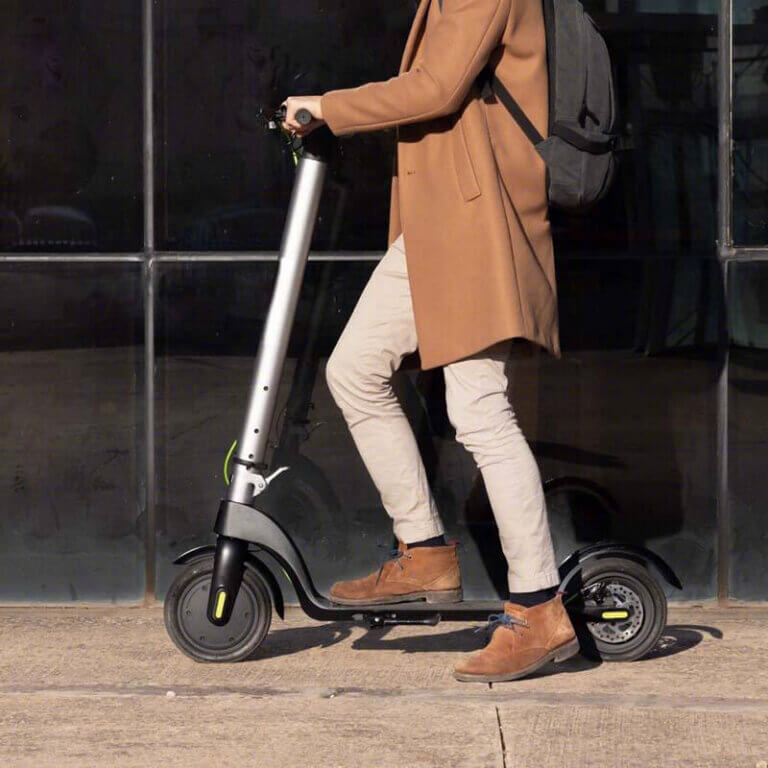
If you live with stairs, you’re not “riding” your scooter the whole trip. You’re carrying it. That’s why weight and carry geometry (handle placement, balance point, folded size) matter more than people admit.
A practical test: can you carry it up one flight without banging your knee or twisting your wrist? If not, you’ll stop using it. Simple.
2) Folding mechanism and hinge durability
In the city, you fold/unfold a lot. Rush hour doesn’t care about your fancy latch design.
Good folding-mechanism guides call out the core truth: the folding parts must stay sturdy after repeated cycles, or you risk wobble and unsafe play. When you check a foldable scooter, look at hinge tightness, locking feel, and whether it stays solid after vibration.
EZBKE’s Foldable Electric Scooter category claims hinge durability targets (like high cycle life), which is exactly the kind of spec city riders benefit from—because loose hinges = returns.
3) Range and charging time
City range is rarely “one long ride.” It’s short hops: home → train → office → coffee → home. That’s why consistency matters more than marketing range.
Ask two questions:
- Can it cover your round trip without anxiety?
- Can it recharge in the time you actually have (office hours, overnight, etc.)?
K1 and K2 both publish multiple battery/range options, which is useful because different riders (and different markets) want different “sweet spots.”
4) Tires, potholes, and comfort
City streets punish small wheels. Big cracks, metal plates, and random debris don’t play nice.
Tire guides consistently recommend pneumatic (air-filled) tires for cushioning and traction versus solid tires (which avoid flats but ride harsher and can slip easier in wet). That’s why many commuter-focused builds stick with air tires when comfort and control matter.
K1 lists 12.5″ air tires, which is a very city-friendly direction (bigger tires generally help you stay calmer over rough pavement).
5) Braking system and stopping confidence
In a city, you brake constantly—cars, pedestrians, delivery bikes, surprise doors.
CPSC literally tells riders to test brakes and learn stopping distance because it varies a lot by scooter. Translation: brakes are not a “nice-to-have.” They’re the whole deal.
From the supplier side, the “no-nonsense” approach is dual-system braking (example: e-brake + mechanical) because it reduces fade risk and boosts rider confidence on long hills.
6) IP rating for rain and street grime
City riders don’t always get sunshine. You’ll hit wet ground, mist, puddle splash—sometimes by accident.
IP-rating references explain what the numbers mean (dust + water protection) and show that IPX4 / IP54 typically maps to light rain / splash conditions, while “no rating” usually means “don’t gamble.”
EZBKE’s Foldable Electric Scooter category explicitly mentions IP54, which matches what many “light rain” commuters look for. But still—don’t ride like it’s a submarine, ok?
7) Lighting and “see and be seen”
Most bad moments happen when others don’t notice you.
CPSC warns that e-scooters are small, quick, and quiet, so you need to be visible and alert others. Lights, reflectors, and a real bell/horn reduce dumb accidents.
8) Smooth throttle and city-friendly ride modes
In traffic, jerky launch feels scary. It also triggers complaints.
Supplier-side tuning talk calls out controller ramp mapping and regen profiles (Eco/City/Sport curves) because smooth takeoff prevents “angry rider” feedback and helps new riders feel stable.
9) Battery safety and UL 2272
This is where brands either look professional… or not.
UL explains that ANSI/CAN/UL 2272 covers the electrical system for personal e-mobility devices (including pathway e-scooters) and helps brands demonstrate electrical/fire safety compliance. UL also notes regulators pushing compliance in certain places.
EZBKE’s Foldable Electric Scooter category claims UL2272-certified models, which is a strong trust signal for importers, fleets, and serious wholesalers.
10) Maintenance reality and spare parts
City vibration loosens stuff. That’s not drama, that’s physics.
On the OEM/ODM side, a smart supplier builds spare-part logic (pads, tires, hinge kit, controller, display) and sets ticket SLA expectations, so downtime doesn’t kill your reviews or fleet uptime.
11) Market compliance (speed profiles, labels, region rules)
Different markets, different limits. If you ignore this, you get returns—or worse, blocked sales.
EZBKE’s supplier-side guidance literally calls out region speed profiles (“City mode ~25 km/h profile”) and label sets as a compliance shortcut. K1 also lists speed variants for EU/USA.
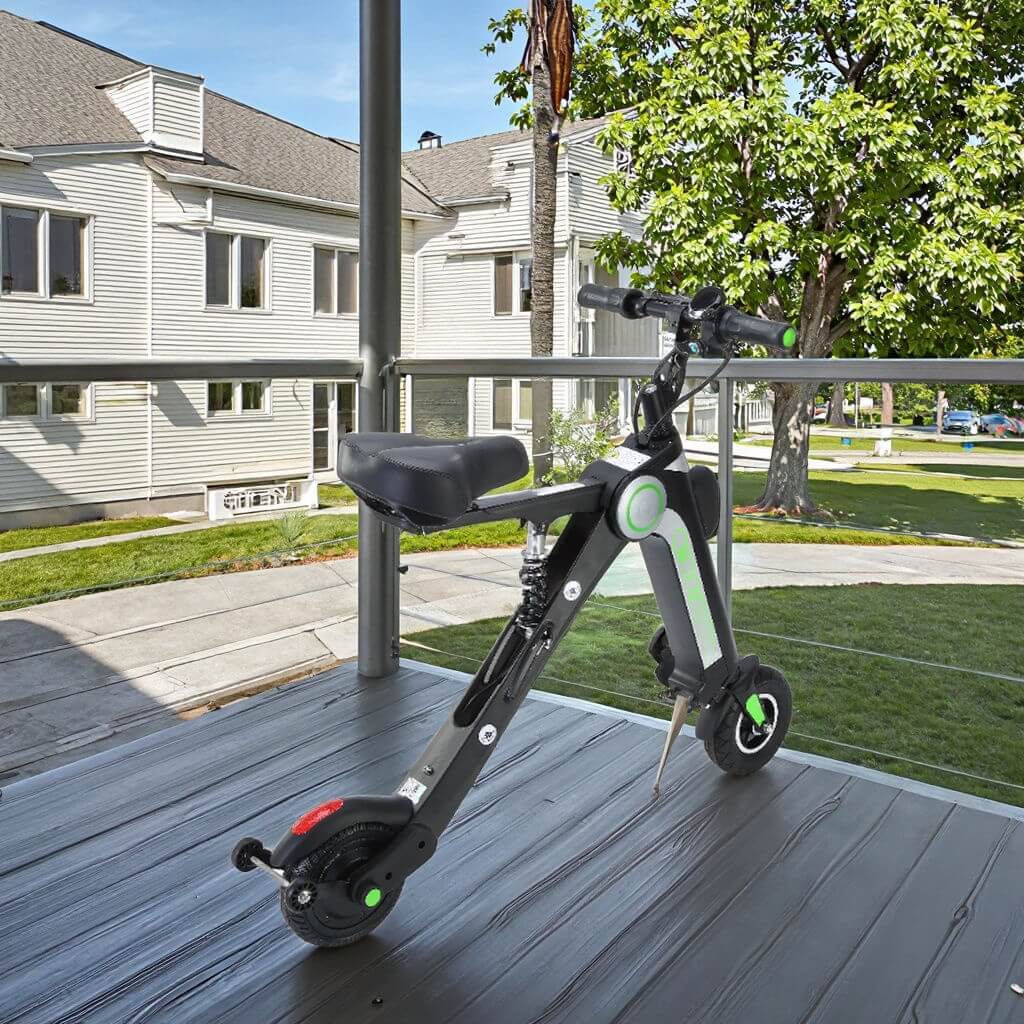
Decision table: city-first checklist with sources
| Decision point (keyword) | What you should check (practical) | Why city riders care | Source(s) |
|---|---|---|---|
| Portability and weight | folded size, carry balance, stair carry test | you’ll carry it more than you think | EZBKE OEM/ODM pain points + real scenes |
| Folding mechanism | latch feel, hinge play, repeat folding cycles | loose hinge = unsafe + returns | folding mechanism durability guidance; EZBKE hinge/return logic |
| Range and charging time | realistic trip distance, charge window | avoids daily “battery stress” | K1/K2 spec options |
| Tires | pneumatic vs solid, tire size | potholes + wet traction | tire performance guidance; K1 air tire spec |
| Braking system | dual system, lever feel, emergency stop test | sudden stops happen every day | CPSC brake guidance; EZBKE dual-brake spec logic |
| IP rating | IPX4/IP54+ for splash/light rain | city weather is messy | IP rating chart; EZBKE IP54 claim |
| Lighting and visibility | headlight, rear light, reflectors, bell | drivers miss small devices | CPSC “be seen” guidance |
| Throttle tuning | smooth ramp, regen feel, ride modes | jerky launch scares commuters | EZBKE controller/ride-mode notes |
| UL 2272 | ask for certification evidence | compliance + buyer trust | UL 2272 scope; EZBKE category claim |
| Spares and SLA | spare kit, RMA process, ticket close time | uptime keeps ratings alive | EZBKE contract keywords + SLA/spares |
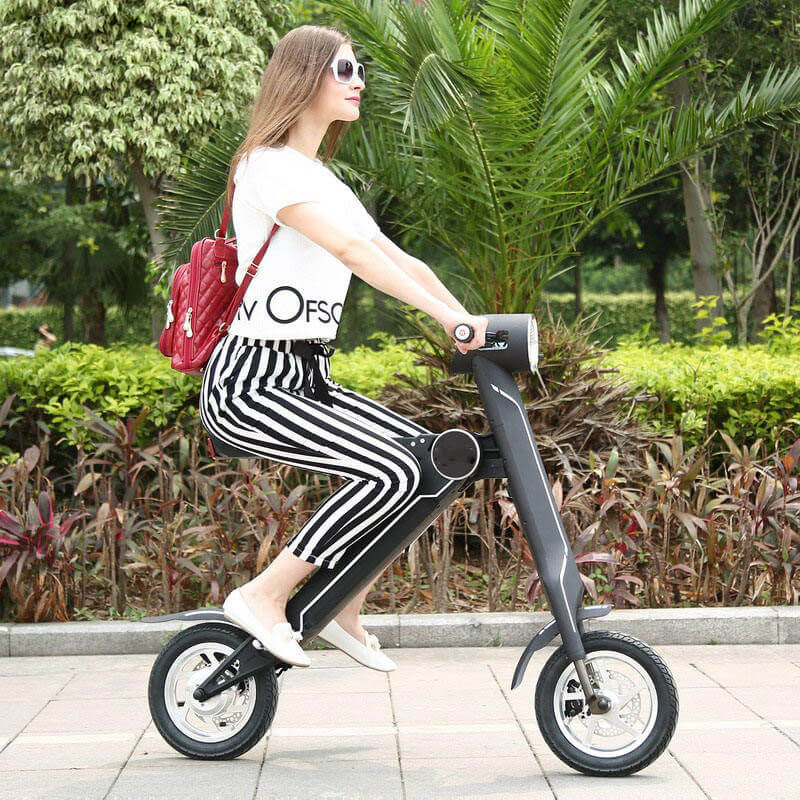
Real city scenarios (so you don’t pick a “paper spec” scooter)
Here are the scenarios that actually decide whether a Foldable Electric Scooter feels like freedom… or feels like chores:
- Train-to-office: fold fast, carry like luggage, unfold at curb-side, stay in City mode.
- Last-mile delivery: tougher deck, bigger tire option, quick tube swap, and you need spares ready or the rider gets mad quick.
- Campus fleet: speed profiles + simple lock points + less “vandal bait” design.
- Condo sharing: easy onboarding, clean charging routine, and clear parking behavior.
This is also where Urban M fits naturally: it’s not just a logo. You build consistent naming, colors, and carton assets so the line feels like a real brand, not a random SKU dump.
(yeah, I said “SKU dump.” Because thats what it becomes when nobody thinks about scenes.)
Foldable Electric Scooter + OEM/ODM: the supplier-side truth (light industry “black talk”)
If you’re a wholesaler or brand buyer, your checklist needs a few extra factory words. Not to sound fancy—just to protect your margin and reduce ticket storms:
- AQL + line-end test: reduces surprise defect spikes.
- Pilot run + change control (ECN): prevents “silent” spec changes mid-order.
- Firmware freeze: keeps your ride feel consistent across batches.
- Spare pool + SLA: saves fleets from downtime and saves brands from 1-star reviews.
EZBKE positions this as a two-track approach: ODM (platform tweak) for faster launch, or OEM (deep custom) when you’re ready to own the frame geometry and controller tune.
K1 electric motor foldable scooter adult manufacturer
K1 reads like an “entry commuter platform” you can spec up or down depending on market rules and rider profile (and it’s pretty straightforward, which is good).
K2 folding adult electric bicycle scooter manufacturer
K2 leans more “robust adult ride” with multiple range/battery options and published container loading data (useful for bulk planning).
K1 vs K2 quick spec snapshot (from EZBKE pages)
| Model keyword | Motor | Speed | Battery options | Range options | Tires | Notes for city/bulk |
|---|---|---|---|---|---|---|
| K1 electric motor foldable scooter adult manufacturer | 250W / 350W | 25 km/h (EU) / 30 km/h (USA) | 36V 8.7Ah / 48V 8.7Ah | 35–40 km | 12.5″ air tire | position as commuter SKU; speed profiles help regional compliance |
| K2 folding adult electric bicycle scooter manufacturer | 450W | 25 km/h | 36V 6Ah / 7.5Ah / 9.6Ah | 25 / 35 / 50 km | (listed on page) | container loading published; good for wholesale ops planning |
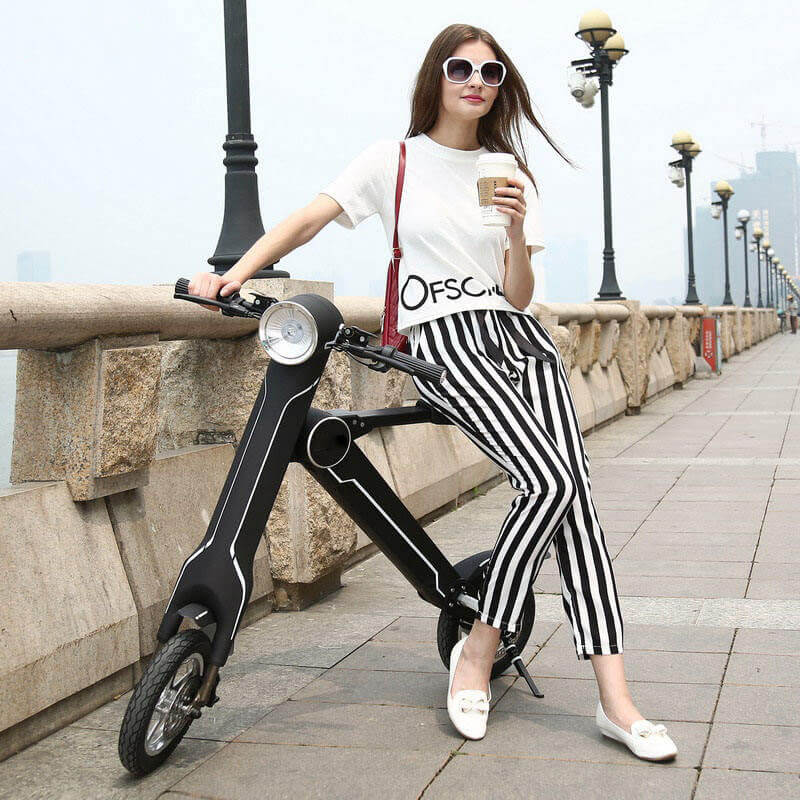
Conclusion: the “right” foldable scooter is the one that survives your week
If you’re a city dweller, pick a Foldable Electric Scooter the way you pick shoes: it has to survive daily friction, not just look good on day one. Focus on portability, hinge strength, brakes, tire comfort, and an IP rating that matches your weather. Then check safety basics every ride—because city chaos is real.
If you’re sourcing for wholesale/OEM/ODM, zoom out: build the line around real scenes (train-to-office, campus, last-mile), lock the QC process (AQL, pilot run, line-end tests), and keep spares + SLA ready.