


-
414 Block B, ZT Times Plaza, Wuhan, Hubei, China

Blog
How to Build a Product Line from Entry-Level to Premium Scooters
If you sell scooters in bulk, you already know the ugly part: a lineup doesn’t fail because the catalog looks bad. It fails because the tiers blur together, the mid-range eats the premium, and the service team gets buried in RMA tickets. That’s why the article How to Build a Product Line from Entry-Level to Premium Scooters matters. It doesn’t push a shiny brand story. It pushes a harder rule: build each tier around a clear job, a clear rider, and a clear failure-risk profile. That logic fits Urban M pretty well, because the site already shows a real ladder across Electric Kick Scooter, Foldable Electric Scooter, Sharing Scooter, and OEM/ODM bulk programs. (ezbke.com)
Related Posts
Before writing the argument, it helps to see the nearby articles. These posts don’t say the exact same thing, but together they build one clean B2B story.
| Related article | What it adds to the argument | Source |
|---|---|---|
| How to Build a Product Line from Entry-Level to Premium Scooters | The core framework: segment by buyer pain, not by headline wattage | Urban M blog |
| Why Ezbke Is the Smart OEM Choice for Kick Scooters | Adds procurement logic: traceability, inspection access, repeatable BOM control | Urban M blog |
| Common Kick Scooter Brake Issues and OEM Solutions | Adds after-sales logic: braking, NVH, rotor runout, cable stretch, wet-use issues | Urban M blog |
| Predictive Maintenance for Scooter Fleets | Supports the idea that fleet scooters are a separate line, not just retail scooters with stickers | Urban M related post area |
| Comparing E-Motorcycles vs Gas for Fleet Buyers | Reinforces the bigger B2B point: buyers are really buying uptime, service flow, and fewer nasty surprises | Urban M blog |
The table above comes from Urban M blog and category pages, including the original article, the OEM article, the brake article, the fleet article teaser, and the fleet-buying article. (ezbke.com)
Start with segmentation, not horsepower
This is the strongest point in the original piece, and honestly, it’s dead right. Too many brands start with watts. Buyers don’t. Real buyers start with use case: short commute, campus hop, delivery route, heavy rider, steep streets, rental abuse, or fleet uptime. That’s why the article says segmentation should begin with buyer pain, not horsepower. It also says one segment should have one hero SKU. Thats smart, because a “do-everything” scooter usually becomes a messy middle product that nobody fully trusts. (ezbke.com)
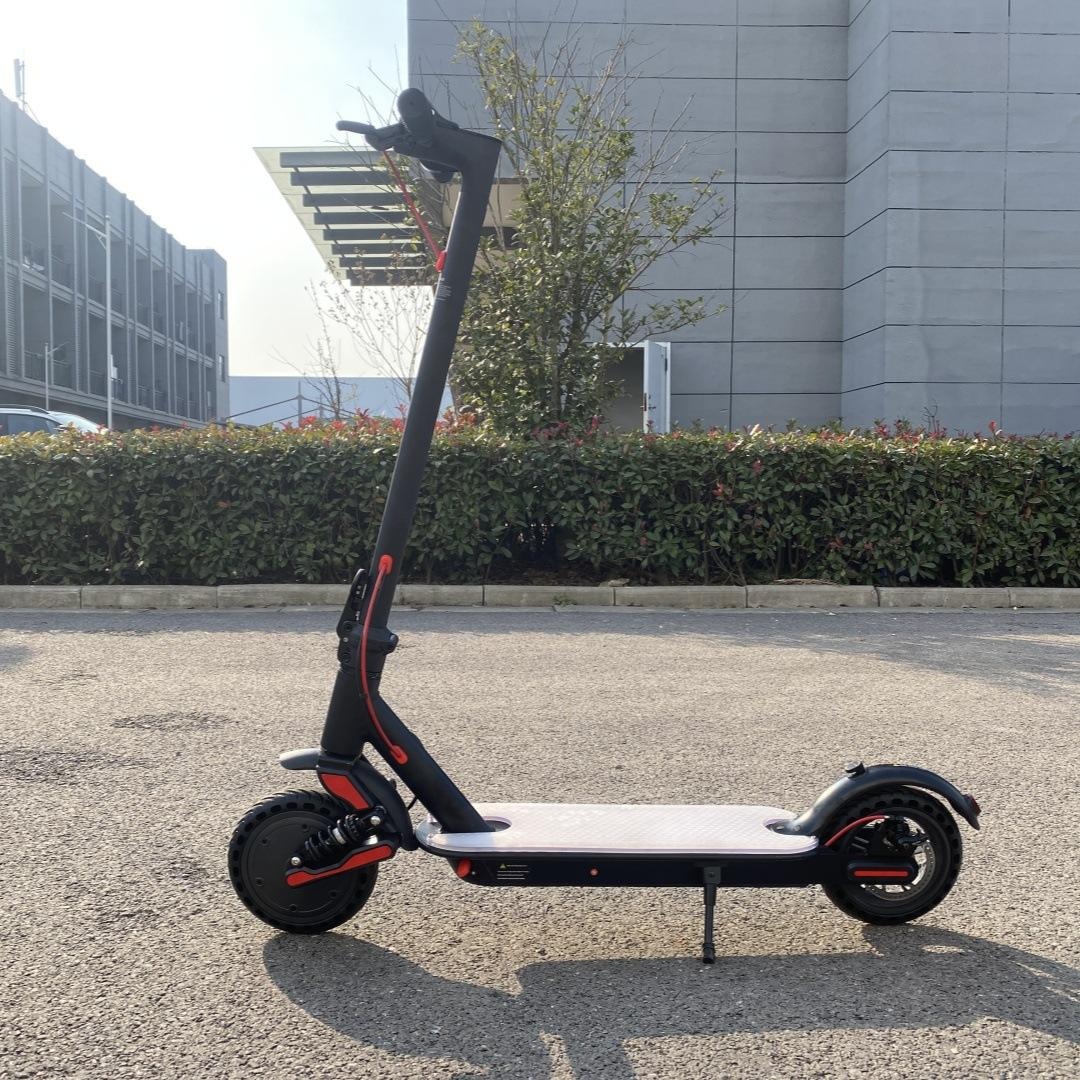
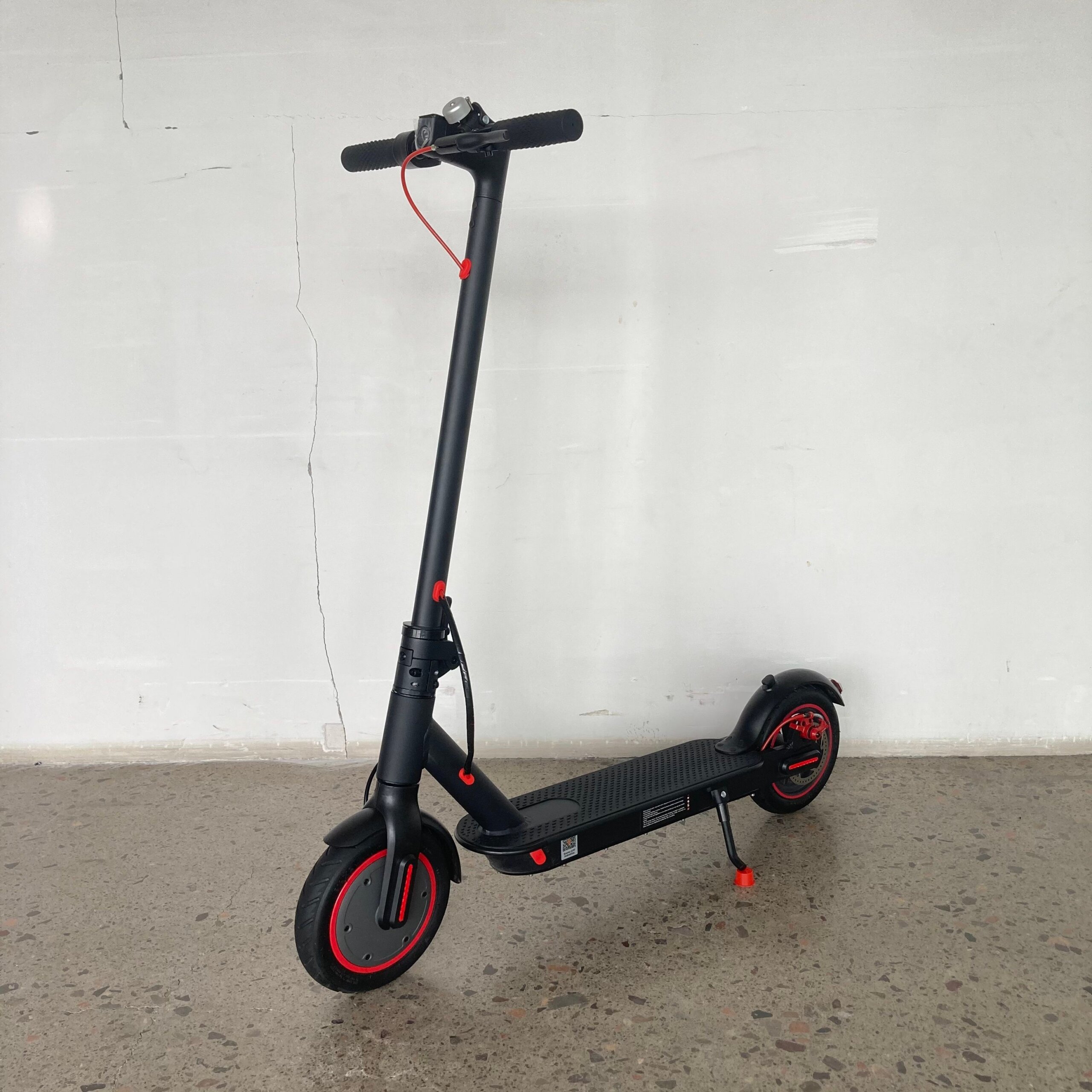
That logic matches the Urban M catalog. The M365 lightweight fast electric scooter for adults 20 mph factory and H1 foldable electric scooter for adults for commuting factory fit light commuting and low-friction ownership. The H0/H0 Pro, GS1/GS1-Pro, and X3 sit closer to daily-use and heavier-duty city use. Then Urbanm G1 electric scooter foldable 40 mph manufacturer and 4000W Dual Motor Electric Kick Scooter with 100km Range clearly push into premium or performance territory. In other words, the bones of the lineup are already there. The job now is to make the tier story sharper, not noisier. (ezbke.com)
Best Pricing Strategy
The original article makes a blunt point: a working good-better-best pricing strategy is not “add more features.” It is “upgrade the failure points.” That sounds simple. It isn’t. In scooter B2B, failure points are where margin leaks out: weak BMS behavior, charger mismatch, bad sealing, sloppy harness routing, fading brakes, hinge wear, and parts that turn a tiny repair into a full unit swap. (ezbke.com)
That’s also where Urban M can sound more credible than a generic supplier. The homepage leans into quality control, ISO procedures, OEM/ODM customization, export support, and a standardized battery/motor interface design. Another Urban M post goes even further and frames sourcing as buying a risk profile, not just buying “a scooter.” That language works because serious distributors care about sell-through, spare-parts flow, inspection rights, and fewer DOA headaches. They don’t care about empty hype. (ezbke.com)
Product tiering strategy that doesn’t cannibalize itself
This is where a lot of catalogs go sideways. If your mid-tier looks close enough to premium, buyers trade down. Then premium stock sits. Then discounts start. Then channel trust gets weird. The original article fixes this with gate logic: entry-level should stay light, simple, and easy to own; mid-tier should add comfort, better real range, and stronger braking confidence; premium should add thermal headroom, better structure, stronger stopping, and better serviceability. (ezbke.com)
Here’s how that thinking maps onto the current scooter pages:
| Tier logic | Model fit from Urban M | Why it fits | Source |
|---|---|---|---|
| Entry-level | M365, H1, H0/H0 Pro | Light weight, short-trip range, simple commuting, easy fold/carry story | Product pages |
| Mid-tier | X3, GS1/GS1-Pro | Better rider confidence, more range, stronger brakes, heavier rider support | Product pages |
| Premium | Urbanm G1, 4000W Dual Motor Electric Kick Scooter with 100km Range | Higher speed ceiling, bigger battery story, stronger suspension/braking package, fleet/performance appeal | Product pages |
This tier map is based on the Urban M category page and the individual product pages for M365, H1, H0/H0 Pro, GS1/GS1-Pro, X3, Urbanm G1, and the 4000W dual-motor scooter. (ezbke.com)
Electric Kick Scooter
M365 lightweight fast electric scooter for adults 20 mph factory
The M365 works as an entry door. It offers a 350W motor, three battery choices, a light alloy frame, fast charging, and compliance-friendly positioning. For dealers, that means easier segmentation by budget and route length. For users, it means less friction. For a brand, it means a clean first rung. (ezbke.com)
H1 foldable electric scooter for adults for commuting factory
The H1 is even more commute-first. It stays light at 8kg, uses a 150W brushless hub motor, and targets short-range last-mile travel. This is not a scooter you should oversell as “performance.” Sell it as reliable urban movement, campus use, or light retail volume. That honesty saves channel pain later. (ezbke.com)
H0/H0 Pro best electric scooter foldable for heavy adults factory odm
The H0/H0 Pro gives you a low-end split without creating total SKU chaos. Same frame family. Two power levels. Two battery levels. Same foldable logic. That’s good platform discipline, and platform discipline matters alot in OEM. (ezbke.com)
GS1/GS1-Pro electric scooter for heavy adults 400lbs factory
The GS1/GS1-Pro is where the line gets more serious. Dual model options, stronger range, 10-inch tires, double suspension, reinforced frame, and heavier-rider support make it a clean mid-tier or heavy-duty city option. It also fits rental startups and urban operators, which is a different sales talk than light commuting. (ezbke.com)
X3 long range electric folding scooter for adults wholesaler
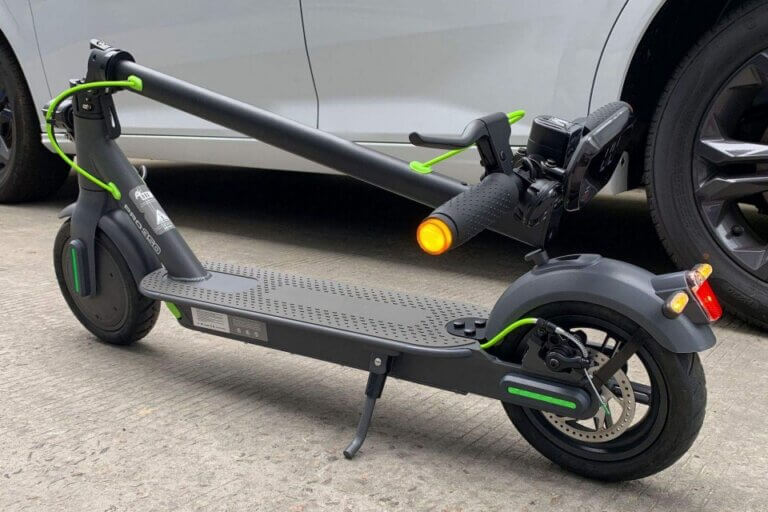
The X3 sits in a very saleable middle lane: 350W motor, pneumatic tires, hidden front suspension, EABS plus disc brake, folding frame, digital screen, and cruise control. This is the kind of scooter that can win daily-driver buyers because it feels more complete, not just more powerful. (ezbke.com)
Urbanm G1 electric scooter foldable 40 mph manufacturer
The Urbanm G1 starts to speak premium. It moves faster, carries a 48V13Ah battery, folds quickly, and fits commuters, delivery fleets, and rental services. More important, its page talks about reliability, braking, visibility, and branding support. That’s the right mix for B2B premium, because premium is not just speed. Premium is fewer excuses in the field. (ezbke.com)
4000W Dual Motor Electric Kick Scooter with 100km Range
This is the top-end signal piece. Dual motors, swappable 52V battery options, hydraulic disc brakes, motorcycle-class suspension, and wholesale/fleet wording all push it into the premium bucket. But the original Urban M OEM article also notes an internal power-spec mismatch on that page. Weirdly, that’s not a weakness if handled right. It gives serious buyers a reason to ask the right sample-stage questions about peak power, rated power, controller limits, and thermal derating. That’s grown-up procurement stuff. (ezbke.com)
Main Application
Last-Mile Commuting
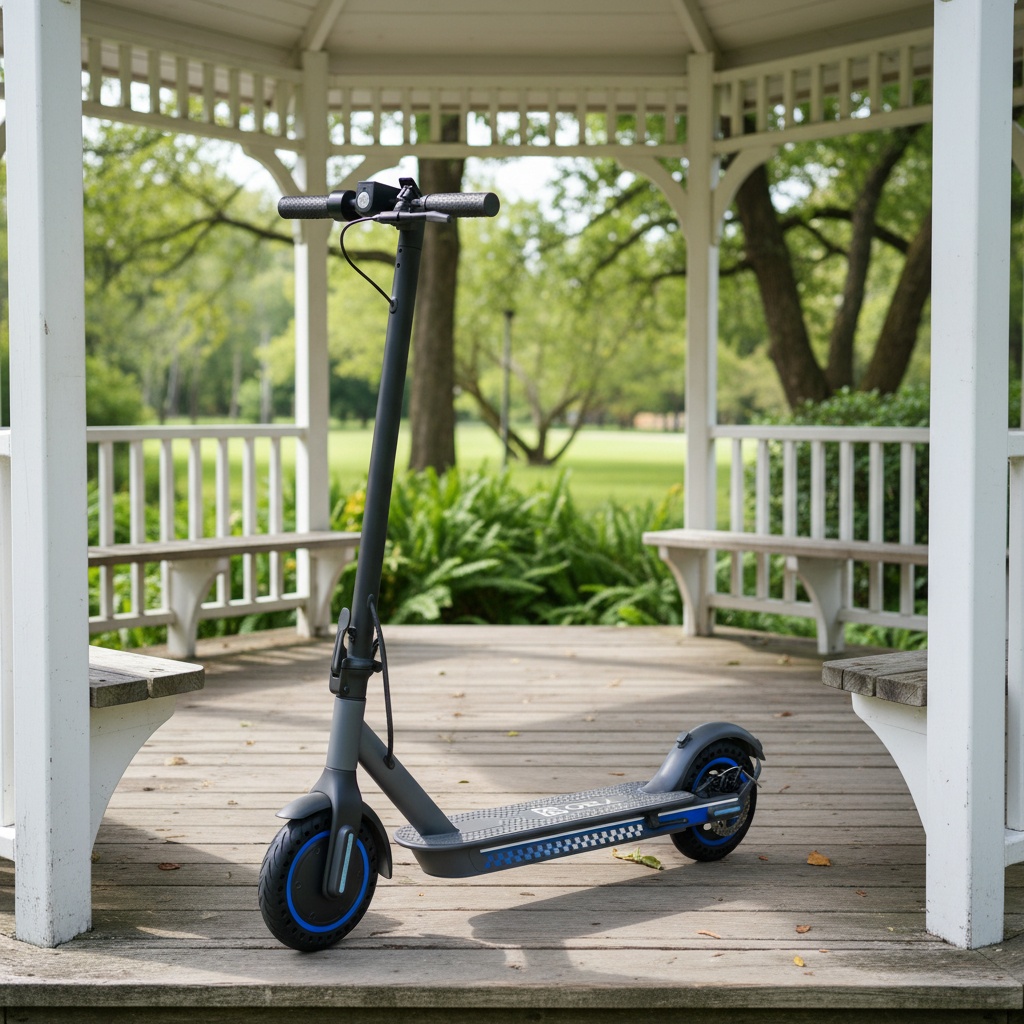
Urban M’s own homepage makes this use case plain: subway-to-office rides, campus movement, short urban runs. This is where entry and mid-tier scooters should stay sharp. Light frame, quick fold, fast charge, stable brakes. No need to overbuild it. (ezbke.com)
Food & Parcel Delivery
Delivery is where fake premium dies fast. Riders load bags, brake hard, hit rough pavement, and repeat all day. That’s why delivery and rental buyers care about brake setup, harness durability, service access, and repeatable parts supply. Urban M talks about this across its application page and brake article, and that gives the product line a real commercial angle. (ezbke.com)
Urban M doesn’t need a louder product line. It needs a cleaner one. The original article gets that right. Build entry-level for easy ownership. Build mid-tier for daily confidence. Build premium for heat, braking, durability, and lower service drag. Then make each SKU earn its rung. When you do that, you don’t just sell more scooters. You give dealers a clearer shelf story, fleets a safer ops story, and your own team fewer post-sale fires to put out. Thats where the real business value is. (ezbke.com)