


-
414 Block B, ZT Times Plaza, Wuhan, Hubei, China

Blog
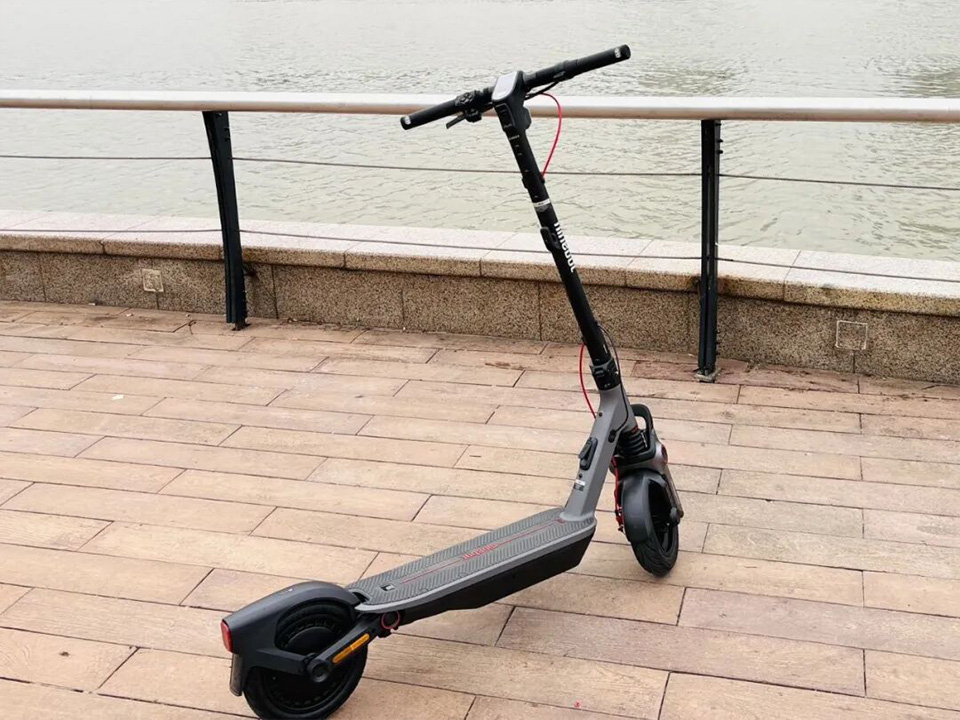
How to Build a Product Line from Entry-Level to Premium Scooters
I’ve watched brands spend six months “designing” a lineup and then get wiped out by a two-week wave of RMAs because the only real change between tiers was a louder spec sheet and a bigger number slapped next to “W,” while the same bargain-bin BMS and bargain-bin connectors quietly cooked packs in the field. It hurts. Badly.
But let’s not pretend this is academic. You’re here because you want a product line strategy that doesn’t collapse the minute customers ride uphill, in rain, with a 92 kg rider, a backpack, and zero patience for excuses.
So I’ll say it straight: the scooter business doesn’t reward vibes. It rewards repeatable QC, predictable service labor, and a tier ladder where each rung has a job. Not a slogan.
Start with segmentation, not horsepower
However, every newbie plan starts with watts. That’s adorable. In practice, scooter market segmentation starts with buyer pain: commuting distance, weight tolerance, maintenance tolerance, hill grade, storage constraints, and whether the customer is a single rider or a fleet manager who’ll call you when 20 units go down on the same day.
Here’s the rule I learned the hard way: one segment per hero SKU. When you build a “do-everything” scooter, you usually build a “meh-at-everything” scooter—then you discount it and tell yourself it was a seasonal issue.
A clean ladder tends to fall into three buckets:
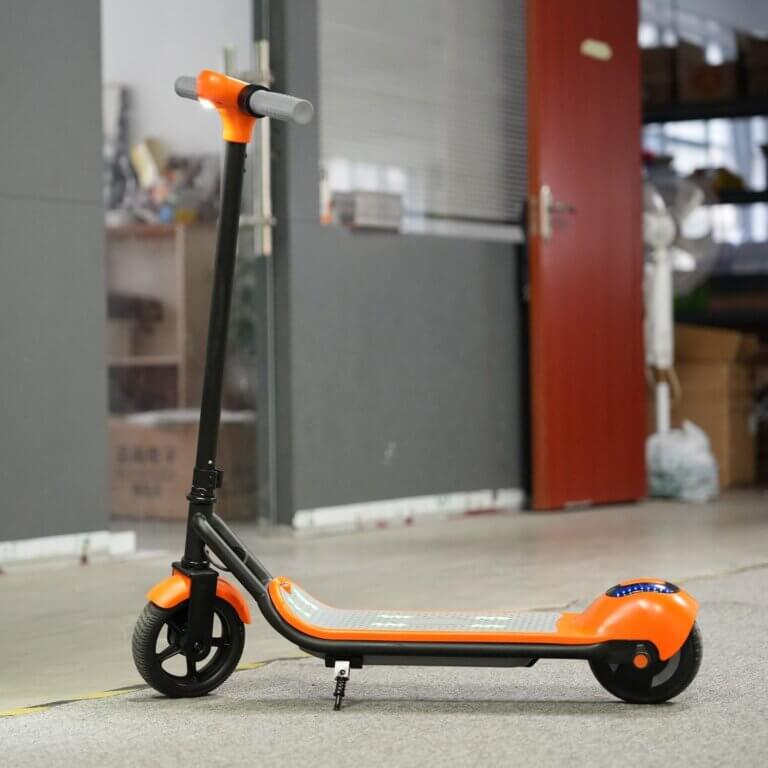
- Entry: portability + low friction ownership (fold, carry, charge, repeat)
- Mid: comfort + real range + confidence braking (the “daily driver” tier)
- Premium: thermal headroom + stability + serviceability + risk reduction (the “I’m paying to avoid problems” tier)
If you need a reality mirror, look at your catalog taxonomy and enforce it: your electric kick scooter collection shouldn’t be a random soup, and foldable electric scooters should obey portability physics (hinge life, carry balance, deck stiffness). If you can’t explain why a model belongs in a category in one sentence, the customer can’t either.
Best Pricing Strategy
Specs are cheap to type, but expensive to honor, and I frankly believe most brands are doing spec cosplay—big peak watt claims, tiny thermal margin, and a controller that panics the moment it sees a long incline at 35°C, which is why I start tiers by deciding what must change to justify margin. Three words: warranty eats.
So the “good-better-best pricing strategy” that works isn’t “add features.” It’s “upgrade the failure points.” The stuff that turns into DOA claims, returns, chargebacks, or angry reseller emails.
1) Lock platform boundaries
From my experience, platform sprawl kills you faster than competition. Decide what stays common inside a tier family:
- Frame geometry (keep it tight—one or two max)
- Display + throttle module
- Harness layout (connector families, grommets, routing)
- Brake component families (pads/rotors you can stock without crying)
- Fastener standards and service access
Then decide what must change across tiers (no cheating):
- Battery Wh and cell grade (not just “48V” marketing)
- Drive system (single vs dual, and continuous behavior)
- Tires + suspension (solid → pneumatic → tubeless, and how it impacts flats)
- Brakes (mechanical → dual disc → hydraulic + tuned regen)
- Sealing targets (water intrusion is the silent killer)
2) Define “truth metrics” per tier
Short version: if you can’t defend it, don’t print it. Long version (and this is where people get twitchy): range claims are the easiest way to poison your premium tier because premium buyers expect the numbers to hold up in cold mornings, wet roads, and real rider weights—not in a lab run with a 60 kg test rider doing 20 km/h on flat ground.
Here’s the boring math that keeps you honest:
- Battery energy (Wh): pack math, no fairy dust Example: 48V × 15Ah = 720Wh
- Real-world consumption: 10–18 Wh/km depending on speed, rider mass, tires, hills Example: 720Wh ÷ 12 Wh/km ≈ 60 km realistic
- Thermal margin: controller heat sinking, MOSFET rating, phase wire gauge, motor saturation behavior
- Stopping confidence: brake type + tire grip + weight distribution + rotor sizing
If you build “premium power” without “premium stopping,” you’re not premium—you’re risky.
3) Use named SKUs as tier signals
I’ve seen too many lines where SKUs look like Wi-Fi passwords. Don’t do that. Entry models should be recognizable and consistent. Premium models should telegraph the stack: power, suspension, braking, battery energy—without a decoder ring.
Concrete anchors from your own lineup:
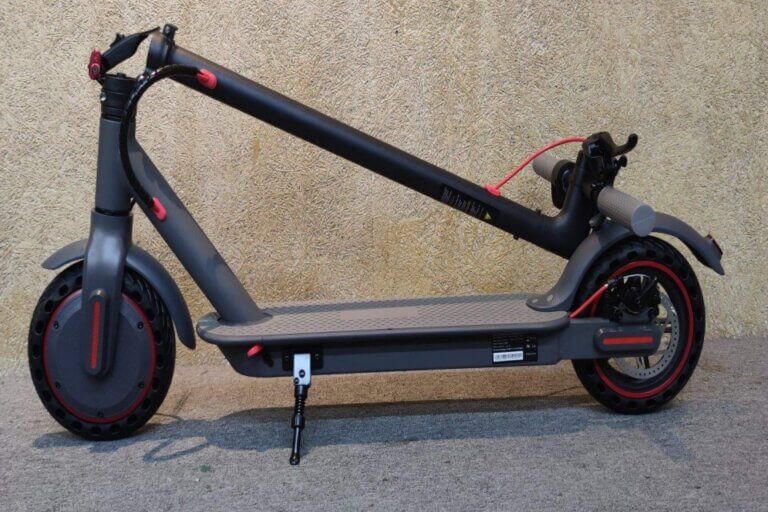
- Entry reference: M365-style commuter scooter (this is the “don’t scare the buyer” rung)
- Premium reference: 4000W dual-motor scooter with 100km range claim (this is the “prove it under load” rung)
- Portfolio view for policing overlap: all products (use it like a cannibalization map)
The scandal nobody says out loud: range claims aren’t just marketing anymore
Yet the industry keeps playing the same game: inflate range, inflate peak watts, then act shocked when returns spike. Why? Because it works. Usually.
But here’s the ugly truth: when your “100 km range” story shows up as 55–65 km in real use, you don’t just lose the sale—you lose the channel. Dealers hate being stuck with angry customers. Fleets hate downtime. And your premium positioning gets torched because “premium” becomes synonymous with “overpromised.”
So your product line extension plan needs teeth: documented pack specs, consistent BMS behavior, charger matching (no weird cutoff drift), and a service plan that doesn’t involve swapping whole units for a connector that costs less than lunch.
Product tiering strategy that doesn’t cannibalize itself
Cannibalization isn’t mysterious. It’s math with feelings. It happens when mid-tier looks “close enough” and premium doesn’t feel safer, sturdier, or easier to live with—so buyers pick mid-tier, your premium sits, and you start throwing discounts like confetti.
My fix is a simple gate system. Not perfect. Effective.
Entry-level gates
- Weight ceiling (roughly 12–16 kg class)
- Single motor, modest peak
- Simple suspension or none
- Mechanical brakes (disc/drum)
- Smaller pack, but clean BMS + charger matching
Mid-tier gates
- Comfort and confidence upgrades (suspension, better tires, better lighting)
- Larger pack (often 600–900Wh zone)
- Better braking feel (dual mechanical disc or early hydraulic)
- Better sealing: connectors, deck gasket, cable routing
Premium gates
- Thermal and structural headroom (controller, motor, frame stress points)
- Dual motor or higher continuous power (not just peak numbers)
- Hydraulic braking + regen tuning + better rotors
- Serviceability: modular bays, accessible controller compartment, standardized harness
And if you’re touching fleet? Stop pretending fleet is “just another channel.” It’s a different animal with different economics. Your sharing scooter category should be treated like a separate product line extension: uptime-first design, tamper resistance, quick-swap wear parts, and a maintenance model that doesn’t require a magician.
The table executives actually read
| Tier | Target buyer | MSRP band (typical) | Battery (Wh) target | Motor setup | Key feature stack | “Truth metric” you must hit | What kills margin |
|---|---|---|---|---|---|---|---|
| Entry | First-time commuter, students | 300–600 | 250–500Wh | Single | light folding, simple brakes, basic lighting | range math that matches Wh; low returns | cheap cells + charger mismatch; hinge failures |
| Mid | Daily commuter, value-performance | 600–1,200 | 500–900Wh | Single or mild dual | suspension, pneumatic tires, stronger brakes, better sealing | real-world range in 10–15 Wh/km band | water ingress, tire/pinch flats, brake wear claims |
| Premium | Performance + heavy riders + hills | 1,200–2,500+ | 900–1,800Wh | Dual common | hydraulic brakes, tubeless tires, thermal headroom, robust frame | heat stability + stopping distance consistency | controller heat failures, pack costs, shipping damage, warranty labor |
The “insider” SKU math: pricing without self-sabotage
But pricing tiers by “feel” is how you end up with a premium SKU that looks expensive and behaves cheap. You price by BOM delta + warranty risk delta + channel margin delta—and you watch the second term like a hawk, because warranty is where your spreadsheet fantasy goes to die.
Here’s the part people hate hearing: entry-level can be less profitable than mid-tier if you cheap out on the battery stack, because low-grade cells + flaky BMS + inconsistent chargers = returns, and returns don’t care how pretty your margin looked on launch day.
Premium isn’t automatically high margin either. Premium returns are savage. Premium customers are picky. Premium buyers also ride harder—more speed, more load, more heat, more “why does it do that?” moments.
So the constraint I use is dead simple: don’t scale power faster than you scale braking, frame stiffness, sealing, and thermal margin. If your premium scooter stops like an entry model, you’re selling a lawsuit with a handlebar.
FAQs
How do you define a product line strategy for scooters?
A product line strategy for scooters is a tiered plan that assigns distinct buyer segments to specific models, sets non-negotiable feature gates (battery Wh, braking class, sealing, service access), and aligns pricing to BOM and warranty risk so each tier earns margin without overlapping so much that mid-tier steals premium demand. Then you police it—monthly—like a cranky auditor.
What’s the best “good-better-best” pricing strategy for an entry-to-premium scooter lineup?
A good-better-best pricing strategy for scooters is a pricing and spec ladder where each step up adds measurable performance plus lower ownership risk—bigger real Wh, stronger braking, more thermal headroom, better sealing, and better serviceability—priced from BOM delta and expected warranty cost, not cosmetic add-ons. If it’s only “more watts,” it’s not a tier—it’s a trap.
How should I segment the scooter market before building tiers?
Scooter market segmentation is the process of grouping buyers by real constraints—commute length, rider weight, hill grade, portability needs, and maintenance tolerance—so each tier solves one dominant job-to-be-done, instead of trying to please everyone and accidentally creating overlapping models that confuse customers and cannibalize premium sales. Segments aren’t demographics; they’re pain profiles.
What specs actually separate entry-level from premium scooters?
Entry-level to premium product positioning is separated by verifiable system upgrades—battery energy and cell quality, drivetrain configuration and continuous behavior, braking system progression (mechanical to hydraulic plus regen tuning), sealing and connector standards, and thermal design margin—because these decide real-world range, stopping confidence, and return rates more than peak watt claims do. Peak numbers are the loudest liars.
How do I avoid premium scooters becoming warranty disasters?
Avoiding premium scooter warranty disasters means designing for heat, water, and service from day one: size controller, wiring, and motor behavior for continuous load; build consistent battery+BMS+charger behavior; harden sealing (deck, grommets, connectors); and standardize modules so repairs are fast, cheap, and repeatable instead of full-unit swaps. Premium buyers don’t forgive “normal.”
Conclusion
So if you’re serious about building a scooter ladder that holds up under real riders and real warranty math, start by auditing your current lineup for overlap on battery Wh, braking, and service access—then rebuild the tiers around those gates. Browse your electric kick scooter lineup, compare it against your portability-first foldable scooter range, and sanity-check how your entry baseline (like M365-style models) graduates into true premium performance (like the 4000W dual-motor class). If you want a ruthless tier map across your whole catalog, start from the full products page and cut anything that doesn’t earn its rung.