


-
414 Block B, ZT Times Plaza, Wuhan, Hubei, China

Blog
How Long Does an Electric Motorcycle Last?
People ask this all the time, and I get why. You see a clean spec sheet, a nice range number, maybe a sharp-looking frame, and the next question comes fast: how many years will this thing actually stay useful? Not “how long can it move,” but how long it can still make sense for commuting, delivery, fleet work, resale, and after-sales without turning into a headache.
That’s the real question.
And here’s the ugly truth: there isn’t one tidy number. Anyone who gives you one flat answer is skipping the hard part. An electric motorcycle and its battery pack don’t age the same way, don’t fail for the same reasons, and sure don’t create the same warranty pressure. One can still be solid while the other starts getting soft. That’s normal. (xdaoev.com)
For wholesalers, importers, and private-label buyers, this matters more than people admit. It shapes parts planning, claim rates, BMS support, battery replacement strategy, even whether a model still looks attractive in year two when customers start asking harder questions. On the Urban M electric motorcycle page, EZBKE leans into the stuff serious buyers actually care about: OEM/ODM support, waterproof frames, UL-certified batteries, up to 200km range, technical customization, and global logistics. That’s not vanity copy. That’s channel logic. (ezbke.com)
How Long Does an Electric Motorcycle Last?
Most of the better articles don’t say the exact same thing, but they land in the same neighborhood. A well-kept electric motorcycle can stay in service for around 10 to 15 years, while the battery usually hits a replacement window somewhere around 5 to 10 years. Some writers stretch battery life to 3 to 10 years, which honestly makes sense because use patterns vary a lot—heat, charging habits, load, stop-go abuse, storage, all of it. (xdaoev.com)
So let’s say it straight: bike life and battery life are not the same thing.
That one point clears up half the confusion in this topic. The chassis, motor, and running gear may still be fine while the pack starts losing punch. Range drops. Performance feels a bit lazy. The rider notices before the bike “dies.” That’s usually how it goes.
Average Lifespan of an Electric Motorcycle
| Specific argument | Why it matters in real buying scenes | Source |
|---|---|---|
| The full bike can last around 10–15 years | Good for dealers and fleet buyers who want a longer sales story, not just a short-term range pitch | XDAOEV |
| The battery may need replacement in about 5–10 years | Helps buyers plan service, warranty reserves, and future pack strategy | XDAOEV |
| Some articles widen battery life to 3–10 years | Reminds you that usage habits can move the number a lot | HappyRun |
| Battery aging does not mean the whole motorcycle is done | Good for resale, refurbishment, and fleet lifecycle extension | XDAOEV |
| Most brands show confidence through warranty length | Warranty is often more honest than ad copy | LiveWire, Zero, Can-Am |
Source notes for the table: XDAOEV says proper care can bring the bike to 10–15 years, with battery replacement often needed after 5–10 years; it also says replacing the battery is often more cost-effective than replacing the whole motorcycle. HappyRun gives a wider 3–10 year battery window. LiveWire states a 2-year unlimited mileage motorcycle warranty and 5-year unlimited mileage battery warranty. Zero model pages also show 5-year unlimited mile battery coverage, while Can-Am states 5-year battery and 2-year motorcycle coverage. (xdaoev.com)
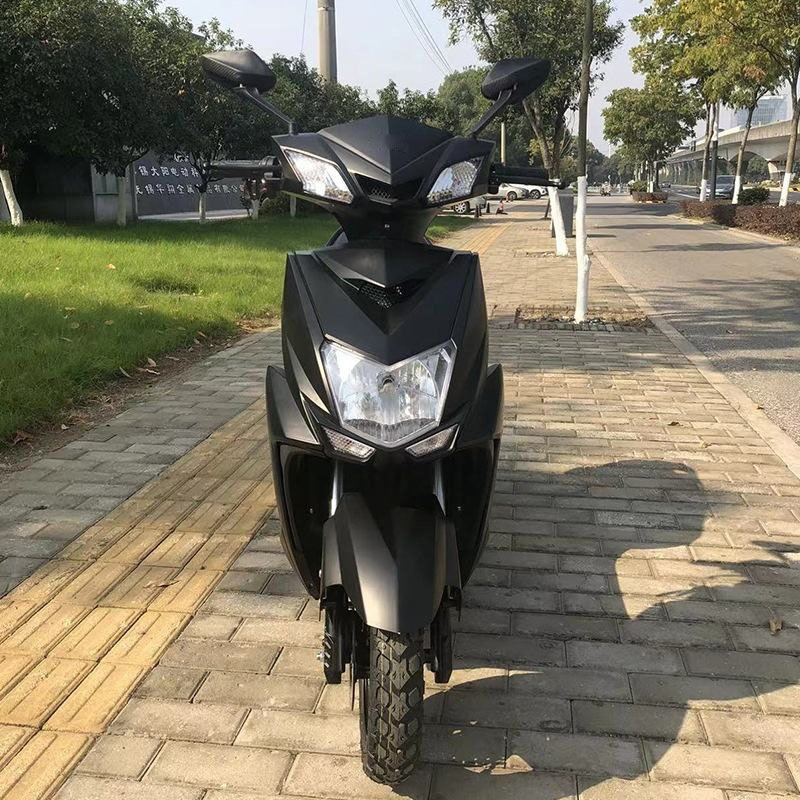
Electric Motorcycle Battery Life
But this is where the whole conversation gets real. Not glossy-brochure real. Workshop real.
Battery life is tied to heat, charging style, discharge rate, storage condition, and how hard the bike gets pushed day after day. Battery University is pretty blunt about it: charge current above 1C and discharge current above 1C can shorten battery life, and cycle life also depends on depth of discharge, load, and temperature. Which means, in plain English, if the pack gets cooked, drained too deep, or hammered constantly, it ages faster. No surprise there. (batteryuniversity.com)
And yeah, real streets matter. Delivery riders don’t ride like brochure riders. Fleet units don’t get pampered. A bike that looks perfect on paper can get beat up fast if the duty cycle is nasty, the charger routine is sloppy, or the pack sits low for weeks.
It happens.
Smart Battery & Charging
From my experience, buyers obsess over speed and range because those are easy to sell. What they should ask is uglier and way more useful: What’s the BMS doing? How does the pack behave in storage? Is replacement support clear? Can the battery strategy scale if the fleet grows?
That’s the stuff that saves your neck later.
LiveWire’s storage advice is a good example because it sounds boring, but it’s the kind of boring detail that separates decent battery life from early degradation. If the bike sits for more than 30 days, the battery should stay around 30% to 70% and shouldn’t drop below 30%. That’s not marketing fluff. That’s pack-care discipline. (livewire.com)
Battery University also treats 80% remaining capacity as a common practical end-of-life point for lithium batteries. Not dead. Just no longer delivering the same usable range and response. For commuting, maybe still okay. For fleet dispatch or rental turnover? Different story. A pack can still be “working” while quietly wrecking service quality. (batteryuniversity.com)
Electric Motorcycle Maintenance
People love saying electric motorcycles are low-maintenance. That part is true. But they often say it in a lazy way.
Low maintenance doesn’t mean zero wrench time.
You still deal with tires, brakes, suspension, drive components, connectors, inspections, wear items—all the unsexy stuff that decides whether a unit keeps earning or keeps sitting. LiveWire says the maintenance load is mostly around normal wear items like tires and brakes, and Can-Am says its electric motorcycles are simpler to maintain because there are fewer parts and no motor oil changes. That’s a real advantage, no doubt. (livewire.com)
Still, fleet people know the truth. Downtime kills.
A bike in the bay doesn’t care how nice the brochure looked. So when you evaluate a model, ask the boring but profitable questions: are the tires tubeless? can the battery be swapped easily? does the charger setup fit the real duty cycle? are spare parts standardized across SKUs, or are you gonna get parts chaos six months later? That’s where a lot of “good” products suddenly stop looking so good.
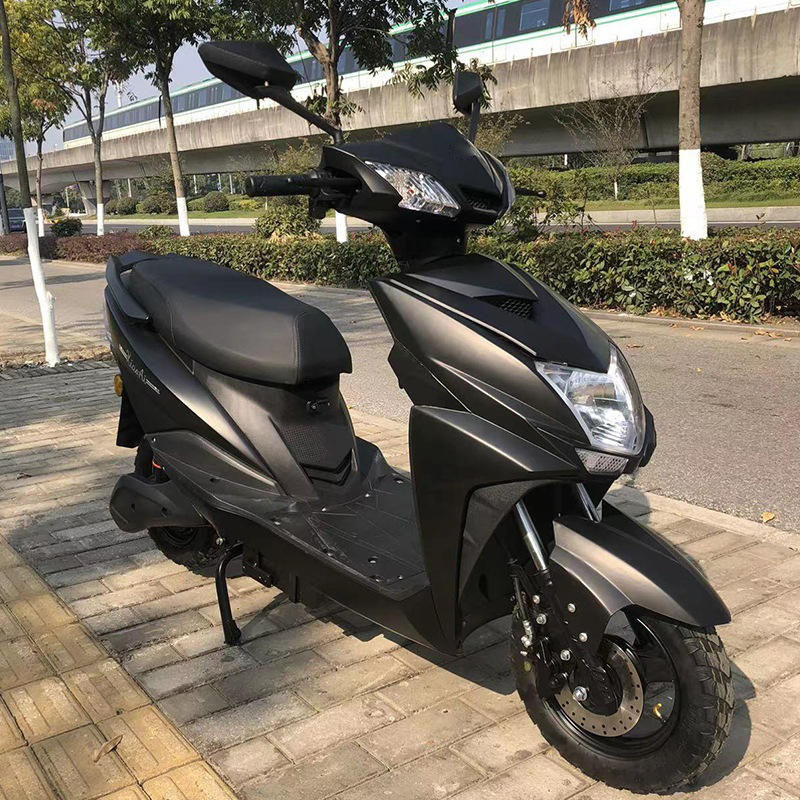
S5 Street Legal Electric Motorcycle Scooter for Adults
The S5 street legal electric motorcycle scooter for adults factory page is a good fit for buyers who need something road-ready, commuter-friendly, and simple enough to pitch without doing a full science lecture. EZBKE says the S5 offers 120–150km per charge, a 3000W Bosch motor, dual 60V24-26Ah Samsung lithium batteries, 45 km/h top speed, 12° hill climbing, 4-hour charging, and 800 recharge cycles. It also leans on tubeless tires and that 800-cycle battery as ways to keep maintenance and warranty friction down. (ezbke.com)
Frankly, I like this angle because it speaks to what distributors actually fight with—service tickets, repeat complaints, and rider confidence. Not just showroom appeal. For city commuting, light delivery, and branded urban channels, the S5 makes sense because it balances compliance, daily usability, and lower operating mess. It’s not trying too hard. Good.
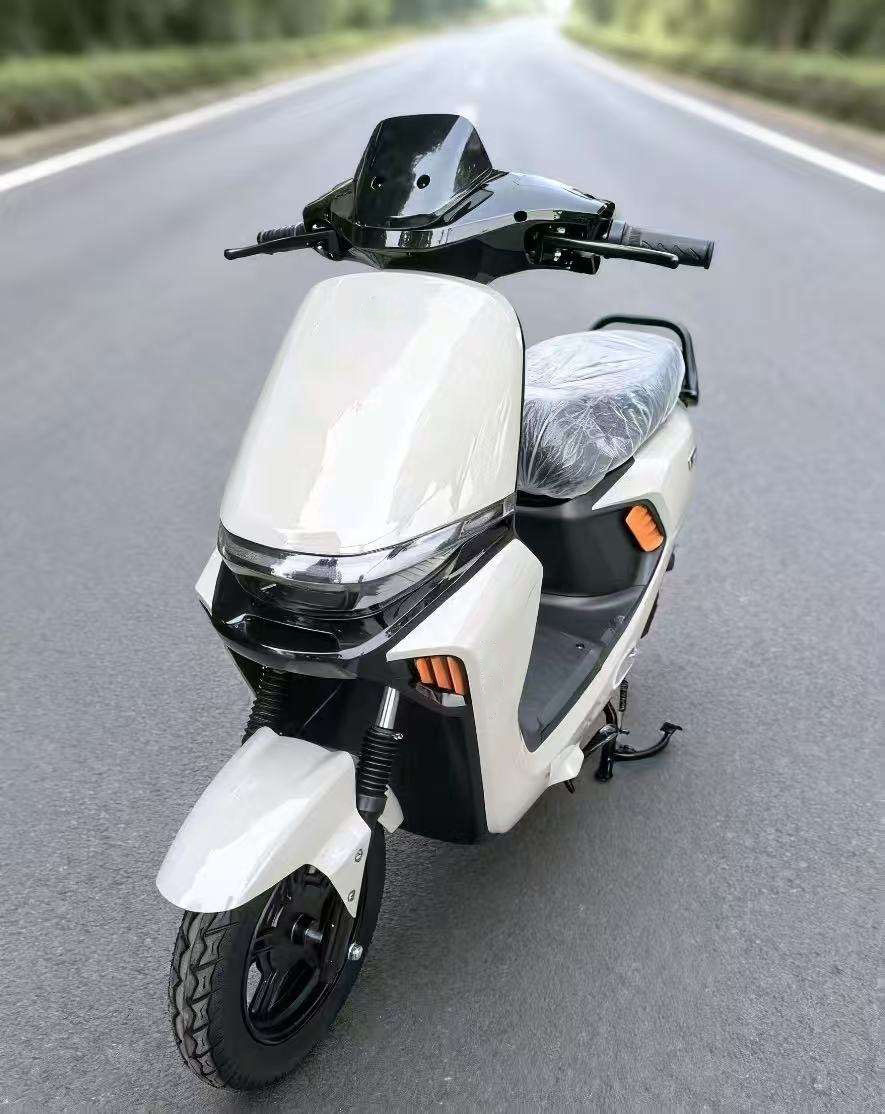
Best Adult Commuter Electric Moped Scooter
Then there’s the S4 best adult commuter electric moped scooter wholesaler oem, which feels very dialed-in for urban traffic, short-haul delivery, and repeat daily use. EZBKE says it supports 75–150 km range, a 1.44kW Bosch motor, a portable 48V26Ah lithium battery, 45 km/h top speed, 12° hill climb, and a battery that can be swapped for backup units. The page also positions it for daily deliveries or commutes—and honestly, that’s the right lane for it. (ezbke.com)
Battery swap matters more than people think. In fleet slang, it’s a downtime hedge. It lets dispatch keep bikes rolling instead of waiting on charge windows. When the route density gets messy and the shift schedule gets messy too, swappable packs stop being a nice feature and start being operational glue.
That’s not theory. That’s street stuff.
X1 Moped Electric Scooter With Seat for Adults Factory OEM
The X1 moped electric scooter with seat for adults factory oem lands differently. Lighter footprint. Easier urban positioning. EZBKE says it combines Bosch-powered performance, a removable long-lasting battery, 90km range, 150kg load capacity, and EEC certification. That makes it easier to move into dealer channels, campus mobility, neighborhood commuting, and entry-level city programs where buyers want practical hardware without overbuilding the whole package. (ezbke.com)
And sometimes that’s the smarter move. Not every market needs the heaviest spec. Some just need stable, cert-ready, low-drama units that keep claims low and riders happy enough.
Commercial Electric Motorcycles OEM Factory Wholesale – Urban M
So, back to the big question.
How long does an electric motorcycle last?
Long enough to be a very good business tool—if the battery strategy, maintenance logic, and OEM execution are done right. That’s the piece too many articles smooth over. The long-life unit usually isn’t just the one with the prettiest headline spec. It’s the one with cleaner pack discipline, more sensible after-sales support, and less operational nonsense once it hits actual roads. That’s what counts.
On Urban M, EZBKE pushes exactly that kind of sourcing frame: OEM/ODM support, waterproof frames, UL-certified batteries, up to 200km range, and products built for fleets, dealers, and private-label brands. If you’re buying for wholesale, channel expansion, or branded urban mobility, that matters more than hype ever will. (ezbke.com)
So yeah—an electric motorcycle can last a long time. But I frankly believe the better question is this: can it still stay profitable, serviceable, and sellable after the honeymoon period is gone? If the answer is yes, then you’re not just buying a machine. You’re buying breathing room. And in this business, that’s worth a lot.