


-
414 Block B, ZT Times Plaza, Wuhan, Hubei, China

Blog
How Foldable Scooters Are Disrupting Car Culture
You see it more and more in big cities.
Someone folds a compact electric scooter, walks onto the subway, pops out downtown, unfolds, and glides past a line of cars stuck in traffic. No parking hunt, no fuel, no drama.
A lot of recent reports on micromobility and our own projects at Urban M / EZBKE point to the same thing:
foldable electric scooters aren’t just a “toy”. They quietly pull people out of cars, especially on short urban trips.
Below I’ll break down the key arguments, real numbers, plus where our Foldable Electric Scooter, K1, and K2 fit in B2B fleets and wholesale deals.
How Foldable Scooters Are Disrupting Car Culture
Foldable Electric Scooter and Short Urban Car Trips
Most journeys in many cities are short. One US-wide study says the majority of daily trips are under about 3 miles – exactly the distance where a car is overkill and a foldable scooter feels perfect.
Micromobility industry reports show that roughly 35–37% of shared bike and e-scooter rides replace a car, taxi, or ride-hail trip.
In Portland, 34% of riders said their last e-scooter ride replaced driving or Uber/Lyft, and for visitors the number hits 48%.
For B2B buyers this is very simple language:
every foldable scooter we deploy can soak up a chunk of short car rides. That means less congestion, less parking demand, and better last-mile coverage without adding another van to the street.
Foldable structure makes this shift easier:
- Riders can carry the scooter into an office, café, dorm, or apartment.
- No need for a fixed dock or a parking spot.
- For suburban users, they can park the car outside the city center and ride the scooter for the last 2–3 km.
So one compact vehicle starts to break the old “car or nothing” mindset.
Foldable Electric Scooter and Mode Shift Away From Private Cars
Mode shift is the big KPI everybody talks about now.
Recent micromobility reports show:
- Around 35–36% of shared micromobility trips replace car journeys.
- In some pilots and surveys (Santa Monica, Lime user studies, etc.), 30–49% of rides replaced a trip that would have been made by car.
For operators and wholesalers that means:
- less VMT (vehicle miles traveled) by cars
- people can delay buying a second car, or even skip owning one at all
- fleets powered by foldable scooters can cover dense city cores where cars are simply too slow
This is how car culture gets chipped away: not with one big bang, but ride by ride.

Foldable Electric Scooter Data and Mode Shift Sources
To make the article feel solid (not just “I feel like scooters help”), you can drop in a simple table like this:
| Study / City / Report | % of Trips Replacing Car | Context | Source (name only) |
|---|---|---|---|
| Portland E-Scooter Findings | 34% of local riders, 48% of visitors used scooters instead of car or ride-hail | Four-month city pilot focused on daily transport, not just fun rides. | Portland Bureau of Transportation findings report |
| NABSA State of the Industry | 35–36% of shared micromobility trips replace car journeys | North America-wide data across e-bikes and e-scooters. | NABSA “State of the Industry” & follow-up updates |
| Veo Mode Shift Report | Over one-third of trips on shared e-scooters/e-bikes replace car journeys; 72% of riders say they drive less | Focus on how shared micromobility changes car ownership and driving frequency. | Veo Mode Shift Report 2025 |
| International Micromobility Research | 28–49% of e-scooter trips replace private car or ride-share, depending on city | Includes trials in Santa Monica and global Lime survey. | “Mode Shift to Micromobility” research report |
Is the data perfect? No. Some rides also replace walking or cycling. But if you’re a fleet buyer or dealer, the pattern is clear: foldable scooters steal a real share of short car trips.
Foldable Electric Scooter Urban Use Cases and Car Trip Replacement
On the Urban M site, the main deployment fields are very clear: last-mile commuting, food & parcel delivery, and tourist mobility.
These scenarios are exactly where cars are clumsy and foldable scooters shine.
Last-Mile Commuting Foldable Electric Scooter Scenario
Picture a typical commuter:
- She takes the metro into the city.
- Folds out a scooter at the station exit.
- Rides 1.5 km to the office door.
No parking passes, no traffic fines, no walking 20 minutes in the rain.
For corporate buyers, this is:
- employee shuttle 2.0 – but without buses
- lower parking CAPEX for office buildings
- easier to hit company sustainability targets without pushing staff too hard
With our Foldable Electric Scooter line, the frames are designed for heavy fleet duty: UL-tested electronics, aircraft-grade hinges rated for tens of thousands of fold cycles, IP54+ waterproofing.
So you’re not just adding a gadget, you’re adding a long-life asset with predictable uptime.
Delivery, Campus, Tourist Foldable Electric Scooter Scenario
Now swap the office worker for:
- a courier doing fast parcel drops in narrow streets
- a student crossing a huge campus
- a tourist renting a scooter in a scenic area
Your pain points here are different:
utilization, uptime, and low maintenance.
Urban M already lists these main fields: last-mile commuting, campus rental, and scenic-spot sharing.
Foldable scooters help operators:
- stack more units in small storage rooms or vans
- do quick PDI (pre-delivery inspection) in bulk
- cut dead runs, because staff can fold a scooter, jump on the metro, and reposition it cheaply
You can sell this to your B2B clients as “fleet density without fleet chaos”.
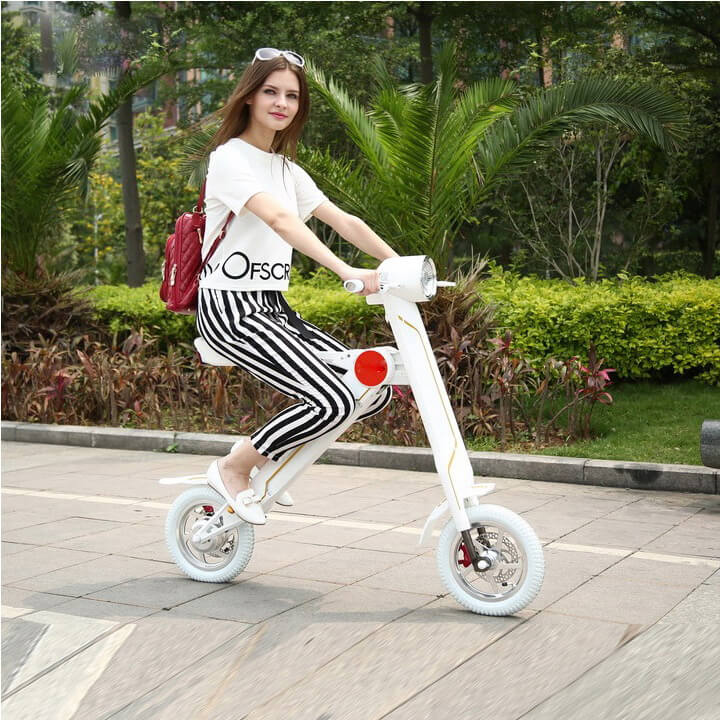
K1 Electric Motor Foldable Scooter Adult Manufacturer Use Cases
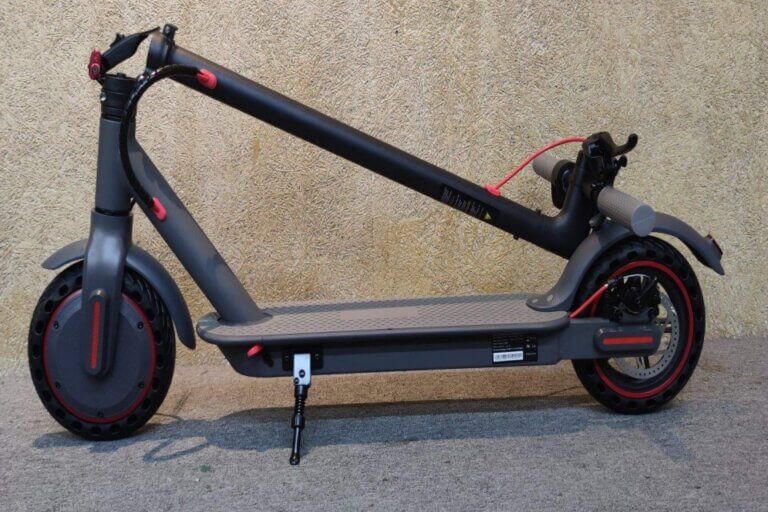
The K1 electric motor foldable scooter is built very obviously for city riders and wholesale partners who care about space and plug-and-play deployment.
Key points you can lean on in the article:
- Compact, foldable aluminum frame – easy to store in tiny apartments or pack tight in a container.
- Motor options tuned for EU and US rules (250W / 350W, with ~25–30 km/h top speeds depending on market).
- Range around a normal daily commute with fast charging windows. Riders can charge in the office and ride home again.
- Comfort details: 12.5″ air tires, bright LED lighting, optional brake light.
- Extra tech like LCD, Bluetooth audio, USB charging, and remote keyless start – tiny things, but for urban users it feels “premium”, not rental-grade.
For fleets this means:
- you can target urban commuters, university programs, and hotel-to-downtown shuttles with one SKU
- you keep TCO in control because the frame and hinges are built for daily folding, not weekend hobby use
- you create a clear upsell ladder: entry-level sharing scooter → K1 foldable “commuter upgrade”
Grammar note, I know, “upsell ladder” sounds like sales talk, but fleet buyers get this wording very quick.
K2 Folding Adult Electric Bicycle Scooter Manufacturer for Fleets
The K2 folding adult electric bicycle scooter goes a step more “fleet-native”.
Core specs you can hint at without turning the article into a spec sheet:
- 450W motor, up to about 25 km/h – enough torque for daily city slopes.
- Multiple battery packs and ranges (25 / 35 / 50 km) so operators can mix deployments: short hops vs. all-day delivery.
- Around 18 kg, still foldable, so riders can carry it into apartments, offices, or trains.
- Container loading data that makes logistics people happy (high pcs per 20GP / 40HQ).
Business angle:
- K2 fits campus fleets, delivery start-ups, sharing projects, and even small municipal programs.
- With OEM/ODM support, you can add IoT, custom branding, geofencing locks, or different tire setups.
- Operators get a single platform that covers commuting and light cargo, so they don’t juggle too many models.
In other words, K2 is not only “a scooter”, it’s a modular micromobility node in your system. Ok, a bit nerdy, but CTOs like to hear that.
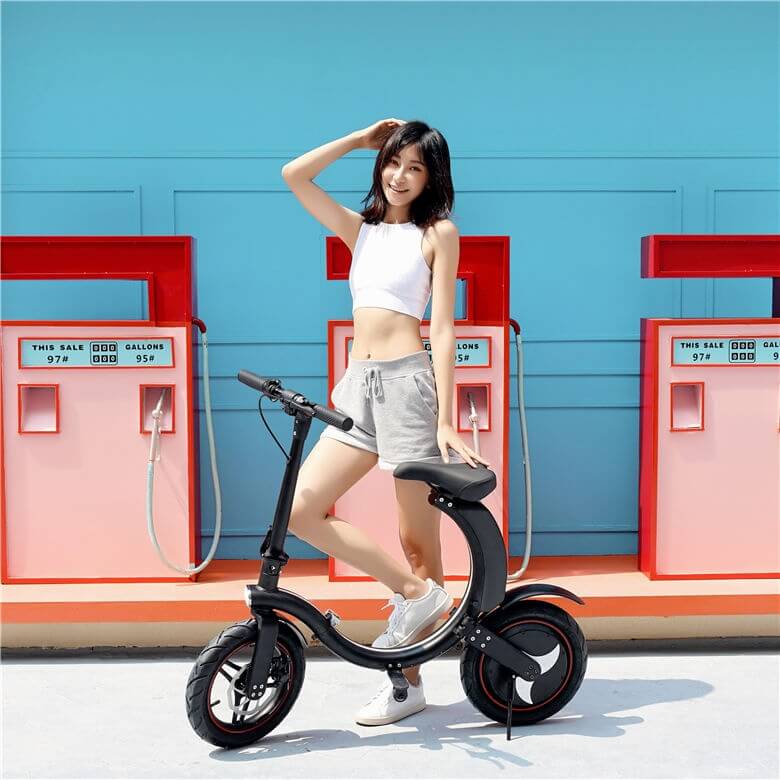
15Y Electric Scooter Manufacturer Plant and Urban M OEM Value
All this only really works if the hardware behind it is stable.
That’s where the 15Y electric scooter manufacturer plant story matters.
From the site you can highlight:
- Over 15 years in electric two-wheelers, with ISO and other certifications behind the production line.
- Full range: Electric Bike, Electric Kick Scooter, Electric Motorcycle, Foldable Electric Scooter, Sharing Scooter, plus custom builds.Foldable Electric Scooter
- Focus on OEM/ODM, bulk wholesale, dealer programs, and support for “-15°C batteries / IoT integration / smart scheduling” for big fleets.
For your reader (probably a buyer, distributor, or project owner), the hidden message is:
“If you want to tap into the global shift away from car-only thinking, you don’t need to reinvent hardware. You plug into an Urban M foldable line that already runs at scale.”
Foldable scooters will not delete cars tomorrow. But with every short ride that moves from steering wheel to handlebar, with every K1 or K2 that rolls out in a campus, tourist spot, or last-mile hub, car culture becomes just one option, not the only one. And that, for a lot of city planners and fleet bosses, is already a big win.