


-
414 Block B, ZT Times Plaza, Wuhan, Hubei, China

Blog
How EZBKE Tests Scooter Durability Before Shipping
If you sell electric kick scooters in bulk, “durability” isn’t a vibe. It’s a system: design choices + inspection discipline + shipping-proof paperwork. Miss one piece and you’ll feel it fast—DOA units, RMA piles, angry fleet ops, or customs hold. EZBKE positions itself as a “15Y electric scooter manufacturer Plant” with ISO-certified production and wholesale/OEM/ODM focus, so the argument is simple:
Durability before shipping is mostly about catching boring, repeatable failures—before your customer catches them for you.
Electric Kick Scooter durability: what actually fails first
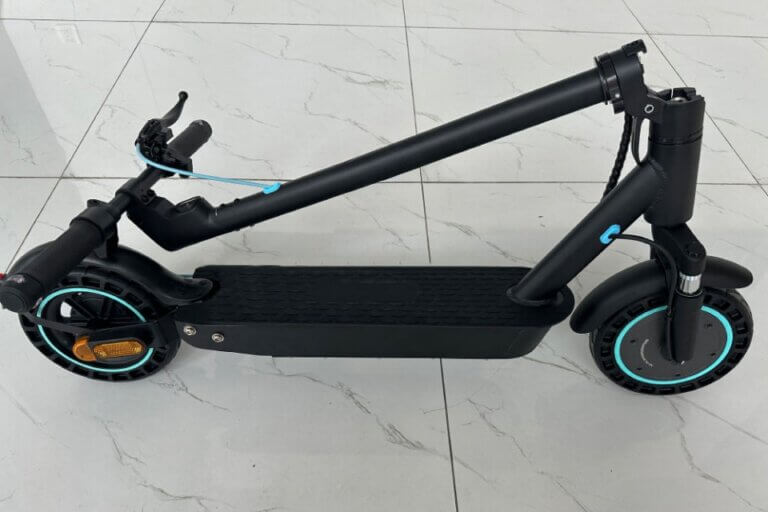
Here’s the part people don’t like hearing: on daily use, hinges and stems often suffer before motors do. Riders slam the folding latch, bounce curbs, and yank the bar when the front wheel hits a pothole. That’s why EZBKE calls out fold hardware and the front assembly as the first durability conversation for commuter/fleet frames (they mention H1 and M365 style positioning, plus heavier-duty thinking for GS1/GS1-Pro).
So if you’re sourcing for resale, don’t start with “top speed.” Start with:
- Stem play and latch integrity (micro-looseness becomes warranty hell)
- Fastener torque consistency (one loose bolt = one bad review)
- Brake behavior under real load (not “it stops in the factory”)
- Deck + front-end alignment (cheap tolerances show up as wobble)
EZBKE’s product pages lean into “built to last” language in very practical ways:
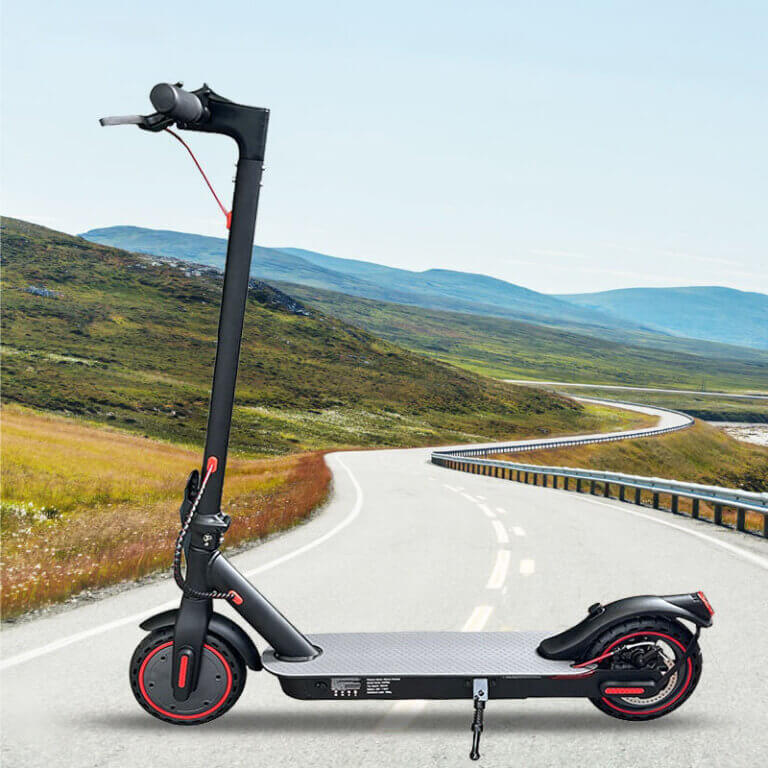
H1 talks about an aluminum frame, solid tires for zero maintenance, and “reliability at scale.”
M365 highlights aircraft-grade alloy, quick charge option, and “global compliance.”
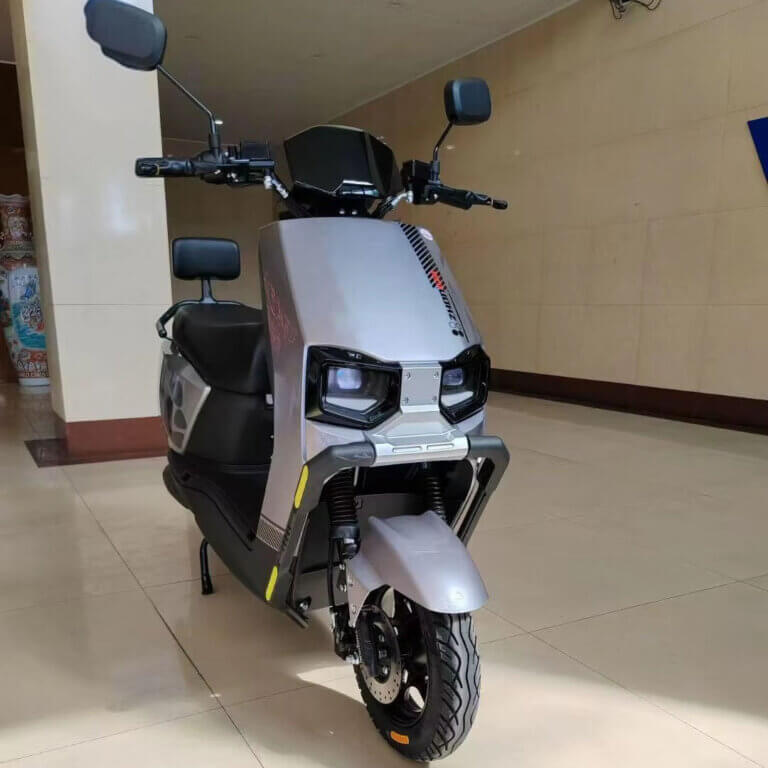
And the high-power 4000W dual-motor model explicitly positions “safety and durability” with hydraulic disc brakes and “motorcycle-class suspension”—that’s a durability story, not just a speed story.
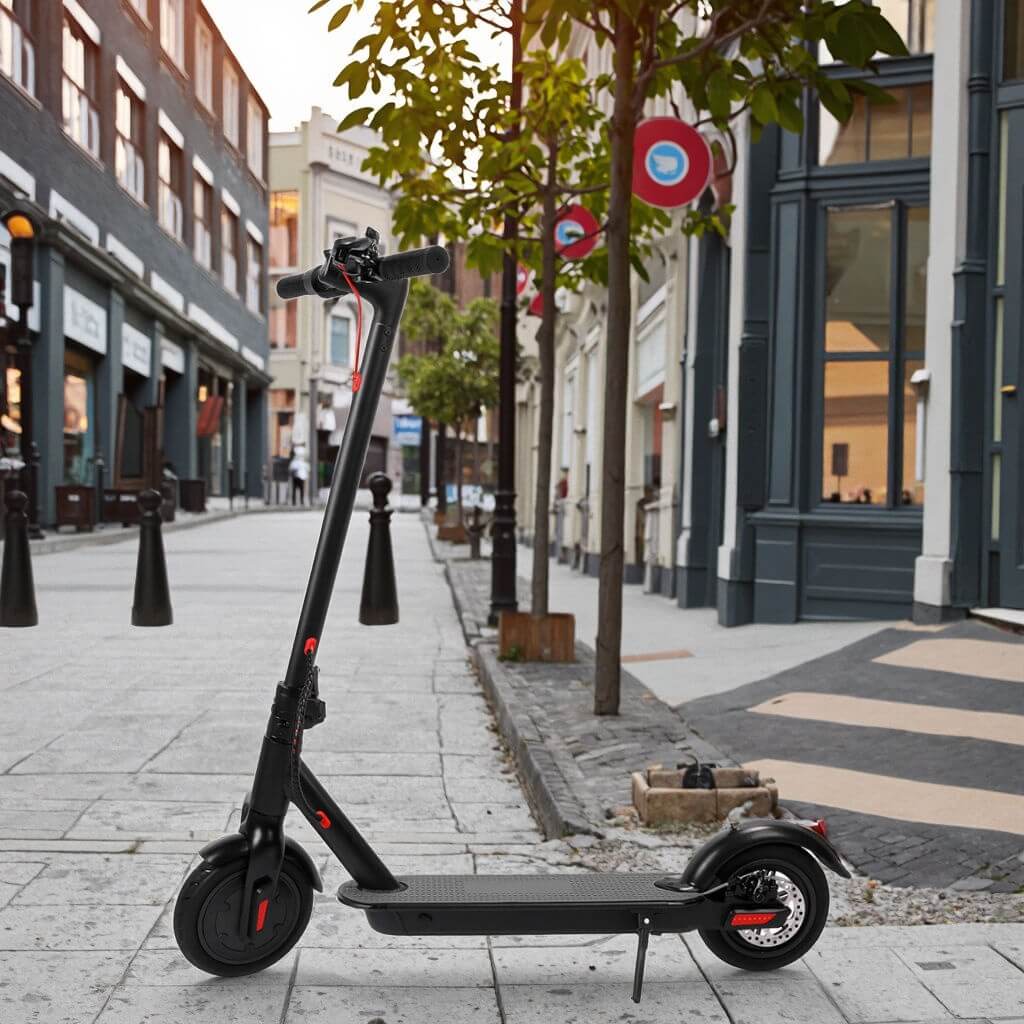
Pre-Shipment Inspection
You can build a decent scooter and still ship a bad unit. That’s why EZBKE frames pre-shipment work as a system, not a pep talk.
When buyers say “test durability before shipping,” what they often really mean is:
“Prove you can ship the same quality twice.” That’s repeatability.
AQL sampling plan and pre-shipment inspection checklist
EZBKE spells out the basics wholesale buyers expect: AQL sampling, clear defect definitions (critical/major/minor), and consistent pre-shipment steps. They also mention practical checks like torque specs/marking fasteners, functional checks (brake cut-off, throttle response, lighting), and packing consistency (transit damage kills reviews).
In factory slang, that’s your OQC + PDI discipline. And it directly hits buyer pain:
- Less DOA at arrival
- Fewer “random” issues across pallets
- Cleaner after-sales loop (spare partss parts plan, faster sorting, less drama)
If you’re buying for fleets (rental, delivery, campus), this matters even more. A single batch with sloppy torque control can turn into a whole month of rolling failures. Not fun.
UL 2272 / UL 2271 for North America (NRTL path buyers actually use)
A lot of “durability problems” are actually safety/compliance problems that show up as returns, takedowns, or blocked procurement. EZBKE’s compliance post puts it bluntly: North America buyers commonly ask for UL 2272 (system) and UL 2271 (battery pack), and they’ll want to verify scope + file/control details.
EZBKE also points out the kind of technical language serious buyers expect (BMS protections like OVP/UVP/OCP/OTP, traceable labels, and a repeatable compliance “playbook” across models like H0/H1/GS1/M365/X3 and Urban M G1).
So if you’re selling into U.S./Canada channels, this isn’t optional “nice-to-have.” It’s part of your onboarding packet.
Battery safety & logistics: IEC 62133-2 + UN 38.3 Test Summary (don’t ship without them)
This is where deals die quietly.
EZBKE’s OEM article says battery compliance decides if you can ship, and calls out UN 38.3 Test Summary as the doc serious OEMs should provide for the exact battery pack configuration. They even describe the real-world risk: you’re not “waiting on paperwork,” you’re waiting on trouble.
The compliance post also pairs IEC 62133-2 with UN 38.3 Test Summary and stresses matching documents to the exact battery BOM (cells/BMS/enclosure) and the shipped pack values—because mismatches get cargo parked.
This matters more for long-range or higher-output SKUs—like the 4000W dual motor unit, or performance commuter models like Urbanm G1—because shipping partners and buyers scrutinize packs harder.
Model references you can point to (keywords matter for search)
EZBKE literally lists the model map buyers can use when matching spec to scenario.
Here’s how I’d translate that into buyer language (not marketing talk):
- H1 foldable electric scooter for adults for commuting → office/metro commute fleets, corporate mobility, “grab-and-go” daily loops.
- M365 lightweight fast electric scooter for adults 20 mph → classic retail commuter segment; multiple battery options, CE/FCC/ROHS callouts.
- GS1/GS1-Pro electric scooter for heavy adults 400lbs → heavier rider positioning + urban/rental angle; you’ll care more about frame consistency, brakes, and fastener control.
- X3 long range electric folding scooter for adults → campus routes, hotel loops, longer hops; “smart” features + portability.
- Urbanm G1 electric scooter foldable 40 mph → performance tier for commuters/fleets who need more headroom; EZBKE positions it for commuters, delivery fleets, or rental services.
- 4000W Dual Motor Electric Kick Scooter with 100km Range → high-demand, high-stress duty cycles; suspension/brakes/battery docs matter a lot.
Table — Arguments, what it means, and Ezbke evidence
Below is a practical “buyer-facing” table you can paste into a sourcing deck or send to procurement. I’m using EZBKE’s own structure (argument → meaning → evidence) and adding a “how you verify” column for real ops work.
| Argument (keyword) | What it means in the real world | How you verify (buyer ops) | Source on EZBKE |
|---|---|---|---|
| Electric Kick Scooter durability: what actually fails first | Hinge/stem/front-end issues show up early; prevent wobble and latch wear | Ask for fold mechanism durability documentation + stem play check in PDI | “Why Ezbke Foldable Scooters Are Built To Outlast Competitors” |
| Pre-Shipment Inspection | Consistent output beats “one good sample” | Require AQL plan, defect definitions, torque marking, functional checks, packing checks | “What Makes a Scooter OEM Worth Partnering With?” |
| UL 2272 / UL 2271 for North America (NRTL path buyers actually use) | Fewer channel blocks; smoother insurance/procurement | Ask for UL file/control info + scope matching to exact model | “Wholesale Scooters Compliant With UL/CE” |
| Battery safety & logistics: IEC 62133-2 + UN 38.3 Test Summary | Your cargo actually ships; less battery-related risk | Match UN 38.3 Test Summary and IEC report to exact pack BOM | “Wholesale Scooters Compliant With UL/CE” + “What Makes a Scooter OEM…” |
| Electric Kick Scooter category hub (OEM/ODM, wholesale, factory-direct) | You can run private label without reinventing the wheel | Confirm OEM/ODM options + IP rating claims + battery compliance positioning | Electric Kick Scooter category |
| Urbanm G1 electric scooter foldable 40 mph manufacturer | Performance SKU that still needs compliance discipline | Treat it like a “premium anchor”: same doc pack, tighter QC | Urbanm G1 page + compliance post |
One last thing (this is the part buyers respect)
EZBKE’s category page literally sells the promise: IP54-rated durability, UL-certified batteries, factory wholesale, and OEM/ODM options. Electric Kick Scooter
But your job as a buyer is to turn promises into receipts: AQL sheets, test summaries, and inspection checkpoints.