


-
414 Block B, ZT Times Plaza, Wuhan, Hubei, China

Blog
How Ezbke Supports Pilot Projects For Sharing Programs
Sharing Scooter
If you’re planning a pilot, don’t start by arguing about “top speed.” Start by asking one boring question:
Can this fleet stay online, stay compliant, and stay fixable when the city starts watching?
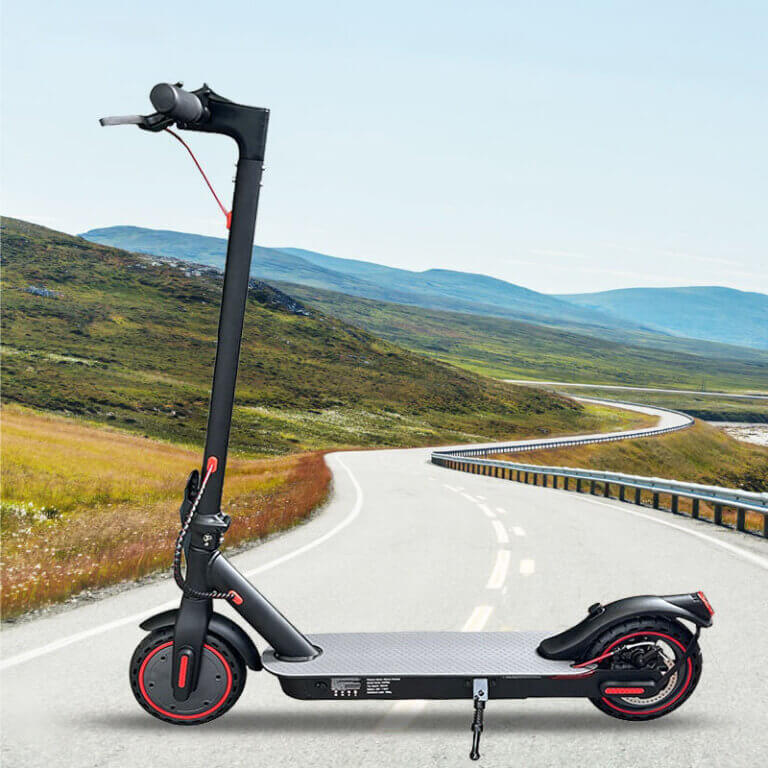
EZBKE’s Sharing Scooter category page frames sharing-grade as a bundle: IP65-rated, commercial batteries (1500+ cycles), GPS/Bluetooth lock, plus bulk OEM customization (branding, payment terminals, compliance kits). It also positions an ops goal: cut downtime to <5%. That’s exactly the language pilots care about—availability, control levers, and auditability.
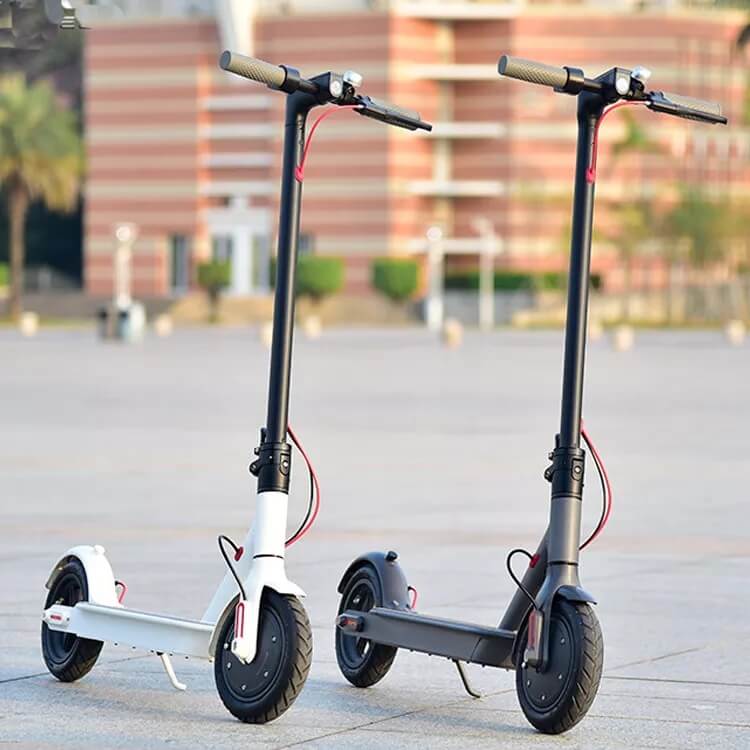
Starting a Scooter Sharing Program in Your Area
Sharing Scooter program: permit-first, pilot-later
Here’s the core argument EZBKE makes, and honestly it’s the right hill to die on:
Get a permit with real enforcement teeth, then run a time-boxed pilot. The article calls out “caps, service zones, response KPIs, data sharing,” and it even suggests a 6–12 month pilot with weekly scorecards (availability, utilization, incidents, complaints closed).
Why this matters for you: a pilot isn’t just “testing demand.” It’s a proof that you can run ops like an adult. Cities don’t want vibes. They want levers.
Pilot project talking points (use these in your deck / city meeting):
- Permit-first, pilot-later (control + trust)
- Weekly ops scorecard (show you can manage performance)
- Write the boring stuff into the permit (insurance, rebalancing SLAs, telemetry spec, penalties)
Parking and fleet density planning for scooter share
Most pilots die here: sidewalks get messy, complaints spike, and your permit renewal gets awkward fast.
EZBKE treats parking as a real lever—designated bays, geofenced end-trip, and spacing rules meant to reduce clutter and boost “churn” (their word: fewer complaints, better ride flow).
If you want a practical rollout picture: you place corrals near transit + hot blocks, then you enforce end-trip rules with geofence + QR flow. Riders complain for a week, then they adapt. Ops gets calmer.
Micromobility safety: injury baseline and actual controls
This section is refreshingly blunt: Safety KPIs beat slogans. It lists controls like dynamic slow zones, late-night throttling, beginner mode, and tracking incidents per trips (plus hazard clearance times).
That’s the pilot win: you don’t promise “safe.” You show how you control risk.
E-scooter lifecycle & sustainability (LCA)
EZBKE also makes a point that’s easy to forget when you’re busy shipping hardware:
The “green” story depends on lifespan + ops. Swappable batteries, modular parts, repairability, and smarter rebalancing all matter.
This is also where your procurement story gets stronger. A pilot isn’t just a short test. It’s the start of an asset lifecycle.
Argument map (claims + where they come from)
| Pilot project claim (specific) | What it solves in the real world | How EZBKE supports it (hardware + ops + SaaS) | Source |
|---|---|---|---|
| Permit-first, pilot-later + weekly scorecards | Cities want control levers, not promises | Ops KPI framing + pilot checkpoints | |
| Parking rules + geofenced end-trip | Sidewalk clutter + complaint storms | Geofence + lock-to thinking; “parking is the lever” | |
| Safety controls (slow zones, night rules) | Injury risk + political heat | Speed management via geofence + policy levers | |
| Lifecycle depends on uptime + repairability | “Green” claims collapse if units die early | Swappable energy + modular repair approach | |
| IoT + GPS telematics is non-negotiable | No data = no SLA control, no audits | Locks, live data, GPS pinning, geofence | |
| White-label app + OEM/ODM | You need your own brand + rules | Branding, pricing rules, OTA + telematics integration | |
| Sharing-grade category baseline | Pilot needs durability + compliance hooks | IP rating, commercial batteries, GPS/Bluetooth lock |
SaaS Platform for Sharing Scooter Fleet Management
IoT & GPS telematics for Sharing Scooter (locks, live data, geofence)
EZBKE says it straight: your software is only as good as the data it sees. The IoT module locks/unlocks, streams battery %, pins units on the map, and enables geofences for parking and control.
This is the pilot reality:
- Without telematics, you can’t prove SLA compliance.
- Without geofence, you can’t enforce parking.
- Without device alerts, MTTR turns into “we’ll look at it tomorrow”… and tomorrow never ends.
White-label app & OEM/ODM (brand it, own it)
For pilots, “brand” isn’t vanity. It’s accountability.
EZBKE positions white-label + OEM/ODM as standard: your logo, your pricing rules, promos, and operational workflows—plus OTA firmware and shared telematics. It also explicitly ties in Urban M styling, which matters more than people admit (a clean fleet gets less vandal love).
Product lineup keywords: Super S, FS Pro, S1 (match model to scenario)
This part is gold because it pushes the right habit: choose by use-case, not hype. It lists Super S / FS Pro / S1 and maps them to rider profiles and fleet strengths.
Campus mobility, tourism rentals, corporate commute (real-world rollouts)
The post lays out a rollout flow that actually sounds like ops people wrote it: SKU mix, IoT provisioning, pilot-zone geofence test, SOPs (battery swap windows, rebalancing rules, spares %, MTTR targets), compliance docs.
Best foldable electric scooter for commute bike wholesaler
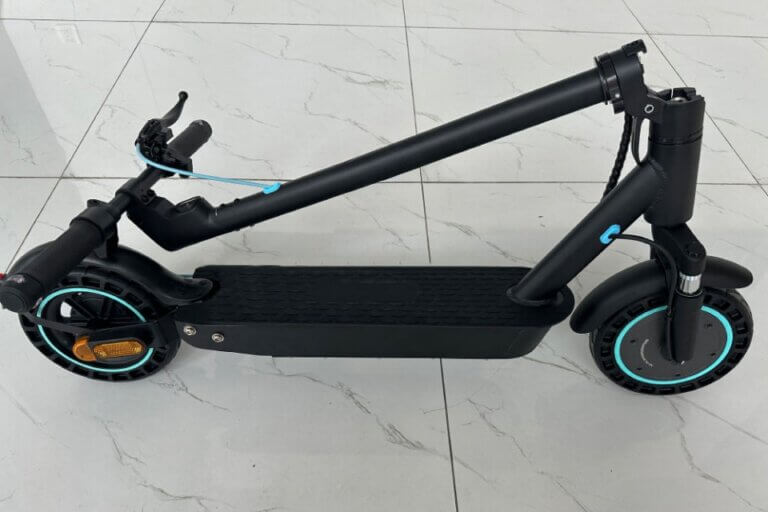
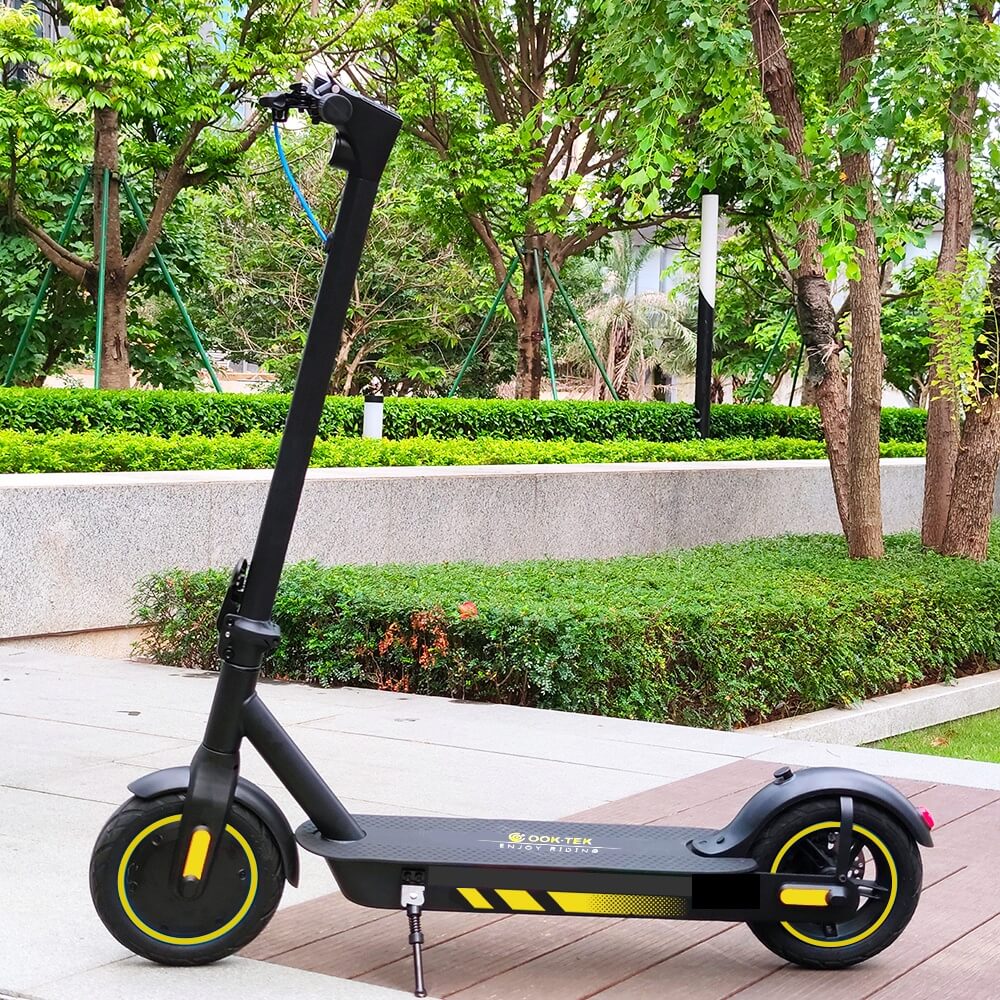
The Super S page reads like it was written for fleet buyers, not random consumers: waterproof motor/components, solid tires, drum brakes + EABS, “Built for Sharing Fleets,” and logistics like container counts. It also explicitly pitches city rentals, campus mobility, and last-mile logistics.
If your pilot has tight parking bays, metro transfers, or strict sidewalk enforcement, a compact fold helps. Less clutter = fewer complaints = easier permit renewal. Pretty simple.
FS Pro mobility electric motor scooter for adults supplier
FS Pro is positioned as the low-maintenance workhorse: airless tires, swappable battery options, 4G connectivity, GPS tracking, and global certifications. The page even claims reduced upkeep (percentage-based), plus stackable design for shipping efficiency.
In pilot terms: FS Pro fits the “hot zone” model—CBD, transit hubs, anywhere demand is brutal and downtime gets exposed fast.
S1 foldable electric scooter for adults 300 lbs factory
S1 leans into inclusivity and durability: IP67-rated controller/battery, non-inflatable tires, EABS + drum brake, and “Perfect for Heavy Use.” It also stresses bulk logistics (container packing) and OEM positioning.
This matters because pilots get judged on who they serve. If weight limits block riders, adoption looks fake. S1 helps you avoid that trap.
Fleet Scalability: Why Ezbke Sharing Scooters Are Built To Scale
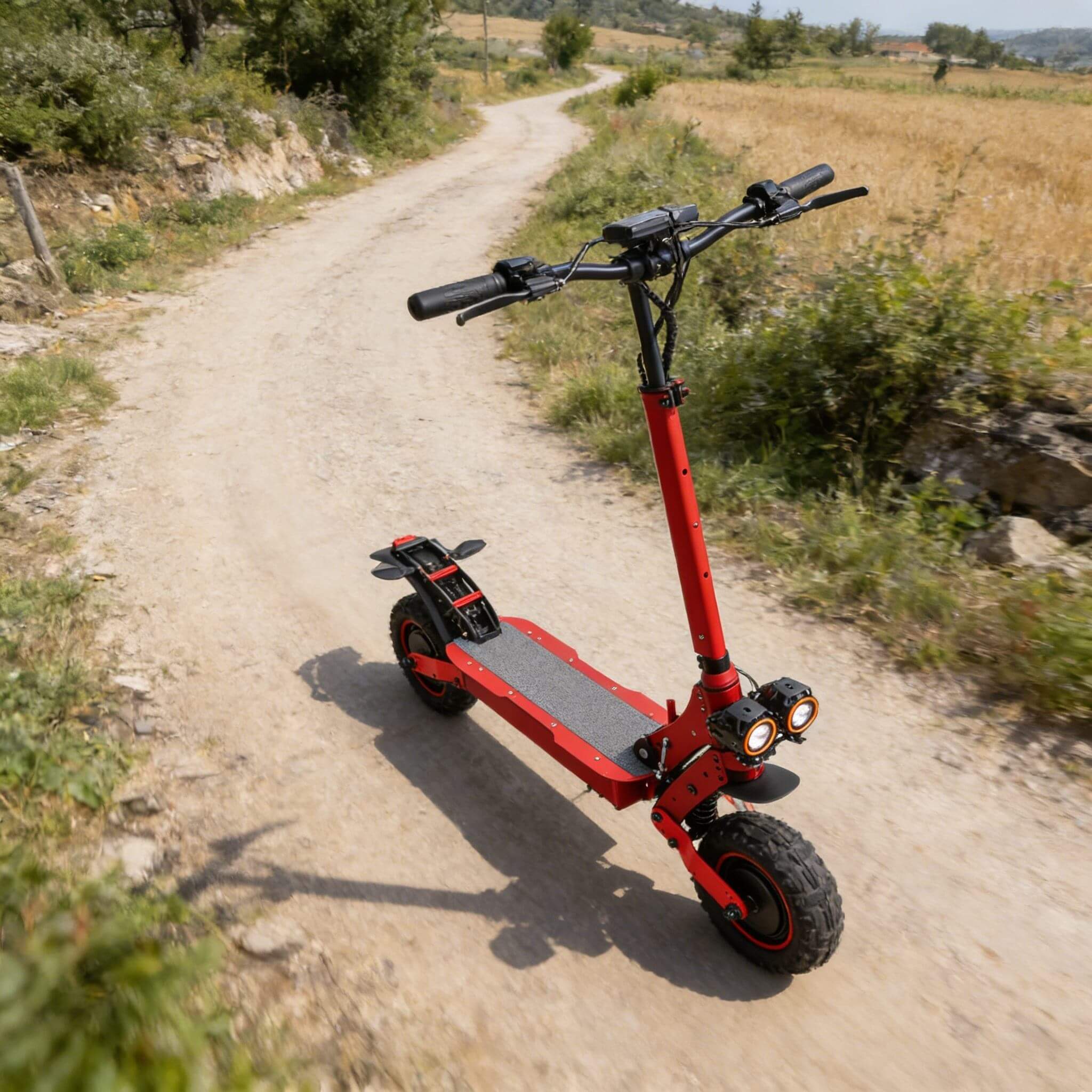
Pilots don’t fail at 20 units. They fail when you scale and your ops inbox turns into a dumpster fire.
EZBKE’s scaling post describes the three-layer stack clearly: Hardware + IoT + Ops, including swappable packs, waterproof cabling, GNSS/GPS + BLE, OTA firmware, geofence, and ops processes like rebalancing and photo end-ride checks.
That’s the real close for a pilot:
- prove compliance and control,
- prove uptime and serviceability,
- then scale without chaos.
So what’s the thesis?
A sharing pilot works when you treat it like a system test—not a scooter test. EZBKE’s content lines up around that idea: permit structure + KPI scorecards, parking control via geofence, safety via speed policy, and a fleet stack that supports ops (IoT + reporting + service-friendly hardware).
If you’re building this for your buyers (operators, wholesalers, city vendors), here’s the business value angle you can slide in naturally:
- You’re not selling “units.” You’re selling uptime, compliance, and repeatable rollout playbooks—with OEM/ODM capacity behind it.
- Urban M branding helps you look legit in city-facing pilots, not like a pile of random imports.
And yeah—none of this is “easy.” But it’s doable if you stop chasing shiny specs and start chasing control. That’s the whole point of a pilot, right?