


-
414 Block B, ZT Times Plaza, Wuhan, Hubei, China

Blog
How Ezbke Supports Micro-Mobility Startups
You’re not just buying scooters. You’re trying to stand up a full micro-mobility stack that doesn’t blow up your ops team or your P&L.
Ezbke / Urban M sits in a funny but useful spot here: 15-year electric scooter manufacturer plant, ISO-cert production, categories from Electric Bike to Sharing Scooter, doing OEM/ODM and bulk wholesale for fleets worldwide.
So the real question is: how exactly does this factory setup help a micro-mobility startup and not just a random reseller? Let’s walk through the main angles, with real street scenarios and actual product names from your site.
Sharing Scooter Solution For Startups
The blog “Sharing Scooter Solution For Startups” basically lays out a founder playbook in plain language.
Sharing Scooter business model: hardware + IoT + ops (the real stack)
That post cuts through the buzz: a sharing project is a three-layer stack – durable hardware, connected IoT, and gritty day-to-day operations.
- Hardware: sharing-grade frames, swappable packs, waterproof cabling, anti-tamper bolts.
- IoT: GNSS/GPS + BLE + eSIM, remote lock, OTA, geofencing, lock-to.
- Ops: rebalancing, swap runs, field repairs, SLAs, end-ride photos.
If you miss one layer, you end up with churn, angry riders, and those “why is everything offline?” screenshots in your investor chat.
For a startup, Ezbke’s angle is:
- You start on ready-for-sharing vehicles from the Sharing Scooter family instead of hacking consumer toys.
- You match them with SaaS / white-label tools so you can launch in weeks, not in “after we finish our custom map stack” time.
It’s not magic, but it’s a working stack you can actually operate.
Sharing Scooter
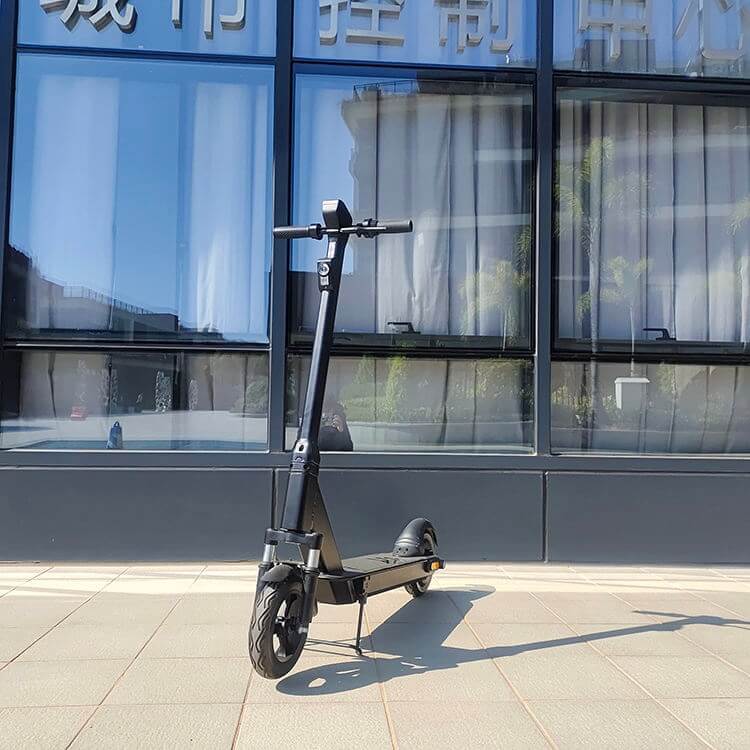
The “Sharing Scooter” category page is basically your “fleet spec” landing: sharing-grade systems, OEM factory, wholesale. It calls out IP-rated vehicles, commercial batteries with long cycle life, GPS/Bluetooth locks, and bulk customization for branding and city compliance kits. Sharing Scooter
This is exactly what a city RFP or a big B2B client wanna hear: uptime, compliance, and a vendor who knows fleets, not just weekend riders.
Inside that family you’ve got three clear roles.
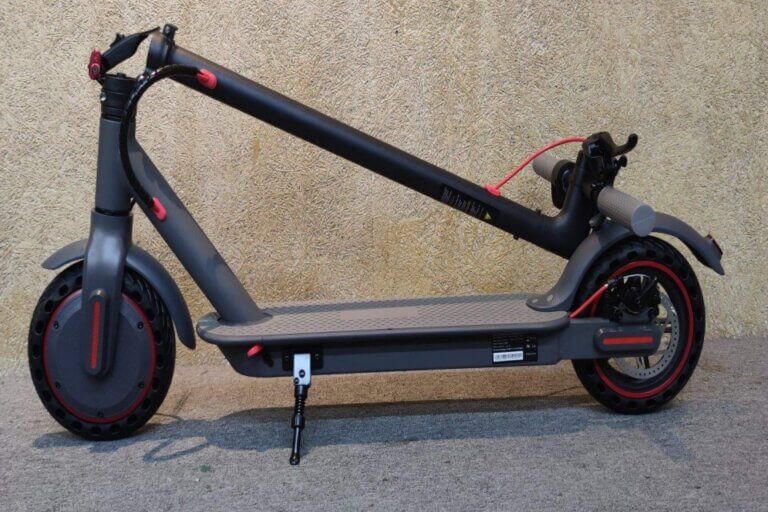
Best foldable electric scooter for commute bike wholesaler (Super S)
The Super S sits under the title “Best foldable electric scooter for commute bike wholesaler.”
On the product page it’s framed as ideal for:
- city rentals
- campus mobility
- last-mile logistics
It runs an aircraft-grade aluminum frame, non-pneumatic tires, suspension, IP-rated motor and electronics, built for high-frequency urban traffic.
Why it matters for a startup
- Great for pilot projects in campuses, corporate parks, hotel shuttles.
- Foldable form factor = less headache with building entrances, security desks, elevators.
- Container-friendly loading means your logistics and CAPEX planning stay cleaner when you scale more cities.
In ops language: Super S is your compact density tool for tight cores and hybrid “sharing + long-term rental” schemes.
FS Pro mobility electric motor scooter for adults supplier
The FS Pro is marketed as “FS Pro mobility electric motor scooter for adults supplier” and the copy is very explicit: low-maintenance workhorse, airless tires, swappable batteries, regulation-ready, 4G connectivity, bulk shipping.
From the SaaS Platform For Sharing Scooter Fleet Management blog, FS Pro is literally tagged as the workhorse pick for lower MTTR and fewer flat-tire tickets.
For your sharing startup:
- Drop FS Pro into high-utilization zones (CBD, transit hubs) where uptime and quick swap cadence really drive revenue.
- Airless tires + swappable pack = fewer workshop runs, more time in the map.
- 4G and telematics give you the levers for dynamic pricing, fraud rules, and SLA dashboards.
This is the kind of unit you spec when you talk to investors about fleet uptime, MTTR, and TCO instead of just “top speed” and “range”.
S1 foldable electric scooter for adults 300 lbs factory
The S1 page goes with “S1 foldable electric scooter for adults 300 lbs factory.” It’s described as a partner for sharing fleets and bulk orders, with aircraft-grade frame, IP67 controller and battery, non-inflatable tires, long-range pack, and inclusive load rating.
The SaaS blog even calls it the “inclusive fleets” choice.
What this unlocks
- Resorts, campuses, and waterfronts where you want a wider rider base and heavier guests still feel welcome.
- B2B micro-delivery fleets where payload and durability matter more than flashy design.
- A single SKU that folds, stacks well in containers, and still plays nice with your swap cabinets.
Together, the Sharing Scooter category is a mini ecosystem: Super S for compact hubs, FS Pro for heavy duty, S1 for inclusive / mixed use. One vendor, one Urban M styling language, shared spare parts pool.
SaaS Platform For Sharing Scooter Fleet Management
In “SaaS Platform For Sharing Scooter Fleet Management”, Ezbke argues for a SaaS-first rollout: use white-label software with telematics, zones, wallets, ops app, API hooks, and only then over-optimize.
Key points from that article:
- Launch in weeks instead of coding maps, billing, and device drivers from zero.
- Run zone rules (slow, no-ride, no-park) so the city sees you as a partner, not a problem.
- Give ops teams their own app for swaps, rebalancing, and field repairs.
- Use API hooks to push data into your own BI stack for cohort, LTV, and churn analysis.
Then it links the software layer back to the actual models:
- Best foldable electric scooter for commute (Super S) when compact storage wins.
- FS Pro mobility electric motor scooter for adults supplier for workhorse fleets.
- S1 foldable electric scooter for adults 300 lbs factory for inclusive fleets.
That’s literally hardware + SaaS as one story. And because Ezbke is a 15Y plant doing Electric Bike / Electric Kick Scooter / Electric Motorcycle / Foldable Electric Scooter / Sharing Scooter under one umbrella, your platform can consolidate SKUs and vendors instead of juggling five factories.

Battery Swapping In Shared Scooters: New Tech Ahead
The blog “Battery Swapping In Shared Scooters: New Tech Ahead” goes deep on the battery side.
The core idea: state of charge is basically the heart of fleet operations. Swapping turns the problem from “tow everything to the depot” into “move energy around the city.”
Some key arguments from that post:
- Swapping brings more uptime, fewer dead icons in the app.
- Logistics change: vans or cargo bikes carry packs, not whole vehicles.
- Better rider trust: if a scooter shows on the map, people expect it to actually move, not sit at 8% battery.
And it ties that straight to your lineup:
- FS Pro: swap-friendly design, airless tires, built for swap + rebalance in one run.
- S1: non-inflatable tires, IP67 pack and controller, good for cabinet-based systems in campuses or parks.
- Super S: foldable commuter base that can share the same battery ecosystem for hybrid fleets.
From a micro-mobility founder view, this is about turning batteries into a managed asset, even into a Battery-as-a-Service model, instead of a fuzzy cost line that always “seems too high.”
Picture a real scene:
08:20, campus. Your ops rider on an Urban M FS Pro rolls through with a crate of packs, swaps a row of scooters, and by 08:25 most units around the lecture hall show “green” in the app. Students just ride. No drama.
That’s the kind of story city partners and investors can feel, even without a spreadsheet.
Durable Sharing Scooter For B2B Sale
The article “Durable Sharing Scooter For B2B Sale” pushes another big argument: durability is a business strategy, not only a spec.
It highlights:
- 15+ years factory experience.
- Sharing Scooter line built specifically for operators.
- OEM/ODM tweaks for branding and compliance in different regions.
- Focus on fleets that need thousands of units, not just one demo bike.
For a startup or a wholesaler, this translates to:
- Lower mechanical churn and fewer nasty surprises when you scale a city 5×.
- A vendor who understands container loading, MOQs, and warranty terms for real fleets.
- One partner for Electric Bike, Electric Kick Scooter, Electric Motorcycle, Foldable Electric Scooter, and Sharing Scooter, which makes your procurement and after-sales playbook much lighter.
Key Arguments, Scenarios, and Sources
Here’s a quick reference table you can even reuse in decks or on-site content.
| Argument | Street / business scenario | Key Ezbke / Urban M sources |
|---|---|---|
| Sharing scooter is a hardware + IoT + ops stack, not “just buy scooters and make an app” | Founder tries to launch with consumer scooters and a basic app, then drowns in broken stems, no geofencing, angry city emails | Sharing Scooter Solution For Startups (sections on 3-layer stack and ops) |
| The Sharing Scooter category gives you a ready fleet spec (Super S, FS Pro, S1) for different zones | City launch where CBD uses FS Pro workhorses, campuses use Super S, and heavier riders use S1, all under one vendor | Sharing-Grade Scooter Systems OEM Factory Wholesale category page; product pages for Super S, FS Pro, S1 |
| FS Pro and S1 are built to cut MTTR and keep uptime high | Ops team runs swap loops instead of tow-back-to-warehouse loops; fewer flat-tire tickets, smoother SLA with the city | FS Pro and S1 product pages; Battery Swapping In Shared Scooters: New Tech Ahead |
| A SaaS-first rollout lets you launch fast and tune later | Startup uses white-label platform with geofencing, wallets, ops app to go live in weeks, then slowly adds own features | SaaS Platform For Sharing Scooter Fleet Management + Sharing Scooter Solution For Startups |
| Battery swapping plus Urban M hardware helps city partners see real value, not clutter | Campus or business park with swap cabinets, green scooters on the map all day, fewer vans and fewer complaints | Battery Swapping In Shared Scooters: New Tech Ahead; Sharing Scooter category page |
| A 15Y electric scooter manufacturer plant with OEM/ODM gives distributors and startups a long-term platform, not a one-off | Wholesaler sources Sharing Scooter, Foldable Electric Scooter and Electric Motorcycle from one ISO-cert plant and pitches “one ecosystem” to their own clients | Ezbke homepage; blog posts about B2B / OEM like Durable Sharing Scooter For B2B Sale and Partnering With Ezbke: E-Bike OEM Solutions For Global Brands |
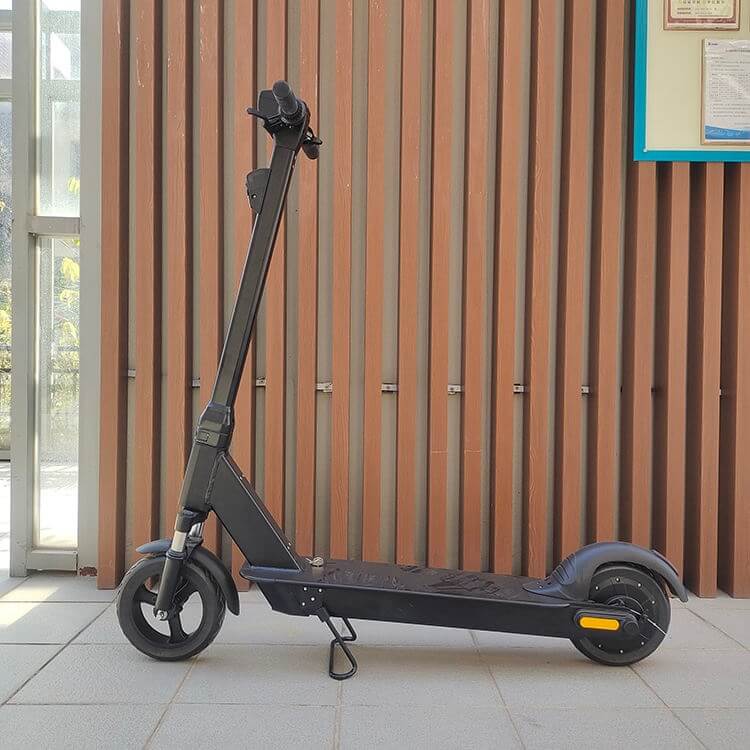
Wrap-up
If you zoom out, “How Ezbke Supports Micro-Mobility Startups” is not just about selling units. It’s about:
- A Sharing Scooter lineup (Super S, FS Pro, S1) tuned for real deployment patterns.
- A SaaS + IoT layer that respects city rules and makes ops less painful.
- A battery swapping and BaaS mindset that takes care of the ugly part of shared fleets.
- A 15-year Urban M / Ezbke factory that understands OEM/ODM, SKUs, warranty, and bulk shipping for serious buyers.
If you’re sketching your next city pilot or wholesale program, the question becomes less “where do I find scooters” and more “how do I plug into an ecosystem that already thinks in fleets, uptime, and city value?”
That’s basically where Ezbke is trying to sit. And honestly, for a lean startup team, that’s not a bad place to start from.